For electric tricycle fleets, rainy-season battery problems are not just maintenance issues. Water ingress can stop vehicles, damage connectors and electronics, create unplanned service work, and disrupt delivery or agricultural routes. A waterproof lithium battery can reduce exposure risk only when the enclosure, connectors, installation, and operating procedures are matched to the real environment.
That distinction matters for B2B buyers. A waterproof lithium battery is not automatically safe for flooded roads, standing water, or unrestricted outdoor charging. The fleet still needs an application-based power battery solution covering enclosure protection, drainage, connector sealing, charger use, temperature, payload, and inspection instead of treating rain protection as a single label.
What Does a Waterproof Lithium Battery Mean in Fleet Use?
A waterproof lithium battery should be evaluated by a defined ingress-protection level, not by marketing language alone. Under the IP classification system, the first digit describes protection against solids and the second digit describes protection against water. For example, IP65 indicates dust-tight construction with protection against water jets, while IP67 adds protection against temporary immersion under specified test conditions.
For fleet procurement, that does not mean an IP67 pack should be deliberately driven through deep floodwater. A waterproof lithium battery is tested under defined laboratory conditions; real vehicles add vibration, aging seals, connectors, cable entries, mounting points, impact damage, and repeated temperature cycles. Buyers should therefore match the required IP rating to the actual route and mounting location. Buyers evaluating rain, spray, connector sealing, and vehicle integration can also review our wet-climate electric tricycle battery specification guide before finalizing the pack design.
A waterproof lithium battery also depends on the complete installation. A well-sealed pack can still be exposed through damaged connectors, poorly routed wiring, a battery compartment that traps water, or a charger interface left wet after rain. For commercial tricycles, battery enclosure sealing and battery compartment drainage should be considered together.
What Should Fleets Do When a Waterproof Lithium Battery Gets Wet?
If a fleet suspects that water has entered the battery compartment or reached electrical connections, the safest response is to stop normal operation and isolate the vehicle if this can be done safely. Do not continue a route simply because the waterproof lithium battery still appears to power the vehicle. Moisture-related corrosion or short-circuit risk may develop after the initial exposure.

The pack should not be charged until the battery, connectors, wiring, and compartment have been inspected and confirmed suitable for service. A waterproof lithium battery with visible enclosure damage, swelling, abnormal heat, unusual odor, connector corrosion, or repeated BMS faults should be removed from normal fleet use and evaluated by qualified service personnel.
Fleet procedures should distinguish between exterior rain exposure and suspected internal water ingress. A standardized post-rain electric tricycle battery inspection checklist can help technicians decide whether a vehicle should return to service or require further diagnosis. Surface water on a properly rated enclosure is different from submersion or water entering a damaged case. A waterproof lithium battery should never be opened by untrained staff simply to dry it out, because that can create additional electrical and sealing risks.
How Should a Waterproof Lithium Battery Be Charged in Wet Weather?
Rain and summer heat often occur at the same time, but lithium battery charging should not be managed by a fixed rule such as always waiting 30 minutes. Instead, the battery should be within the manufacturer’s permitted charging-temperature range before charging begins. A waterproof lithium battery that has just completed a heavy route may need time to cool if pack temperature is above that limit.
Charging should take place in a dry, ventilated area protected from rain and standing water. Do not place chargers or connectors where runoff can reach them. Lithium battery charger safety also requires a charging profile matched to the pack chemistry, voltage limits, current limits, and BMS requirements. A waterproof lithium battery does not make an unsuitable or wet charger safe.
For B2B fleets, charging records can help identify unusual behavior. Longer-than-normal charging, repeated fault indications, excessive charger temperature, or abnormal BMS events should trigger inspection rather than repeated attempts to recharge the vehicle.
Why Do Wiring Checks Matter for a Waterproof Lithium Battery?
Moisture can expose weaknesses that remain hidden in dry weather. Fleets should inspect cable insulation, connector locking, strain relief, terminal condition, charger leads, and any area where wiring can rub against the chassis. A waterproof lithium battery can still lose reliability if the external electrical system allows water to reach live connections. For a waterproof lithium battery, connector sealing and external wiring are just as important as the pack enclosure.
Do not select a replacement charger only because its nominal voltage looks similar. The charger must match the battery’s chemistry, charging voltage, current limits, and communication or enable requirements where applicable. A waterproof lithium battery used in an OEM or fleet project should be validated together with the charger and vehicle electrical system.
Charging equipment should also be kept away from combustible materials and should have adequate ventilation as specified by the manufacturer. If a charger fan, cable, connector, or enclosure is damaged, the fleet should remove that charger from service rather than continue using it through the rainy season. A waterproof lithium battery should never be used as a reason to relax charger-area controls.
What Operating Habits Protect a Waterproof Lithium Battery?
Rain protection is only one part of battery life. Overloading a cargo tricycle increases current demand, while underinflated tires raise rolling resistance and energy consumption. Both can reduce route margin and increase heat. A waterproof lithium battery should still be sized for the fleet’s maximum payload, hill grade, stop-start pattern, and daily working hours.
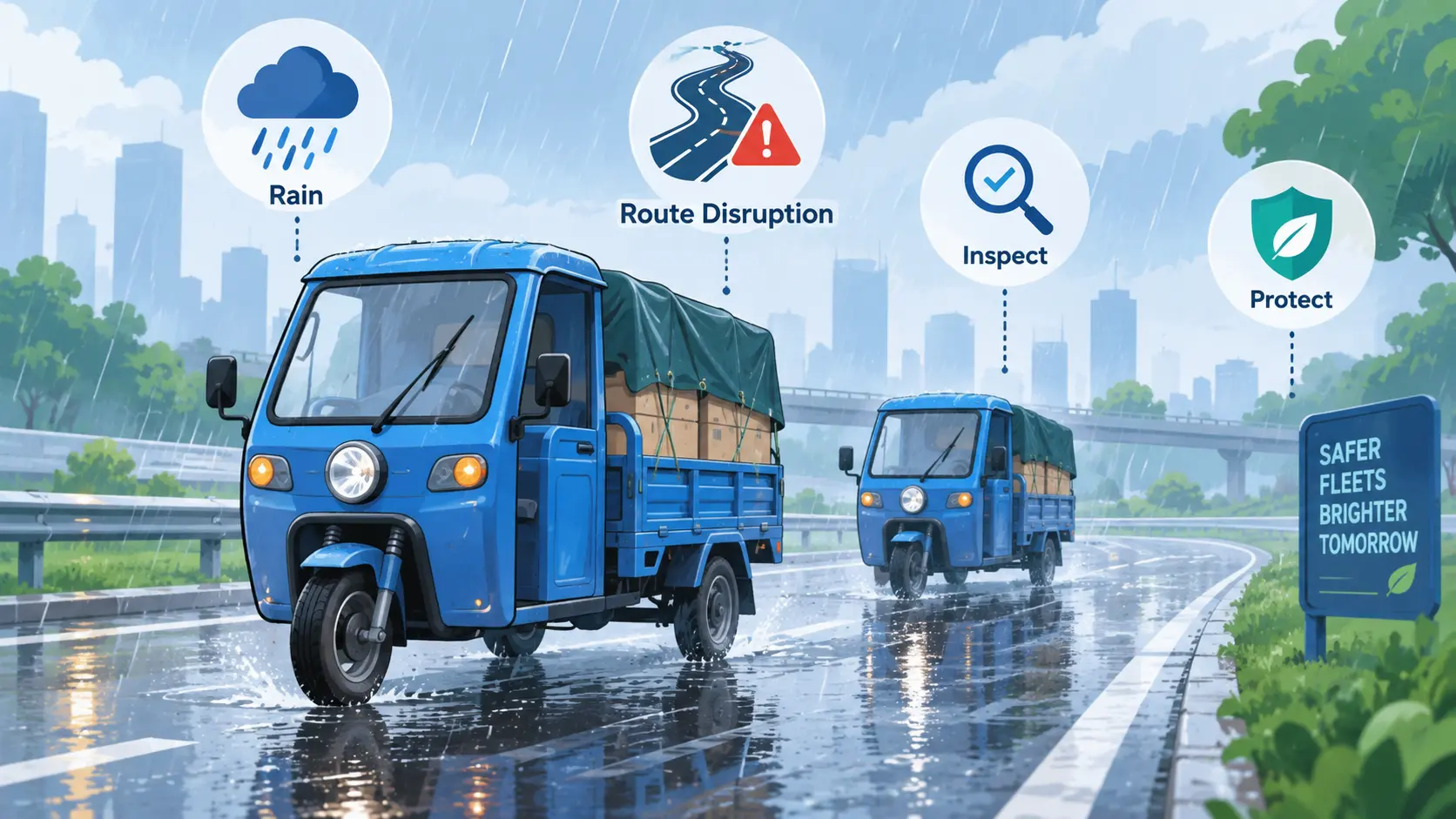
Fleet battery inspection should include enclosure damage, mounting security, connectors, cable entries, drainage paths, abnormal heat, swelling, and BMS fault history. After unusually heavy rain, flooded roads, or washing procedures, the inspection interval should be tightened for vehicles with higher exposure. A waterproof lithium battery still needs routine seal, mount, and connector checks because field exposure changes over time.
A practical rainy-season plan should also define when a vehicle must be removed from service, who can inspect the battery system, how suspect packs are isolated, and when the supplier should be contacted. This turns waterproof lithium battery protection into a repeatable fleet process rather than a driver-by-driver judgment.

What Should B2B Buyers Specify for a Waterproof Lithium Battery?
Before ordering, buyers should provide route environment, expected rain exposure, cleaning method, battery mounting position, compartment design, drainage, payload, vibration, operating temperature, continuous and peak current, connector type, charger requirements, and communication needs. The supplier should then confirm the appropriate enclosure and ingress-protection target for the project. A waterproof lithium battery specification should document the expected rain, cleaning, and water-exposure conditions.
Do not assume every tricycle pack needs the highest possible rating. A waterproof lithium battery should be specified according to realistic exposure, serviceability, cost, thermal design, and connector requirements. For outdoor commercial fleets, a clearly documented IP target is much more useful than an undefined claim such as waterproof. The correct waterproof lithium battery design balances ingress protection with thermal management, serviceability, and cost.
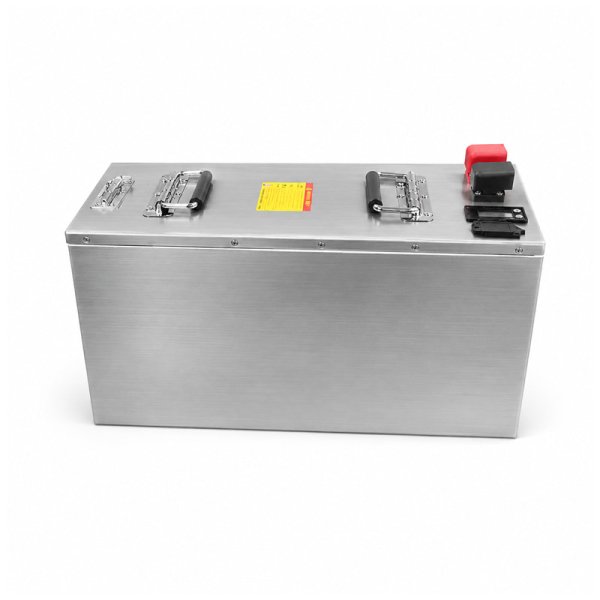
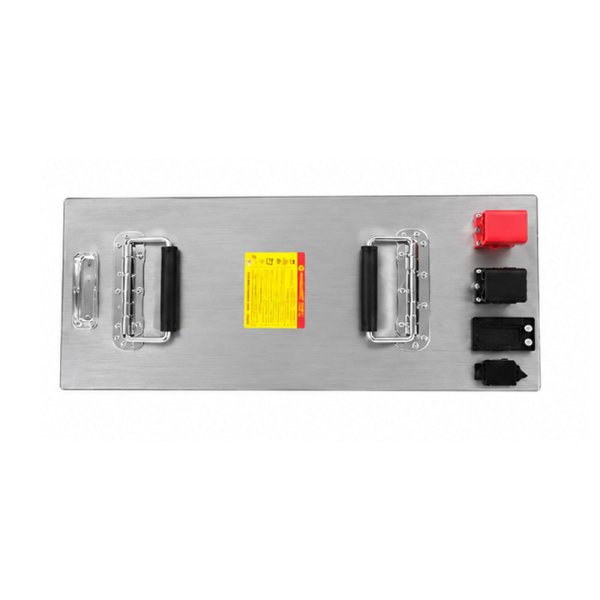
This 64V 60Ah LFP Power Battery Pack is an example of a tricycle-oriented LFP pack with BMS protection and fleet-use positioning, but its current product page does not state an IP rating. For rainy-season projects, the required water-resistance level should therefore be confirmed separately during project specification rather than assumed from the standard model.
Conclusion
For electric tricycle fleets, a waterproof lithium battery is only one layer of rainy-season risk control. The real protection comes from combining the right enclosure rating with sealed connectors, proper drainage, charger compatibility, inspection, and clear stop-use procedures after suspected water ingress. A waterproof lithium battery strategy is strongest when the fleet also controls drainage, inspection, charger use, and stop-service rules.
For B2B buyers, LiFePO4 remains a strong choice for frequent commercial tricycle use when cycle life, thermal stability, and predictable operation matter. The battery should be selected around the application first, with water resistance verified as a project requirement rather than assumed from a generic product label.
Waterproof Lithium Battery FAQ for Electric Tricycle Fleets
Q: Is a waterproof lithium battery fully waterproof?
A: Some packs are water-resistant or tested to an IP rating, but not all lithium batteries are waterproof. Always verify the enclosure and connector rating for the actual fleet environment.
Q: What does IP65 mean for a waterproof lithium battery?
A: IP65 means the enclosure is dust-tight and protected against water jets under defined test conditions. It does not mean the battery is approved for immersion or flooded-road use.
Q: What happens if a lithium battery gets wet?
A: External rain on a rated enclosure may be acceptable, but internal water ingress can damage wiring, the BMS, or cells. Stop use and charging if internal moisture is suspected.
Q: Can a lithium battery be charged in the rain?
A: Fleet charging should be done in a dry, protected area. A water-resistant battery does not make wet connectors, chargers, outlets, or exposed electrical equipment safe to use.
Q: How should fleets protect a waterproof lithium battery in humidity?
A: Use the specified enclosure rating, keep compartments drained, inspect seals and connectors, control heat, and tighten inspections after severe rain or suspected water exposure.