A first bulk order can fail commercially before any battery fails. Mismatched cart models, dead inventory, disputed delivery terms, and unsupported warranty claims all threaten a dealer’s margin. To source wholesale golf cart batteries successfully, qualify customer fleets, validate installations, and secure written supply and service commitments. Price alone does not protect fleet uptime.
Which Fleet Applications Should Dealers Prioritize in Their First Order?

Stocking wholesale golf cart batteries starts with end-user demand. Golf courses, resort shuttles, and maintenance teams may use similar carts but face distinct duty cycles, loads, and scheduling pressures. One supposedly universal SKU creates inventory risk.
Build a demand map for wholesale golf cart batteries from enquiries and service records:
| Customer application | Operational stress | First-order implication |
|---|---|---|
| Golf courses and country clubs | Repeated rounds, hills, scheduled departures | Validate route completion and peak-load performance |
| Resorts and hotel shuttles | Passenger loads, frequent short trips, high-season utilization | Prioritize predictable vehicle availability |
| Rental fleets | Changing drivers, rapid handovers, mixed cart ages | Check fault visibility and compatibility by vehicle group |
| Campuses and utility fleets | Tools, cargo, auxiliary loads, irregular routes | Verify load profiles and installation constraints |
Separate your inventory into core stocked battery models and project-specific variants. Stock proven repeat demand; quote unusual configurations only after validation. Unsold inventory erases nominal unit-price savings.
For example, a dealer supplying a hypothetical 60-cart customer base might find that 40 vehicles share one validated configuration while 20 belong to older or modified groups. The initial stocking decision should follow verified demand for the 40, with separate pilot approvals for the remaining 20. This is a commercial allocation example, not a suggested universal SKU mix.
For rental customers, these golf buggy fleet requirements explain why dispatch readiness matters more than a laboratory range figure.
Before ordering wholesale golf cart batteries, collect vehicle counts, model years, routes, loads, parking conditions, and seasonal peaks. These records identify justified stock-keeping units (SKUs) instead of an untested catalogue assortment.
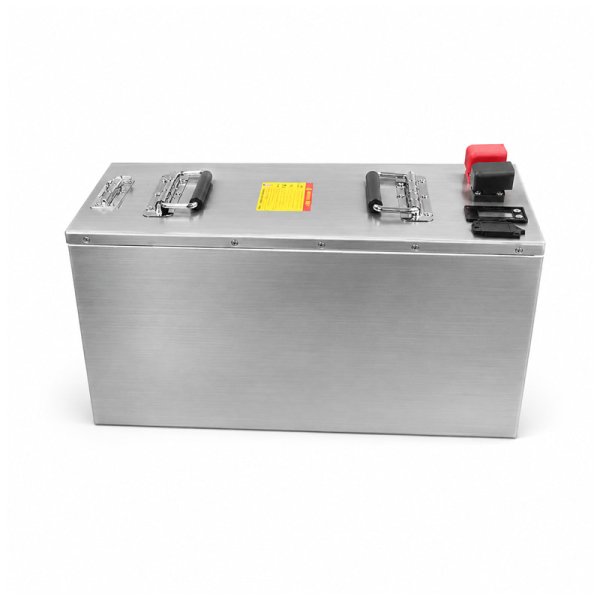
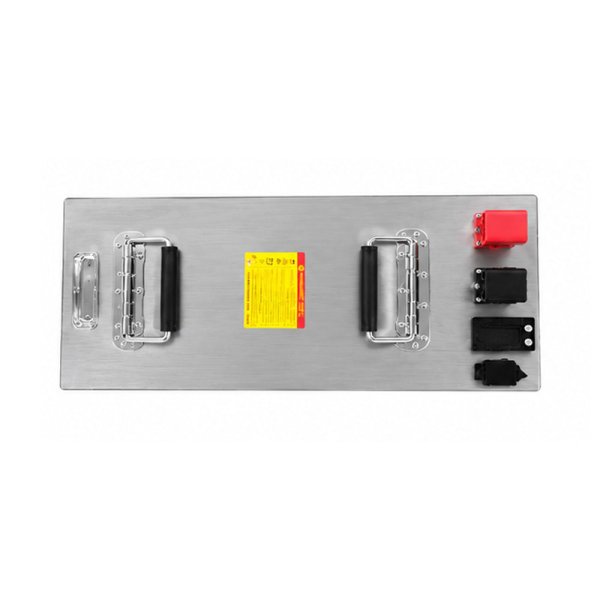
Dealers can review this golf cart battery range to shortlist potential configurations before requesting a wholesale quotation. Confirm model-specific compatibility, available production quantities, customization requirements, and delivery schedules directly with the supplier.
How Can Dealers Verify Battery Fitment Across Mixed Cart Fleets?
“Fits most golf carts” is not an acceptance criterion. Wholesale golf cart batteries must match actual vehicles, including older units, controller revisions, and accessories—not just battery-bay dimensions.
Before reselling wholesale golf cart batteries, use a compatibility matrix covering:
- Vehicle identity: manufacturer, model, production year, controller type, and relevant modifications.
- Mechanical interface: battery-bay dimensions, mounting restraints, access clearance, cable routing, and enclosure exposure.
- Electrical behavior: sustained and peak traction demand, controller protection behavior, accessory loads, and regenerative-braking conditions where applicable.
- System integration: harnesses, connectors, charger profile, status display, communication protocols, and BMS fault responses.

For wholesale golf cart batteries serving existing fleets, pilot each compatibility group, including older or high-demand configurations. Observe starts, hills, loaded trips, faults, and approved charging behavior.
The lithium golf cart fleet-upgrade guide covers retrofit details. A dealer must determine which models have validated evidence and which still require trials.
An acceptance sheet for wholesale golf cart batteries should record test outcomes, modifications, approved chargers, and limitations. Never promise plug-and-play installation without model-specific verification; unsupported claims invite costly warranty disputes.
What MOQ, Mixed-SKU, and Delivery Terms Should Dealers Negotiate?
Minimum order quantity (MOQ) must be defined: per model, enclosure, production run, or shipment? Dealers comparing wholesale golf cart batteries cannot evaluate prices without knowing the basis.
Negotiate three stages: pilot samples, approved first lot, and replenishment. Ask whether wholesale golf cart batteries can share a shipment across SKUs, and how private labeling changes MOQ. Manufacturing minima and freight consolidation are distinct.
Compare offers for wholesale golf cart batteries using delivered cost, not pack price alone:
| Contract item | What the dealer should confirm |
|---|---|
| MOQ and mix | Minimum per SKU, allowed combinations, sample-credit terms |
| Production schedule | Approval milestone, lead-time start date, capacity reservation |
| Shipment | Incoterm, destination, packaging, transport mode, responsibility for import procedures |
| Shortages and delays | Partial-shipment rules, discrepancy reporting, corrective action |
| Replenishment | Forecast period, reorder lead time, spare-unit availability |
When comparing quotations, ask suppliers to itemize battery prices separately from accessories, freight, applicable duties, and installation costs. Specify the named Incoterm and delivery point; EXW, FOB, and DAP allocate responsibilities differently, and a price alone does not establish the importer of record.
A resort cannot recover a missed peak season. Agree on dispatch windows, buffer stock, and delay escalation when contracting for wholesale golf cart batteries.
What Warranty and After-Sales Support Should Protect Dealers?
A warranty headline is not a claims process. Dealers reselling wholesale golf cart batteries need defined diagnostics, evidence, remedies, and cost allocation—or they inherit technical liabilities without support.
Before distributing wholesale golf cart batteries, request written answers on coverage, evidence, and remedy:
- When does coverage begin: manufacture, shipment, installation, or end-customer sale?
- What is covered: manufacturing defects, BMS failures, and any stated capacity-retention commitment under defined test conditions?
- What voids coverage: unauthorized modifications, incompatible charging equipment, misuse, or operation outside specified limits?
- What records support a claim: serial number, purchase date, installation details, fault logs, photographs, and diagnostic tests?
- Who pays for troubleshooting, return freight, replacements, and local labor, and how are disputes escalated?

For wholesale golf cart batteries, require an actionable return-material-authorization (RMA) process, named technician, response expectations, and replacement-parts policy—not an undefined promise of support.
A disabled hotel shuttle may demand a substitute vehicle immediately. Compare wholesale golf cart batteries by diagnostic access, local service capacity, and replacement reserves. Promise only response times and stock levels guaranteed in writing.
How Can Dealers Verify First-Lot Quality and Reorder Consistency?
A successful sample proves little about mass production. Before purchasing wholesale golf cart batteries, obtain evidence that the approved design can be reproduced consistently.
Use three verification gates for wholesale golf cart batteries.
Gate 1 — Approve a reference configuration. Freeze the approved specification, drawings, connector arrangement, BMS settings, label, and charger compatibility. Record the sample pack’s identifier and test results. For wholesale golf cart batteries, this becomes the benchmark against which production variations are judged.
Gate 2 — Inspect the first lot. Require documented end-of-line tests appropriate to the design: identification and traceability, electrical safety checks, BMS protection-function verification, functional capacity assessment under defined conditions, and inspection of connectors, hardware, and packaging. Agree on inspection sampling and rejection rules before shipment, rather than after a dispute.
Gate 3 — Control future changes. Ask the factory to notify and obtain approval before changing critical cells, components, firmware, protection settings, or mechanical interfaces. Replenished wholesale golf cart batteries should remain compatible with the fleet configurations already validated.
Traceable serial or lot numbers make field complaints easier to isolate.
Transportation documentation is another gate, not a substitute for performance testing. The U.S. Pipeline and Hazardous Materials Safety Administration states that lithium batteries offered for transport must pass applicable UN 38.3 design tests and that test summaries must be made available in the supply chain. Dealers purchasing wholesale golf cart batteries should request the relevant model’s UN 38.3 test summary and shipping guidance, then confirm any additional destination- and transport-mode requirements.
UN 38.3 evidence does not establish vehicle fitment, while a brief pilot cannot prove years of cycle life. Keep these claims separate.
What Should Dealers Include in a Wholesale Golf Cart Batteries RFQ?
A structured RFQ makes quotations comparable. Asking merely for the “best price on wholesale golf cart batteries” conceals differences in scope and risk.
For wholesale golf cart batteries, send the following in one structured brief:
- Buyer and market: dealer location, intended resale region, customer types, and any private-label requirements.
- Fleet inventory: cart brands, model years, controller versions, fleet sizes, and retrofit status.
- Operating duty: routes, slopes, load profiles, daily utilization, climate, and maintenance windows.
- Battery interface: existing battery-bay drawings, connectors, charger details, communications, and required accessories.
- Order structure: pilot quantity, first-lot volume by SKU, target delivery date, forecast, and mixed-model preference.
- Evidence and service: datasheets, production test records, applicable transport documentation, warranty terms, RMA process, and change-control commitments.
- Commercial comparison: currency, itemized unit and logistics pricing, payment milestones, Incoterm, and quotation validity.
When sourcing wholesale golf cart batteries, have suppliers mark each cart model validated, pilot needed, or unsupported. This exposes integration risk before purchase.
For application-matched OEM/ODM projects, this power battery solutions provide a starting point for discussing BMS matching, project requirements, and bulk supply. Include vehicle evidence and a target order schedule when contacting the team.
Select wholesale golf cart batteries for fleet fit, delivered value, and serviceability. A dependable first order makes replenishment possible.
What Do Dealers Ask About Wholesale Golf Cart Batteries?
Q: What is the minimum order quantity for wholesale golf cart batteries?
A: There is no universal MOQ for wholesale golf cart batteries. It depends on the battery model, customization, production run, and supplier. Ask for minimums per SKU and per shipment, plus separate pricing for pilot units and repeat orders.
Q: Can dealers order different golf cart battery models in one wholesale shipment?
A: Often, yes. Suppliers may consolidate wholesale golf cart batteries in mixed-SKU orders. Confirm minimum quantities for each model, whether cartons can be consolidated, and whether mixed orders change production lead time or freight cost.
Q: How can dealers verify lithium battery compatibility with different golf carts?
A: Check the cart model, controller, battery bay, connectors, charger, and BMS behavior. Pilot the proposed pack on a representative vehicle from each compatibility group before approving a fleet-wide sale.
Q: What warranty support should wholesale golf cart battery suppliers provide?
A: Require written coverage conditions, an RMA process, diagnostic guidance, a response contact, and clear responsibility for replacement parts, return freight, and local service costs. Verify what starts the warranty period.
Q: What documents should dealers request before placing a bulk golf cart battery order?
A: Request a model-specific datasheet, drawings, approved compatibility list, test and inspection records, relevant UN 38.3 test summary, warranty policy, commercial quotation, and traceability information.
Ready to Qualify Your First Wholesale Order?
Share your cart-model list, customer applications, expected quantities, and delivery market with FEBATT. Request a model-by-model review, sample-validation plan, and itemized quotation for wholesale golf cart batteries before allocating your first bulk-order budget.