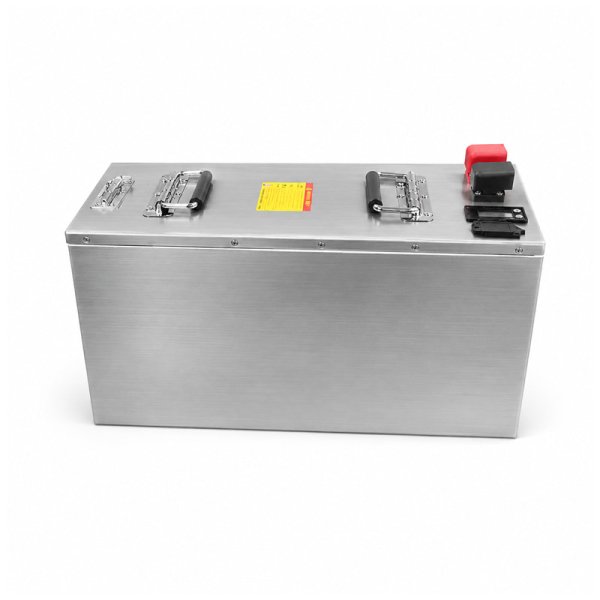
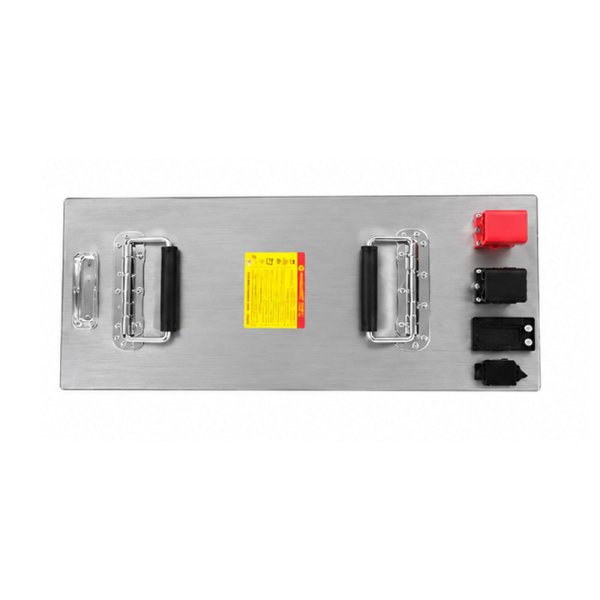
For commercial fleets, electric tricycle battery maintenance is a reliability discipline rather than a workshop formality. Cargo tricycles, passenger rickshaws, and delivery vehicles can spend long hours on rough roads while carrying variable loads, operating in rain, and drawing repeated high current. The battery pack may be sealed, but its mounts, cables, connectors, enclosure, charger, and battery management system still operate in a demanding electro-mechanical environment.
The goal is to perform the right checks at the right time, detect abnormalities early, and prevent avoidable downtime. Electric tricycle battery maintenance should combine operator observations, scheduled technician inspections, event-triggered checks after rain or impact, and BMS diagnostics where supported.
For procurement teams, FEBATT’s power battery portfolio provides a practical reference for available commercial traction battery formats, while FEBATT’s power battery solutions help buyers frame voltage, capacity, BMS, charger, communication, and system-integration requirements. These resources can support early project evaluation, but the tricycle maintenance procedure must still follow the approved documentation for the actual production model.
This guide explains how to maintain electric tricycle battery systems without relying on outdated lead-acid routines or unsafe field repairs. It also turns common e rickshaw battery maintenance tips into a practical commercial trike battery care checklist for B2B fleet operations.
How Does Low-Routine-Maintenance Lithium Simplify Commercial Fleet Operations?
Lithium technology removes several recurring tasks associated with flooded lead-acid batteries. Operators do not add distilled water, perform routine electrolyte specific-gravity measurements, or clean acid residue as part of normal lithium service. This reduces repetitive labor and makes procedures easier to standardize across large depots.
That does not mean a lithium pack requires no oversight. Electric tricycle battery maintenance shifts from internal servicing toward external integrity and condition monitoring. Technicians still need to verify secure mounting, cable condition, connector retention, enclosure damage, sealing, charger compatibility, and BMS status. If the pack is sealed, internal access should be limited to qualified personnel using approved procedures.
Across a large fleet, eliminating routine watering lets technicians focus on inspection and diagnostic trends. Electric tricycle battery maintenance should address anything that can loosen, heat, wear, leak, or drift before it causes downtime.
Lithium should be described as low-routine-maintenance, not zero-maintenance. Electric tricycle battery maintenance remains necessary because vibration, temperature, current stress, contamination, and mechanical loading still affect the vehicle system.
What Should Operators Check Before a Vehicle Starts Its Shift?
A pre-shift check should be short enough to perform consistently. It is not a substitute for technician inspection, but it can identify obvious problems before the vehicle leaves the depot. The exact frequency and checklist must follow the fleet’s approved service procedure and the manufacturer’s documentation.

For electric tricycle battery maintenance, before dispatch operators should check:
- Battery enclosure: no visible cracks, swelling, impact damage, or abnormal movement.
- Visible cables:no exposed conductors, abrasion, pinching, or loose routing.
- Connectors:fully seated with no looseness, heat discoloration, or damaged locking features.
- Moisture and contamination: no unexplained water, mud, or corrosion around protected electrical areas.
- Warnings and symptoms: report burning odors, repeated charger faults, unexpected power reduction, warning indicators, or unusual battery temperature.
Drivers should not open a sealed battery or tighten high-current connections unless the approved procedure permits it. Their role is observation and reporting; technician-level electric tricycle battery maintenance starts when defects or abnormal events require inspection.
This division of responsibility – operator report, technician diagnosis, specialist internal work – creates a practical commercial trike battery care checklist.
What Should Technicians Inspect on Battery Mounts, Cables, and Connectors?
Vibration, potholes, braking, cargo loading, and chassis movement can loosen fasteners, damage insulation, or stress connector interfaces. Scheduled physical checks are therefore essential to electric tricycle battery maintenance.
For electric tricycle battery maintenance, use this technician checklist:
- Mounting hardware: inspect brackets, bolts, retaining structures, and mounting points for looseness, deformation, cracking, corrosion, or pack movement. Use the approved torque procedure and a calibrated tool where a torque value is specified.
- Cable routing: check for crushed insulation, abrasion, cuts, pinching, unsupported sections, excessive bending, heat discoloration, or contact with sharp edges. Verify that grommets, sleeves, and protective conduits remain intact.
- Connector retention and strain relief: confirm locking features are intact, connectors are fully seated, and cables are supported so connectors do not carry mechanical load.
How Can Fleets Prevent Terminal Corrosion and Connector Overheating?
High-current connections heat as contact resistance rises, and resistive heating increases with the square of current. Under heavy load, even a modestly poor connection can become a thermal hotspot during acceleration or charging.
Electric tricycle battery maintenance should include inspection for moisture, oxidation, discoloration, debris, damaged plating, unusual odor, or visible deformation around high-current terminals and connectors. The connection should remain clean, dry, correctly seated, and mechanically secure.
Loose hardware can cause heating, but a darkened, melted, or repeatedly hot terminal needs root-cause diagnosis rather than simple retightening. Causes can include contaminated contacts, damaged pins, insufficient cable size, partial engagement, excessive current, or repeated thermal cycling.
Cleaning must follow connector materials and service documentation. Abrasion can remove protective plating, while unapproved chemicals can damage plastics or seals. Treat connector heat or discoloration as diagnostic evidence, not a cosmetic issue.
These practices are especially important for fleets asking how to maintain electric tricycle battery systems under high payload and stop-start operation, where current demand can be frequent and sustained.
How Should Fleets Inspect for Water Ingress After Rain or Wet-Road Operation?
Rain does not automatically damage a correctly designed battery. Risk increases when enclosure damage, aged seals, poorly assembled connectors, or damaged cable entries let moisture reach protected electrical areas. Wet-route inspection should be event-based as well as scheduled.
After significant rain, deep spray, water crossings, or a suspected impact, electric tricycle battery maintenance should include a visual inspection of the enclosure, seams, service covers, cable glands, connector interfaces, and nearby mounting points. Look for cracks, warped surfaces, displaced seals, trapped moisture, corrosion, or evidence that a protected area has been compromised.
Do not assume unexplained moisture will dry without consequence. If water is found where it should not be, electric tricycle battery maintenance should require isolation, identification of the entry path, and inspection of affected electrical components before return to service.
An IP rating applies under defined test conditions and does not guarantee protection after damage, poor reassembly, aged gaskets, or improperly closed covers. This belongs in practical e rickshaw battery maintenance tips for commercial fleets.
How Can BMS-Controlled Charging Help Manage Cell Imbalance?
Cells do not age identically. Differences in capacity, impedance, temperature exposure, and self-discharge can create voltage spread between series groups. The BMS may use passive or active balancing according to the battery architecture.
Electric tricycle battery maintenance should not prescribe a universal monthly full-charge or trickle-charge routine. Balancing depends on the BMS, cell chemistry, charger profile, and manufacturer-defined conditions.
Use the approved charger and allow the documented process to complete when a full cycle is required for balancing or calibration. Electric tricycle battery maintenance should not use an arbitrary charging duration copied from a generic checklist.
If persistent cell-voltage spread appears under comparable conditions, check charging completion, temperature-sensor consistency, balancing status, protection events, and whether one series group repeatedly reaches a limit first. Qualified personnel should diagnose imbalance outside the approved range.
This is a key distinction in modern electric tricycle battery maintenance: balancing should be managed by the approved battery system, not improvised with hobby chargers or manual charging of individual cell groups in the depot.
How Should Technicians Assess Battery State of Health in the Workshop?
State of Health (SOH) estimates battery condition relative to defined new-battery performance; State of Charge (SOC) indicates currently available energy. One displayed SOH percentage should not be treated as a complete diagnosis.
A structured electric tricycle battery maintenance workflow should review:
- State of Health (SOH) and State of Charge (SOC).
- Minimum and maximum cell voltage and the voltage spread between series groups.
- Battery and sensor temperature data, including abnormal temperature differences.
- Cycle count or energy-throughput history where the approved system provides it.
- Stored fault codes and protection events.
- Charge and discharge event history, including repeated interruptions or abnormal charging behavior.

Compare readings under similar conditions. Voltage spread changes with SOC, temperature, and load, so trend data is more useful than a single snapshot. A series group that repeatedly becomes highest or lowest under comparable conditions may need investigation.
Temperature history and fault records add context. If operating time declines, electric tricycle battery maintenance should compare battery data with route load, tire condition, drivetrain efficiency, charger performance, and prior fleet behavior before blaming the pack.
This evidence-based process is one of the most useful answers to how to maintain electric tricycle battery systems in large fleets because it reduces unnecessary replacement and helps technicians distinguish battery degradation from vehicle or charging problems.
How Should Technicians Clean the Battery Enclosure Without Damaging Seals?
Cleaning should remove dirt without forcing water or contamination into electrical interfaces. Place the vehicle and battery in the approved safe condition, then use a damp, well-wrung cloth on external surfaces without opening the enclosure.
Do not direct high-pressure water at connectors, seams, cable entries, vents, service covers, or charging interfaces. It can challenge seals and drive contamination into narrow gaps.
Electric tricycle battery maintenance should also avoid aggressive solvents unless the battery or vehicle manufacturer approves them. After cleaning, inspect the enclosure for cracks, impact marks, loose hardware, damaged labels, seal displacement, or corrosion. Dry external surfaces before returning the vehicle to service.
Cleaning also improves inspection visibility, making small defects easier to detect. This is a practical component of e rickshaw battery maintenance tips for dusty, muddy, or wet routes.
What PPE and Workshop Controls Are Needed for Heavy Commercial Battery Packs?
Battery service combines electrical, mechanical, and lifting hazards. PPE and isolation controls depend on voltage, pack design, local requirements, and the task, so electric tricycle battery maintenance should follow a documented risk assessment.
Depending on the task and risk assessment, workshop controls can include:
- Eye protection and task-appropriate protective gloves.
- Safety footwear and suitable work clothing.
- Electrically appropriate insulated tools where required.
- Isolation or lockout procedures before service work.
- Electrical or arc-rated PPE where the risk assessment requires it.
- Suitable lifting equipment, secure supports, and a defined lifting plan for heavy packs.
Electric tricycle battery maintenance should not rely on manual handling simply because several workers can lift the pack. A dropped traction battery can cause crush injuries, connector damage, or enclosure damage.
Respect service boundaries. Opening a sealed enclosure without authorization can expose energized components and compromise validated sealing or service condition. Internal repair belongs with qualified personnel using approved procedures and equipment.
How Should Fleet Depots Configure Controlled Charging Areas?
Charging is part of the maintenance system. A dedicated area improves cable management, supervision, fault response, and consistency compared with ad hoc outlets.
A B2B charging-area checklist should include:
- Defined charging positions:provide adequate vehicle clearance and route cables to avoid damage or trip hazards.
- Electrical capacity:have qualified personnel verify supply capacity, protective devices, grounding or bonding, and installation against applicable local requirements.
- Environmental control:follow charger and battery temperature and ventilation requirements; avoid excessively hot or poorly ventilated charging spaces.
- Charger inspection:check cables, plugs, connectors, cooling paths, and repeated fault indications as part of routine electric tricycle battery maintenance.
- Emergency response:define how to stop charging and isolate power if staff observe unusual heat, smoke, swelling, burning odor, damaged cables, repeated charger faults, or water near electrical equipment.
When standardizing charging and replacement procedures, fleets can revisit FEBATT’s power battery portfolio to compare suitable battery formats and use FEBATT’s power battery solutions as pack-and-charger integration references. The final depot procedure must match the tricycle battery and charger actually in service.
How Should Fleets Build a Commercial Trike Battery Care Checklist?
Organize the checklist by responsibility and trigger, not arbitrary calendar intervals. Approved battery and vehicle documents remain the source for required intervals, torque values, diagnostic limits, and replacement criteria.
Use a three-level escalation structure:
- Operator:record visible damage, warnings, charging problems, unusual heat, moisture, or unexpected power loss and report them before continued operation.
- Fleet technician:inspect mounts, cables, connectors, seals, charger hardware, diagnostic trends, and event-triggered conditions after rain, collision, overheating, or repeated faults.
- Qualified battery specialist:handle internal diagnostics or repairs that require opening a sealed pack, cell-level work, or model-specific service equipment.

For electric tricycle battery maintenance, records are as important as inspections. Track battery or vehicle ID, date, faults, repairs, connector replacements, charger issues, and relevant BMS observations. Trends can reveal problems tied to a route, driver, charger, or vehicle configuration.
A commercial trike battery care checklist should be short enough to use consistently while defining clear escalation from observation to diagnosis to approved corrective action.
FAQ About Electric Tricycle Battery Maintenance
1.Do lithium electric tricycle batteries require distilled water refilling?
No. Lithium batteries do not require routine distilled-water refilling. The cells contain electrolyte as part of their sealed internal construction, but operators do not replenish it during normal service. Electric tricycle battery maintenance should instead focus on external condition, connectors, mounting, BMS status, and approved charging practices.
2.How often should commercial electric tricycle batteries be inspected?
There is no universal interval for every pack and fleet. Follow the battery and vehicle manufacturer’s service schedule and adjust inspection frequency for operating hours, road conditions, water exposure, fault history, and fleet utilization. High-use fleets often benefit from frequent operator checks plus scheduled technician inspections and event-triggered checks after abnormal conditions.
3.What causes battery terminals or connectors to overheat or melt?
Excessive contact resistance is a common cause. Loose hardware, contamination, damaged contacts, inadequate cable sizing, poor connector engagement, or current beyond the connection’s rated capability can generate localized heat. Electric tricycle battery maintenance should treat discoloration, deformation, or repeated heating as a reason to isolate the system and diagnose the root cause.
4.Can I wash an electric tricycle battery with a high-pressure water gun?
Do not direct high-pressure water at battery seams, connectors, cable entries, charging interfaces, or vents unless the approved service procedure explicitly allows it. High-pressure spray can force water or contamination into protected interfaces. Use the cleaning method specified for the battery and vehicle, typically controlled external wiping rather than aggressive spraying.
5.What is the safest way to manage cell balancing in a tricycle battery pack?
Use the battery’s approved BMS and charging system according to the manufacturer’s procedure. If cell-voltage imbalance persists outside the specified range, qualified personnel should diagnose the pack with approved service equipment. Do not manually charge individual cell groups with unapproved hobby equipment as a routine fleet-maintenance method.
6.What should a technician record after a battery maintenance inspection?
Record the battery or vehicle ID, inspection date, visible defects, connector and cable condition, mounting findings, charger issues, BMS fault codes or relevant diagnostic observations, repairs performed, and whether follow-up is required. Consistent records make electric tricycle battery maintenance auditable and help fleets identify recurring problems.
Conclusion
Lithium technology has transformed commercial fleet battery operations by eliminating many labor-intensive lead-acid maintenance tasks. There is no routine water refilling, no electrolyte measurement, and no need for acid cleanup. Yet reliable fleet performance still depends on disciplined electric tricycle battery maintenance.
The most effective approach is preventive rather than reactive.
Inspect battery mounts before vibration creates movement. Check cables before insulation damage exposes conductors. Investigate terminal discoloration before a connector burns. Examine seals after rain exposure before moisture develops into corrosion or electrical failure. Review cell data and SOH before declining performance becomes operational downtime.
A strong commercial trike battery care checklist should combine weekly physical inspections, monthly diagnostic review, approved charging practices, and clear depot safety SOPs. This creates an auditable maintenance framework for fleet managers and technicians.
Ultimately, the objective of electric tricycle battery maintenance is not to perform more work. It is to perform the right work at the right interval.
With sealed lithium technology, technicians can move away from the daily maintenance burden of conventional batteries and focus instead on mechanical integrity, electrical connection quality, environmental protection, diagnostic intelligence, and safe charging infrastructure. That shift is what makes modern commercial fleet battery management more efficient, more standardized, and better suited to continuous operation.