LiFePO4 cells are often selected for commercial electric motorcycles because of their thermal stability, but chemistry alone does not make a fleet battery safe. OEMs and fleet buyers still need to verify cell traceability, pack current capability, BMS protections, fuse and conductor design, thermal limits, enclosure integrity, charger compatibility, mechanical validation, and production consistency.
For procurement teams, the key issue is whether the complete battery system can manage the motorcycle’s electrical, thermal, mechanical, and charging loads throughout its intended service life. That requires clear supplier evidence and defined acceptance criteria for the final pack configuration.
What Is a LiFePO4 Motorcycle Battery?
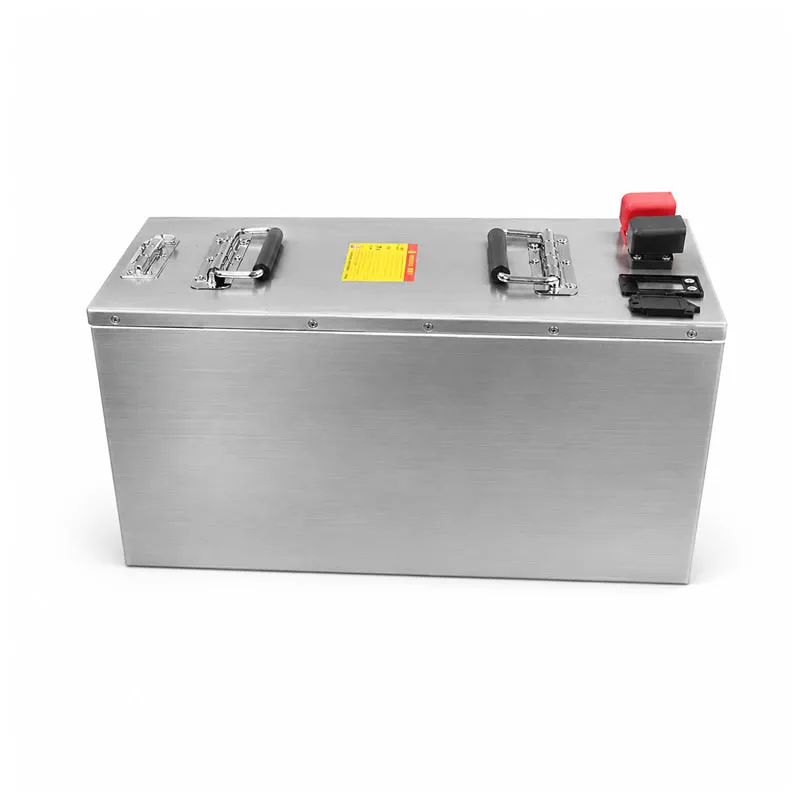
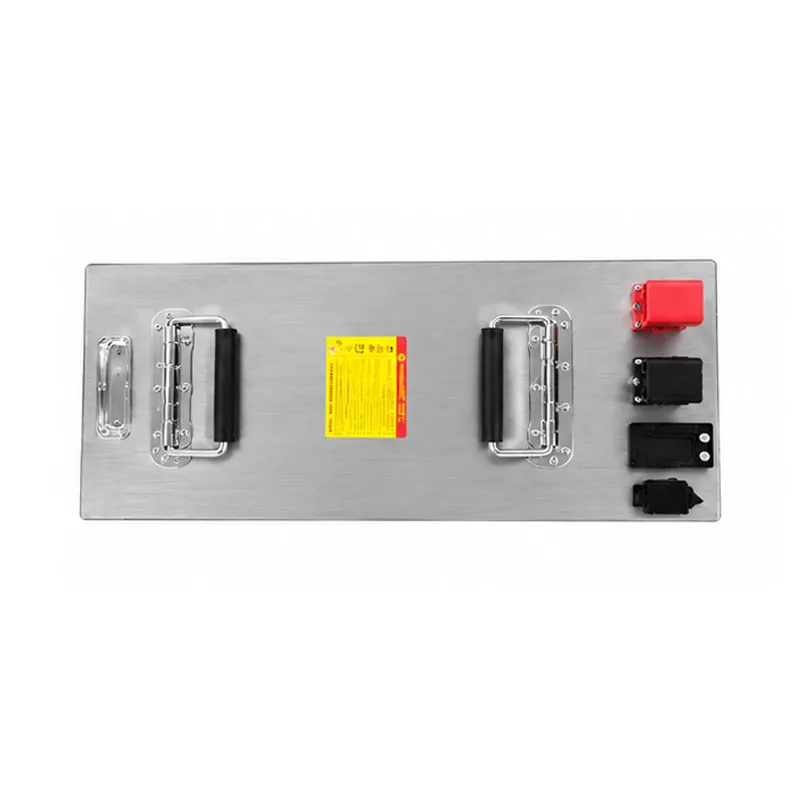
A LiFePO4 motorcycle battery is a lithium iron phosphate battery designed for electric motorcycle applications. LiFePO4 is a type of lithium battery chemistry known for safety, stability, and long service life.
In electric motorcycles, the battery pack usually includes:
- LiFePO4 battery cells
- Battery Management System
- Protective casing
- Internal connection structure
- Output cables
- Connectors
- Charging interface
- Thermal and electrical protection design
The battery provides energy to the motor through the controller and supports daily riding, acceleration, climbing, and load operation.
For B2B applications, a LiFePO4 motorcycle battery can be customized according to voltage, capacity, size, discharge current, connector type, BMS function, casing structure, and charging requirements. This makes it suitable for electric motorcycle manufacturers, battery distributors, replacement projects, and fleet applications.
Why Is Safety So Important for Electric Motorcycle Batteries?
Electric motorcycles are used in real-world outdoor environments. They may face rain, road vibration, temperature changes, frequent charging, high-current discharge, and repeated start-stop riding. These conditions place strong demands on battery safety and stability.
A battery problem can affect more than riding range. It may also cause:
- Sudden power loss
- Overheating
- Charging failure
- Reduced battery life
- Poor acceleration
- Unstable discharge
- Increased after-sales issues
- Potential safety risks
For individual riders, safety affects the daily riding experience. For B2B buyers, it affects brand reputation, warranty cost, and customer trust.
That is why a safer battery choice should not only consider price or energy density. It should consider the full battery system, including chemistry, BMS, pack design, production process, and quality testing.
Why Is LiFePO4 Considered Safer Than Some Other Lithium Chemistries?
LiFePO4 batteries are often considered a safer lithium battery option because the lithium iron phosphate cathode has strong chemical and thermal stability. This helps reduce the risk of severe thermal reactions compared with some higher-energy lithium chemistries.
For electric motorcycles, this matters because the battery may be exposed to high discharge current, warm outdoor conditions, vibration, and frequent charging. A battery chemistry with better thermal stability can provide an additional safety advantage.
A LiFePO4 motorcycle battery can offer several safety-related benefits:
- Better thermal stability
- Lower risk of overheating under proper use
- Stronger tolerance for daily cycling
- More stable performance over long-term use
- Lower maintenance needs than lead-acid batteries
- Better cycle life for commercial applications
This does not mean LiFePO4 batteries are risk-free. Any lithium battery can become unsafe if it uses poor-quality cells, weak BMS design, incorrect charging, poor assembly, or unsuitable installation. The key point is that LiFePO4 provides a strong safety foundation when combined with proper engineering and quality control.
How Does Thermal Stability Improve Battery Safety?
Thermal stability refers to a battery’s ability to remain stable under heat-related stress. In electric motorcycle applications, heat can come from fast riding, high-current discharge, charging, outdoor temperature, or poor ventilation.

If a battery cannot manage heat properly, it may face accelerated aging, reduced capacity, or safety problems. This is why thermal stability is a key factor in battery selection.
A LiFePO4 motorcycle battery is often selected because the chemistry is more thermally stable than many conventional lithium-ion battery chemistries. This can help reduce the chance of serious heat-related failure when the battery is correctly designed and used within its operating limits.
However, thermal stability also depends on the full pack design. Buyers should check:
- Cell quality
- BMS temperature monitoring
- Overtemperature protection
- Pack ventilation design
- Internal connection quality
- Casing structure
- Charger matching
- Operating temperature range
For high-power electric motorcycles or commercial delivery vehicles, thermal management is especially important because the battery may work for long hours under repeated acceleration and load conditions.
Why Does BMS Protection Matter for LiFePO4 Motorcycle Batteries?
The BMS, or Battery Management System, is one of the most important safety components in a LiFePO4 motorcycle battery. Even with a stable battery chemistry, the battery still needs electronic protection during charging and discharging.

A reliable BMS can help protect against:
- Overcharge
- Over-discharge
- Overcurrent
- Short circuit
- Overtemperature
- Low-temperature charging
- Cell imbalance
- Abnormal voltage
- Communication failure, depending on system design
For electric motorcycles, BMS quality directly affects safety and performance. A weak BMS may fail to protect the battery during high-current discharge, charger mismatch, or abnormal operating conditions.
B2B buyers should not only ask whether the battery has a BMS. They should ask what type of BMS is used, what protection functions are included, and whether the BMS can be customized for the vehicle controller or smart battery system.
For fleet or OEM projects, smart BMS functions may also be useful, such as:
- Bluetooth monitoring
- CAN communication
- RS485 communication
- SOC display
- Fault diagnosis
- Temperature data
- Cycle tracking
- Anti-theft or smart management functions
A LiFePO4 motorcycle battery with a well-designed BMS is more reliable than a battery that only uses safe chemistry but lacks proper system-level protection.
How Does LiFePO4 Battery Cycle Life Support Safer Long-Term Use?
Cycle life is another reason why LiFePO4 batteries are suitable for electric motorcycles. A battery with longer cycle life can maintain more stable performance over time, which reduces the risk of early capacity loss and frequent replacement.
For electric motorcycles used in daily commuting, delivery, rental operation, or fleet management, frequent charging and discharging are normal. If the battery degrades too quickly, users may experience shorter range, weaker power output, and more frequent battery failures.
A LiFePO4 motorcycle battery is often valued for its long cycle life. This makes it suitable for applications where the vehicle is used regularly and needs stable long-term operation.
Longer cycle life can help B2B buyers reduce:
- Replacement frequency
- Warranty pressure
- Maintenance cost
- Customer complaints
- Downtime
- Total cost of ownership
However, cycle life still depends on charging habits, discharge depth, temperature, BMS protection, cell quality, and pack design. Buyers should ask suppliers for real cycle life data under specific test conditions instead of relying only on marketing claims.
How Does LiFePO4 Compare With Lead-Acid Batteries for Motorcycle Safety?
Many electric motorcycles still use lead-acid batteries, especially in price-sensitive markets. Lead-acid batteries are mature and low-cost, but they also have limitations in weight, cycle life, maintenance, and performance stability.

Compared with lead-acid batteries, a LiFePO4 motorcycle battery can provide several advantages:
- Lighter weight
- Longer cycle life
- Higher usable energy
- More stable voltage output
- Faster charging potential
- Lower maintenance requirements
- Better performance consistency
- Better long-term value
Lead-acid batteries may suffer from faster capacity decline, especially under deep discharge or frequent cycling. They are also heavier, which can affect riding efficiency and vehicle handling.
For electric motorcycles, reducing battery weight can improve riding experience, energy efficiency, and installation flexibility. For B2B buyers, lithium replacement can also reduce long-term operating cost and improve product competitiveness.
When replacing lead-acid with LiFePO4, buyers must check voltage, charger compatibility, controller compatibility, installation space, connector type, and BMS settings. A direct replacement should never be done only by matching the voltage label.
Chemistry should be evaluated together with voltage, BMS, charging, duty cycle, and integration requirements. Our electric motorcycle battery guide for OEMs and fleets brings these decisions into one framework.
What Makes LiFePO4 Suitable for Delivery and Commercial Electric Motorcycles?
Delivery motorcycles and commercial electric motorcycles often operate under more demanding conditions than personal commuter vehicles. They may run for many hours per day, carry cargo, stop and start frequently, and require reliable charging.
A LiFePO4 motorcycle battery can be a strong option for these applications because it supports long cycle life, stable discharge, and better safety performance when properly designed.
For commercial use, buyers usually care about:
- Daily operating range
- Charging time
- Battery lifespan
- Load performance
- Safety
- Downtime
- Replacement cost
- After-sales reliability
A battery that performs well for a few months is not enough. Commercial buyers need a solution that can handle repeated daily use.
LiFePO4 batteries are suitable for projects where safety, durability, and long-term cost are more important than achieving the absolute highest energy density. This makes them valuable for delivery fleets, urban mobility projects, rental motorcycles, and OEM electric motorcycle platforms.
What Are the Limitations of a LiFePO4 Motorcycle Battery?
Although LiFePO4 batteries have strong safety advantages, they are not perfect for every project. B2B buyers should understand the limitations before choosing a battery solution.
One common limitation is energy density. Compared with some other lithium chemistries, LiFePO4 batteries may have lower energy density. This means the battery pack may be larger or heavier for the same energy capacity.
This can matter for compact electric motorcycles where installation space is very limited. If the vehicle requires a very small battery pack with maximum range, another lithium chemistry may sometimes be considered.
Another limitation is low-temperature charging. Like many lithium batteries, LiFePO4 batteries require proper management in cold conditions. Charging at very low temperatures without protection can affect battery life and safety. A good BMS should include low-temperature charging protection when the application requires it.
Buyers should also consider:
- Battery compartment size
- Weight target
- Riding range target
- Charger compatibility
- Required discharge current
- Local climate
- Cost target
- Certification requirements
A LiFePO4 motorcycle battery is a safer and durable option for many electric motorcycle projects, but it still needs to be matched to the vehicle design and application scenario.
How Should Buyers Choose the Right LiFePO4 Motorcycle Battery?
Choosing the right LiFePO4 motorcycle battery requires a full technical review. Buyers should not make the decision based only on voltage and price.
Before ordering, confirm these key points:
- Vehicle voltage platform
- Motor power
- Controller current limit
- Battery capacity
- Required riding range
- Continuous discharge current
- Peak discharge current
- Battery size
- Installation method
- Connector type
- Charger specifications
- Operating temperature
- Waterproof requirement
- Communication requirement
- BMS protection functions
For example, a 72V high-power electric motorcycle may need a battery with higher discharge current and stronger thermal design. A city commuter motorcycle may need a compact battery with balanced cost and range. A delivery motorcycle may need long cycle life, reliable charging, and stronger daily durability.
The right battery should match the actual application, not just the product catalog.
What Should B2B Buyers Ask a LiFePO4 Motorcycle Battery Supplier?
Supplier selection is just as important as battery selection. A reliable supplier should be able to support engineering communication, customization, quality control, and long-term cooperation.
Before choosing a supplier, B2B buyers should ask:
- What LiFePO4 cells are used?
- What is the battery voltage and capacity range?
- Can the battery pack size be customized?
- What BMS protection functions are included?
- What is the continuous and peak discharge current?
- Can the BMS support communication?
- What charger is recommended?
- Is low-temperature charging protection available?
- What waterproof and vibration protection is provided?
- What tests are performed before shipment?
- Can the supplier support OEM or ODM projects?
- What technical support is available after delivery?
A professional supplier should be able to explain how the battery is designed for safety, not only provide a price quotation.
For electric motorcycle manufacturers, customized battery development may include casing design, connector selection, wire harness design, communication protocol, mounting method, label design, and charger matching.
How Does Pack Design Affect LiFePO4 Motorcycle Battery Safety?
A battery pack is more than a group of cells. Pack design plays a major role in real-world safety.
A safe LiFePO4 motorcycle battery should consider:
- Stable cell arrangement
- Reliable welding or connection process
- Strong insulation design
- Proper spacing
- Secure internal fixing
- Heat management
- Waterproof sealing
- Anti-vibration structure
- Strong casing material
- Safe connector selection
- Clear labeling
- Quality testing
Electric motorcycles face vibration and shock during riding. If internal cells or connections are not fixed well, long-term use may cause loose connections, abnormal heating, or unstable output.
For outdoor riding, sealing and waterproof protection are also important. Poor sealing may allow water or moisture to enter the battery pack, causing corrosion or electrical risk.
This is why B2B buyers should evaluate battery pack manufacturing capability, not only cell chemistry. A well-designed LiFePO4 battery pack can make the safety advantage of the chemistry more practical in real motorcycle applications.
Why Is Charger Compatibility Important for Battery Safety?
The charger must match the LiFePO4 motorcycle battery. Using an incorrect charger can damage the battery or reduce safety.
Buyers should confirm:
- Charger output voltage
- Charging current
- Charging curve
- Connector type
- Communication requirements
- Charging time target
- BMS compatibility
- Temperature protection
LiFePO4 batteries have different charging requirements from lead-acid batteries and some other lithium batteries. A charger designed for another chemistry may not be suitable.
For B2B projects, it is better to match the battery and charger as a complete system. This reduces compatibility issues and helps improve charging safety.
If fast charging is required, the supplier should confirm whether the battery cells, BMS, connectors, cables, and thermal design can support the target charging current. Fast charging should not be added only by increasing charger power.
How Can LiFePO4 Batteries Reduce After-Sales Risk?
For B2B buyers, battery safety is also connected to after-sales management. A battery that fails frequently can damage customer relationships and increase operating costs.
A properly designed LiFePO4 motorcycle battery can help reduce after-sales risk because of its stable chemistry, long cycle life, and strong BMS protection.
It can help reduce problems such as:
- Short battery life
- Unstable range
- Charging failure
- Overheating complaints
- Early capacity loss
- Frequent replacement
- Poor customer feedback
However, after-sales risk is not reduced by chemistry alone. Buyers still need to choose a supplier with consistent production quality, clear testing procedures, and technical support.
For long-term cooperation, buyers should also request clear product specifications, test reports, operating instructions, and charging guidelines. This helps users operate the battery correctly and reduces misuse.
Is a LiFePO4 Motorcycle Battery the Best Choice for Every Electric Motorcycle?
A LiFePO4 motorcycle battery is a strong choice for many electric motorcycle projects, especially when safety, cycle life, durability, and long-term value are important. But it may not be the best option for every vehicle.
If the project requires the smallest possible battery size with maximum energy density, another lithium chemistry may be considered. If the project focuses on daily durability, safe operation, and lower long-term cost, LiFePO4 can be a better fit.
The best choice depends on:
- Vehicle type
- Battery compartment size
- Required range
- Motor power
- Load condition
- Riding environment
- Cost target
- Safety expectations
- Market positioning
- Supplier capability
For most B2B electric motorcycle projects, the safer approach is to evaluate the full battery system instead of choosing only by chemistry name. A good LiFePO4 battery solution should combine reliable cells, a smart BMS, strong casing, charger compatibility, and strict quality testing.
Why Are More Buyers Choosing LiFePO4 Motorcycle Batteries?
More buyers are choosing LiFePO4 motorcycle batteries because they want a safer and more durable power solution for electric motorcycles. As electric two-wheelers are used more often for commuting, delivery, and commercial operation, battery reliability becomes more important.
A LiFePO4 motorcycle battery offers a strong balance of safety, cycle life, stable performance, and long-term value. It is especially suitable for buyers who care about reducing safety concerns, improving user confidence, and lowering after-sales pressure.
For manufacturers, distributors, and fleet operators, the right battery can improve product competitiveness and create a better user experience.
Febatt provides customized lithium battery solutions for electric motorcycle applications, including LiFePO4 motorcycle battery packs with voltage, capacity, BMS, casing, connector, and charger customization. For OEM, ODM, and B2B projects, a customized battery solution can help match different vehicle platforms and market requirements more effectively.
FAQ About LiFePO4 Motorcycle Batteries
Is a LiFePO4 motorcycle battery automatically safe because of the chemistry?
No. LiFePO4 can provide favorable thermal stability, but pack safety still depends on current sizing, BMS configuration, fusing, connectors, thermal sensing, enclosure design, charger compatibility, mechanical validation, and production quality. B2B buyers should approve the complete battery system, not the chemistry label alone.
Can LiFePO4 batteries be used in electric motorcycles?
Yes. LiFePO4 batteries can be used in electric motorcycles when the voltage, capacity, discharge current, battery size, BMS, and charger are properly matched to the vehicle system.
What is the main advantage of a LiFePO4 motorcycle battery?
The main advantages include better thermal stability, long cycle life, stable discharge performance, and lower maintenance requirements compared with lead-acid batteries.
Is LiFePO4 better than lead-acid for electric motorcycles?
In many electric motorcycle applications, LiFePO4 is better than lead-acid because it is lighter, longer-lasting, more efficient, and requires less maintenance. However, the replacement must be matched correctly with the controller, charger, and installation space.
Does a LiFePO4 motorcycle battery need a BMS?
Yes. A BMS is essential for protecting the battery against overcharge, over-discharge, overcurrent, short circuit, temperature problems, and cell imbalance.
Can a LiFePO4 motorcycle battery be fast charged?
Some LiFePO4 motorcycle batteries can support faster charging, but it depends on the cell type, BMS, charger, connector, cable design, and thermal management. Buyers should confirm this with the supplier before use.
What safety documents should an OEM request from a LiFePO4 battery supplier?
Request the cell specification, pack electrical limits, BMS protection settings, interface drawings, relevant environmental and mechanical validation, charger compatibility information, production test controls, and transport documentation linked to the final shipped battery configuration.