Choosing between a 48V vs 36V golf cart battery is one of the most important decisions for golf cart owners, fleet operators, dealers, resorts, campuses, and utility vehicle buyers. The battery voltage affects how your golf cart accelerates, climbs hills, carries loads, uses energy, and performs over time.
A 36V battery system can still be a practical choice for light use, older carts, short-distance driving, and buyers who want a lower upfront cost. A 48V system usually provides stronger torque, better acceleration, higher efficiency under load, and better performance for commercial or frequent-use applications.
The best choice is not simply the higher voltage. It depends on your cart model, driving conditions, payload, route distance, budget, charger compatibility, and long-term operating needs. This guide explains the key differences between a 48V vs 36V golf cart battery so you can choose the right power solution with more confidence.
For buyers comparing different golf cart power options, FEBATT also provides practical golf cart battery solutions for lithium battery replacement, upgrade projects, and commercial fleet applications.
What Is a 36v Golf Cart Battery?
A 36V golf cart battery powers a lower-voltage golf cart system. This type of system is commonly found in older golf carts, lighter-duty vehicles, and carts used mainly on flat roads or short routes.
A 36V system can work well when the cart does not need high speed, strong climbing ability, or heavy-load performance. For personal use, neighborhood driving, light-duty resort use, or occasional transportation, a 36V system may be enough.
The main advantage of a 36V golf cart battery is lower upfront cost. Many older carts were originally designed for 36V operation, so staying with the same voltage can reduce the need for major electrical upgrades. A 36V lithium battery can also be a strong improvement over traditional lead-acid batteries because it offers lighter weight, lower maintenance, and better cycle life.
However, when comparing a 48V vs 36V golf cart battery, the 36V system has some clear limitations. It usually provides less torque, slower acceleration, and weaker performance under heavy load. If the cart often carries passengers, climbs hills, or operates for long hours, a 36V system may feel less responsive.
For buyers who want a simple replacement for a compatible cart, 36V golf cart batteries can be a suitable option. The key is to match the battery to the actual workload of the vehicle.
What Is a 48v Golf Cart Battery?
A 48V golf cart battery system provides higher voltage to the cart’s motor and electrical components. Compared with 36V systems, 48V systems usually deliver power more efficiently and perform better under demanding conditions.
In real driving, a 48V battery often makes the golf cart feel stronger and smoother. Acceleration is usually quicker, hill climbing is more stable, and load handling is better. This makes 48V golf cart batteries especially useful for commercial fleets, rental carts, resorts, campuses, farms, industrial parks, and utility carts.
A 48V lithium battery can also reduce weight compared with a traditional lead-acid battery pack. Less battery weight can improve driving efficiency, reduce strain on the vehicle, and help extend operating range.
When comparing a 48V vs 36V golf cart battery, efficiency is one of the biggest advantages of 48V. A higher-voltage system can often deliver the same power with lower current. Lower current means less heat loss, less electrical stress, and better performance consistency during repeated use.
For users who want stronger performance and better power delivery, 48V lithium battery packs are usually a better long-term choice than lower-voltage systems.
48V vs 36V Golf Cart Battery
The following table gives a simple overview of the major differences between a 48V vs 36V golf cart battery.

| Comparison Factor | 36V Golf Cart Battery | 48V Golf Cart Battery |
|---|---|---|
| Power Output | Suitable for light-duty use | Stronger power output |
| Acceleration | Slower and softer | Faster and more responsive |
| Hill Climbing | Limited under load | Better climbing ability |
| Load Handling | Best for lighter loads | Better for passengers, cargo, and equipment |
| Energy Efficiency | Lower under demanding use | Higher efficiency under load |
| Upfront Cost | Usually lower | Usually higher |
| Long-Term Value | Good for occasional use | Better for frequent or commercial use |
| Maintenance | Depends on battery chemistry | Lower with lithium systems |
| Best Application | Older carts, flat roads, short trips | Fleets,resorts, campuses, utility carts, upgrades |
While for comparing 48V vs 36V golf cart battery, this table does not mean 48V is always the only correct choice. It means the right battery depends on how the golf cart is actually used.
How Do 48V vs 36V Golf Cart Battery Compare in Performance?
Performance is usually the first thing buyers notice when comparing a 48V vs 36V golf cart battery. The difference can be clear in acceleration, climbing, load handling, and driving stability.
A 48V system generally provides stronger acceleration because the motor receives power more efficiently. This is useful when the cart starts from a stop, carries several passengers, or drives uphill.
A 36V system can still perform well on flat terrain. It is suitable for relaxed driving, short travel distances, and lighter payloads. However, it may feel slower when the cart is fully loaded or when the route includes slopes.
Torque is another important factor. A 48V battery system usually supports better torque, which helps the golf cart move more confidently under pressure. This is especially important for utility carts carrying tools, maintenance equipment, or multiple passengers.
For commercial use, consistent performance matters more than occasional peak speed. A 48V system usually maintains driving strength better across repeated cycles, making it more suitable for fleets that operate throughout the day.
Which Battery Offers Better Range?
The range of a golf cart depends on many factors, including battery capacity, battery chemistry, vehicle weight, terrain, tire pressure, driving speed, and payload. Voltage alone does not determine range.
However, when comparing a 48V vs 36V golf cart battery, a 48V system often performs more efficiently under load. Because it can deliver power with lower current, it may waste less energy as heat. This can help preserve usable range in real driving conditions.
A 36V battery may still provide enough range for short routes, light use, or occasional personal driving. If the cart is used mainly for short-distance transport on flat roads, the lower-voltage system may be acceptable.
For fleets, resorts, and commercial users, range consistency is often more important than the maximum range under ideal conditions. Comparing a 48V vs 36V golf cart battery, a 48V battery is usually better when the cart needs to work for longer periods, carry heavier loads, or maintain stable performance across multiple shifts.
Which Battery Is More Efficient and Cost-Effective?
Cost-effectiveness is not the same as the lowest purchase price. Comparing 48V vs 36V golf cart battery, the 36V battery usually costs less upfront, but the 48V battery may provide better long-term value in frequent-use or high-demand applications.
A 48V golf cart battery can operate more efficiently because it generally requires less current to deliver the same amount of power. Lower current reduces heat generation and electrical stress, which can support better system performance over time.
For light-duty users, a 36V battery can still be cost-effective. If the cart is used only occasionally and does not carry heavy loads, paying more for a 48V system may not always be necessary.
For B2B buyers, fleet managers, dealers, and commercial operators, total cost of ownership is more important. A 48V lithium battery may help reduce downtime, improve driving consistency, lower maintenance needs, and extend service life. Over time, these advantages can offset the higher upfront investment.
When evaluating a 48V vs 36V golf cart battery, compare the full lifecycle value instead of looking only at the initial price.
How Long Do 48v and 36v Batteries Last?
Battery lifespan depends more on chemistry, cycle life, charging habits, depth of discharge, and temperature than voltage alone. When telling about the lifespan of 48V vs 36V golf cart battery, both 36V and 48V lithium systems can last for many years when properly used.

Lead-acid batteries generally have a shorter lifespan and require more maintenance. They are more sensitive to deep discharge, improper charging, and storage conditions. In many golf cart applications, lead-acid batteries may last about 3 to 5 years depending on usage and care.
Lithium batteries, especially LiFePO4 batteries, usually provide longer cycle life, lower maintenance, and more stable performance. A lithium 48V vs 36V golf cart battery can often last much longer than lead-acid under normal use.
When comparing a 48V vs 36V golf cart battery, the 48V system may experience less stress in demanding applications because it can deliver power more efficiently. For heavy-duty carts or commercial use, this can help improve long-term reliability.
Still, proper use is essential. Overcharging, deep discharging, using the wrong charger, or storing the battery in poor conditions can reduce battery life regardless of voltage.
What Maintenance Does Each Battery Need?
Maintenance depends mainly on whether the battery is lithium or lead-acid.
Lithium golf cart batteries require much less maintenance. Users do not need to add water, clean acid residue, or perform equalization charging. A quality lithium battery with a built-in BMS can protect against overcharge, over-discharge, overcurrent, overheating, and short circuit.
Lead-acid batteries need more regular care. Users must check water levels, clean terminals, prevent corrosion, and avoid deep discharge. Poor maintenance can quickly reduce lead-acid battery performance and lifespan.
For 48V vs 36V golf cart battery, correct charging is important. Always use a charger that matches the battery voltage and chemistry. A 36V charger should not be used for a 48V battery, and a lead-acid charger may not be suitable for a lithium battery unless it is approved for that use.
When choosing a 48V vs 36V golf cart battery, consider not only the voltage but also the maintenance level your team or customer can handle.
Which Golf Carts Are Compatible with 36V or 48V Batteries?
Compatibility is one of the most important issues in a 48V vs 36V golf cart battery decision. Not every cart can switch voltage directly without checking the electrical system.
A 36V battery is usually suitable for carts originally designed with a 36V system. These are often older carts or lighter-duty models. If the motor, controller, charger, solenoid, and wiring are built for 36V, replacing with another 36V battery is usually the simpler option.
A 48V battery is suitable for carts designed for 48V operation or carts that have been properly upgraded. Many modern golf carts and utility carts use 48V systems because they provide better performance and efficiency.
Before upgrading from 36V to 48V, check the motor, controller, charger, solenoid, wiring, battery compartment, and onboard electronics. Some components may need replacement. A voltage upgrade should be handled carefully because incorrect matching can cause overheating, electrical failure, or safety risks.
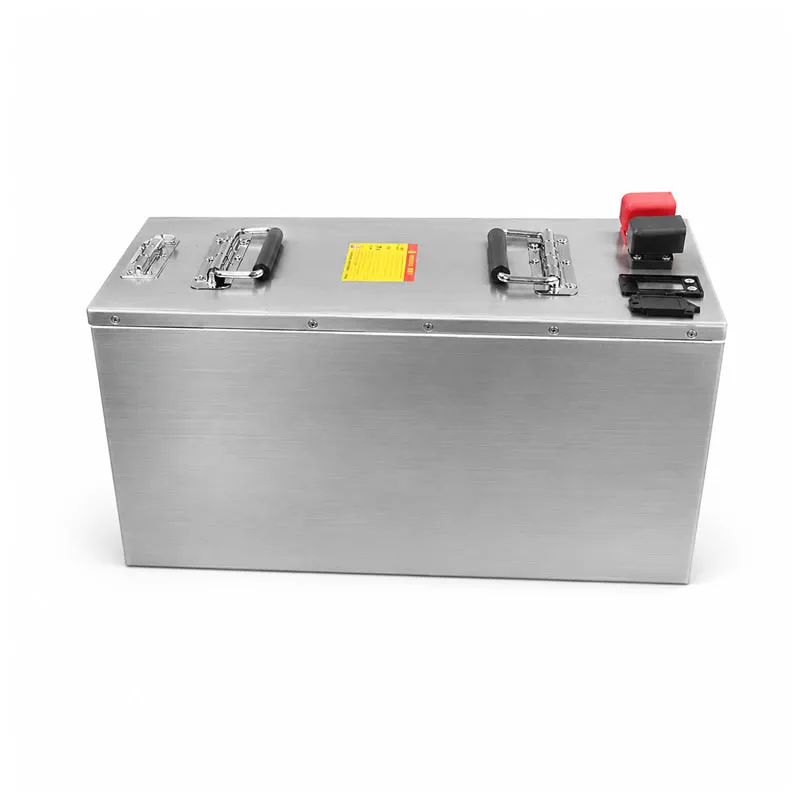
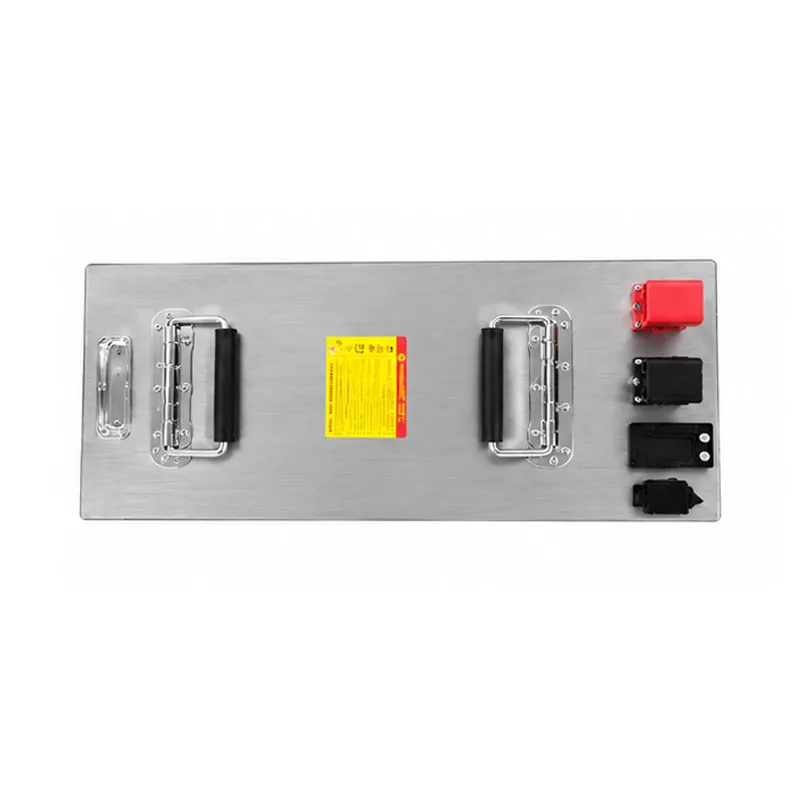
For users who want a direct product option for compatible carts, the 36V 160Ah LFP golf cart battery can be considered for suitable 36V applications.
Can You Upgrade a 36V Golf Cart to 48V?
Yes, some 36V golf carts can be upgraded to 48V, but it is not always a simple battery swap. A safe upgrade requires checking whether the cart’s electrical components can handle the higher voltage.
The controller is one of the first parts to check. If the controller is only rated for 36V, using a 48V battery may damage it. The charger also needs to match the new battery voltage and chemistry. Wiring, solenoid, motor condition, and battery compartment space should also be evaluated.
Some motors may tolerate a voltage upgrade, but this should not be assumed. For safety and long-term reliability, the upgrade should be confirmed with the cart manufacturer, battery supplier, or a qualified technician.
When comparing a 48V vs 36V golf cart battery, buyers should remember that 48V offers stronger performance, but only when the full system is designed or upgraded correctly.
Which Battery Is Better for Commercial Golf Carts?
For commercial golf carts, 48V is usually the stronger choice. Businesses need stable performance, reliable operation, lower downtime, and better long-term value.
A 48V lithium battery is especially suitable for rental fleets, resorts, campuses, airports, hotels, maintenance teams, industrial parks, and utility vehicles. These carts often operate for long hours, carry passengers or equipment, and need consistent power.
A 36V battery may still be useful for lower-demand applications, especially where the route is short and the vehicle is lightly loaded. But for heavy-use environments, a 36V system may reach its limits faster.
For B2B buyers comparing a 48V vs 36V golf cart battery, the better choice usually depends on return on investment. If stronger performance, lower maintenance, and better uptime are important, 48V lithium batteries are usually more suitable.
Which Battery Should Individual Golf Cart Owners Choose?
For individual owners, the choice of 48V vs 36V golf cart battery depends on driving style and budget.
Choose a 36V golf cart battery if your cart is already a 36V model, your routes are short, the terrain is mostly flat, and you mainly want a cost-effective replacement. A lithium 36V battery can still provide a meaningful upgrade from lead-acid batteries.
Choose a 48V golf cart battery if you want better acceleration, stronger hill climbing, better load handling, and more efficient performance. It is also better for owners who use the cart frequently or plan to upgrade the vehicle for stronger performance.
In short, the 48V vs 36V golf cart battery choice should be based on actual use. A light-duty cart does not always need 48V, but a demanding cart should not be limited by an underpowered battery system.
Frequently Asked Questions About 48v vs 36v Batteries
1.Is a 48v golf cart battery always better than a 36v battery?
No. A 48V battery usually provides better performance, stronger torque, and higher efficiency under load. However, a 36V battery can still be a good choice for older carts, light use, flat terrain, and lower-budget replacement projects.
2.Can I upgrade my 36v golf cart to 48v?
Yes, some carts can be upgraded, but the motor, controller, charger, wiring, solenoid, and battery compartment must be checked first. A 48V upgrade should not be treated as a simple battery replacement unless the full system is compatible.
3.Does a 48V battery make a golf cart faster?
A 48V system can improve acceleration and may support higher speed depending on the cart’s motor, controller, gearing, and settings. However, speed also depends on the full vehicle system, not only the battery voltage.
4.How long does a 36V or 48V golf cart battery last?
Lead-acid golf cart batteries often last around 3 to 5 years depending on maintenance and usage. Lithium golf cart batteries, especially LiFePO4 batteries, can last much longer with correct charging and proper operating conditions.
5.Which is better for fleet use, 48V or 36V?
For most fleet applications, 48V is usually better because it offers stronger performance, better efficiency, and more stable operation under frequent use. A 36V system is more suitable for lighter-duty carts and lower-demand routes.
Conclusion
The 48V vs 36V golf cart battery decision should be based on workload, compatibility, driving conditions, and long-term value.
Choose a 36V battery if you need a simple, cost-effective replacement for an older or light-duty golf cart. It is suitable for short routes, flat terrain, and users who do not need strong acceleration or heavy-load performance.
Choose a 48V battery if you need better speed, stronger hill climbing, improved efficiency, and more reliable performance for frequent use. For commercial fleets, resorts, campuses, and utility vehicles, 48V lithium batteries are usually the better long-term investment.
For B2B buyers and project customers, the right battery is not just about voltage. It should match the cart system, charger, controller, payload, working hours, maintenance expectations, and total cost of ownership.
If you are comparing battery options for replacement or upgrade projects, FEBATT’s golf cart battery solutions can help match the right lithium battery system to different golf cart applications.