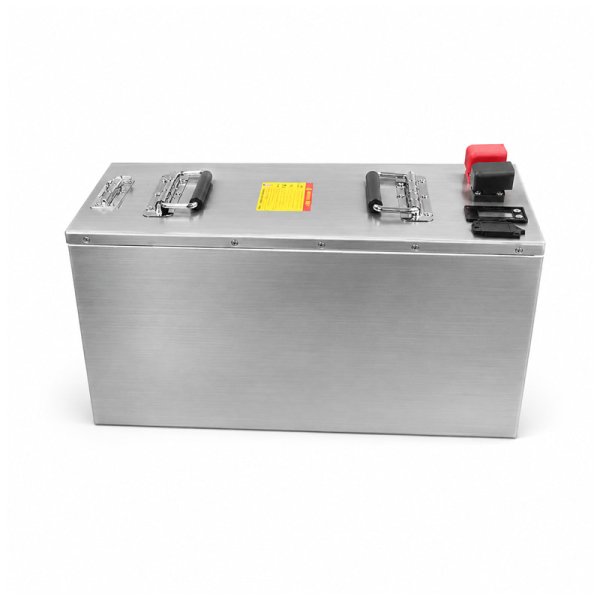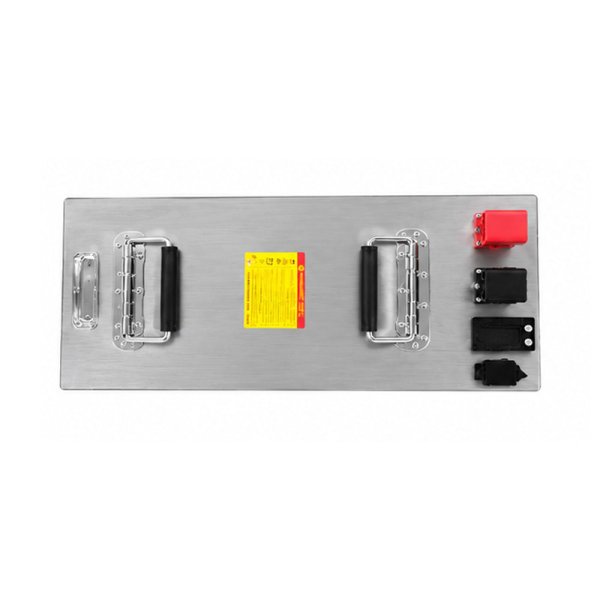
A single battery bank looks efficient on a vessel drawing, until refrigeration, instruments, or deck lighting consume the energy needed for the next engine start. For marine OEMs and fleet operators, a dual purpose marine battery is viable only when it can deliver verified cranking performance after a realistic period of auxiliary use. The decision is whether one protected system can meet both duties across the fleet’s schedules and failure scenarios.
Before approving a dual purpose marine battery, OEMs should complete seven checks: vessel duty suitability, engine cranking performance, protected restart reserve, shared versus separate battery architecture, marine installation safety, alternator and charger compatibility, and documented pilot acceptance. These checks help determine whether one battery bank can reliably support both starting and house loads.
Which Marine OEM and Fleet Applications Suit a Dual Purpose Marine Battery?
A dual purpose marine battery combines short-duration starting capability with repeated energy delivery to onboard electrical loads. It can simplify compact single-engine boats, but a dual purpose marine battery must match the operating profile—not vessel length alone.
| Fleet application | Potential fit | OEM qualification priority |
|---|---|---|
| Small inspection or harbor-support craft | Conditional, if engine-off loads are short | Reliable restart after an unscheduled stop |
| Tender, utility, or light-duty rental fleet | Often worth evaluating | Predictable reserve across many operators |
| Fishing-support or survey boat | Depends on electronics and standby duration | Protect navigation and engine-start margin |
| Passenger-service or mission-critical workboat | Frequently better served by segregated banks | Fault tolerance and continuity of essential loads |
Start with a load ledger: engine starts per shift, time at anchor, navigation electronics, communications, pumps, lighting, refrigeration, and seasonal standby consumption. A dual purpose marine battery suited to occasional deck lighting may fail a long watch with refrigeration and sensors.
Model the worst credible day: extended port delays, repeat starts, and cold mornings. Screen engine-maker restrictions before testing.
What Cranking and Engine Restart Tests Must OEMs Require?
For a dual purpose marine battery, high advertised peak current is not proof of repeatable engine starts. Starting depends on pulse current, duration, voltage sag, temperature, and state of charge (SOC), all matched to engine-maker requirements.
A dual purpose marine battery supplier should provide a time-current trace from a complete, production-representative pack—not a cell-only rating. Require voltage-sag and BMS data. Engine programs may prescribe cranking and reserve-capacity limits specific to their models.
Qualification sequence for a dual purpose marine battery:
- Record the engine’s verified starting-current profile and manufacturer acceptance criteria.
- Precondition the pack at its minimum allowed operating temperature and defined residual SOC.
- Apply the realistic house-load profile, then perform the required first and repeat starts.
- Confirm no nuisance BMS trip, unacceptable voltage collapse, or loss of essential electronics.
- Repeat after aging simulation or at the specified end-of-life capacity threshold.

A dual purpose marine battery that passes a warm, fully charged bench start may still fail in service after a prolonged engine-off watch. Do not substitute a general deep-cycle discharge rating for explicit engine-cranking approval. Record the dual purpose marine battery test limits, engine family, ambient conditions, and firmware revision.
How Can Fleet Operators Protect Restart Reserve While Supplying House Loads?
A dual purpose marine battery has one fundamental design conflict: auxiliary users want maximum runtime, while the captain needs a non-negotiable restart margin. Protect the dual purpose marine battery with a measured restart-reserve policy, not an arbitrary SOC percentage.
First, calculate house demand from measured power, duty factor, and operating hours. Include conversion losses and dormant loads, then establish the dual purpose marine battery reserve needed for adverse-condition starts. Validate that reserve at low temperature and at the agreed service-life endpoint.
A practical control strategy has three layers:
- Visible warning: Display the validated restart-reserve status and provide a clear warning before discretionary loads threaten the energy needed for engine starting.
- Selective load shedding: Disconnect nonessential refrigeration, convenience outlets, or work lights at validated thresholds, without interrupting designated safety circuits.
- Independent recovery plan: Define manual isolation, fault diagnostics, and a second-start contingency before fleet deployment.

Because LiFePO4 has a relatively flat voltage curve across much of its SOC range, terminal voltage alone is a poor reserve indicator. For a dual purpose marine battery, ask how the BMS estimates SOC, handles estimation drift, and communicates imminent discharge limits.
A low-SOC cutoff does not guarantee restarting. A dual purpose marine battery must shed discretionary loads before protection isolation; prove this aboard after realistic house duty.
When Are Separate Starting and House Banks the Safer Fleet Architecture?
One dual purpose marine battery is not automatically cheaper once downtime is priced. Separate banks let hotel loads run down without consuming the dedicated starting reserve.
| Choose a shared dual-purpose bank when… | Favor separate banks when… |
|---|---|
| House demand is modest and tightly controlled | Overnight or prolonged engine-off loads are substantial |
| One engine and a simple distribution system are used | Multiple engines or critical services need segregation |
| Restart reserve is validated with automatic load shedding | Unplanned shutdown would threaten safety or service continuity |
| An approved recovery arrangement is practicable | Operators require independent redundancy or rapid fault isolation |
For patrol, passenger, or long-shift vessels, separate banks are often safer. A dual purpose marine battery requires a documented risk assessment supporting shared duty.
Where separate banks are required, the house-side sizing question is different: sustained energy delivery, load prioritization, and cycling life take precedence over engine cranking. This commercial deep-cycle marine battery guide explains that architecture’s auxiliary-power requirements without conflating them with starting duty.
Judge the dual purpose marine battery architecture by vessel uptime and recoverability, not unit price alone.
Which Installation and Safety Conditions Can Disqualify a Battery?
Even a dual purpose marine battery that passes electrical tests can be rejected if its protective behavior conflicts with the vessel. LiFePO4 packs must be explicitly designed and approved for starting where the engine manufacturer permits them; ordinary deep-cycle lithium batteries are not interchangeable cranking batteries.
The dual purpose marine battery installation review covers enclosure location, restraint, vibration, moisture, cable protection, fuse coordination, disconnect access, and ignition hazards. An IP label alone does not prove corrosion resistance.
Alternator behavior deserves special scrutiny. A sudden lithium BMS disconnect can create a problematic charging-system transient if the alternator and protection architecture are not designed for it. Review alternator regulation, charging controls, shore-power settings, cold-temperature inhibition, and fault isolation.
For a dual purpose marine battery, alarm routing and protective logic must be integrated with helm displays and essential circuits. This marine battery management system safety guide addresses the wider interface between battery alarms, fault isolation, and vessel controls.
In North American small-craft projects, ABYC E-13:2025 covers lithium-ion battery design and installation, including cranking applications. ISO 23625:2025 addresses selection, installation, and manufacturer safety information for lithium battery systems above 500 Wh on small craft. Obligations vary by vessel and jurisdiction; dual purpose marine battery paperwork alone cannot certify the installation.
What Should Marine OEMs Demand in a Dual Purpose Battery RFQ?
A useful RFQ transforms the phrase dual purpose marine battery into measurable acceptance criteria. Send prospective suppliers the engine model, onboard load schedule, operating geography, engine-off duration, annual fleet hours, vessel drawings, and projected production quantities. Require a written exceptions list wherever a proposed dual purpose marine battery falls outside those parameters.
Request these seven deliverables before prototype approval:
- Application matrix: Approved engine families, defined house loads, start frequency, and operational exclusions.
- Performance evidence: Pack-level cranking traces, repeat-start tests, usable house energy, temperature derating, and end-of-life assumptions.
- Control specification: BMS current limits, restart-reserve logic, SOC indication, fault codes, and load-shedding interfaces.
- Charging integration: Alternator and charger compatibility, fault transients, and prescribed installation protections.
- Marine validation: Mounting drawings, environmental tests, applicable standards assessment, and emergency-service instructions.
- Production governance: Approved bill of materials, firmware baseline, inspection records, lot traceability, and change notification.
- Commercial support: Pilot quantity, delivery consistency, warranty boundaries, replacement plan, and fleet-wide service response.

Do not approve a dual purpose marine battery solely because its brochure lists both “starting” and “deep cycle.” Ask for a witnessed vessel trial: operate real house loads, reach the protected reserve, restart repeatedly, and test simulated faults. Use identical criteria for pilot and production units.
For marine OEMs planning a custom pack, this application-matched power battery solutions offer a pathway to discuss configuration, BMS integration, qualification samples, and repeat-order requirements. Any proposed dual purpose marine battery still needs project-specific validation and engine-maker compatibility before fleet approval.
Frequently Asked Questions About Dual Purpose Marine Batteries
Q: Can a LiFePO4 battery be used as a dual purpose marine battery?
A: Yes, but only a LiFePO4 pack specifically rated for engine cranking and house-load cycling. Verify engine approval, pulse-current testing, BMS behavior, charging compatibility, and marine installation requirements.
Q: Is a dual purpose marine battery suitable for commercial boats?
A: A dual purpose marine battery can suit compact craft with controlled house loads and validated restart reserve. Passenger, patrol, or extended-duty fleets may require separate banks for resilience and operational continuity.
Q: What happens if house loads discharge a dual purpose battery?
A: An overdrawn shared bank may no longer crank the engine, even if some electronics still work. Warning thresholds, staged load shedding, and a tested recovery arrangement must preserve the defined restart reserve.
Q: Should a boat use one dual purpose battery or two separate banks?
A: Use one validated shared bank only when loads, engine requirements, and risk justify it. Separate starting and house banks are preferable when extended engine-off duty or essential services demand isolation.
Q: What documents should OEMs request for a lithium dual purpose marine battery?
A: Request pack-level cranking results, BMS limits, charger and alternator approvals, environmental test reports, drawings, applicable compliance evidence, production traceability, and warranty terms.
Qualify the Vessel Duty Cycle Before the Fleet Purchase
For marine OEMs considering a shared starting and house-power battery system, send FEBATT the vessel application, engine details, house-load ledger, installation envelope, fleet volume, and required validation protocol. Request a dual purpose marine battery engineering review and production-representative sample plan—not a generic capacity quote.