

18650 48V 10Ah Reliable Li-ion Battery for Lower Limb Rehabilitation Training Robot Custom | Medical-Grade Power Solution
Introduction
In the field of medical robotics, where precision and reliability are paramount, the 18650 48V 10Ah Li-ion Battery for Lower Limb Rehabilitation Training Robot Custom stands out. This battery—specifically engineered as a Battery for Lower Limb Rehabilitation Training Robot—delivers stable power, advanced safety, and tailored performance for lower limb rehabilitation training robots. Whether in clinics or for medical device manufacturers, the 18650 48V 10Ah Li-ion Battery for Lower Limb Rehabilitation Training Robot Custom ensures consistent operation, critical for effective patient care.
Core Specifications
| Parameter | Value | Significance for Rehabilitation Robots |
|---|---|---|
| Battery Type | 18650 Li-ion | High energy density, ideal for the Battery for Lower Limb Rehabilitation Training Robot |
| Nominal Voltage | 48V | Matches power needs of lower limb rehabilitation training robots for smooth motion |
| Rated Capacity | 10000mAh (10Ah) | Enables extended therapy sessions for lower limb rehabilitation training robots |
| Charge Voltage | 54.6V | Ensures safe charging for the 18650 48V 10Ah Li-ion Battery for Lower Limb Rehabilitation Training Robot Custom |
| Charge Current | ≤5A | Protects the Battery for Lower Limb Rehabilitation Training Robot from overcharging |
| Discharge Current | 10A | Powers motors/controls in lower limb rehabilitation training robots reliably |
| Discharge Cut-off Voltage | 36.4V | Extends lifespan of the 18650 48V 10Ah Li-ion Battery for Lower Limb Rehabilitation Training Robot Custom |
| Weight | 2000g | Lightweight for easy integration into lower limb rehabilitation training robots |
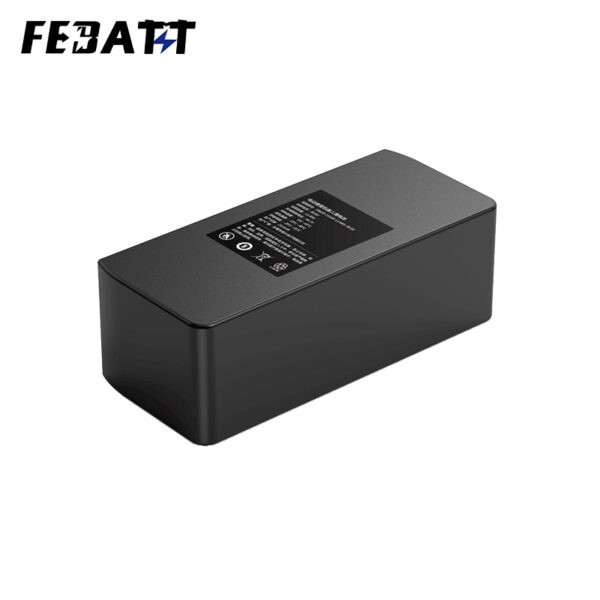
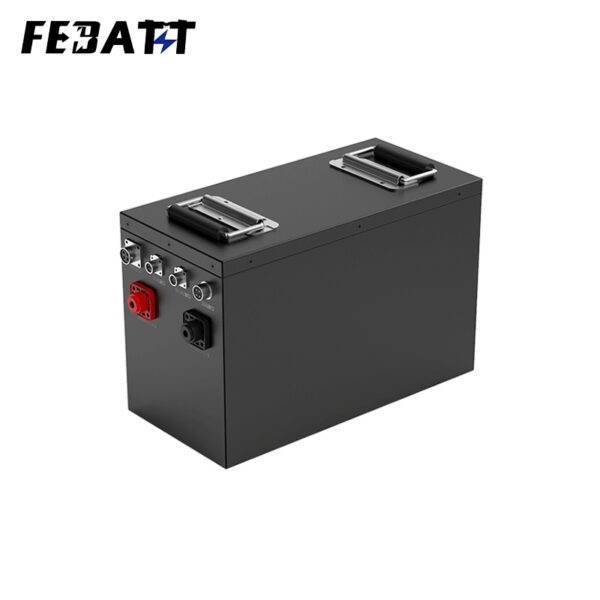
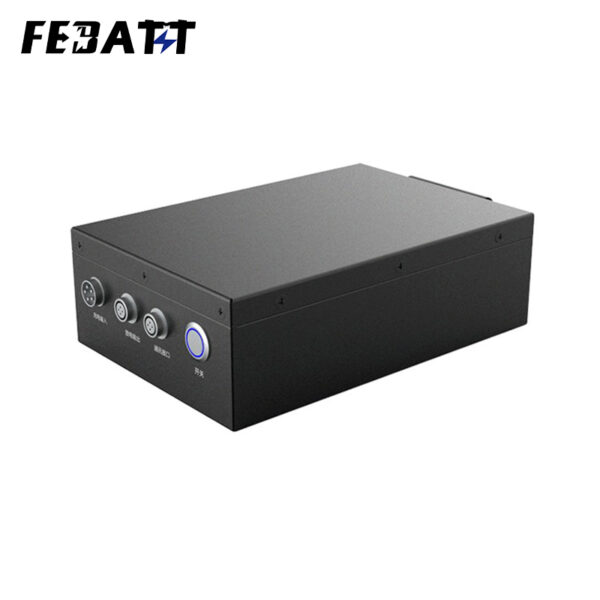
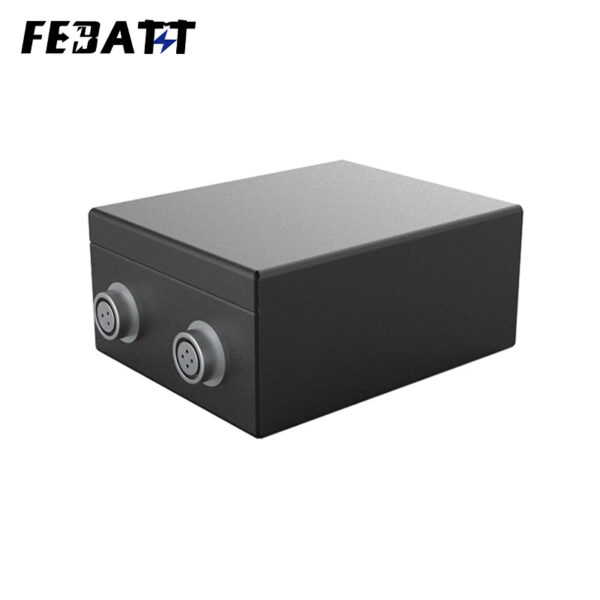
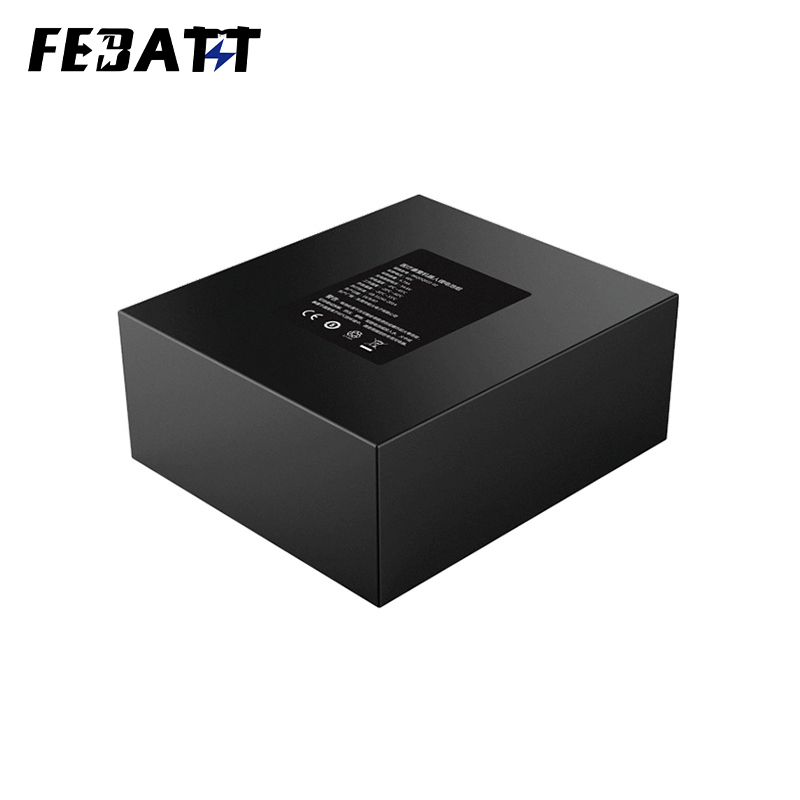
| Dimension | 160×140×65mm | Compact to fit seamlessly in lower limb rehabilitation training robots |
| Operating Temperature | -10℃~60℃ | Functions in all clinical environments for Battery for Lower Limb Rehabilitation Training Robot |
| Application | 18650 48V 10Ah Li-ion Battery for Lower Limb Rehabilitation Training Robot Custom | Specialized for medical robotics |
| Safety Features | 6-layer protection (short circuit, overcharge, etc.) | Critical for patient safety in lower limb rehabilitation training robots |
Why This Battery Dominates Medical Robot Use Cases
1. Precision Power for Rehabilitation Robots
The 18650 48V 10Ah Li – ion Battery for Lower Limb Rehabilitation Training Robot Custom is designed to deliver 48V of stable power, which is crucial for lower limb rehabilitation robots:
- Smooth Motion During Therapy: It ensures that the robots can provide smooth and consistent motion during therapy sessions. This is vital for patients undergoing lower limb rehabilitation, as any jerks or interruptions could disrupt the therapeutic process and potentially cause discomfort or injury.
- Extended Session Support: With a 10Ah capacity, the battery can support multi – patient therapy sessions without the need for mid – day recharges. This allows clinics to optimize their workflow and provide continuous care to patients.
2. Medical – Grade Safety
As a Custom battery designed for medical use, it incorporates a comprehensive set of safety features:
- Six – Layer Protection: The battery includes protection against short circuits, overcharge, overdischarge, overtemperature, overcurrent, and ESD (Electrostatic Discharge). These safety measures are of utmost importance for patient – facing medical devices, as they prevent potential hazards during therapy.
- Compliance with Medical Standards: It is tailored to meet ISO 13485 medical device standards. Moreover, it can be customized to meet the specific regulatory and quality requirements of different medical device manufacturers, ensuring seamless integration into their rehabilitation robot systems.
3. Compact and Lightweight Design
The battery’s dimensions of 16014065mm and weight of 2000g offer significant advantages for lower limb rehabilitation training robots:
- Seamless Integration: Its compact size allows for easy and seamless integration into the robot’s design. This means that the battery does not add unnecessary bulk to the robot, ensuring that the robot’s form factor remains optimized for patient use and maneuverability.
- Maneuverability of the Robot: The lightweight nature of the battery contributes to the overall maneuverability of the lower limb rehabilitation training robot. This is especially important in clinical settings where the robot may need to be moved around frequently to accommodate different patients and therapy areas.
Comparison with Other Common Medical Robot Batteries
To further illustrate the superiority of the 18650 48V 10Ah Li-ion Battery for Lower Limb Rehabilitation Training Robot Custom, let’s compare it with other common lithium-ion battery models used in rehabilitation training robots:
| Battery Model | Voltage | Capacity | Safety Features | Application Suitability for Lower Limb Rehab Robots | Lifespan |
|---|---|---|---|---|---|
| Our Custom Battery | 48V | 10Ah | 6 – layer protection (short circuit, overcharge, etc.) | High – perfectly matches power and safety needs | Long (due to advanced protection and quality cells) |
| Standard Battery A | 44V | 8Ah | Basic overcharge protection | Moderate – lower voltage and capacity may limit performance | Medium |
| Standard Battery B | 50V | 12Ah | Overcharge and short circuit protection only | Moderate – higher voltage may not be optimized for most rehab robots | Medium |