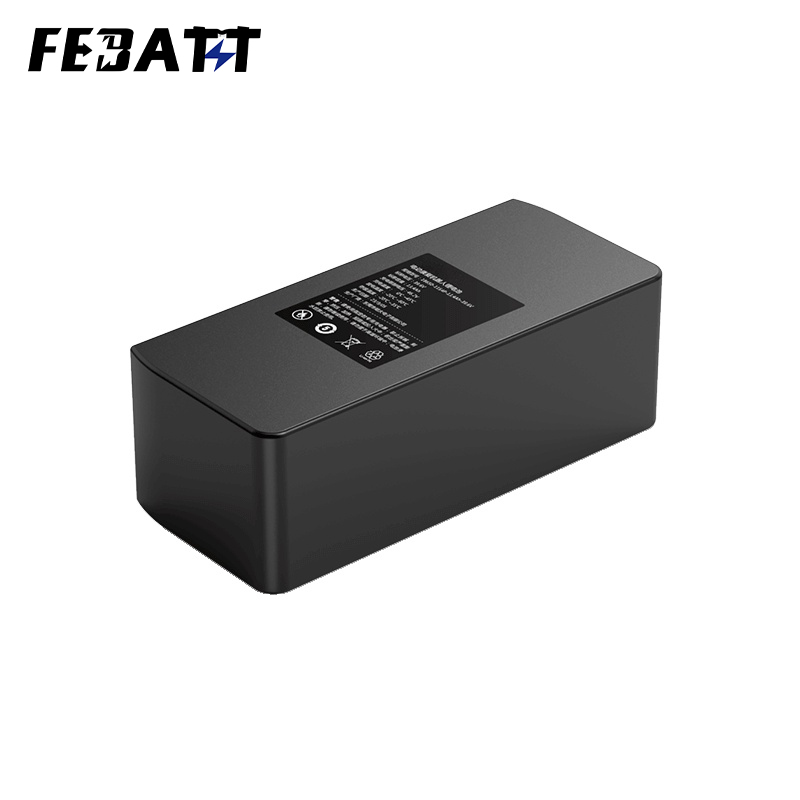
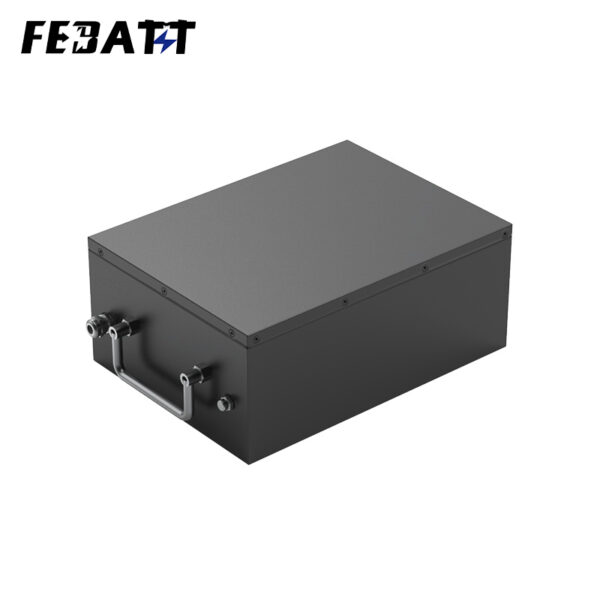
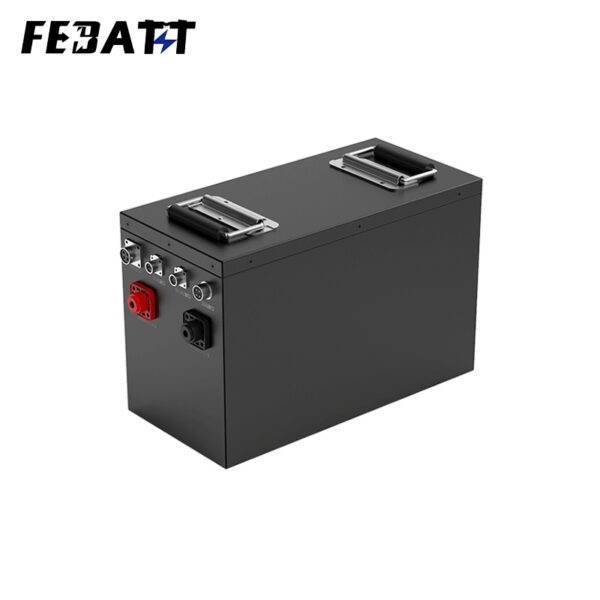
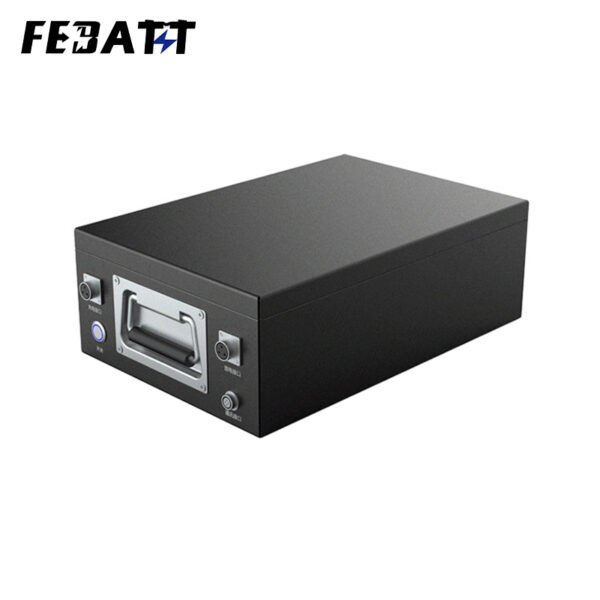
18650 39.6V 13.4Ah Li-ion Battery for Medical Rehabilitation Equipment
39.6V 13.4Ah Li – ion Battery for Medical Rehabilitation Equipment: 18650 cells, 13.4Ah capacity, – 20~60℃. Reliable power for rehabilitation robots, medical devices—ideal for healthcare facilities.
Nominal Voltage:39.6V
Rated Capacity:13400mAh
Dimension:207*90*70mm
Charge Voltage:46.2V
Charge Current:≤6.2A
Discharge Current:≤20A
Discharge Cut-off Voltage:30.8V
Weight:2200g
Operating Temperature:-20~60℃
Application:Electric robot, electric equipment, medical rehabilitation equipment
18650 39.6V 13.4Ah Li – ion Battery for Medical Rehabilitation Equipment | Reliable Power for Healthcare Robotics
Introduction
Engineered for healthcare precision, the 18650 39.6V 13.4Ah Li – ion Battery for Medical Rehabilitation Equipment delivers stable, long – lasting power. As a critical Battery for Medical Rehabilitation Equipment, it integrates 18650 cells, 39.6V output, and 13.4Ah capacity—ideal for electric rehabilitation robots, medical assist devices, and healthcare automation systems.
Core Specifications
Parameter
Value
Medical Robot Impact
Nominal Voltage
39.6V
Matches Battery for Medical Rehabilitation Equipment power needs
Rated Capacity
13400mAh (13.4Ah)
Powers extended rehabilitation sessions
Battery Type
18650 Li – ion
High – energy density for medical devices
Operating Temperature
– 20~60℃
Withstands hospital, clinic, and home environments
Application
Medical rehabilitation equipment
Specialized for Medical Robot Battery use
Why This Li – ion Battery Dominates Medical Rehabilitation
1. Stable Power for Healthcare Devices
The 39.6V 13.4Ah Li – ion Battery for Medical Rehabilitation Equipment ensures:
“39.6V Consistent Output: Powers electric rehabilitation robots, ensuring smooth motor function and precise therapy delivery.”
“13.4Ah Long Runtime: Supports 8 + hours of continuous use in medical assist devices—no mid – session interruptions.”
2. Rugged Design for Medical Environments
With 18650 cells and – 20~60℃ operation:
“Shock – Resistant Casing: Survives drops, vibrations in medical settings—no damage to battery or device.”
“Wide Temp Adaptation: Works in hospital ICUs (25℃), home care (30℃), and cold storage (- 20℃).”
“Multi – Layer Safety: Prevents risks in medical rehabilitation equipment—critical for patient – facing devices.”
“Reliable Performance: Maintains 80% capacity after 500+ cycles—low maintenance for healthcare facilities.”
Application Scenarios
1. Electric Rehabilitation Robots
The Li – ion Battery for Medical Rehabilitation Equipment powers:
“Leg – Therapy Robots: 39.6V output supports motorized leg lifts, gait training for stroke patients.”
“Upper – Limb Rehab Devices: 13.4Ah capacity enables 6 + hours of continuous arm – movement therapy.”
2. Medical Assist Devices
For healthcare automation:
“Patient – Lifting Robots: Stable 39.6V power ensures safe, smooth lifting of disabled patients.”
“Home Care Rehabilitation Tools: Works in – 20~60℃, reliable for elderly/homebound therapy sessions.”
FAQ
Q1: What applications are medical robot batteries designed for?
A: Medical robot batteries are used in applications such as rehabilitation robots, surgical robotic equipment, hospital logistics robots, and other mobile or electrically powered healthcare robotic systems. The battery must be matched to the robot’s voltage, runtime, load profile, available installation space, charging method, and control interface rather than selected by capacity alone.
Q2: How do I choose the right battery for a medical rehabilitation or surgical robot?
A: Start with the robot’s required voltage, usable capacity, continuous and peak current, target runtime, available battery space, weight limit, charging requirements, and communication interface. For medical rehabilitation and surgical robotic equipment, stable power delivery and predictable integration are especially important, so the battery should be engineered around the complete operating profile of the equipment.
Q3: Can FEBATT customize battery packs for medical robot manufacturers?
A: Yes. FEBATT can develop custom medical robot battery packs according to project requirements, including voltage, capacity, cell configuration, dimensions, housing, connector type, BMS settings, charging parameters, and communication interfaces. Customization is particularly useful when rehabilitation or surgical robots have restricted installation space or non-standard electrical requirements.
Q4: What battery chemistries are used for medical robot applications?
A: Rechargeable lithium-ion chemistries, including LiFePO4 and other lithium-ion configurations, can be used in medical robot applications. The appropriate chemistry depends on required energy density, cycle life, discharge performance, size, weight, and operating conditions. Chemistry should therefore be selected according to the specific medical robot design rather than treated as a one-size-fits-all choice.
Q5: How does the BMS protect a medical robot battery?
A: A Battery Management System (BMS) monitors key battery conditions such as voltage, current, and temperature and can provide protection against overcharge, over-discharge, overcurrent, short circuit, and abnormal temperature conditions. Depending on the battery configuration, the BMS may also support state-of-charge estimation, fault information, cell balancing, and communication with the robot controller.
Q6: What factors affect the service life of a medical robot battery?
A: Service life depends on battery chemistry, depth of discharge, charge and discharge rate, operating temperature, charging strategy, and the robot’s duty cycle. As a reference, selected FEBATT robot battery configurations are rated for 2,000+ cycles at 80% depth of discharge (DoD). The actual cycle-life rating for a medical robot battery should always be confirmed for the selected model and operating conditions.
Q7: How do continuous and peak current requirements affect battery selection?
A: Medical robots can have different power demands during movement, lifting, actuator operation, computing, or other peak-load events. The battery must provide sufficient continuous current for normal operation and adequate peak current for short-duration load increases without excessive voltage drop or protection shutdown. These current requirements should be defined during battery selection and matched to the BMS and cell configuration.
Q8: What communication interfaces can be integrated into medical robot batteries?
A: Depending on the project, medical robot battery systems can be configured with communication interfaces such as CAN or RS485 for data exchange with the robot controller. These interfaces can support information such as state of charge, voltage, current, temperature, and fault status. The required protocol, message format, and communication logic should be confirmed during system integration.
Q9: How do size and weight constraints affect medical robot battery design?
A: Size and weight can directly affect robot mobility, balance, enclosure design, and serviceability. FEBATT’s published medical robot battery examples include compact configurations such as 25.2V 2.9Ah as well as higher-capacity configurations such as 22.4V 50Ah, showing that battery architecture can vary substantially by application. A custom pack should be designed around the actual installation envelope and weight target of the robot.
Q10: What is the typical lead time for custom or bulk AGV robot battery orders?
A: Charging current, charger voltage, target runtime, duty cycle, allowable charging window, and whether the robot charges between operating periods should all be defined before the battery is finalized. For example, one published 48V 10Ah rehabilitation robot battery specifies a charge current of up to 5A and a 10A discharge current, illustrating why charging and load requirements must be matched to the individual battery model rather than assumed across the full product range.