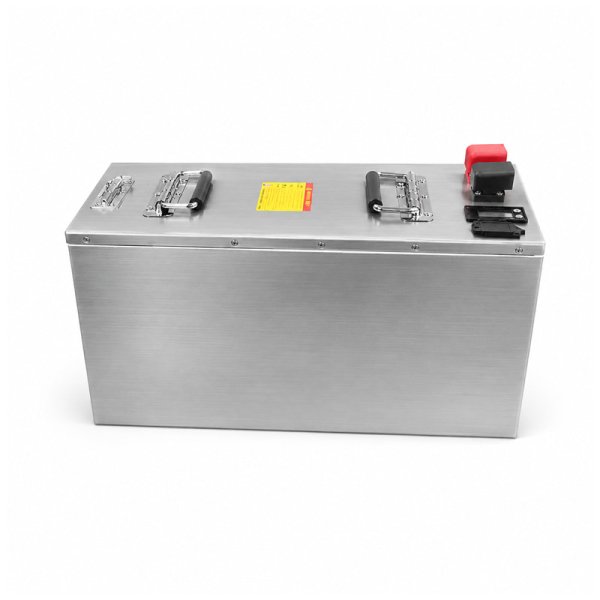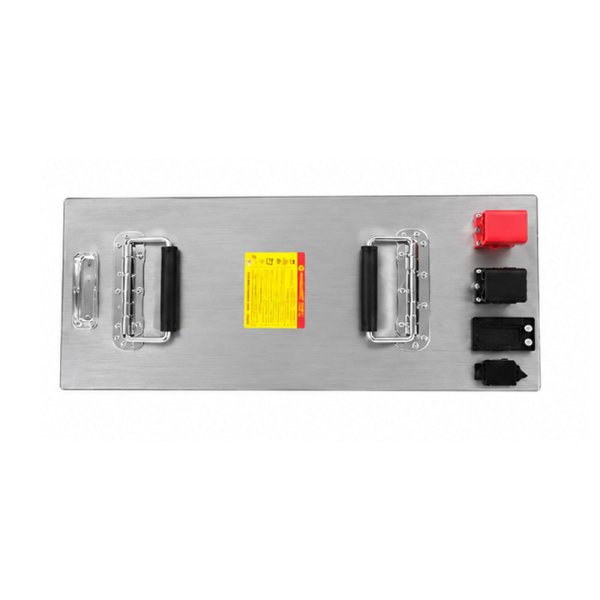
Lead-acid batteries still show up in a lot of sleeper cab setups because they are familiar and relatively cheap. But once a truck begins powering fans, lights, chargers, fridges, and climate gear for hours at a time, the limits become obvious. That is where a lithium deep cycle battery starts to look less like a luxury and more like a practical answer.

What does sleeper cab power actually demand?
A sleeper cab is not a normal vehicle cabin. Once the engine is off, the truck becomes a small living space, and that changes the battery load completely. Lights, ventilation, phone charging, temperature control, and sometimes refrigeration all need power for long periods. That is why a lithium deep cycle battery is so often discussed in sleeper cab setups. It is not just about starting the truck. It is about keeping life in the cab comfortable after the engine stops.
The challenge is that the loads are often small in watts but large in time. A fan may not use much power by itself, but if it runs all night, the total demand becomes significant. The same is true for LED lighting, device chargers, routers, small fridges, or even seat heaters in some setups. A lead-acid battery may handle a short stop reasonably well, but long overnight use is another matter. A lithium deep cycle battery is built for the kind of repeated cycling and deeper discharge that sleeper cab power requires.
This is where many drivers first notice the difference. With lead-acid, the battery voltage often falls faster than expected. That can make fans slow down, lights dim, or electronics shut off sooner than planned. A lithium deep cycle battery tends to hold voltage more consistently, which makes the cab feel more stable and predictable. That stability matters when the cab is also the place where the driver sleeps, eats, and rests.
The practical question is simple: does the battery need to start the truck, or does it need to support living loads while parked? If the answer is the second one, a lithium deep cycle battery usually deserves serious attention. It is designed for the job in a way that lead-acid often is not.
Why do lead-acid batteries struggle in overnight truck use?
Lead-acid batteries can work in sleeper cabs, but they are rarely the best match for overnight duty. Their biggest weakness is that they do not like deep discharge. The more often they are pulled down and recharged, the faster their usable life tends to shrink. That becomes a real problem when a truck sits overnight with fans, lights, and other accessories running. A lithium deep cycle battery is much more forgiving in that same pattern.
The issue is not just capacity. It is how the battery ages when it is used hard. Lead-acid batteries suffer when they spend too much time partially discharged. If the truck is parked for long breaks and the battery is not fully restored, sulfation can begin to build. Over time, that reduces performance and shortens lifespan. A lithium deep cycle battery does not face the same sulfation problem, so it usually stays healthier under the same kind of routine use.
There is also the matter of voltage drop. Lead-acid batteries tend to sag as they discharge, and sleeper cab systems can feel that immediately. Fans lose speed. Chargers become less stable. Small appliances start acting less reliably. A lithium deep cycle battery keeps voltage steadier through more of its usable range, which means the cab equipment behaves better for longer.
Lead-acid also loses practical value because its usable capacity is often lower than its label suggests. In theory, a battery may have a decent amp-hour rating. In practice, drivers usually avoid using the full amount if they want the battery to last. That means the real overnight support is often less than expected. A lithium deep cycle battery can generally use a larger portion of its stored energy without being damaged as quickly.
A few common lead-acid problems in sleeper cabs are worth remembering:
- Faster voltage sag under load
- Shorter runtime for fans and accessories
- More damage from deep discharge
- Slower recovery after overnight use
- Reduced battery life in repeated cycling
That is why many drivers eventually feel like lead-acid is always “almost enough” but not quite. For sleeper cab power, almost enough can become a daily annoyance. A lithium deep cycle battery usually solves that problem more cleanly.
How does a lithium deep cycle battery change the picture?
A lithium deep cycle battery changes the picture because it is built around the exact kind of use sleeper cabs create. It is meant to deliver power over time, recover efficiently, and handle repeated cycling without the same kind of wear that hurts lead-acid batteries. For truck drivers, that translates into more usable overnight power and fewer worries about the morning start.
One of the biggest differences is usable capacity. A lithium deep cycle battery can often use more of its stored energy while still maintaining healthy cycle life. That means the driver gets more real-world runtime from the same nominal battery size. If the cab needs to stay cool, quiet, and powered through a long rest period, that extra usable energy becomes very valuable.
Another major advantage is how the battery behaves during discharge. A lithium deep cycle battery usually holds voltage more steadily. Fans keep turning at a more consistent speed. USB chargers stay reliable. Small appliances behave better. In a sleeper cab, those details matter because comfort is made up of small things working correctly over many hours.
The charging side is also better in many truck applications. A lithium deep cycle battery can often recharge faster and accept charge more efficiently than lead-acid, especially when the charging system is set up properly. That is a big help for trucks that do not have much driving time between stops. If the battery can recover quickly, the driver is less likely to begin the next rest period already behind.
Here is where the practical gains usually show up:
- Longer usable runtime
- Better voltage stability
- Faster recharge after driving
- More consistent cab comfort
- Longer service life in cycling applications
A lithium deep cycle battery is not just an upgrade in chemistry. It is an upgrade in how the cab behaves during rest. For drivers who rely on overnight power, that difference can be felt every single day.

What matters most: usable capacity, voltage stability, or cycle life?
All three matter, but sleeper cab use tends to expose the weakness of lead-acid in a very specific order. First, usable capacity becomes important because the cab needs power for hours. Then voltage stability becomes important because equipment needs to run cleanly. After that, cycle life becomes critical because the battery has to survive this pattern over and over again. A lithium deep cycle battery generally does well in all three areas.
Usable capacity is often the first number drivers focus on, but it can be misleading if you do not think in practical terms. Two batteries may look similar on paper, but if one is a lead-acid battery that should not be deeply discharged and the other is a lithium deep cycle battery that can use more of its stored energy, the real runtime is very different. The label is only part of the story.
Voltage stability matters because sleeper cab loads are not always gentle. A fan may still run when the voltage drops, but it may slow down or become noisy. A fridge or inverter may be even more sensitive. A lithium deep cycle battery tends to keep the system in a more usable voltage range for longer. That keeps the cab environment more comfortable and more predictable.
Cycle life is where the long-term cost picture becomes obvious. Lead-acid batteries can be fine when they are mostly used for starting and lightly cycled. But in sleeper cabs, they are often cycled much harder than that. Repeated overnight use wears them down. A lithium deep cycle battery is better suited to that routine and usually lasts longer when it is used that way.
A useful way to compare them:
- Usable capacity: lithium deep cycle battery usually wins
- Voltage stability: lithium deep cycle battery usually wins
- Cycle life: lithium deep cycle battery usually wins
- Upfront price: lead-acid often wins
- Ease of familiarity: lead-acid often wins
For sleeper cab power, the first three matter more than the last two. That is why many truck owners move away from lead-acid once they begin using the battery overnight on a regular basis.
Why do charging habits make lead-acid even weaker?
Charging habits can make or break battery life, and this is where lead-acid batteries often fall behind even more. A sleeper cab does not always give a battery a perfect charging routine. The truck may make short runs, sit for long periods, or charge only part of the day. That kind of use is hard on lead-acid. A lithium deep cycle battery usually handles those patterns better.
Lead-acid batteries prefer to be kept near full charge. If they remain partially charged too often, sulfation can build and capacity drops. In real truck use, that can happen quickly. The battery powers the cab overnight, the truck runs a short distance the next day, and then the battery never fully recovers. Repeat that cycle enough times and the battery becomes weaker even if it still appears to work.
A lithium deep cycle battery is much less sensitive to that kind of cycle pattern. It can tolerate repeated discharge and recharging far more comfortably. That is one reason it is better suited for truck sleepers, where charging windows are not always ideal.
Typical charging issues that hurt lead-acid include:
- Short driving periods between rest stops
- Incomplete recovery after overnight use
- Frequent partial-charge operation
- Too much discharge before recharge
- Poor charger matching
Lead-acid can also be affected by alternator behavior. If the truck’s charging system is not designed to fully recover the battery after accessory use, performance falls off faster. A lithium deep cycle battery can still benefit from a proper charging system, but it usually does not suffer as quickly from the same incomplete-charge pattern.
This matters because sleeper cab power is not a once-in-a-while task. It is repeated. The battery has to be useful today, tomorrow, and next week. Lead-acid often struggles with that rhythm, while a lithium deep cycle battery is much better aligned with it.
How do heat, vibration, and rough roads affect battery choice?
Truck life is hard on batteries. Heat from the engine bay, vibration from rough roads, and long hours of operation all contribute to wear. In sleeper cab applications, those factors matter even more because the battery is often supporting loads while the truck is parked, then recharged and used again the next day. A lithium deep cycle battery generally handles that kind of cycling better than lead-acid.
Heat is one of the biggest battery killers. It accelerates internal aging and reduces lifespan. Lead-acid batteries usually suffer more from this over time, especially in hot climates or trucks that spend a lot of time in the sun. A lithium deep cycle battery is not immune to heat, but it often holds up better in cycling applications because it does not suffer the same chemical wear mechanisms.
Vibration is another factor. Trucks move more than cars, and sleeper cab equipment often gets mounted in environments that are not exactly gentle. Lead-acid batteries can be damaged by vibration, especially after years of use. Internal components may loosen or break down. A lithium deep cycle battery usually has a sturdier structure for repeated mobile use, which makes it a better fit for many truck environments.
Road conditions matter too. Fleet trucks and long-haul rigs often operate on imperfect pavement, job sites, or long-distance highways where the cab and battery tray take plenty of abuse. A battery that does not handle those conditions well will create unnecessary downtime. That is why the lithium deep cycle battery is increasingly attractive for vehicles that need reliability under stress.
Factors that push the choice toward lithium include:
- Hot weather operation
- Rough roads and vibration
- Frequent battery cycling
- Long parked use with loads running
- Demands for consistent overnight comfort
For a sleeper cab, the battery is not sitting quietly in a controlled environment. It is part of a working truck. That is one more reason a lithium deep cycle battery usually makes more sense than lead-acid in demanding conditions.
What happens when drivers run fans, fridges, and electronics all night?
This is where the practical difference becomes obvious. Fans, fridges, phone chargers, lights, and small inverters may not seem like much separately, but together they create a real overnight load. A lead-acid battery can handle some of that, but the runtime often falls short sooner than drivers expect. A lithium deep cycle battery usually delivers a much better experience because it offers more usable energy and better voltage consistency.
Fans are usually the most common sleeper cab load. They are small enough to seem harmless, but they run for hours. Add a light and a charger, and the drain grows. Add a portable fridge, and the battery has to work much harder. Lead-acid can still power these devices for a while, but it usually needs a larger reserve than drivers expect if they want the battery to last. A lithium deep cycle battery is better at making that overnight usage feel sustainable.
The key advantage is that the cab equipment keeps behaving normally as the battery discharges. With lead-acid, devices may begin to weaken or drop off earlier. A fridge may cycle unpredictably. A fan may slow down. The cab starts to feel less comfortable right when the driver is trying to rest. A lithium deep cycle battery tends to avoid that problem because it keeps voltage steadier over a larger share of its usable range.
This is especially important when multiple devices are used together:
- Ventilation fans
- LED lighting
- Phone and tablet charging
- Portable fridge or cooler
- Inverter-powered small electronics
If the truck is operating as a sleeper cab, those loads are not optional extras. They are part of the driver’s rest environment. A lithium deep cycle battery makes it possible to support them without constantly worrying about whether the battery is being pushed too hard.
That difference is often what convinces drivers to switch. It is not theoretical. It is the feeling of the cab staying usable all night instead of fading halfway through the break.
How should truck operators compare costs over time?
This is where many people rethink the decision. Lead-acid batteries usually cost less up front, which makes them look attractive at first glance. But the real question is total cost over time. If a battery wears out faster, needs more frequent replacement, or causes more downtime, the cheaper purchase can become the more expensive option. A lithium deep cycle battery often costs more initially but can be better value in sleeper cab use.
The cost comparison should include more than just the battery invoice. It should include replacement frequency, charging efficiency, downtime, and the inconvenience of a dead battery on the road. A battery that survives more cycles and performs more consistently may easily justify a higher purchase price. A lithium deep cycle battery often does exactly that in overnight truck applications.
Think about the real cost drivers:
- Replacement frequency
- Labor and installation
- Towing or roadside service risk
- Lost rest time and delayed departures
- Battery performance under repeated load
Lead-acid may still make sense for trucks that are lightly used or only occasionally need auxiliary power. But if the sleeper cab is used every night, the math often shifts. A lithium deep cycle battery can deliver better cycle life and more usable energy, which means fewer replacements and better overall uptime.
There is also the hidden cost of poor rest. A cab that is too hot, too noisy, or too unstable at night can affect the driver’s sleep quality. That can affect performance the next day. In that sense, a battery choice is not only a maintenance decision. It is a productivity decision.
This is why some operators evaluate batteries in terms of cost per night or cost per cycle rather than just cost per unit. By that measure, the lithium deep cycle battery often looks much stronger in sleeper cab service.
What does a good sleeper cab battery setup look like?
A good sleeper cab battery setup is not just a battery in a box. It is a system designed around how the truck is actually used. That usually means separating the starting role from the auxiliary role, choosing a battery that matches the overnight load, and making sure the charging method fits the chemistry. For many trucks, a lithium deep cycle battery is the core of that setup.
The best setups usually include:
- A dedicated auxiliary battery
- A proper charging method from the truck or shore power
- Adequate fusing and cable sizing
- A monitor for battery state of charge
- A load plan that matches real overnight use
The system should feel simple in use, even if it took careful planning to build. The driver should be able to park, run the cab loads, sleep, and start the truck again without drama. That is the point. A lithium deep cycle battery helps make that possible because it behaves more predictably under repeated discharge.
Some drivers also appreciate how easy it is to support different comfort loads from the same battery bank. A fan, a charger, and a small fridge can all coexist if the battery is sized correctly. A lithium deep cycle battery makes that much more practical than lead-acid in many cases.
A good supplier like Febatt can be part of the conversation if the battery needs to fit a specific truck setup, but the real goal is not to buy a brand name. The real goal is to build a reliable sleeper cab power system that holds up under daily use. The battery should support the truck’s work life, not complicate it.
If the setup is right, the driver stops thinking about the battery. That is usually the best sign it was chosen well.
How can you choose the right battery without overbuying?
The smartest way to choose is to start with the actual loads, not the biggest battery on the market. A lithium deep cycle battery should be sized around the way the sleeper cab is used, how long the truck stays parked, and what needs to run during that time. Overbuying can waste money. Undersizing can create daily frustration.
Start by listing the overnight devices:
- Fan
- Lights
- Charger
- Fridge
- Small electronics
- Any inverter loads
Then estimate how long each one runs. A small fan for eight hours is very different from a fridge cycling all night. Once you know the rough load, it becomes much easier to estimate the battery size you need. A lithium deep cycle battery makes more of its capacity available, but it still has to be large enough for the job.
It also helps to think about operating conditions. If the truck works in hot weather, if the sleeper cab is poorly insulated, or if the battery will be cycled every day, extra margin is smart. If the truck only uses auxiliary power occasionally, the battery can be smaller. The best choice is one that fits the duty cycle instead of trying to cover every possible scenario.
A simple buying checklist:
- Match capacity to real load
- Check the charging source
- Confirm the battery fits the space
- Consider climate and vibration
- Plan for future accessory use
The battery should also be chosen with service in mind. If the truck is a long-term work vehicle, picking a battery with better cycle life often makes more sense than saving a little money today. That is where a lithium deep cycle battery usually earns its place. It supports the sleeper cab properly without forcing the driver to think about battery problems every night.

Why do more fleets and owner-operators keep switching?
The answer is usually not marketing. It is experience. Once drivers compare night after night of sleep quality, battery stability, and recharge behavior, the weaknesses of lead-acid become hard to ignore. A lithium deep cycle battery offers more consistent overnight power, and that consistency matters in fleet and owner-operator life.
Fleets like predictability. They want fewer dead batteries, fewer service calls, and better uptime. Owner-operators like comfort and confidence. They want to rest without worrying about the truck starting the next morning. A lithium deep cycle battery supports both goals at once. It keeps the cab powered and the starting battery protected.
The switch also makes sense because sleeper cabs have become more demanding. Drivers use more electronics, spend more time parked, and expect better comfort than they used to. Lead-acid can still work, but it often feels outdated for the job. A lithium deep cycle battery is better aligned with how trucks are used now.
Why the switch keeps growing:
- Better overnight runtime
- More stable voltage
- Longer cycle life
- Less maintenance stress
- Better comfort for resting drivers
The truth is that sleeper cab power has moved beyond the old model of “just make it start.” Drivers need real living power, not just starting power. That is where a lithium deep cycle battery has the advantage. It supports the cab as a place to rest, recharge, and recover.
A lot of truck owners come to the same realization after a few uncomfortable nights: if the battery is supposed to keep the cab usable, it needs to be built for that purpose. That is why the lithium deep cycle battery keeps replacing lead-acid in more sleeper cab setups every year.
The simplest way to put it is this: when the truck becomes a bedroom, the battery has to become more than a starter reserve. A lithium deep cycle battery is built for that role, and lead-acid often is not.