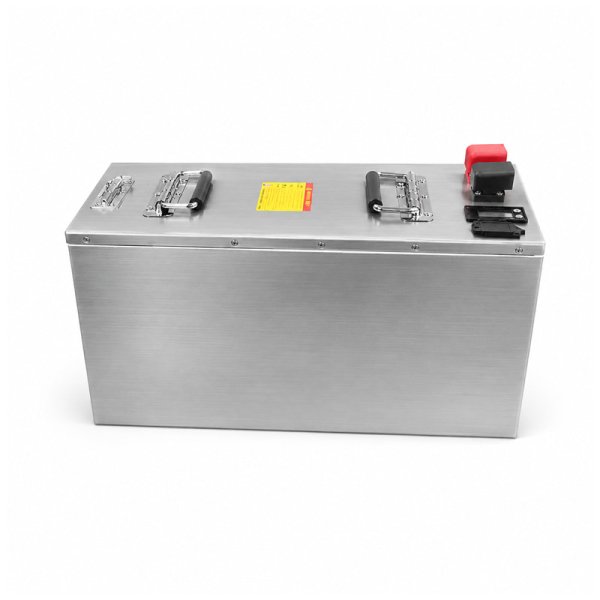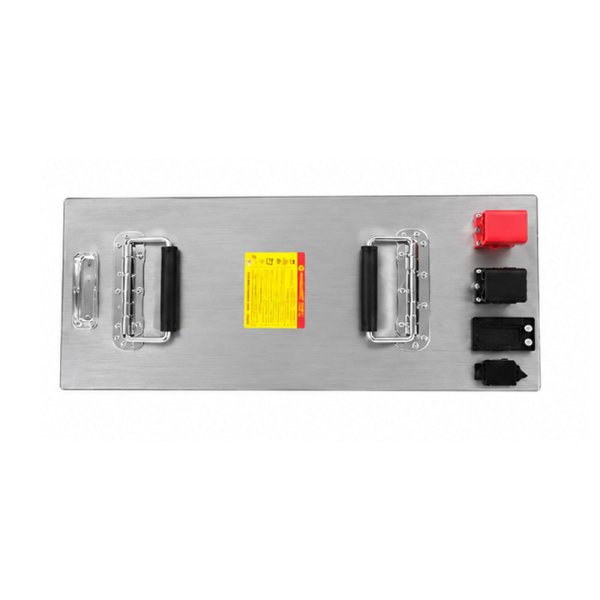
For Australian fleets, the answer is not as simple as “newer is better” or “cheaper is better.” The right choice depends on duty cycle, climate, downtime, payload, charging setup, and how long the vehicle needs to stay reliable in the field. A LiFePO4 lithium battery can be a very strong upgrade for many fleets, but lead-acid still has a place in some workhorses, especially where upfront cost matters more than long-term efficiency.

What makes Australian fleet conditions so demanding?
Australian fleets often work in conditions that are rougher and more expensive than people expect. Long distances, high heat, dusty worksites, corrugated roads, and limited service access all put pressure on truck batteries. A LiFePO4 lithium battery can handle a lot of that pressure well, but the real advantage shows up when vehicles are used hard, sit idle with accessories on, or need dependable power day after day.
Fleet managers in Australia also have to think about geography. A vehicle working in Perth faces different heat stress than one running through Tasmania. A mining ute, a council truck, a service van, and a refrigerated delivery vehicle do not ask the battery to do the same job. That is why the old habit of choosing the cheapest battery often becomes expensive later. A LiFePO4 lithium battery tends to offer better usable capacity, faster recharge, and longer cycle life, which can be valuable when breakdowns are costly.
The Australian environment also rewards batteries that recover quickly. Many fleets make short stops, run accessories, and then move again. In that kind of work, a LiFePO4 lithium battery can keep up better than lead-acid because it accepts charge faster and handles deeper cycling more gracefully. Lead-acid still works, of course, but it often loses usable performance faster under the same load.
A few fleet realities matter most:
- Remote breakdowns are expensive
- Heat shortens battery life
- Extra accessories increase demand
- Downtime costs more than the battery itself
- Service intervals can be long
That mix of conditions is why Australian fleet managers are increasingly comparing lead-acid with a LiFePO4 lithium battery instead of just replacing like for like.
How do lead-acid and a LiFePO4 lithium battery perform day to day?
Day-to-day performance is where the difference becomes obvious. Lead-acid batteries are familiar, lower in upfront price, and easy to source. A LiFePO4 lithium battery usually delivers more usable energy from the same nominal size, holds voltage better under load, and recovers faster after discharge. For fleet vehicles that run accessories or stop and start often, that can make a noticeable difference.
A lead-acid battery tends to lose voltage more quickly as it discharges. That means the truck may seem weaker even when the battery is not fully empty. A LiFePO4 lithium battery stays flatter for longer, so equipment gets steadier power. In practical terms, that can mean lights stay brighter, inverters behave better, and electronics are less likely to complain when the engine is off.
The difference also shows up during charging. Lead-acid batteries often need more time to get back to a healthy state, especially after deep use. A LiFePO4 lithium battery can usually accept charge more efficiently, which is useful if vehicles only get short windows to recharge between jobs. For fleets, that means less waiting and more uptime.
Typical daily-use differences include:
- Better usable capacity from a LiFePO4 lithium battery
- Faster recharge after short runs
- More stable voltage for electronics
- Less performance drop under repeated cycling
- Less sag when loads are switched on
Lead-acid can still be fine for simple starting duties, but once a truck starts supporting refrigeration, communications gear, work lights, or cameras, the balance shifts. A LiFePO4 lithium battery often keeps working in a way that feels more consistent and less tired. That consistency is worth money when a vehicle is on the clock all day.
Which option handles downtime and deep discharge better?
Downtime is one of the biggest hidden costs in fleet operation, and this is where a LiFePO4 lithium battery usually separates itself from lead-acid. When a battery is regularly discharged and recharged, cycle life becomes critical. Lead-acid batteries do not like repeated deep discharge. They wear out faster, lose capacity, and become less reliable. A LiFePO4 lithium battery is built for cycling and usually survives far more charge-discharge events.
That matters in Australian fleet work because vehicles are often parked, restarted, idled, or left running accessories without full engine support. A service truck may sit with cabin loads on. A utility vehicle may power a fridge, radio, and tools. A LiFePO4 lithium battery can often handle those patterns far better than lead-acid, especially when the battery is being used as more than just a starter source.
Another issue is recovery after partial discharge. Lead-acid batteries can become sulfated if they spend too much time in a low-charge state. That shortens their life quickly. A LiFePO4 lithium battery is much less vulnerable to that kind of damage, so fleets with irregular charging windows often see more stable performance over time.
Why deep cycling matters in fleets:
- Longer usable life from a LiFePO4 lithium battery
- Better performance after repeated accessory use
- Less damage from partial-charge operation
- Lower chance of early failure from routine work
- More predictable service intervals
If a truck battery is expected to do serious work beyond starting the engine, cycle life is not a side issue. It is the main issue. That is why many fleet operators end up preferring a LiFePO4 lithium battery once they calculate how often the vehicle is actually being drained.
How does heat affect a LiFePO4 lithium battery and lead-acid?
Heat is one of the most important factors in Australia, and it affects battery choice more than many buyers realize. Lead-acid batteries generally age faster in high temperatures. The internal chemistry breaks down more quickly, water loss can become a problem in flooded types, and overall service life tends to fall. A LiFePO4 lithium battery also needs respect in the heat, but it usually offers better cycle performance and more usable energy over time in fleet applications.
That does not mean a LiFePO4 lithium battery is immune to heat. No battery loves extreme temperatures. But compared with lead-acid, LiFePO4 often performs better in repeated use because it does not suffer the same type of sulfation and deep-discharge wear. In many fleet vehicles, that stability matters more than absolute temperature tolerance alone.
Australian fleets often park in the sun, sit on hot asphalt, or work in enclosed service bodies that get much warmer than the air outside. That means battery location matters too. A battery mounted under a bonnet or close to engine heat needs more attention. If the battery is working alongside charging equipment and auxiliary electronics, a LiFePO4 lithium battery can be an attractive choice because it maintains performance better under frequent cycling.
Heat-related points to consider:
- Lead-acid life often falls faster in high heat
- A LiFePO4 lithium battery supports better cycle stability
- Battery location affects service life
- Service bodies and engine bays can get very hot
- Fleet downtime from heat-related failure is expensive
For many Australian fleets, the real choice is not whether heat exists. It is whether the battery can keep doing useful work after months of heat, vibration, and short recharge windows. In that context, a LiFePO4 lithium battery often comes out ahead.

Why does vibration and rough road use matter so much?
Australian fleet vehicles do not always ride on smooth roads. Mining tracks, farm roads, construction sites, and regional routes can all shake a battery harder than an ordinary suburban car ever would. Vibration is brutal on batteries over time, and this is another area where design matters. A LiFePO4 lithium battery is often better suited to repeated vibration because it is typically built with a more robust internal structure and fewer of the weaknesses that affect conventional lead-acid batteries.
Lead-acid batteries can fail from vibration in a few ways. Plates can crack, internal connections can loosen, and active material can shed. Once that starts, capacity drops and the battery becomes unreliable. A LiFePO4 lithium battery is not indestructible, but it generally tolerates fleet abuse better when mounted and installed correctly.
This matters especially for fleets that work far from service centers. If a vehicle is bouncing around on rough roads, the battery should not be the weak link. A LiFePO4 lithium battery can help reduce the chance of a battery-related stop, which is good for productivity and good for driver confidence. The less often a battery fails, the less often a vehicle needs recovery or unscheduled service.
Typical vibration concerns include:
- Loose internal structure in lead-acid units
- Plate damage from repeated shock
- Terminal wear and connection problems
- Reduced life in rough-terrain vehicles
- Better resilience when the battery is properly secured
If the vehicle spends a lot of time on rough surfaces, battery quality matters more than battery price. That is one reason a LiFePO4 lithium battery often earns its keep in Australian fleets that work off-road or on long regional routes. It is not just about chemistry; it is about surviving the way the vehicle is actually used.
How do charging systems change the choice?
Charging compatibility is one of the most practical questions fleet managers need to ask. Lead-acid batteries are familiar to most alternator systems and are usually easy to integrate. A LiFePO4 lithium battery can also work very well, but it needs the right charging profile and good system design. If the vehicle’s alternator, DC-DC charger, or management system is not set up properly, performance can suffer.
That is why fleet conversions should never be done casually. A LiFePO4 lithium battery may charge faster and work better in daily use, but the system needs to support it. In many modern fleet builds, that means checking alternator output, wiring, fuse protection, and whether a DC-DC charger is needed. The battery should not be dropped in as a simple swap if the electrical system is not ready.
Lead-acid remains attractive partly because it is forgiving. If the charging system is basic, a lead-acid battery often works without much fuss. But that simplicity comes at a cost: slower recharge, more wear under deep discharge, and less usable capacity. A LiFePO4 lithium battery usually needs a little more planning, but the performance upside can be worth it for fleets that want better uptime.
Key charging questions include:
- Can the alternator support the new battery type?
- Is a DC-DC charger required?
- Does the vehicle do enough driving to recharge fully?
- Will the battery be used as a starter or house battery?
- Are there voltage-sensitive electronics onboard?
The good news is that once the system is set up properly, a LiFePO4 lithium battery can be very efficient. For fleet vehicles that stop frequently but still need dependable recharge, that efficiency can save time and reduce stress on the rest of the electrical system.
What do upfront price and total cost of ownership really show?
Upfront price is usually the biggest argument in favor of lead-acid. A lead-acid battery costs less to buy on day one, and that makes budget approval easier. But fleet managers do not really pay for batteries once. They pay for uptime, replacement intervals, labor, towing, and lost productivity. That is where a LiFePO4 lithium battery often changes the math.
A lead-acid battery may look cheaper initially, but if it needs replacement more often, the total cost can climb quickly. Add the cost of labor, service calls, and vehicle downtime, and the picture changes again. A LiFePO4 lithium battery usually lasts much longer in cycling applications, so the cost per cycle can become very competitive over time.
This is especially important for fleets that run hard. If the vehicle spends all day supporting accessories or making repeated short trips, lead-acid can wear out fast. A LiFePO4 lithium battery may cost more upfront, but the longer service life can reduce total ownership cost enough to justify the investment.
When comparing total cost, look at:
- Purchase price
- Expected cycle life
- Labor for replacement
- Downtime cost
- Fuel or charging efficiency
- Recovery and roadside service costs
The fleet economy changes when a battery lasts more than one replacement cycle. A LiFePO4 lithium battery can reduce replacement frequency, and that means fewer disruptions. For trucks that earn money every hour they are on the road, that matters more than the sticker price.
This is also why some managers test one route or one vehicle class first before switching an entire fleet. A controlled trial can show whether the LiFePO4 lithium battery actually lowers real costs, not just battery invoices.
How much weight and space can fleets save?
Weight savings are one of the quiet advantages of a LiFePO4 lithium battery. In fleet work, every kilogram matters more than people expect. Lighter batteries can improve payload flexibility, help with vehicle handling, and reduce strain on the alternator because the battery charges more efficiently. In some truck setups, that can be a real operational benefit.
Lead-acid batteries are heavy because of their construction. A LiFePO4 lithium battery of similar usable capacity is usually much lighter. That can be helpful in utes, service vehicles, and trucks where weight adds up quickly from tools, equipment, and accessories. Even if the savings seem modest on one vehicle, across a fleet they can become meaningful.
Space can matter too. Some vehicles have tight battery trays or limited room around auxiliary equipment. A more compact LiFePO4 lithium battery can make installation easier, especially if the vehicle carries extra electronics or body equipment. It can also make maintenance access less awkward.
Practical benefits include:
- Lower vehicle weight
- Better payload flexibility
- Easier installation in tight spaces
- Less strain in vehicles carrying heavy tool loads
- Potential efficiency gains in stop-start use
For some fleet operators, this is not the main reason to switch. But once they calculate the full effect of lighter batteries across dozens of vehicles, the advantage becomes real. A LiFePO4 lithium battery may not transform a truck by itself, but it can make the whole package a little more efficient and a little easier to manage.
That is especially true in service vehicles that already carry pumps, drawers, inverters, racking, and field equipment. Every bit of saved weight helps, and the battery is often one of the easiest places to recover it.
Which battery works better for auxiliary loads and idling?
This is one of the biggest deciding factors for fleets. Many Australian fleet vehicles are not just starting vehicles. They are mobile workstations. They power fridges, radios, scanners, lights, laptops, winches, pumps, and other accessories while idling or parked. That is where a LiFePO4 lithium battery usually shines.
Lead-acid batteries can run auxiliary loads, but they do not like being used deeply and repeatedly for that purpose. Voltage drops faster, runtime is less predictable, and life shortens quickly if the battery is treated as a house power source. A LiFePO4 lithium battery is much better suited to this kind of use because it can deliver more of its stored energy without falling apart as quickly.
Idling also complicates fleet economics. A vehicle may run the engine just to keep accessories alive, which burns fuel and adds wear. If the battery system is more efficient, the engine may not need to idle as long. In that situation, a LiFePO4 lithium battery can support better productivity and lower wasted fuel.
This matters especially for:
- Refrigerated service bodies
- Field service vehicles
- Emergency response fleets
- Mobile communications setups
- Tour, camping, and remote support vehicles
A LiFePO4 lithium battery can keep voltage stable while accessories run, which is valuable for electronics that dislike low voltage. That means fewer resets, fewer brownout issues, and fewer complaints from drivers who need equipment to work the first time.
If the battery is doing more than starting the engine, the case for LiFePO4 gets much stronger. For fleet managers who are tired of battery complaints from auxiliary users, the difference can be immediate.
How do safety, maintenance, and driver convenience compare?
Safety and maintenance are often overlooked in fleet discussions because they are less visible than cost. But they matter a lot over the life of the vehicle. Lead-acid batteries are familiar and relatively easy to service, but they can vent, leak, or require water checks depending on type. A LiFePO4 lithium battery is usually lower maintenance and more stable in normal use, which can reduce day-to-day attention.
That said, a LiFePO4 lithium battery is not automatically plug-and-play in every vehicle. It still needs proper installation, correct charging, and protection from misuse. But once installed correctly, it often gives drivers a simpler experience. They get steadier power, fewer voltage complaints, and less worry about battery condition when the vehicle is being used hard.
Maintenance differences often look like this:
- Lead-acid may need more inspection and replacement
- A LiFePO4 lithium battery usually needs less routine attention
- Voltage stability is better in many LiFePO4 setups
- Drivers notice fewer accessory dropouts
- Fleet managers may see fewer emergency battery calls
For safety, the internal chemistry of LiFePO4 is also attractive because it is more stable than many other lithium chemistries. That is one reason fleet managers look at a LiFePO4 lithium battery for work vehicles where reliability matters. Still, installation quality, fusing, and system design remain essential.
Driver convenience matters more than it seems. If the battery works quietly in the background, drivers stop thinking about it. That is a good sign. A reliable LiFePO4 lithium battery can help create that kind of experience, especially in fleets where vehicles are expected to start, run accessories, and keep moving without drama.
When does lead-acid still make sense?
Lead-acid is not obsolete. In some fleets, it still makes very good sense. If the vehicle is used mainly for starting, drives long enough to recharge fully, and does not carry heavy accessories, lead-acid can be the cost-effective choice. It is familiar, easy to source, and often accepted by existing charging systems without modification.
This is especially true for budget-conscious fleets where the battery is expected to be replaced on a regular schedule anyway. A lead-acid battery may be perfectly acceptable in vehicles with low accessory load and predictable usage. If the truck only needs to start the engine and run a small electrical system, lead-acid can still do the job.
Situations where lead-acid can still be reasonable:
- Low-budget replacement programs
- Simple starting applications
- Vehicles with minimal accessory load
- Fleets that already have a standard lead-acid service cycle
- Short-term or low-intensity vehicle use
The key is matching the battery to the job. If the fleet vehicle is not deep cycling, not carrying heavy electrical loads, and not suffering from repeated downtime, there is no requirement to switch just for the sake of switching. A LiFePO4 lithium battery is often better, but better is only useful if the added capability is actually needed.
Fleet managers sometimes assume every upgrade is automatically worth the money. That is not always true. If the vehicle is a simple work truck with low demand and the replacement budget is tight, lead-acid may remain the practical choice. The decision should follow the duty cycle, not the marketing.
When is a LiFePO4 lithium battery the smarter upgrade?
A LiFePO4 lithium battery becomes the smarter upgrade when the fleet’s real workload starts exposing the weaknesses of lead-acid. If the vehicle runs auxiliary power, cycles batteries often, sits in hot conditions, or needs to be ready with less downtime, the upgrade case gets stronger fast. Australian fleets often hit these conditions more than they expect.
A LiFePO4 lithium battery is especially compelling when the fleet values uptime. If a vehicle cannot afford repeated battery failures, or if every roadside call costs real money, the longer life and better cycling ability can pay back the upfront cost. That is true in service fleets, mining support, remote maintenance, and refrigerated transport.
The upgrade makes even more sense when:
- The battery is used daily for auxiliary loads
- Downtime is expensive
- The vehicle works in heat or rough conditions
- Weight savings matter
- Faster recharge is valuable
- Drivers complain about voltage drop or weak accessory performance
A LiFePO4 lithium battery can also improve consistency across a fleet. Instead of dealing with batteries that fade at different rates, managers can standardize performance and reduce the number of emergency replacements. That alone can simplify operations.
Some fleet operators also like the predictability. A LiFePO4 lithium battery tends to behave more consistently across its usable range, so the vehicle feels less sluggish as the battery drains. That can make the driver experience better and reduce nuisance faults from sensitive electronics.
If the vehicles are serious working tools, not just transport, then the answer often leans toward lithium. A well-chosen LiFePO4 lithium battery is usually the better fit for demanding fleet use.

What should fleet managers ask before switching?
Before switching, fleet managers should ask a few practical questions rather than just comparing price tags. The first question is whether the vehicle actually deep cycles its battery. If not, lead-acid may still be sufficient. If yes, a LiFePO4 lithium battery is worth a closer look. The second question is whether the charging system is compatible or can be adapted without too much cost.
A good decision checklist looks like this:
- How often is the battery cycled?
- Does the vehicle carry accessory loads?
- How hot does the vehicle run in summer?
- Is weight reduction valuable?
- What is the real downtime cost?
- Will the alternator or charger support the new setup?
- How long do vehicles stay in the fleet?
Fleet managers should also think about standardization. If one battery type works across many vehicles, maintenance becomes easier. If some vehicles need a lead-acid setup and others need lithium, training and spare parts planning become more important. A supplier such as Febatt may help with consistent product sourcing, but the fleet still has to match the battery to the vehicle’s actual work profile.
The best way to avoid costly mistakes is to pilot the change on a few vehicles first. Track runtime, starting behavior, charging time, and replacement intervals. If a LiFePO4 lithium battery clearly improves uptime and lowers maintenance, the case for broader adoption becomes much stronger.
At the end of the day, the smartest fleet choice is the one that fits the road, the climate, and the job. For some Australian fleets, lead-acid still gets the job done. For many others, a LiFePO4 lithium battery is the better long-term tool because it handles cycling, heat, and heavy use with less drama and more consistency.