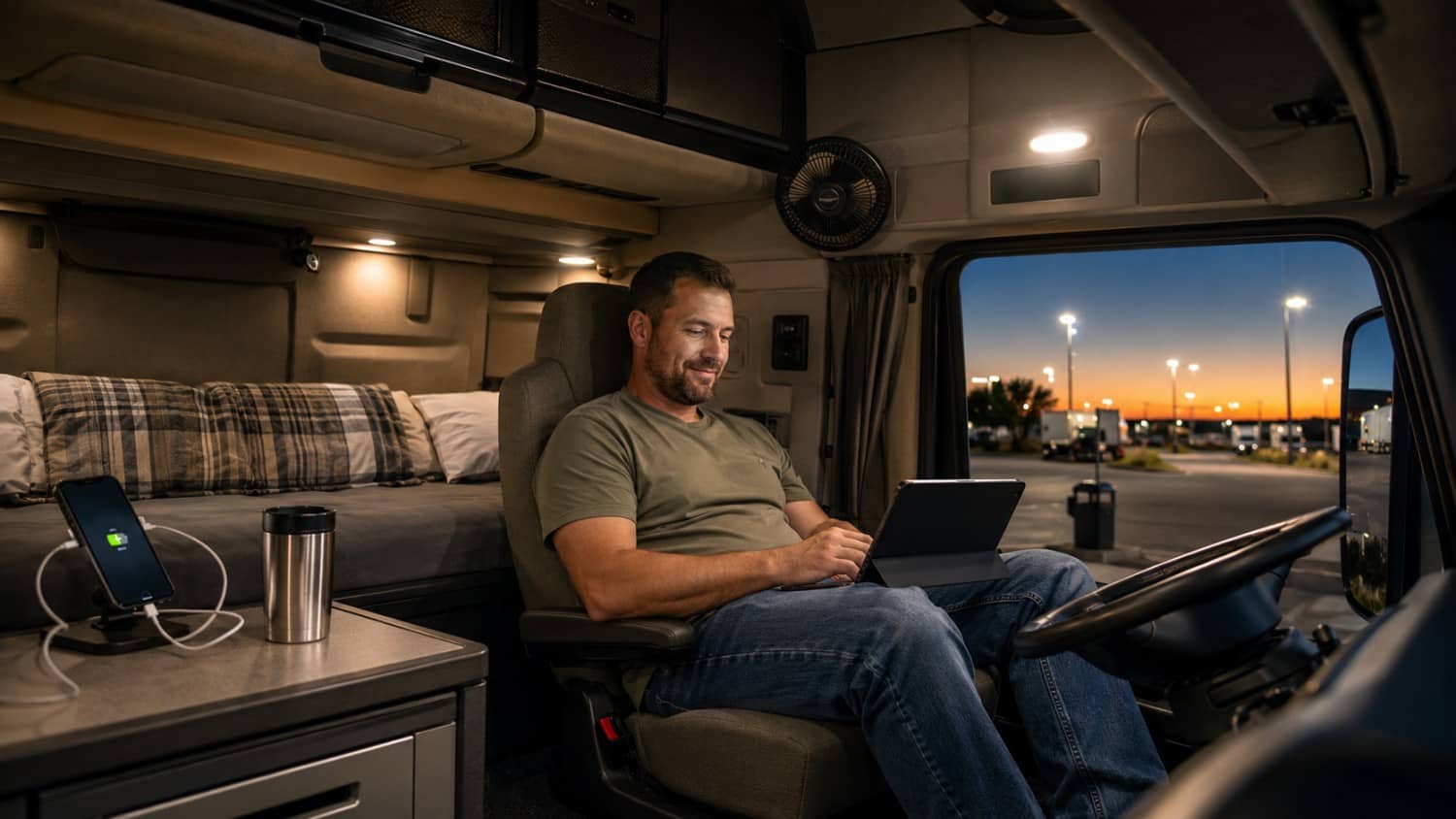
When a truck is parked and the engine is off, comfort can change fast. Heat builds up, the cab gets stale, phones need charging, and the starting battery should not be asked to carry all of it. That is why a dual battery system matters so much for drivers who spend real time in the cab during rest breaks.
Why does comfort during rest breaks depend so much on power?
Rest breaks are supposed to help drivers recover, but that only works if the cab feels livable. A truck that is too hot, too noisy, or too dark makes rest harder than it should be. The real problem is usually power: when the engine is off, every fan, light, charger, and small appliance needs energy from somewhere. A dual battery system gives those loads a dedicated source so the starting battery stays protected.
That separation is more important than many drivers realize. A starting battery is built for short bursts of high current, not long periods of parked use. If it is forced to run cab accessories overnight or during long breaks, it can lose charge quickly and age faster. A dual battery system solves this by splitting the roles. One battery handles cranking and vehicle start-up. The other battery supports the cab.
That design changes comfort in a few practical ways:
- The cab can stay cooler without risking a no-start
- Drivers can charge devices while parked
- Fans and small lights can stay on longer
- The truck feels more like a resting space instead of a waiting room
For many truckers, the difference is immediate. Instead of worrying about whether the engine battery will survive the break, they can actually relax. A dual battery system does not just add hardware. It adds peace of mind, and that matters when the cab is also the driver’s temporary bedroom, office, and break room.
The real value shows up during ordinary moments. A meal stop becomes more comfortable. A night break becomes less stressful. A midday rest in the heat becomes manageable. The system is not flashy, but it changes the experience in ways drivers feel every day.
How does a dual battery system keep the starting battery safe?
The starting battery is one of the most important parts of the truck because it has to work when the driver needs to move again. If it gets drained during rest breaks, everything becomes harder. That is why a dual battery system is not just about adding power. It is about protecting the power needed to restart the truck.
The basic idea is simple. The starting battery remains available for ignition and critical vehicle functions. The auxiliary battery supports the cabin loads while the truck is parked. That means the driver can run devices without creating the worry that the truck will not start later. In a well-designed dual battery system, the two batteries share the vehicle’s life, but not the same job.
This matters even more in hot weather or during overnight stops. If a driver runs a fan, lights, phone charger, and maybe a small fridge from the starting battery, the battery can be pulled down much farther than intended. Once that happens, the truck may crank slowly or not at all. A dual battery system keeps that from becoming a routine problem.
Here is what the separation usually protects against:
- Deep discharge of the starting battery
- Slow cranking in the morning
- Battery wear from repeated accessory use
- Unexpected jump-start situations
- Stress on the alternator from recovery attempts
A dual battery system also helps with consistency. Drivers do not have to guess whether using the cab fan for two hours will leave enough charge to start the truck. The auxiliary battery handles the extra work, and the main battery stays ready. That is a very practical form of comfort because it removes uncertainty.
For long-haul drivers, uncertainty is tiring. Knowing that the truck is protected lets them rest more fully. That quiet confidence is one of the biggest reasons a dual battery system becomes a standard upgrade for work trucks and sleeper cabs.
What makes sleeper cab airflow better with auxiliary power?
Airflow is one of the first things drivers notice when they stop for a break. A cab that sits still in warm weather can become hot very quickly. A dual battery system helps by powering fans and ventilation equipment without asking the engine to idle. That means the cab can keep moving air while the truck stays off, which is exactly what rest time needs.
Airflow does not have to mean full air conditioning to make a big difference. Even a modest fan can help sweat evaporate, move stale air out, and keep the sleeping area from feeling trapped. In a sleeper cab, that airflow can be the difference between a restless break and a useful one. A dual battery system gives drivers the freedom to run those fans as long as needed.
A good airflow setup often includes:
- Roof or cab-mounted fans
- Small circulating fans near the bunk
- Window vent inserts
- Adjustable air direction
- Quiet auxiliary power support
When those fans are powered by a dual battery system, the driver does not have to keep the engine running just to avoid heat buildup. That means less noise, less fuel use, and less vibration. It also means the cab stays calmer. A parked truck is easier to sleep in when the air feels fresh enough to rest.
Another benefit is temperature balance. A fan running from the auxiliary battery can help move cooler air from one side of the cab to another, especially when windows are cracked open slightly or vented safely. The system does not need to create cold air to be useful. It only needs to keep air from going still.
That simple difference is why many drivers say a dual battery system improves their breaks more than they expected. They may have bought it for battery protection, but they end up using it for better sleep and better recovery.
How does a dual battery system help drivers sleep better?
Sleep quality is one of the biggest reasons auxiliary batteries matter. A tired driver is less comfortable, less alert, and less able to recover properly during rest time. A dual battery system can improve sleep because it supports a calmer, quieter, more controllable cab environment without the engine running.
Noise is one of the first sleep killers in a truck. An idling engine is not just loud; it is constant. Even when a driver is used to it, the sound can make sleep lighter than it should be. A dual battery system lets the truck stay off while still supporting the devices that make sleep easier, such as fans, lighting, and charging equipment.
Comfort during sleep often depends on small things:
- A low-speed fan
- Dim lighting
- A phone that stays charged
- Stable temperature
- No engine vibration
The dual battery system gives the driver a way to keep those small things working. That is a big deal because sleep is often ruined by nuisance problems rather than dramatic ones. A cab that is too hot, too dark, or too quiet in the wrong way can make rest shallow. Auxiliary power solves those problems without creating new ones.
There is also a psychological comfort factor. When a driver knows the starting battery is protected, it becomes easier to fully relax. Nobody sleeps well while worrying whether the truck will start in the morning. A dual battery system removes that anxiety. That may not sound technical, but it is one of the most valuable parts of the setup.
For sleeper cab drivers, especially those who stop in different places every night, comfort is tied to trust. Trust that the power will last. Trust that the truck will restart. Trust that the cab will stay usable through the break. A dual battery system creates that trust.
Why do phone charging and electronics matter during rest breaks?
Modern truck drivers carry more electronics than ever. Phones, tablets, GPS devices, wearable gear, route systems, and even small work laptops all need power. During rest breaks, those devices are often still in use. A dual battery system makes that possible without draining the battery needed to start the truck.
This may seem minor, but it adds up. A driver may start a break with a low phone battery and want to charge while also running a fan and a light. Without auxiliary support, those small loads can quickly become a problem for the starting battery. With a dual battery system, the cabin electronics can stay powered without creating starting anxiety.
The difference is especially useful for drivers who use their cab like a mobile office. They may need to:
- Check route updates
- Answer calls
- Charge a handheld device
- Use a tablet or laptop
- Power a small printer or scanner
- Keep a GPS or tracking device active
A dual battery system handles those needs more gracefully than a single battery setup. The auxiliary battery absorbs the demand, and the driver can keep working or relaxing without constantly checking whether the vehicle battery is dropping too low.
There is also a comfort angle here. A phone that can charge while the driver rests means less stress. A tablet that stays alive means better entertainment or better work planning. Small electronics do not seem important until they stop working. Then they become very important. A dual battery system keeps those small conveniences available when they matter most.
For many drivers, this is one of the easiest benefits to notice because it fits daily life so well. Nobody wants to wake up with a dead phone and a weak truck battery at the same time.

How does climate control improve when the engine stays off?
Climate control is one of the biggest reasons drivers look at auxiliary batteries in the first place. Rest breaks can happen in hot weather, cold weather, or changing conditions, and neither is ideal if the cab is not powered properly. A dual battery system helps support climate accessories without forcing the engine to idle just to keep the cab bearable.
In hot weather, the system may run fans, ventilation devices, or small cooling accessories. In cooler weather, it may support small heaters, seat warmers, or low-power thermal equipment. The goal is not to replace the engine’s HVAC system completely in every situation. The goal is to make the rest period tolerable without burning fuel unnecessarily.
The comfort benefit is straightforward:
- Less heat buildup in parked conditions
- Better airflow across sleeping areas
- Support for low-power cooling or warming devices
- Reduced reliance on engine idling
- More control over the cab environment
A dual battery system matters because it allows these devices to keep working while the main battery remains preserved for starting. That means drivers can rest without choosing between comfort and reliability. If the cab gets stuffy, they can turn on the fan. If the air gets chilly, they may use a small heater setup where allowed. In either case, the point is to keep the cab usable.
This is especially helpful for drivers with irregular schedules. They may not always know how long the stop will last or what the weather will do during the break. A dual battery system gives them flexibility. They do not have to guess whether they can afford to run a fan or a light. The auxiliary battery makes that decision easier.
Comfort is often about control. When a truck driver can control the cab temperature better, rest becomes more effective. The system is not just about power storage. It is about making the cab feel like a place where the driver can actually recover.
What role does a dual battery system play in food, drink, and small appliances?
Once drivers start using auxiliary power during rest breaks, they quickly notice how useful it is for small daily tasks. A dual battery system can support the things that make the cab feel more normal: keeping a drink cool, warming a meal, running a small appliance, or powering a portable fridge. These conveniences matter more than they sound like they should.
When a truck stop is not convenient, having a small powered fridge or cooler in the cab can be a huge improvement. Drivers can store water, snacks, and meals without relying on ice or buying food every time they stop. A dual battery system helps keep that fridge running while the truck is parked, and it does so without draining the starting battery.
Common rest-break appliance uses include:
- Portable fridge or cooler
- Small kettle or warming device
- Mini microwave in supported setups
- Beverage cooler
- Food storage equipment
- Small inverter-powered accessories
That kind of support improves comfort in a very practical way. A driver who can eat and drink more comfortably is a driver who feels more in control of the break. The cab becomes less like a waiting area and more like a temporary living space. A dual battery system is what makes that possible in many setups.
This is also where the quality of the battery setup really matters. If a driver uses appliances often, the auxiliary battery must be sized correctly and supported by a proper charging system. A weak setup can still work for a while, but a well-designed dual battery system is much better for regular use.
The result is simple: better access to food and drink, less dependence on outside stops, and a more comfortable rest period overall. For long-haul work, that is not a luxury feature. It is part of staying functional on the road.
How does a dual battery system reduce stress during overnight stops?
Stress is one of the least talked about parts of truck driving, but it matters a lot. Overnight stops are easier when the driver knows the truck is prepared. A dual battery system reduces stress because it removes the constant question of whether the cab power will last. That makes rest breaks less uncertain and more effective.
A driver with a single battery may keep checking the charge level or worrying about what happens if the fan runs too long. A dual battery system changes that mental load. It creates a separate power reserve for the cab, which means the driver does not have to think about every small device as a threat to the starting battery.
That mental relief is important because good rest is not just physical. It is psychological too. A cab that feels stable and predictable is easier to sleep in. A dual battery system creates that predictability by making overnight power more dependable.
The stress reduction usually comes from a few things:
- Less fear of a dead battery
- Less need to ration comfort devices
- Less worry about the morning start
- Less engine idling and noise
- More confidence in the truck’s setup
For a lot of drivers, this is where the system becomes truly valuable. They do not just enjoy a better cab; they feel less tension. That can improve the whole routine of stopping, resting, and getting back on the road.
It is also worth noting that a dual battery system can make trip planning easier. If the driver knows the auxiliary battery is capable, they can choose rest locations with more confidence and use the cab more efficiently. The truck stops being a source of small worries and becomes a more reliable space to reset.
Why is battery sizing so important for comfort?
Battery sizing determines whether the comfort features actually work for the whole break. A dual battery system only improves rest if the auxiliary battery has enough capacity for the loads the driver plans to use. If the battery is too small, comfort devices may shut down early or perform poorly.
Sizing starts with a simple question: what will be running during the break? A fan uses far less power than a fridge. A few LED lights use far less than a heating device. The battery should be matched to the real load, not just to the idea of “extra power.” A dual battery system works best when the battery is chosen for the actual pattern of use.
Things that affect sizing include:
- Break length
- Fan or appliance load
- Climate conditions
- Whether the truck is parked or moving later
- Recharge time before the next break
- How often the driver uses the system
A small auxiliary battery may be fine for a short lunch stop with lights and phone charging. But if the driver wants quiet overnight comfort, it should be sized with more margin. That is why many truckers choose a setup with room to spare rather than something that works only on paper. A dual battery system is much more useful when the battery is not being pushed to its edge every day.
Drivers often underestimate how much comfort power they actually need. It is easy to think a fan and a charger are minor loads, but over several hours, they become meaningful. Proper sizing keeps the cab comfortable without putting the system under constant strain.
If the battery is chosen well, the dual battery system feels invisible in the best possible way. It works quietly in the background, and the driver simply gets a better break.
What makes a dual battery system better than idling the engine?
Idling may seem convenient, but it is usually not the best answer for rest-break comfort. It burns fuel, adds noise, creates vibration, and puts wear on the engine. A dual battery system lets the driver avoid those downsides while still keeping the cab useful. That is why more drivers and fleet managers prefer it.
The benefits are practical:
- No fuel waste from unnecessary idling
- Less engine wear
- Lower noise during rest
- Better sleep quality
- More control over cab power
- Reduced emissions in parked situations
The difference is noticeable. A truck that idles may keep the cab powered, but it never really feels restful. A dual battery system changes the atmosphere. The engine can stay off, the cab can stay powered, and the driver can actually sleep or relax without the constant hum of idle running.
There is also a maintenance angle. Less idling means fewer engine hours doing non-productive work. That can help reduce stress on the truck over time. So the system is not just about comfort. It is about making the whole operating pattern more sensible.
Some drivers still idle because they have always done it that way. But once they try a proper dual battery system, many do not want to go back. The quieter, cleaner, more comfortable rest experience is hard to ignore.
This is especially true in sleeper cabs, where the driver is spending a large part of the trip living in the truck. Comfort and efficiency stop being separate goals. They become the same thing.
How does a dual battery system fit into a modern truck setup?
Modern trucks carry more electronics than ever, and that changes what comfort means. A dual battery system fits into this world because it can support electronics without interfering with the starting battery or the vehicle’s main functions. In a truck with displays, sensors, communication tools, and cab comfort gear, that separation becomes very useful.
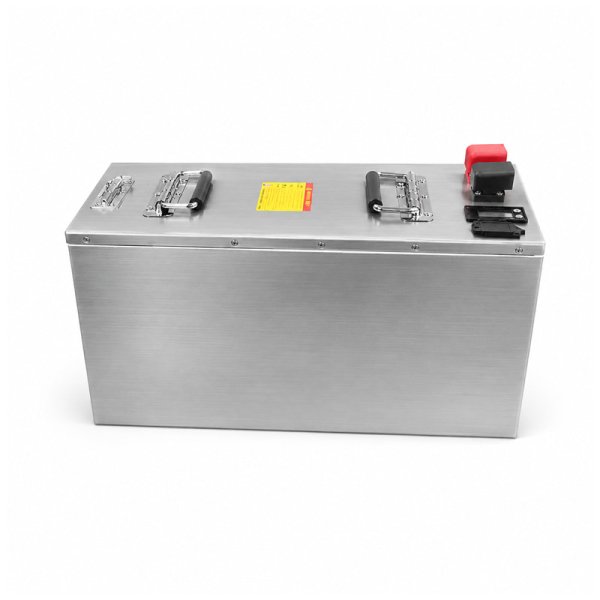
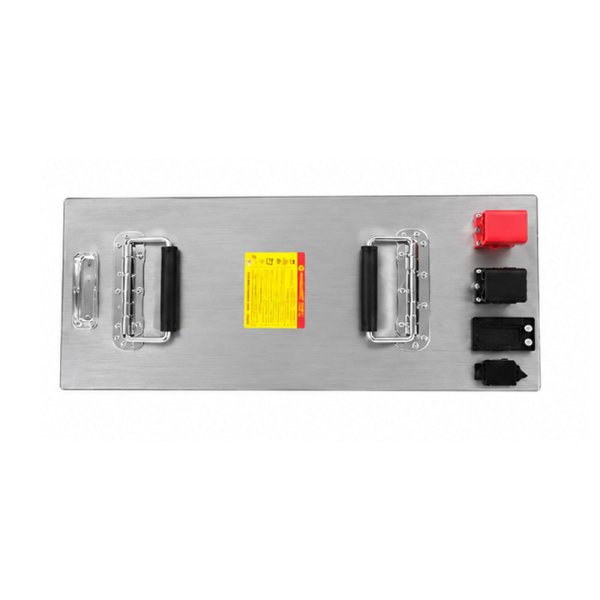
A modern setup may include a DC-DC charger, isolator, battery monitor, auxiliary fuse panel, and a carefully chosen battery chemistry. The dual battery system sits in the middle of all that as the power reserve for the cab. It is the part that makes the parked truck useful without compromising the vehicle’s ability to start and move.
Truck drivers also want a setup that is practical, not fragile. The system should be easy to understand, easy to maintain, and strong enough for regular use. A well-planned dual battery system can do that if it is matched to the load and the truck’s charging behavior. That is where good installation matters as much as the battery itself.
This is also where brand choice matters. A supplier such as Febatt may offer battery options and system components, but the final result still depends on good matching and proper installation. The best system is the one that fits the truck’s real work pattern, not just the one with the biggest labels.
Modern trucks are becoming more power-hungry, not less. That makes auxiliary systems more important, not less. A dual battery system is one of the simplest ways to keep that power demand from taking away driver comfort during rest.
What should truck drivers look for before choosing a setup?
The smartest way to choose is to think about real use, not just battery size. A dual battery system should be selected based on how the driver rests, what devices run, and how long the truck stays parked. If the setup is too small, the comfort benefits disappear. If it is too large and poorly matched, it may be more expensive than necessary.
A good decision checklist looks like this:
- What devices will run during the break?
- How long are the breaks usually?
- Is the truck a sleeper cab or a day cab?
- How often will the auxiliary battery cycle?
- How does the truck recharge between stops?
- Is the setup meant for comfort, refrigeration, or both?

Does the cab need quiet airflow or broader power support?
Once those questions are answered, the right dual battery system becomes easier to identify. Some drivers only need fan support and device charging. Others need a more substantial auxiliary power reserve. The system should match the actual rest pattern.
The best setups are usually the ones drivers forget about after installation. They just work. The cab stays comfortable, the battery stays protected, and the truck starts when it should. That is the promise of a properly sized dual battery system.
For many truck drivers, the improvement is not dramatic in a flashy way. It is better sleep, less stress, quieter breaks, and fewer battery worries. Those small changes add up fast. In the real world, that is what makes a dual battery system worth having.