Hot warehouses put extra pressure on electric forklift operations because chargers, batteries, connectors, and cables may already be warm before charging starts. Add multi-shift use, opportunity charging, blocked airflow, or dust, and heat can trigger derating, charging interruptions, and downtime.
For B2B fleets, forklift charging station requirements should therefore cover more than a power outlet and a compatible charger. The charging area must support heat removal, inspection, safe traffic flow, battery-to-charger communication, and a charging strategy that fits the duty cycle. Lithium forklift batteries are especially useful because they reduce watering and acid-handling maintenance, support shorter charging windows, and use a smart BMS to monitor and protect the pack.
In this comprehensive guide, we explain how hot-warehouse charging areas can reduce thermal faults while keeping lithium forklift fleets productive.
Why Does Heat Become a Fleet Downtime Problem?
Charging creates heat in several places at once: the charger converts power, cables carry high current, connectors add contact resistance, and the battery warms during energy recovery. In a hot warehouse, the whole system has less thermal margin.
This matters most in distribution centers, manufacturing plants, and multi-shift warehouses where forklifts return to charge several times per day. A charger that repeatedly derates or stops on overtemperature can create a queue of vehicles waiting for energy. The real B2B problem is lost forklift availability.
Useful controls from the original high-temperature guidance include keeping airflow paths clear, checking cooling fans and temperature sensing, controlling dust, and inspecting cables for heat damage. In a fleet environment, these should become scheduled operating controls rather than a seasonal checklist.
What Should a Hot-Weather Charging Area Control First?
Forklift charging station requirements in a hot facility should address ambient heat, airflow, contamination, traffic protection, and access for inspection.

Airflow and heat sources
Avoid placing charging equipment beside ovens, boilers, process exhausts, engine heat, or direct solar exposure when another location is available. Keep the manufacturer-required clearance around air inlets and outlets, and do not block them with pallets, cartons, cable bundles, or covers.
U.S. facilities should also review OSHA 29 CFR 1910.178(g). OSHA requires battery charging installations to be located in designated areas and includes provisions related to protecting charging equipment from truck damage and, where applicable, ventilation and fire protection.
Dust and debris
Dust can reduce heat-transfer performance when it accumulates on filters, vents, fans, and heat sinks. Warehouses handling paper, wood, textiles, packaging, or other dusty materials may need more frequent inspection than a clean distribution center. Cleaning should follow the charger’s approved maintenance procedure rather than a universal method.

How Should Fleets Inspect Chargers and Connections?
Hot-weather inspection should focus on signs that predict a charging interruption before it stops a shift.
Cooling and sensing
Check whether cooling fans start normally, run without abnormal noise, and remain unobstructed. Repeated overtemperature alarms, fan faults, unexplained derating, or stop-start charging behavior should be investigated rather than repeatedly reset.
Temperature sensors matter because the charger and BMS may use temperature data to reduce current or stop charging. A faulty sensor can create false alarms or fail to identify a genuine thermal problem.
Cables and connectors
Loose, worn, contaminated, or damaged connections create resistance. At high current, that resistance becomes localized heat. Inspect connector housings, terminals, cable insulation, strain relief, and signs of discoloration, softening, cracking, or deformation.
This is why forklift charging station requirements should connect directly to battery specification: the battery, charger, connector, cable, BMS, and communication protocol should work as one system.
Why Are Lithium Forklift Batteries Better for Multi-Shift Operations?
For many B2B fleets, lithium is a better fit than lead-acid when the goal is to reduce maintenance labor and recover energy during planned breaks.
A sealed lithium forklift battery does not require routine watering or acid cleaning. When the battery and charging system are designed for it, opportunity charging can add energy during meal breaks, shift changes, or scheduled idle periods instead of relying on a long overnight cycle.
This Power Battery Solution highlights high-current output, fast charging, CAN communication, smart BMS protection, and application-matched forklift design. These features are valuable in hot warehouses because the system can be specified around the real shift schedule, load pattern, charging windows, and working environment.
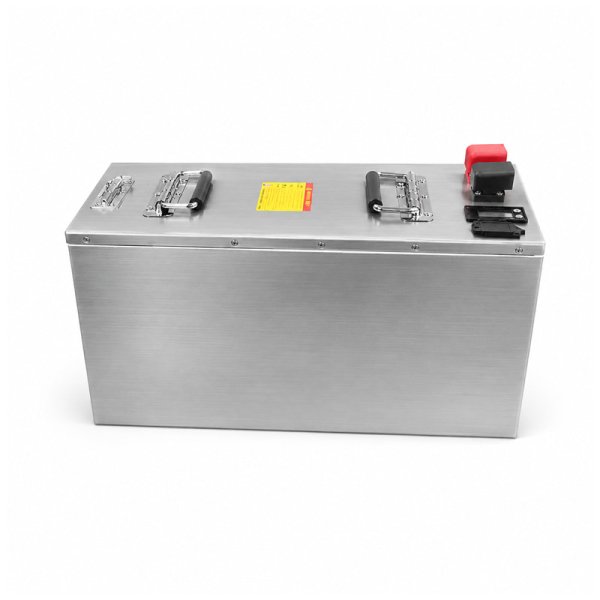
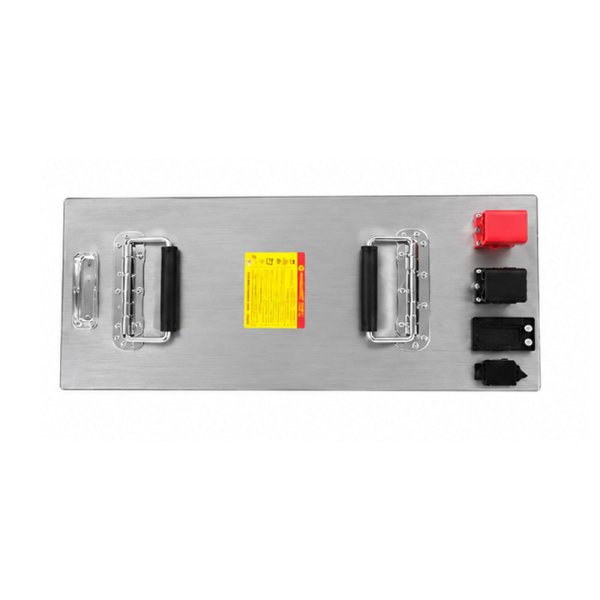
For a heavy-duty fleet example, see the 64V 105Ah forklift battery, which is positioned for warehouse and material-handling duty with fast charging and low-maintenance operation.
Lithium does not eliminate thermal risk. Its advantage is that a properly matched system provides better charging control while removing several routine lead-acid maintenance tasks.
What Should B2B Buyers Specify Before Deployment?
Forklift charging station requirements should be included in the battery RFQ, not left until equipment reaches the warehouse.

Buyers should confirm charging windows, operating-temperature limits, charge-current behavior at elevated temperature, BMS overtemperature protection, communication requirements, connector and cable ratings, charger cooling method, required clearances, fault logging, and service access.
The supplier should also understand the forklift’s lifting demand, travel pattern, daily runtime, opportunity-charging plan, and downtime target. A written checklist built around forklift charging station requirements can keep engineering, EHS, maintenance, and procurement aligned. Application-based matching is more useful than selecting a battery from voltage and capacity alone.
How Can Fleets Respond to Overheating Without Losing a Shift?
When a charger repeatedly reports thermal faults, stop the affected charging process according to site procedures and determine whether the heat is coming from the charger, connector, cable, battery, or facility environment.
Repeated thermal shutdowns should not be treated as normal summer behavior. They can indicate restricted airflow, a failed fan, a damaged connector, excessive resistance, operation outside rated conditions, or a battery-charger mismatch.
For high-utilization fleets, the best control is preventive: define forklift charging station requirements before deployment, then track alarms, charging duration, and downtime trends. This turns charging from a reactive maintenance issue into a measurable fleet process.
What Should a Hot-Warehouse Fleet Take Away?
A hot warehouse needs more than a powerful charger. It needs airflow, contamination control, protected equipment, healthy connectors, reliable temperature sensing, and a charging plan aligned with the actual fleet schedule.
For B2B operators, lithium forklift batteries can simplify the system by reducing routine maintenance and supporting flexible charging windows with smart BMS protection. The strongest results come when the battery, charger, BMS, connectors, and charging area are specified together.
For multi-shift sites, these forklift charging station requirements help reduce avoidable thermal faults, protect charging uptime, and keep material-handling operations moving through high-temperature periods.
Frequently Asked Questions About Forklift Charging Station Requirements
Q: What are forklift charging station requirements?
A: They include a designated charging area, compatible equipment, safe traffic separation, manufacturer-specified clearances, cable and connector control, and procedures for abnormal heat or faults. U.S. facilities should also review OSHA 29 CFR 1910.178(g) and applicable local electrical and fire requirements.
Q: Do lithium forklift charging stations need ventilation?
A: Lithium batteries do not have the same routine hydrogen-gassing behavior as flooded lead-acid batteries, but the charger and battery still generate heat. Airflow and ventilation should follow equipment requirements, facility conditions, battery chemistry, and applicable codes.
Q: What causes a forklift charger to overheat?
A: Common contributors include high ambient temperature, blocked vents, dust-loaded filters, failed cooling fans, repeated high-load charging, damaged cables, loose connectors, and operation outside rated conditions. Repeated thermal alarms should be diagnosed rather than continually reset.
Q: How often should a forklift charging station be inspected?
A: There is no universal interval. Inspection frequency should reflect fleet utilization, ambient temperature, dust loading, charging frequency, manufacturer instructions, and fault history. High-use or contaminated sites generally require tighter inspection schedules.
Q: Are lithium forklift batteries better for multi-shift warehouses?
A: They can be a strong fit because they support opportunity charging, reduce watering and acid-maintenance work, and integrate with a BMS for protection and operating visibility. The system still needs to match actual shift energy demand, thermal conditions, and available charging windows.