For charter operators, resort fleets and yacht builders, a missed departure is more expensive than a disappointing specification sheet. Variable range, tight turnaround windows, uncertain battery costs and difficult fault diagnosis can disrupt service. A yacht lithium battery should solve these operating problems—not merely replace a conventional battery. The right yacht lithium battery system combines usable energy, dependable power, suitable charging, marine protection and support that works across a fleet.
LiFePO4 offers a strong starting point: relatively low routine maintenance, useful energy without excessive installed weight and the potential for long service life. Yet a yacht lithium battery earns its place through verified vessel performance, not chemistry claims alone.
How Can Fleet Buyers Avoid Range Surprises?
A brochure’s maximum range rarely reflects a charter yacht carrying guests, luggage and running navigation, refrigeration and climate equipment. Headwinds, current, hull fouling and extended high-speed legs change the energy budget. A yacht lithium battery needs enough usable energy for the actual route plus a documented return reserve.

The speed penalty is measurable. A 2026 electric-boat energy analysis reported that, in its low-power boat model, increasing speed from 5.5 to 8.4 km/h raised required power from 275 W to about 1,100 W. These figures are not yacht performance specifications; yacht OEMs must validate energy consumption using vessel-specific data and loaded sea trials.
For a yacht lithium battery request, provide route length, loaded displacement, cruising and peak speeds, hours at anchor, auxiliary loads and minimum arrival state of charge. Ask for a consumption map at multiple operating speeds and a loaded sea-trial acceptance criterion. Lithium’s favorable usable-energy characteristics matter most when that reserve is practical without unacceptable weight.
Can a Yacht Lithium Battery Meet the Fleet Charging Window?
A charter schedule can fail even when the yacht lithium battery has sufficient range. The real constraint may be the interval between departures. For example, replacing 30 kWh with an average 5 kW effective charging rate requires about six hours; this is an illustrative calculation, not a measured yacht result. Vessel shore-power limits and the charging curve can extend that period.

Specify the actual charging window, available shore power, connector and charger compatibility, permissible charge current and BMS communication. A yacht lithium battery should accept the agreed charging profile without unsafe temperature conditions or unexpected derating. Lithium systems can reduce downtime compared with many lead-acid arrangements, but the charging architecture must be validated first.
How Does a Yacht Lithium Battery Affect Fleet Costs?
Buying the cheapest yacht lithium battery can raise fleet costs if usable capacity falls short or replacement interrupts peak-season service. Compare proposals on delivered usable kWh, installed mass, documented cycle-life conditions, warranty thresholds, spare availability and planned service—not purchase price alone.

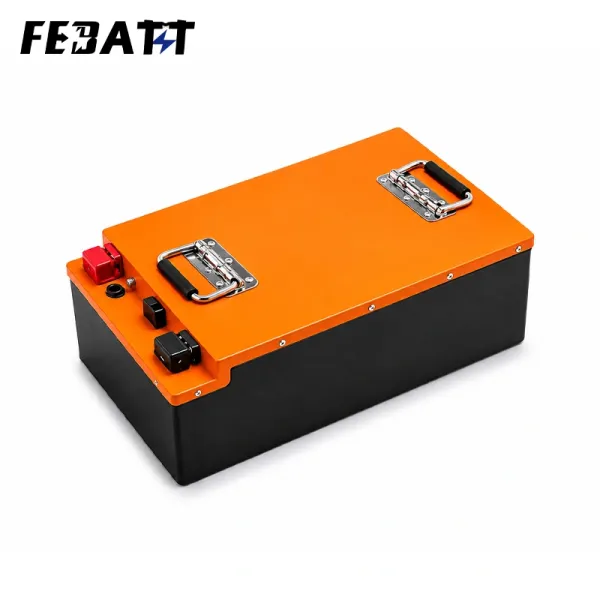
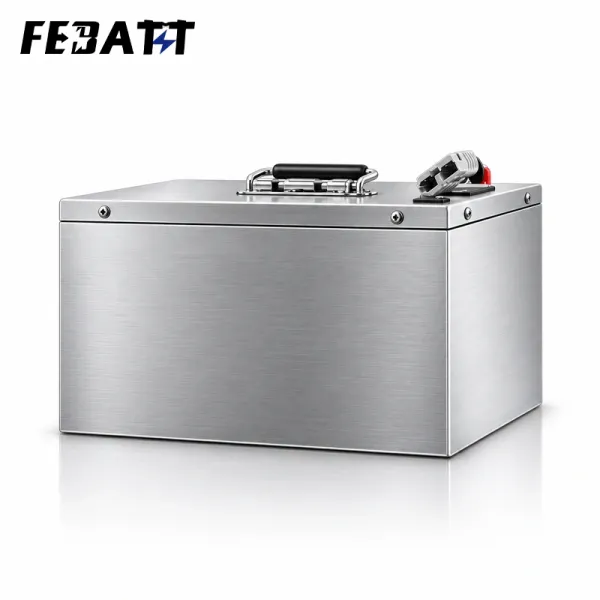
As a concrete product reference, a marine lithium battery platform for leisure cruisers lists approximately 3,000 cycles. This is a model-specific rating, not a promise for every yacht lithium battery or operating profile. LiFePO4 can offer compelling long-term value where maintenance, weight and repeated cycling are material costs. Use the marine battery quotation guide for a deeper comparison rather than turning this application article into another pricing tutorial.
What Keeps a Yacht Lithium Battery Reliable Offshore?
Salt exposure, condensation, vibration and restricted ventilation affect connectors, cables and battery enclosures. A yacht lithium battery requires corrosion-aware installation, secure mounting, thermal monitoring and a fault response coordinated with propulsion controls. A suitable BMS can report limits and isolate faults; it cannot by itself make a damaged installation safe.
Frequently Asked Questions About Yacht Lithium Batteries
Q: How long does a yacht lithium battery last?
A: Life depends on temperature, charge limits, depth of discharge and duty cycle. Request cycle-test conditions and an end-of-life capacity threshold. A yacht lithium battery rated for thousands of cycles should still be assessed against the fleet’s expected service years.
Q: What size battery does an electric yacht need?
A: Size it from measured propulsion demand, hotel loads, route time and reserve, not yacht length alone. An electric yacht battery must deliver both sufficient usable energy and the required peak power after ageing and under normal loaded conditions.
Q: Are lithium batteries for yachts safe?
A: Properly engineered lithium batteries for yachts can support safe operations when the complete installation meets applicable requirements. Evaluate BMS behavior, wiring, environmental protection, fire-risk controls and vessel integration. Lithium chemistry alone is not a safety certification.
Q: How long does it take to charge a yacht lithium battery?
A: Charging time depends on energy to replace, effective charging power, temperature and the battery’s charge profile. Ask for a timed test over the actual between-trip window rather than relying on a charger nameplate or theoretical maximum.
Q: Can one yacht battery system handle propulsion and hotel loads?
A: Potentially, but the design must allocate continuous and peak power correctly and define fault priorities. The yacht battery system should preserve critical services and avoid sudden propulsion loss where the approved safety architecture allows controlled load management.