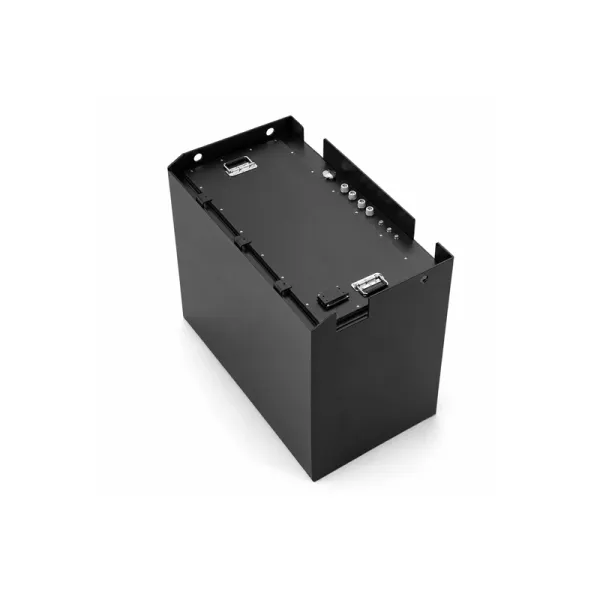
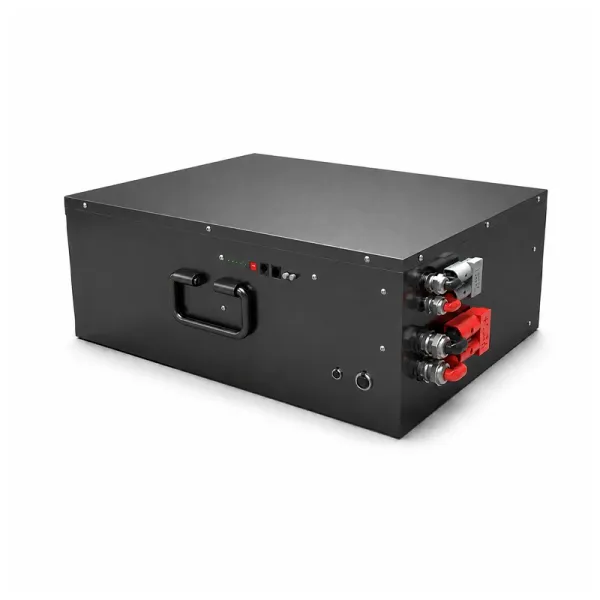
A promising battery prototype does not always translate into reliable mass production. For marine OEMs, inconsistent battery quality, delayed deliveries, or unapproved design changes can disrupt boatbuilding schedules. For OEMs supplying harbor craft, passenger launches, and utility fleets, sourcing a lithium ion marine battery means purchasing repeatable performance—not merely a quoted capacity.
The practical route is to define each vessel’s duty, validate a production-representative sample, and agree on quality and delivery conditions before releasing volume orders. The lithium ion marine battery must fit, complete its shift, and remain supportable.
Which Marine Applications Should Buyers Define Before Battery Sourcing?
Start with where the vessels work and what would happen if one cannot finish its route. A lithium ion marine battery for scheduled sightseeing service faces different operating pressure from one fitted to a harbor inspection boat. One generic datasheet may oversize one fleet and leave another without adequate reserve.
| Vessel or fleet application | Main operating demand | What the buyer must verify |
|---|---|---|
| Passenger shuttle or sightseeing launch | Fixed departures and rapid turnaround | Completion of the busiest scheduled route with an agreed reserve |
| Harbor workboat or maintenance craft | Maneuvering, variable loads, auxiliary tools | Sustained power, intermittent peaks, and predictable fault recovery |
| Patrol or survey boat | Irregular missions and long standby periods | Mission reserve, monitoring, and availability of replacement units |
| Electric tender or rental fleet | Repeated use across multiple operators | Simple servicing, consistent interfaces, and fleet-level interchangeability |
Collect route logs, payloads, weather exposure, idle time, and maintenance windows. Use measured battery-side energy where available; document assumptions for new designs.
A propulsion lithium ion marine battery must be evaluated differently from a house-load or auxiliary unit. Load profiles, failure consequences, and approvals differ. For commercial harbor applications, the existing electric workboat battery fleet guide explores duty-cycle definition in greater detail.
For multiple boat models, approve configurations against each distinct duty. Forced standardization can turn purchasing savings into operating risk.
Which Lithium Ion Marine Battery Specifications Matter to Fleet Reliability?
Compare actual operating performance rather than relying solely on nominal battery ratings. A lithium ion marine battery specification is incomplete unless buyers know the conditions under which the stated performance is delivered.
Request six types of evidence for the lithium ion marine battery:
- Usable energy and mission reserve.Verify the usable window under expected loads and temperatures, including end-of-shift reserve.
- Sustained and transient output.Verify simultaneous propulsion, steering, and auxiliary loads without unexpected derating.
- Marine exposure tolerance.Define salt spray, washdown, vibration, orientation, and inspection access. Require an enclosure test method, not a “waterproof” label.
- System interoperability.Document controller signals, alarms, isolation, connectors, and helm monitoring.
- Confirm diagnostics, firmware control, interchangeable spares, and fault-response commitments.
- Documentation and safety evidence.Identify the applicable vessel, market, and configuration-specific evidence.
For small craft, ISO 23625:2025 addresses selection, installation, and manufacturer safety information for lithium-ion systems above 500 Wh. ABYC E-13-2025 covers installed boat systems above 500 Wh. Applicability is project-specific. Transport testing alone does not establish vessel-installation compliance.
An OEM should therefore ask what evidence applies to the proposed lithium ion marine battery, not whether the supplier has a generic certificate. Assign responsibility for onboard integration tests.

How Should OEMs Evaluate Samples Before Bulk Purchasing?
Sample approval is a critical procurement milestone, not a product demonstration. A prototype lithium ion marine battery can pass a bench test yet fail to fit the vessel’s mounting space or communicate reliably with its controller.
Use three progressively more demanding stages:
Stage 1 — Document review. Check drawings, interfaces, duty, service access, and evidence. Record exceptions before testing.
Stage 2 — Representative validation. Test usable output against duty, temperature and fault behavior, mounting, alarms, and servicing under realistic conditions. The lithium ion marine battery sample must use the intended cells, protection hardware, firmware, and enclosure.
Stage 3 — Vessel and pilot-fleet trials. Install the lithium ion marine battery in an actual boat. Verify route completion, fault response, monitoring, and replacement without rewiring. Before wider rollout, validate a pilot batch of the lithium ion marine battery.
| Gate | Evidence to collect | Release decision |
|---|---|---|
| Sample | Signed test results and deviation list | Accept, revise, or reject the design |
| Pilot batch | Unit-level records and installation feedback | Confirm manufacturing repeatability |
| Production | Agreed routine checks and traceability | Authorize volume shipment |
One successful voyage cannot establish cycle life. Agree on supporting tests, warranty assumptions, and fleet monitoring.
What Should Buyers Confirm About MOQ, Lead Time, and Supply Capacity?
A promising lithium ion marine battery quotation can conceal a mismatch between the supplier’s production cadence and the boatyard’s build calendar. Separate prototype, pilot, and recurring quantities.

The lithium ion marine battery minimum order quantity (MOQ) is not universal. MOQ depends on components, tooling, customization, and shared parts. Ask for the MOQ by approved configuration—not a single figure covering an entire catalog.
For each OEM battery program, request a documented production schedule for engineering approval, samples, pilot production, and repeat deliveries. Define whether lead time starts at deposit, approval, or receipt of buyer inputs.
When negotiating lithium ion marine battery supply, settle these delivery questions:
- Can the supplier support a seasonal ramp-up without silently substituting critical parts?
- What monthly capacity is reserved for the approved lithium ion marine batteryconfiguration?
- What buffer stock, replacement units, or recovery plan exists for rejected lots?
- How are shipping documentation, dangerous-goods handling, Incoterms, and destination requirements assigned?
- What happens to unit pricing when orders are split across boat models or delivery windows?
Compare the complete commercial scope, not the lowest unit figure. The marine battery quotation comparison guide provides a useful framework for normalizing included tests, integration costs, and after-sales commitments.
A reliable lithium ion marine battery supply agreement should specify forecast windows, firm-order cutoffs, delivery tolerances, and escalation contacts before the first production purchase order.
How Can OEMs Maintain Battery Consistency Across Repeat Orders?
Long-term fleet reliability depends on maintaining consistency after sample approval. A lithium ion marine battery supplied six months later must still match the vessel’s electrical interfaces, mechanical envelope, operating behavior, and service documentation.

Define a configuration baseline covering the approved bill of materials, cell qualification, BMS firmware, connector selection, enclosure drawings, and test limits. Assign revision identifiers. If a supplier proposes a replacement component, require a documented impact assessment and buyer approval before shipment.
Every production lithium ion marine battery should have a serial-linked inspection record. Depending on the contract, that record may include electrical test outcomes, firmware version, critical component batches, inspection status, and shipment identification. Traceability can isolate affected vessels.
Practical repeat-order controls for a lithium ion marine battery include:
- First-article confirmation:compare the first unit of a new lot with the approved configuration.
- Routine factory testing:agree on measurable pass/fail limits for every shipped unit.
- Change notification:identify changes that trigger fresh sample or vessel validation.
- Service continuity:reserve spare units and define claim-handling and corrective-action response times.
The goal is predictable purchasing, production, and fleet service. If vessel compatibility cannot be demonstrated from controlled records, a repeat order is effectively a new qualification exercise.
What Should Marine OEMs Include in a Lithium Ion Battery RFQ?
A serious request for quotation should make competing proposals comparable while leaving room for sensible engineering alternatives. Suppliers cannot provide a defensible lithium ion marine battery offer when the RFQ states only a nominal capacity and an annual quantity.
Include these elements in the lithium ion marine battery RFQ:
| RFQ field | Minimum information to provide |
|---|---|
| Vessel program | Boat type, fleet count, deployment region, target production date |
| Operating duty | Routes, loads, shift length, reserve policy, ambient and marine exposure |
| System boundaries | Propulsion or auxiliary role, mounting envelope, controls, interfaces, charging assumptions |
| Acceptance | Sample tests, pilot trial, routine factory checks, required approval evidence |
| Commercial plan | Prototype quantity, MOQ request, annual forecast, lot sizes, delivery destinations |
| Lifecycle support | Warranty conditions, spares, diagnostic tools, changes, service escalation |
Separate optional features, nonrecurring engineering, exclusions, and disclosed deviations. A supplier offering a lithium ion marine battery alternative should explain exactly which boat requirements it meets and which remain unverified.
For projects spanning different vessel types, an application-matched power battery solution can provide a starting point for discussing customization, interface matching, and staged production supply. The final selection still requires project-specific validation.
The strongest lithium ion marine battery RFQ is one that leads to an auditable decision: the boat performs its mission, the battery fits the production design, and the agreed supply plan can be sustained.
Frequently Asked Questions
What should OEM buyers consider when sourcing a lithium ion marine battery?
Define vessel duty, usable energy, marine exposure, controller interfaces, applicable approvals, sample acceptance, production timing, and replacement support before choosing a supplier.
Can OEMs request lithium ion marine battery samples before bulk orders?
Yes. Request production-representative samples with controlled drawings and test records. Validate fit, operational duty, alarms, and installation before approving pilot or volume orders.
What is the minimum order quantity for OEM lithium ion marine batteries?
MOQ varies by design, tooling, component availability, and customization. Request separate minimum quantities and prices for prototypes, pilot batches, and recurring production lots.
How can marine OEMs maintain battery quality across repeat orders?
Freeze the approved design, require serial-linked factory tests, control firmware and component changes, and agree on traceability, corrective actions, and spare-unit availability.
Can lithium ion marine batteries be customized for different boat models?
Yes. OEMs can specify size, mounting, interfaces, monitoring, and operating behavior. Each variant should be validated against its vessel duty and managed as an approved configuration.
Preparing a newbuild program or a fleet refresh? Share the boat applications, representative routes, installation constraints, target quantities, and delivery calendar. Request a configuration proposal, sample-validation plan, and volume-supply assumptions for your next lithium ion marine battery project—before the production schedule is locked.