In a high-density warehouse, one stalled shuttle can block an aisle, delay pallet retrieval, and disrupt scheduled outbound loads. The battery is a small part of a pallet shuttle system, but its failure can create a much larger operational problem. For OEMs, system integrators, and fleet operators, prevention means checking battery condition, charging interfaces, and fault records before an unexpected stop.
Why Does Battery Maintenance Matter in a Pallet Shuttle System?
A four-way shuttle moves pallets along rack lanes and across aisles, often working with lifts and warehouse control software. Battery performance must therefore match task frequency, load, available access time, and recovery procedures. An underperforming pallet shuttle system may complete fewer cycles per shift even when the vehicle itself remains mechanically sound.

A real equipment reference illustrates why duty cycle matters: ATOMIX publishes four-way pallet shuttle configurations with rated loads of 1,500 kg and model-dependent battery endurance. Its specifications illustrate why runtime and maintenance requirements must be validated against the actual shuttle configuration. These are model-specific published figures, not a universal runtime promise. Use your own throughput logs when setting maintenance triggers; see the ATOMIX four-way shuttle specifications.
How Can Charging Problems Be Prevented?
Low state of charge should not become an emergency rescue task. Set return-to-charge thresholds according to the OEM’s validated operating profile, rather than copying a generic percentage. The shuttle also requires a compatible charging profile, reliable docking alignment, and communication between the controller and battery management system (BMS).

Record repeated charging interruptions by shuttle ID. Check accessible contacts for contamination, wear, or misalignment under approved isolation procedures. Do not override protection settings to force the shuttle back into service. For new fleet projects, application-matched lithium power battery solutions can help align the pack, BMS, connectors, and charging strategy with actual warehouse operation.
What Should Technicians Inspect During Routine Checks?
These automated vehicles experience vibration and repeated acceleration, and tightly constrained rack spaces. During authorized inspections, look for damaged enclosures, loose mounting hardware, moisture, cable abrasion, overheated connectors, and abnormal odors. Inspect the surrounding compartment rather than opening a sealed battery pack.
If a pallet shuttle system displays swelling, smoke, persistent overheating, or a serious BMS alarm, stop the equipment, secure the affected area, follow the site emergency procedure, and involve qualified personnel. Do not restart after simply clearing an alarm. Electrical access requires shutdown and isolation according to the machine manufacturer’s instructions.
How Do Temperature and Storage Conditions Affect Reliability?
Cold-store operations and prolonged idle periods deserve separate checks. Low temperatures can restrict charging and available output; excessive heat can accelerate degradation. Monitor pack temperature and compare alarms with the approved operating limits for the specific battery. A pallet shuttle system used in cold storage may require a battery and thermal configuration different from an ambient warehouse.

Before long-term shutdown, use the supplier’s specified storage state of charge and inspection interval. There is no single safe storage percentage that fits every pallet shuttle system. Check for abnormal self-discharge and record the battery’s condition before returning equipment to scheduled work.
Which BMS Data Helps Prevent Unexpected Stops?
A maintenance team should review trends, not just the latest SOC reading. Compare voltage behavior, current peaks, temperature, fault events, and charge interruptions against route load and shift length. When a pallet shuttle system loses runtime, the cause might be an aging pack, a failed charging contact, changing workload, or faulty status reporting.
Create a fault history for each shuttle and escalate repeated undervoltage, overcurrent, and temperature events. Details about BMS protection and diagnostic functions are useful when defining supplier requirements, but the available logs and alarms depend on the installed pack. Across multi-shuttle warehouse fleets, fleet-level records help distinguish isolated faults from a common charging or environmental issue.
What Does a Five-Point Maintenance Checklist Include?
Use this checklist as a framework; the OEM’s manual and site safety procedures determine the actual inspection frequency.
| Inspection area | Fleet-level action |
|---|---|
| Charging | Record charge interruptions, docking failures, and recurring charger faults. |
| Temperature | Compare readings against approved operating limits; flag recurring alarms. |
| External condition | Identify contact wear, cable damage, moisture, and mounting abnormalities. |
| Idle storage | Record storage SOC, inspection dates, and unexpected discharge. |
| Fault history | Document fault codes, recurrence, corrective actions, and return-to-service approval. |
Assign each exception an owner and closure date. The pallet shuttle system should return to production only after the relevant fault has been investigated and the release checks are complete.
When Should Fleet Buyers Choose or Replace Lithium Batteries?
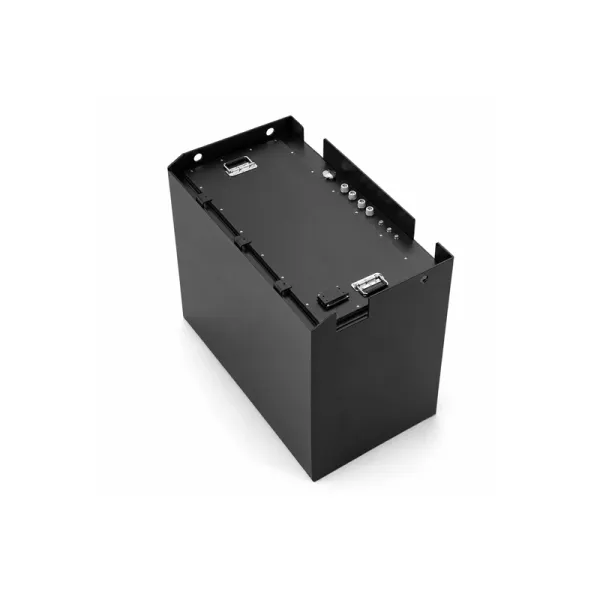
For intensive warehouse duty, a properly engineered LiFePO4 pack can offer longer cycle life, less routine servicing than flooded lead-acid batteries, and useful BMS visibility. However, lithium is not an automatic drop-in upgrade. A pallet shuttle system needs verified mechanical fit, peak-current capability, charging behavior, software communication, and environmental suitability.
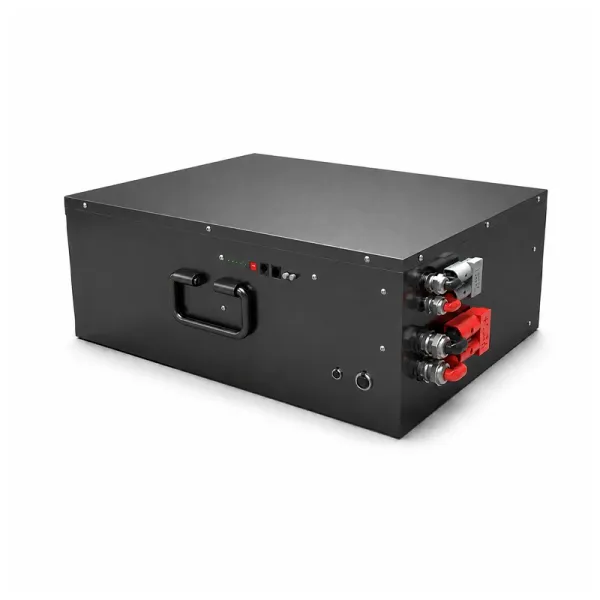
Review the warehouse AMR battery integration case for an example of how communication and charging-interface requirements can shape an industrial robot battery project. A listed 48V 50Ah LiFePO4 AGV battery illustrates CAN and RS485 options, but it has not been established as compatible with any particular pallet shuttle system; OEM validation is essential.
Before ordering replacement batteries for the fleet, send the supplier your shuttle model, duty cycle, operating temperature, available installation space, interface details, fault logs, and expected annual quantity. Compare validated service life and support response—not purchase price alone.
What Are the Most Common Pallet Shuttle System Battery Questions?
Q: How long does a pallet shuttle system battery last per shift?
A: Runtime depends on the shuttle model, payload, route pattern, temperature, battery condition, and charging schedule. Use published manufacturer figures only as reference points, then verify performance against your warehouse duty cycle.
Q: What causes a pallet shuttle system to stop unexpectedly?
A: Possible battery-related causes include low SOC, voltage sag, charging-contact faults, BMS protection events, and temperature limits. Controller, sensor, or mechanical faults can produce similar symptoms, so review system logs before replacing parts.
Q: Can a pallet shuttle system operate in cold storage?
A: Yes, if the shuttle and battery are specifically approved for that temperature range. Confirm discharge and charging limits, thermal management, condensation protection, and site-specific safety requirements with the equipment supplier.
Q: How often should pallet shuttle system batteries be inspected?
A: Use shift-level alarm reviews and scheduled physical inspections based on manufacturer instructions, operating intensity, and risk. Increase attention after recurring faults, exposure to moisture, or changes in workload.
Q: When should a pallet shuttle system battery be replaced?
A: Replace or service a pack when validated diagnostics indicate unacceptable capacity, repeated safety faults, or failure to meet the required duty cycle. Confirm compatibility and complete acceptance testing before releasing the shuttle to production.