Golf carts are no longer used only on golf courses. Today, they are widely used in resorts, campuses, airports, gated communities, industrial parks, warehouses, hotels, and utility vehicle fleets. As these vehicles take on more daily work, the battery system becomes one of the most important factors affecting uptime, maintenance cost, driving range, and long-term operating value.
For many B2B buyers, lithium golf cart batteries have become a better alternative to traditional lead-acid batteries. They are lighter, charge faster, last longer, and require much lower routine maintenance. For fleet operators, these advantages can reduce downtime and make daily operations easier to manage.
However, choosing the right battery is not only about switching from lead-acid to lithium. Buyers still need to check voltage, capacity, BMS protection, charger compatibility, battery size, safety documents, and supplier support.
In this comprehensive guide, the core advantages of lithium golf cart batteries are examined in depth, including LiFePO4 chemistry, performance gains, safety considerations, battery selection criteria, and the broader commercial value of switching to lithium golf cart batteries for fleet and utility applications.
What Are Lithium Golf Cart Batteries?
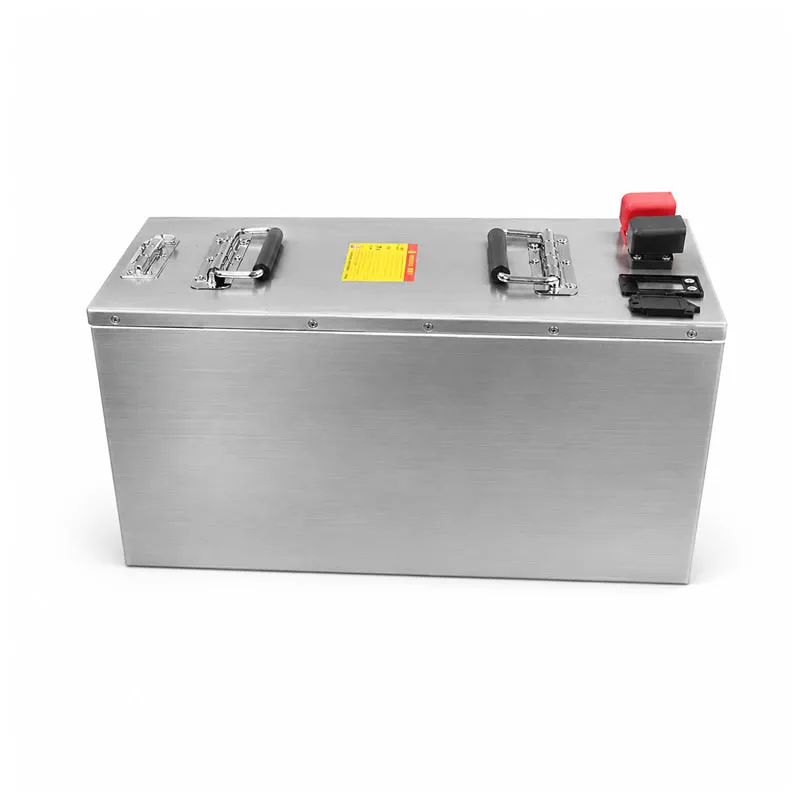
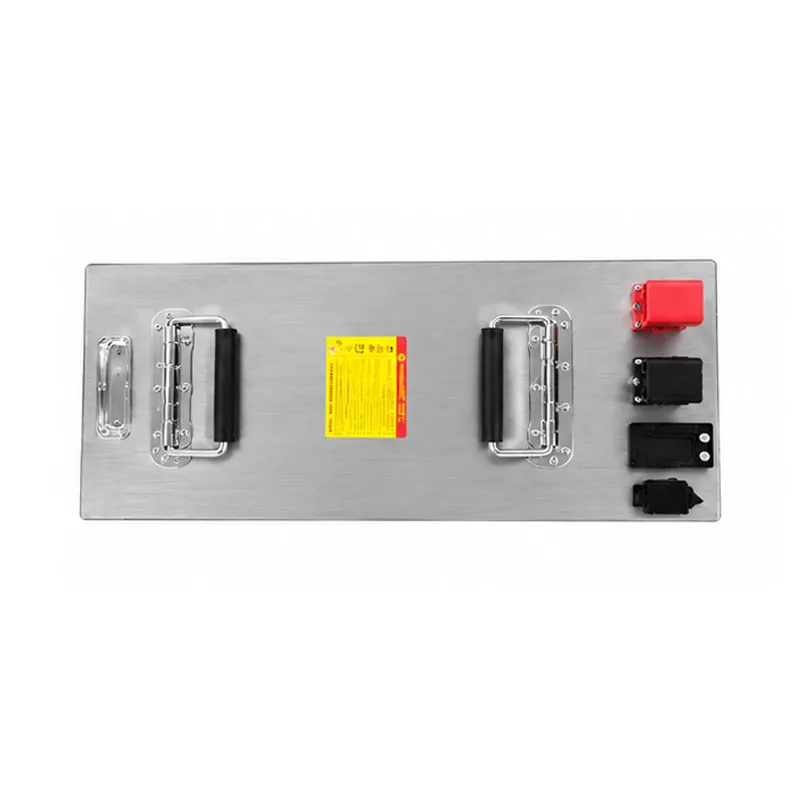
Lithium golf cart batteries are rechargeable battery systems designed to power electric golf carts and similar low-speed electric vehicles. They are commonly used to replace lead-acid batteries in 36V, 48V, 51.2V, or 72V golf cart systems.
Most modern lithium golf cart battery packs use lithium iron phosphate, also known as LiFePO4 or LFP. This chemistry is popular because it offers strong thermal stability, long cycle life, and reliable safety performance. These qualities make it suitable for vehicles that are used repeatedly throughout the day.
A complete lithium golf cart battery system usually includes:
- Lithium battery cells
- Battery Management System
- Protective casing
- Internal wiring
- Output terminals or connectors
- Charging interface
- Safety protection design
- Optional communication functions
Compared with lead-acid batteries, lithium golf cart batteries can provide more stable voltage during discharge. This means the cart does not feel weak halfway through the working day. The power output remains more consistent, which is useful for passenger transport, resort operations, maintenance carts, and utility vehicles.
For buyers comparing available models, this golf cart battery solutions page can be used as a reference for different lithium battery options.
Why Are Lithium Golf Cart Batteries Replacing Lead-Acid Batteries?
Lead-acid batteries are still used in many golf carts because they are familiar and usually cost less upfront. However, they also bring several common problems: heavy weight, slower charging, regular maintenance, shorter service life, and reduced usable capacity under frequent deep discharge.
Lithium golf cart batteries solve many of these issues. They are much lighter, can charge faster when paired with the correct charger, and usually support a much longer cycle life. They also require much less routine maintenance because users do not need to add water, clean acid residue, or perform regular equalization charging.
For businesses, the biggest value is not just better battery technology. It is better operation. A fleet that charges faster, runs longer, and needs less maintenance is easier to manage and more cost-effective over time.
Key reasons businesses switch to lithium golf cart batteries include:
- Longer service life
- Faster charging
- Lower routine maintenance
- Lighter vehicle weight
- More stable voltage output
- Better usable capacity
- Improved fleet uptime
- Lower long-term replacement pressure
For users considering a lead-acid upgrade, this lithium golf cart battery conversion guide can help explain when a lithium replacement makes sense.
Why Is LiFePO4 Popular for Golf Cart Batteries?
LiFePO4 is one of the most widely used chemistries in lithium golf cart batteries because it balances safety, service life, and daily performance. Golf carts are often used in public areas such as resorts, campuses, communities, and commercial facilities, so safety and reliability are important.
LiFePO4 batteries are known for stable thermal behavior and long cycle life. They are also suitable for repeated charging and discharging, which makes them practical for fleet use. A golf cart that operates daily needs a battery that can handle frequent cycles without losing capacity too quickly.
Compared with some other lithium chemistries, LiFePO4 may have slightly lower energy density, but it offers strong safety and durability. For golf carts, this trade-off is usually acceptable because the priority is stable operation, long life, and low maintenance rather than the smallest possible battery size.
A well-designed LiFePO4 golf cart battery should also include a reliable BMS. The BMS helps protect the battery from overcharge, over-discharge, overcurrent, short circuit, overheating, and cell imbalance. Without a strong BMS, even a good battery chemistry may not perform reliably.
How Do Lithium Golf Cart Batteries Improve Performance?
The performance improvement from lithium golf cart batteries is noticeable in real use. The cart often feels lighter, more responsive, and more consistent during the full discharge cycle.
One major advantage is weight reduction. Lead-acid battery packs are heavy. This extra weight increases vehicle load, reduces efficiency, and can place more stress on tires, suspension, and braking systems. Lithium batteries are much lighter, which can improve acceleration, handling, and energy efficiency.
Another advantage is voltage stability. Lead-acid batteries often experience voltage sag as they discharge. This can make the cart feel slower or weaker, especially when carrying passengers or climbing slopes. Lithium golf cart batteries usually maintain more stable voltage, helping the cart perform more consistently.
Lithium batteries can also improve range. This is not only because of higher usable capacity, but also because the vehicle carries less battery weight. A lighter cart usually needs less energy to move, which can help extend practical driving distance.
For commercial use, these improvements matter. Resorts, campuses, airports, and industrial sites often need carts to work for long hours with predictable performance. A battery that delivers stable power can reduce user complaints and improve daily service quality.
Lithium Golf Cart Batteries vs Lead-Acid Batteries

When comparing lead-acid and lithium, the first price is only one part of the decision. Businesses should also consider replacement frequency, maintenance labor, charging time, usable capacity, and downtime.
| Comparison Factor | Lithium Golf Cart Batteries | Lead-Acid Batteries |
|---|---|---|
| Weight | Lighter | Heavier |
| Charging Speed | Faster with matched charger | Slower |
| Routine Maintenance | Much lower | Regular watering and cleaning may be needed |
| Usable Capacity | Higher usable energy | More limited under deep discharge |
| Voltage Stability | More stable output | Drops more noticeably under load |
| Service Life | Usually longer | Usually shorter |
| Upfront Cost | Higher | Lower |
| Long-Term Value | Better for frequent use | Better for low-use, low-budget applications |
Lead-acid batteries may still be suitable for occasional use or very price-sensitive applications. But for high-use golf carts, utility vehicles, rental fleets, resorts, campuses, and commercial operations, lithium golf cart batteries often provide better long-term value.
The best choice depends on how the cart is used. A lightly used personal cart may not need the same battery as a daily-use fleet vehicle. B2B buyers should evaluate the full duty cycle before choosing a battery type.
Why Are Fleet Operators Switching to Lithium Golf Cart Batteries?
Fleet operators usually care about uptime, maintenance workload, charging time, and total cost of ownership. These are exactly the areas where lithium golf cart batteries can provide strong advantages.
Faster charging helps carts return to service sooner. This is important for businesses that operate carts throughout the day. If a lead-acid cart needs many hours to recharge, it may sit unused during peak operating time. A lithium system with a matched charger can reduce that downtime.
Lower maintenance is another major reason. Lead-acid batteries often require regular water refilling, terminal cleaning, corrosion control, and careful charging management. In a large fleet, this creates recurring labor. Lithium batteries reduce much of this routine work.
Fleet consistency is also important. When every cart performs differently, operations become harder to manage. Lithium golf cart batteries can help provide more predictable range and power output across the fleet, making scheduling and maintenance planning easier.
For businesses, the question is not only whether lithium batteries are better on paper. The real question is whether they reduce daily operating pressure. In many commercial fleets, the answer is yes.

Are Lithium Golf Cart Batteries Safe?
Lithium golf cart batteries can be safe when they are properly designed, manufactured, installed, and charged. Battery safety depends on chemistry, cell quality, BMS design, casing structure, charger compatibility, and user behavior.
LiFePO4 chemistry is widely used because it has strong thermal stability. However, chemistry alone is not enough. A safe battery pack should include a reliable BMS with protection functions such as:
- Overcharge protection
- Over-discharge protection
- Overcurrent protection
- Short-circuit protection
- Temperature monitoring
- Cell balancing
- Charging protection
- Discharging protection
- Low-temperature protection when needed
Lithium batteries also avoid some lead-acid issues such as acid leakage, corrosion from electrolyte, and water maintenance. This can make them cleaner and easier to manage in resorts, campuses, and indoor utility environments.
Still, buyers should avoid low-quality products. A poorly designed lithium battery with weak protection can create safety and reliability problems. For B2B purchases, it is important to review supplier testing, certifications, warranty terms, charger matching, and quality control process.
How Do You Choose the Right Lithium Golf Cart Battery?
Choosing the right battery starts with voltage compatibility. Golf carts may use 36V, 48V, 51.2V, 72V, or other voltage platforms. The replacement battery must match the cart’s motor, controller, charger, and electrical system.
For 36V carts, buyers can review this 36V golf cart battery guide to understand basic voltage selection. For buyers comparing voltage platforms, this 48V vs 36V golf cart battery comparison can help explain the performance difference.
After voltage, capacity is the next key factor. Capacity affects runtime and range. A larger capacity can support longer operation, but it may also increase cost and size. Buyers should choose capacity based on daily mileage, passenger load, terrain, charging time, and working hours.
Important selection points include:
- Cart voltage platform
- Motor and controller requirements
- Battery capacity
- Battery dimensions
- Weight
- Charger compatibility
- Connector type
- BMS protection functions
- Waterproof and vibration resistance
- Operating temperature range
- Warranty terms
- Supplier technical support
The best lithium golf cart batteries are not simply the largest or most expensive options. They are the ones that match the vehicle system and real operating needs.

What Should B2B Buyers Check Before Replacing Lead-Acid With Lithium?
Replacing lead-acid with lithium can be a smart upgrade, but it should not be treated as a casual battery swap. The system must be checked carefully.
Before replacement, buyers should confirm:
- Existing system voltage
- Controller compatibility
- Motor compatibility
- Charger compatibility
- Battery compartment size
- Mounting method
- Cable layout
- Connector type
- Required discharge current
- Charging current
- BMS current rating
- Waterproof requirements
- Warranty support
In many cases, a lithium battery also needs a lithium-compatible charger. A lead-acid charger may not use the correct voltage profile for lithium batteries. Using the wrong charger can reduce battery life or create protection problems.
For commercial buyers, it is better to work with a supplier that understands golf cart lithium conversion and can provide matched battery and charger solutions.
Where Else Can Lithium Battery Technology Be Used?
The same advantages that make lithium golf cart batteries useful also apply to other low-speed electric vehicles and power applications. Lithium batteries are widely used in electric tricycles, electric motorcycles, utility vehicles, forklifts, AGV/AMR systems, RV power systems, and energy storage products.
In these applications, buyers often want the same core benefits: lighter weight, faster charging, longer cycle life, lower maintenance, and more stable power output.
For B2B suppliers, this means lithium golf cart technology is part of a wider power battery trend. Customers are moving away from heavy, high-maintenance lead-acid systems and toward more efficient lithium solutions that fit modern vehicle and fleet needs.
Why Should Businesses Switch to Lithium Golf Cart Batteries?
Businesses should consider switching to lithium golf cart batteries when carts are used frequently, charging time affects operations, maintenance is becoming expensive, or lead-acid replacements are happening too often.
The benefits are strongest for:
- Golf course fleets
- Resorts and hotels
- Campuses and universities
- Airports and transport facilities
- Industrial parks
- Warehouses
- Rental fleets
- Utility and maintenance vehicles
- Gated communities
- Commercial mobility operators
For these users, the value of lithium is not only longer battery life. It is better fleet availability, lower service workload, and more consistent cart performance.
Lithium batteries are not always necessary for every user. If a cart is rarely used and upfront cost is the only priority, lead-acid may still be acceptable. But when long-term value, daily reliability, and operating efficiency matter, lithium golf cart batteries are often the stronger choice.
Common Mistakes When Choosing Lithium Golf Cart Batteries
Many battery problems come from poor selection rather than the battery type itself. Buyers should avoid these common mistakes.
Choosing Only by Price
A low price may mean lower-grade cells, weaker BMS protection, poor casing, limited testing, or unclear warranty terms. For commercial fleets, early failure can cost more than the initial savings.
Ignoring Voltage Compatibility
A battery must match the golf cart’s voltage system. Using the wrong voltage can damage the controller, charger, or motor system.
Using the Wrong Charger
Lithium batteries need a charger that matches the battery chemistry, voltage, charging current, and BMS requirements. Charger mismatch can reduce battery performance and lifespan.
Overlooking Battery Size
Even if the electrical specifications are correct, the battery must fit the cart’s battery compartment. Buyers should confirm dimensions, mounting points, cable outlet direction, and connector position.
Assuming All Lithium Batteries Are the Same
Cell quality, BMS design, casing structure, testing process, and supplier support can vary greatly. Not all lithium golf cart batteries deliver the same safety or long-term performance.
FAQ About Lithium Golf Cart Batteries
1.How long do lithium golf cart batteries last?
High-quality lithium golf cart batteries usually last much longer than lead-acid batteries when used and charged properly. Actual lifespan depends on battery chemistry, cell quality, BMS protection, charging habits, depth of discharge, temperature, and daily workload.
2.Can lithium batteries replace existing lead-acid batteries?
Yes, lithium batteries can often replace lead-acid batteries, but the replacement must be checked carefully. Buyers should confirm voltage, battery size, charger compatibility, controller requirements, connector type, mounting method, and discharge current before upgrading.
3.How much faster do lithium golf cart batteries charge?
Lithium batteries usually charge faster than lead-acid batteries when used with a matched lithium charger. The exact charging time depends on battery capacity, charger current, BMS limits, and temperature. Faster charging should still be managed properly to protect battery life.
4.Are lithium golf cart batteries worth the investment?
Lithium golf cart batteries are often worth the investment for frequent-use carts, commercial fleets, resorts, campuses, and utility vehicles. They can reduce maintenance, improve uptime, charge faster, and last longer. For very light-use carts, lead-acid may still be acceptable if upfront cost is the main concern.
5.What maintenance is required for lithium golf cart batteries?
Lithium batteries require much lower routine maintenance than lead-acid batteries. Users do not need to add water or clean acid residue. However, they should still use the correct charger, check cables and connectors, avoid extreme temperatures, store the battery properly, and follow supplier instructions.
6.Are lithium golf cart batteries safe for commercial fleets?
Yes, they can be safe when designed and used correctly. Buyers should choose batteries with reliable BMS protection, quality cells, proper casing, charger compatibility, and supplier testing. LiFePO4 chemistry is commonly used because of its stable safety performance.
7.What voltage is best for lithium golf cart batteries?
The best voltage depends on the cart system. Many carts use 36V or 48V systems, while some higher-power models may use 72V. The battery voltage must match the motor, controller, charger, and full electrical system.
Conclusion
Lithium golf cart batteries are becoming the preferred choice because they solve many of the problems associated with lead-acid systems. They are lighter, charge faster, last longer, provide more stable power, and require much lower routine maintenance.
For B2B buyers, the decision should be based on real operating needs. Golf carts used in resorts, campuses, airports, industrial parks, warehouses, rental fleets, and utility service often benefit strongly from lithium batteries because uptime and maintenance cost matter.
Before purchasing, confirm voltage, capacity, charger compatibility, BMS protection, dimensions, safety documents, warranty terms, and supplier support. The right lithium battery should match the cart system, the operating environment, and the expected workload.
A well-selected lithium golf cart battery is not just a replacement part. It is a practical upgrade that can improve fleet reliability, reduce long-term service pressure, and support better business performance.