Golf carts still rely heavily on the 36V Golf Cart Battery system, especially older EZGO, Club Car, and Yamaha models. While many modern carts now use 48V systems, millions of golf carts on courses, neighborhoods, resorts, and private properties continue operating with reliable 36V Golf Cart Batteries, making this voltage configuration a long-standing standard in legacy electric mobility.
Today, owners are increasingly upgrading to lithium golf cart batteries due to their extended cycle life, faster charging capability, reduced maintenance requirements, and improved energy efficiency compared to traditional options. These advantages make lithium-based systems a strong alternative for users looking to optimize performance and reduce long-term operating costs. However, conventional lead-acid solutions such as Trojan golf cart batteries remain widely used, primarily because they offer a lower initial investment and are easy to source and replace.
In this guide, we’ll explain almost everything you should know about choosing, replacing, charging, and maintaining a 36V Golf Cart Battery system, helping you make informed decisions whether you are upgrading to lithium or continuing with proven lead-acid configurations.

What Is a 36V Golf Cart Battery?
A 36V Golf Cart Battery system is a complete power solution designed specifically for electric golf carts that require stable voltage output, consistent energy delivery, and efficient performance. A properly configured 36V Golf Cart Battery setup ensures the cart can handle daily transportation, golf course operations, and light recreational driving without power drop or performance loss.
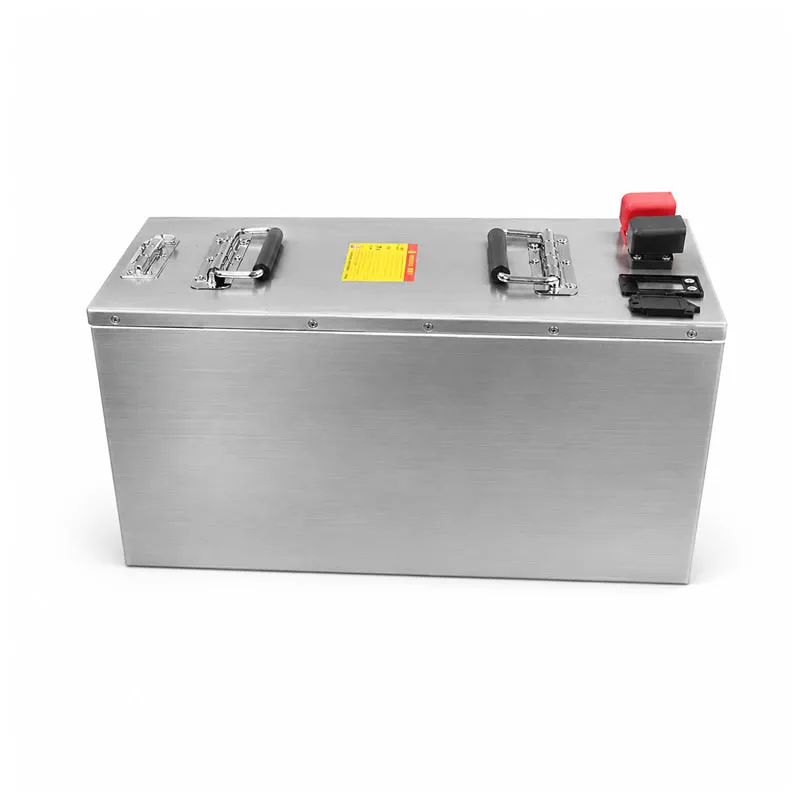
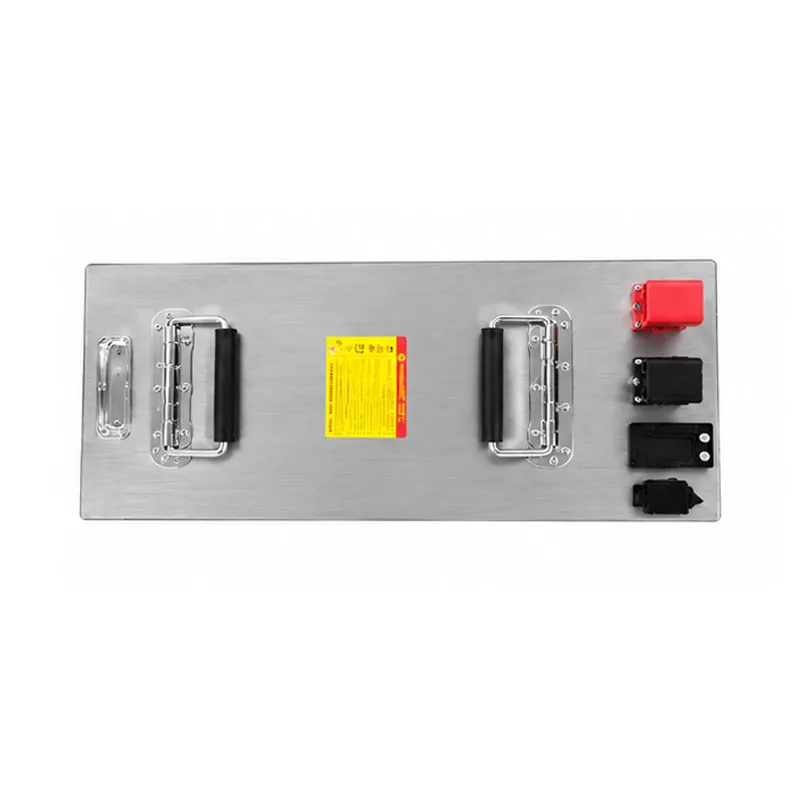
Most 36V Golf Cart Batteries are traditionally arranged using six 6-volt batteries connected in series, creating a full 36-volt system. In some alternative configurations, users may install three 12-volt batteries in series to achieve the same output, depending on space, cost, and maintenance preferences. In modern applications, a single high-capacity 36V Golf Cart Battery lithium pack is increasingly used in lithium conversions, offering higher energy efficiency, faster charging, and reduced maintenance requirements compared to lead-acid systems.
A properly maintained 36V Golf Cart Battery system delivers strong torque, stable driving range, and long service life. It remains a critical component for ensuring consistent cart performance across varied terrains and usage conditions, especially in commercial fleet and high-frequency operation environments.
Types of 36V Golf Cart Batteries
Understanding the 36V Golf Cart Battery landscape is essential for selecting the right power solution for different cart applications and operating environments. 36V Golf Cart Batteries are widely adopted across both recreational and commercial golf carts due to their balance of performance, cost efficiency, and system compatibility.
Lead-Acid Batteries
Lead-acid batteries remain the traditional standard for many 36V golf cart batteries. Most lead-acid golf cart batteries last approximately 4–6 years under normal conditions when properly maintained. Poor charging practices, extreme temperatures, and deep discharging can shorten their lifespan significantly.
AGM Golf Cart Batteries
AGM batteries are sealed lead-acid batteries designed to reduce maintenance requirements. Unlike Lead-Acid batteries, AGM models do not require water refilling and generally produce less corrosion around the battery terminals. However, AGM batteries are still heavier than lithium alternatives and usually do not last as long as modern lithium systems.
Lithium Golf Cart Batteries
Modern lithium golf cart batteries have become the fastest-growing upgrade option. A high-quality 36V lithium golf cart battery provides several advantages:
- Faster charging
- Much lighter weight
- Longer cycle life
- Maintenance-free operation
- Consistent voltage output
Our research showed that many golf cart owners also improve acceleration and hill-climbing performance after switching to a lithium battery for golf cart applications because lithium packs can reduce overall vehicle weight substantially.
Lithium vs Lead-Acid Which Is Better for a 36V Golf Cart?
Here we’ll mainly compare the lithium battery with lead-acid battery for a 36V golf cart.
| Feature | Lithium battery | Lead-Acid battery |
|---|---|---|
| Lifespan | 4000+ cycles | 500-1000 cycles |
| Weight | Much lighter | Heavy |
| Charging Speed | Fast | Slow |
| Maintenance | None | Regular watering |
| Cost | Higher upfront | Cheaper |
Above the comparison table, we can know that lithium batteries outperform lead-acid batteries in lifespan, charging efficiency, and usable capacity. What’s more, lithium batteries can last 8–12 years or approximately 3,000–5,000 charge cycles, while traditional lead-acid batteries typically deliver 500–1,000 cycles. However, lead-acid batteries still make sense for you if you use carts occasionally.
Signs You Need a Golf Cart Battery Replacement
When maintaining a 36V Golf Cart Battery system, recognizing early failure symptoms is essential to avoid unexpected downtime and performance loss. Most 36V Golf Cart Batteries degrade gradually over time due to charge cycles, sulfation, and improper charging habits. If you notice any of the following issues, it may be time to consider a golf cart battery replacement:
1. Reduced Driving Range
One of the earliest indicators of battery degradation is a noticeable drop in driving range. If your golf cart can no longer complete a full course or typical route on a single charge, the internal capacity of the batteries is likely declining.
2. Slow Acceleration
Weak or sluggish acceleration often points to insufficient voltage output. As batteries age, they struggle to deliver consistent power, especially under load or on inclines.
3. Batteries Won’t Hold a Charge
If your battery pack drains quickly after charging or fails to reach full charge, this is a strong sign of internal cell damage or sulfation buildup. This issue usually worsens over time and cannot be resolved with basic maintenance.
4. Corrosion and Swelling
Physical damage such as terminal corrosion, leakage, or swelling indicates advanced battery failure. These conditions are not only performance-related but also safety concerns, requiring immediate replacement.
How to Choose the Best 36V Golf Cart Battery?
So, how could we select the right 36V Golf Cart Battery? The answer depends on several key technical and usage-related factors that directly impact performance, lifespan, and overall value. Choosing the correct 36V Golf Cart Batteries setup ensures better efficiency, reliability, and long-term cost savings.

The Right Battery Chemistry
At first, you should evaluate the battery chemistry when selecting a 36V Golf Cart Battery system. For occasional use, traditional lead-acid batteries remain a cost-effective and widely used option for many 36V Golf Cart Batteries configurations. They are affordable upfront and suitable for light-duty applications.
However, for daily or high-frequency usage, lithium-based 36V Golf Cart Batteries are increasingly preferred. Lithium golf cart batteries deliver superior energy density, longer lifespan, faster charging capability, and minimal maintenance requirements, making them a stronger long-term investment.
Golf Cart Compatibility
Then, you need to ensure proper compatibility between your cart and the chosen 36V Golf Cart Battery. Not every battery pack fits every golf cart model, even within standard 36V Golf Cart Batteries systems. Voltage consistency, physical dimensions, connector type, and BMS configuration all matter when determining fitment.
Charging Speed
Charging performance is another important consideration for any 36V Golf Cart Battery setup. Battery capacity and chemistry both influence how quickly the system recharges. Higher-quality lithium 36V Golf Cart Batteries typically support faster charging cycles, reducing downtime and improving operational efficiency.
Warranty and Cycle Life
Warranty coverage is often a strong indicator of the reliability of a 36V Golf Cart Battery. Premium lithium 36V Golf Cart Batteries frequently offer warranties ranging from 5 to 10 years, reflecting their extended cycle life and durability. In contrast, conventional lead-acid options usually come with shorter warranty periods and lower overall cycle counts.
Benefits of Upgrading to a 36V Lithium Golf Cart Battery
Many golf cart owners are replacing traditional lead-acid systems with a modern 36V Golf Cart Battery built on lithium technology. While the upfront investment is higher, the long-term benefits often outweigh the initial cost, particularly for users who rely on their carts frequently.
Longer Service Life
A premium lithium 36V Golf Cart Battery can typically provide 3,000–5,000 charge cycles, significantly exceeding the lifespan of conventional lead-acid batteries. This extended cycle life reduces replacement frequency and lowers long-term ownership costs.
Reduced Vehicle Weight
One of the most noticeable advantages of lithium technology is weight reduction. A lithium battery pack can weigh 50%–70% less than an equivalent lead-acid setup. The lighter weight improves acceleration, handling, braking efficiency, and hill-climbing capability.
Faster Charging Performance
Lithium batteries accept charge more efficiently than lead-acid batteries. Many lithium systems can reach a full charge within a few hours, minimizing downtime and maximizing vehicle availability.
Maintenance-Free Operation
Unlike flooded lead-acid batteries, lithium systems do not require watering, equalization charging, or regular terminal cleaning. This maintenance-free design makes them especially attractive for commercial fleets and golf course operators.
Better Energy Efficiency
Lithium batteries maintain stable voltage throughout the discharge cycle, allowing golf carts to deliver more consistent performance and driving range from a single charge.
Common Applications of 36V Golf Cart Batteries
A 36V Golf Cart Battery system is not limited to traditional golf course transportation. Thanks to its reliable power output and proven performance, it is widely used in various electric vehicle and utility applications.

Golf Courses
Many older golf carts from brands such as EZGO, Club Car, and Yamaha continue to operate using 36V Golf Cart Batteries. These systems provide sufficient power and range for daily course operations.
Residential Communities
In gated communities, retirement neighborhoods, and large private properties, golf carts equipped with 36-volt battery systems offer a convenient and cost-effective transportation solution for short-distance travel.
Resorts and Hotels
Resorts frequently use electric carts for guest transportation, housekeeping, and maintenance operations. A dependable battery system helps ensure uninterrupted service throughout the day.
Utility and Maintenance Vehicles
Many light-duty utility carts used for landscaping, groundskeeping, and facility maintenance rely on a 36V Golf Cart Battery setup to power daily operations while maintaining low operating costs.
As electric mobility continues to expand, 36V Golf Cart Batteries remain a practical and reliable power source for a wide range of recreational and commercial applications.
How to Maximize the Lifespan of Your 36V Golf Cart Battery?
Regardless of battery chemistry, proper maintenance practices play a major role in extending the lifespan of a 36V Golf Cart Battery system and protecting your investment.
Charge After Every Use
Avoid storing batteries in a partially discharged state. Recharging promptly after use helps maintain battery health and prevents capacity loss over time.
Use the Correct Charger
Always use a charger specifically designed for your battery chemistry and voltage. Using an incompatible charger may reduce efficiency, damage battery cells, or shorten overall lifespan.
Avoid Deep Discharging
Frequent deep discharges place additional stress on battery cells. Keeping the battery above recommended discharge levels can significantly improve cycle life.
Store Batteries Properly
If the golf cart will remain unused for an extended period, store the batteries in a cool, dry environment. Extreme heat and freezing temperatures can accelerate battery degradation.
Perform Regular Inspections
For lead-acid batteries, routinely check water levels, terminal connections, and signs of corrosion. For lithium systems, inspect cables, connectors, and the battery management system (BMS) for proper operation.
Follow Manufacturer Guidelines
Every battery manufacturer provides specific charging, storage, and maintenance recommendations. Following these guidelines helps ensure optimal performance and maximum service life.
Common Questions on Golf Cart Battery
1.How long do 36V golf cart batteries last?
From our experience, a 36V lithium golf cart battery using LiFePO4 cells can usually last 7–10 years or about 3,000–5,000 charge cycles with proper charging habits. Traditional lead-acid batteries normally last around 3–5 years.
2.How many batteries do I need for a 36V golf cart?
In most cases, if you have 6 batteries you have 36 volts. If you have 4 batteries it is usually 48 volt. 4 batteries at 12 volts each is 48 volts. Either read the specs on the battery to find the battery voltage or use a voltmeter.
3.How much to replace 36V golf cart battery?
Based on current market prices, I usually see a full set of 36 volt golf cart batteries cost around $600–$900 for lead-acid batteries. A lithium battery for golf cart upgrades generally costs more but offers a longer lifespan and lower maintenance.
4.Can I replace lead-acid batteries with a lithium battery in a 36V golf cart?
Yes. Many golf cart owners upgrade from lead-acid to lithium batteries because lithium systems offer longer lifespan, faster charging, lighter weight, and lower maintenance. However, you should verify that the battery size, voltage, charger, and battery management system (BMS) are compatible with your golf cart before installation.
5.Can I leave my golf cart battery on the charger overnight?
In most cases, yes. Modern smart chargers automatically stop charging or switch to maintenance mode when the battery reaches full capacity. However, using a charger specifically designed for your battery type is recommended to maximize battery life and safety.
6.What is the best battery type for a 36V golf cart?
For most users, lithium batteries are considered the best option because they provide longer cycle life, faster charging, lighter weight, and maintenance-free operation. However, lead-acid batteries remain a practical choice for occasional users who want a lower upfront purchase cost.
Conclusion
The right 36V Golf Cart Battery depends largely on how the golf cart is used. Traditional lead-acid batteries continue to offer affordable and proven performance, especially trusted brands like Trojan golf cart batteries. However, modern lithium golf cart batteries provide significant advantages in lifespan, charging speed, efficiency, and maintenance reduction.