The electrification of two-wheel mobility is no longer a speculative trajectory; it is an industrial acceleration. Across logistics fleets, shared mobility operators, and premium OEM motorcycle brands, the demand for high-voltage energy systems has intensified. Among these configurations, the 72V E-Motorcycle Battery has emerged as a dominant architecture for balancing torque output, energy density, and operational endurance.
This voltage class is not arbitrary. It reflects a calibrated engineering compromise between safety thresholds, inverter efficiency, and motor performance curves. Higher voltage systems reduce current load, thereby minimizing thermal stress and improving overall drivetrain efficiency. Yet, they also demand more rigorous battery management and cell balancing strategies.
For B2B buyers, OEM integrators, and mobility platform operators, understanding the technical and commercial implications of a 72V system is essential before procurement or integration decisions are made. The stakes extend beyond performance into lifecycle economics, supply chain stability, and regulatory compliance.
In this comprehensive guide, we explore the structural, electrical, and strategic dimensions of the 72V E-Motorcycle Battery, offering a grounded framework for informed selection and deployment.
What Is a 72V E-Motorcycle Battery?
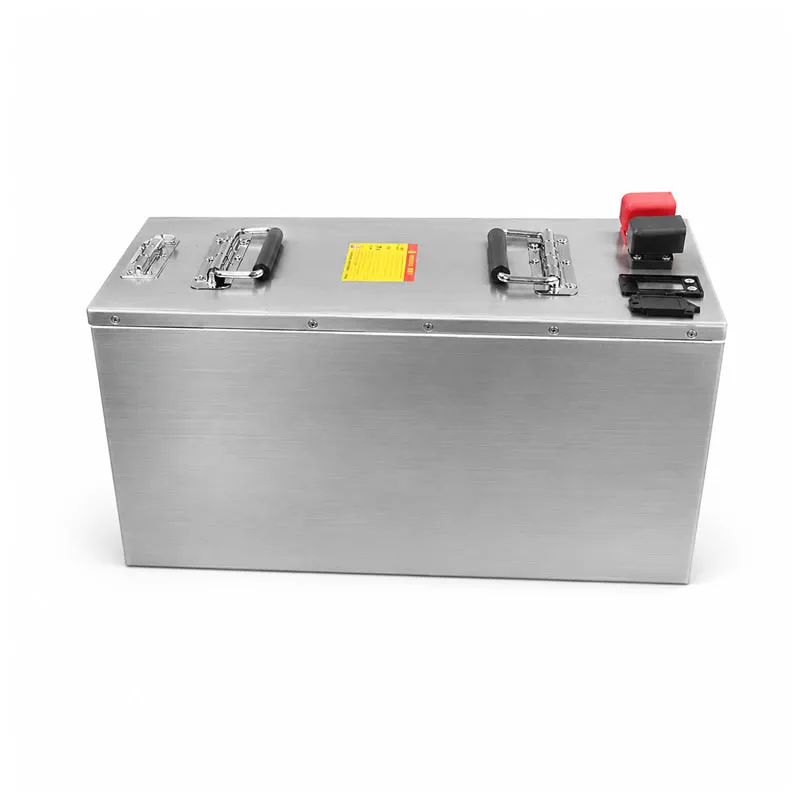
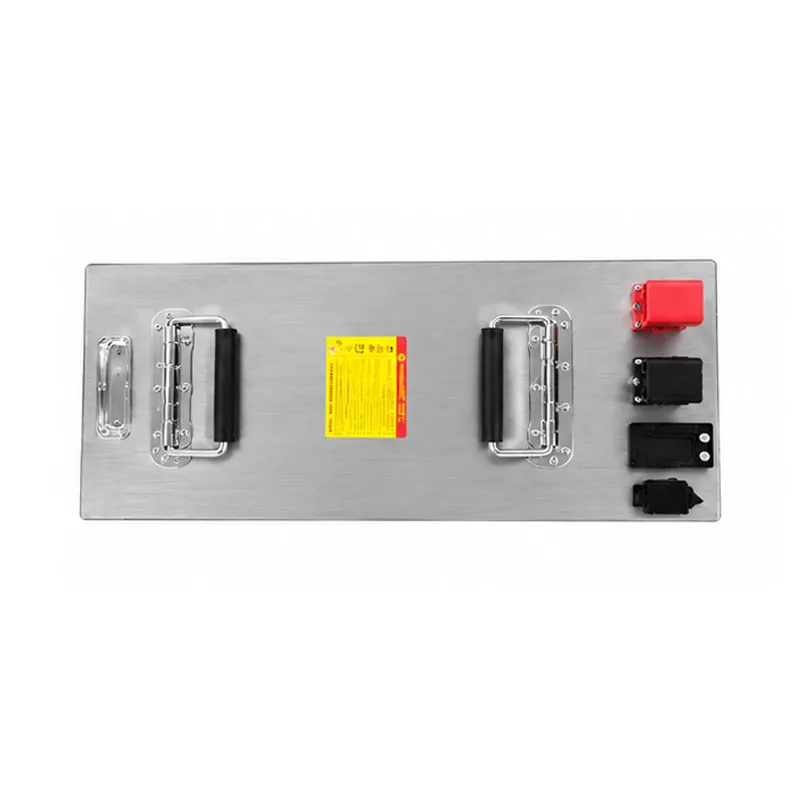
A 72V E-Motorcycle Battery is a rechargeable battery pack designed to power electric motorcycles, electric scooters, and other high-voltage two-wheel electric mobility systems. The “72V” usually refers to the nominal voltage of the battery system, which is created by connecting multiple cells in series.
Compared with 48V or 60V systems, a 72V battery platform can support stronger power output under the same current conditions. This helps reduce current load, improve drivetrain efficiency, and support better acceleration, hill-climbing ability, and top-speed stability.
In OEM electric motorcycle projects, a 72V E-Motorcycle Battery is often used for vehicles that require higher torque, longer operating range, or more stable performance under load. It is especially suitable for commercial motorcycles, delivery vehicles, fleet motorcycles, and performance-oriented urban mobility products.
For buyers who are still comparing voltage platforms, this electric motorcycle lithium battery guide can be used as a broader reference before selecting a specific voltage system.
Why Do OEM Projects Use a 72V E-Motorcycle Battery?
OEM manufacturers choose a 72V E-Motorcycle Battery because it offers a strong balance between performance and system efficiency. In electric motorcycles, voltage directly affects how the battery, controller, and motor work together.
A higher voltage system can reduce the current required to deliver the same power output. Lower current can reduce heat generation in cables, connectors, controllers, and battery cells. This is important for electric motorcycles that need stable acceleration, repeated start-stop operation, or continuous riding under heavy load.
For B2B and OEM buyers, the main advantages include:
Better acceleration and climbing performance
More stable output under high load
Improved motor and controller efficiency
Lower heat stress compared with lower-voltage high-current systems
Better suitability for medium- and high-power motorcycle platforms
More flexible capacity options for fleet or commercial use
However, a 72V E-Motorcycle Battery also requires better system design. The BMS, wiring, connectors, controller settings, charger, and casing structure must be properly matched. This is why OEM buyers should evaluate the battery as a complete power system, not as a simple replacement part.
What Specifications Matter Most When Choosing a 72V E-Motorcycle Battery?
When selecting a 72V E-Motorcycle Battery, buyers should look beyond the voltage label. The most important specifications include capacity, energy, discharge rate, cycle life, BMS protection, size, weight, and charging compatibility.

| Specification | Why It Matters | What OEM Buyers Should Check |
|---|---|---|
| Nominal Voltage | Determines system compatibility | Match with motor, controller, and charger |
| Capacity | Affects riding range | Check Ah and Wh, not Ah alone |
| Continuous Discharge Current | Affects stable riding power | Match with motor power demand |
| Peak Discharge Current | Affects acceleration and climbing | Confirm short-term high-current capability |
| Cycle Life | Affects long-term cost | Check test conditions and remaining capacity standard |
| BMS Functions | Affects safety and reliability | Confirm protection, balancing, and communication options |
| Cell Chemistry | Affects safety, weight, and cycle life | Choose LiFePO4 or NMC based on application |
| Casing Size | Affects vehicle integration | Confirm available battery compartment space |
| Waterproof Level | Affects outdoor durability | Consider rain, road splash, and humidity |
| Certification | Affects market entry | Check target market compliance requirements |
A high-quality 72V E-Motorcycle Battery should provide stable voltage output, controlled temperature behavior, reliable current delivery, and consistent performance across repeated charge and discharge cycles.
How Do Capacity and Energy Affect Riding Range?
Capacity is often one of the first details buyers compare, but it should not be evaluated only by amp-hours. A 72V 30Ah battery and a 72V 50Ah battery are very different in total energy.
The basic calculation is:
Voltage × Amp-hours = Watt-hours
For example:
72V × 30Ah = 2,160Wh
72V × 40Ah = 2,880Wh
72V × 50Ah = 3,600Wh
A higher Wh value generally means longer riding range, but real-world range also depends on motor power, riding speed, rider weight, terrain, tire resistance, controller efficiency, and driving behavior.
For OEM projects, capacity selection should be based on the expected use case. A delivery motorcycle may need a larger battery for longer daily mileage, while a lightweight urban commuter may prioritize compact size and lower weight.
If your project needs a ready reference for a specific high-capacity model, this 72V 50Ah electric motorcycle battery can be used as a product-level comparison point.
Which Battery Chemistry Is Better for a 72V E-Motorcycle Battery?
The most common lithium battery chemistries for electric motorcycles are LiFePO4 and NMC. Lead-acid batteries can also be configured into a 72V system, but they are becoming less suitable for modern OEM motorcycle projects because of their heavy weight, lower usable capacity, and shorter service life.

| Battery Type | Main Advantages | Main Limitations | Suitable Applications |
|---|---|---|---|
| LiFePO4 | Strong safety, long cycle life, good thermal stability | Lower energy density than NMC | Fleet motorcycles, commercial use, long-life OEM projects |
| NMC | Higher energy density, lighter weight, strong power output | Requires stricter thermal and BMS management | Performance motorcycles, compact high-range designs |
| Lead-Acid | Lower upfront cost | Heavy, shorter life, lower efficiency | Low-cost legacy replacement only |
For many B2B buyers, a LiFePO4-based 72V E-Motorcycle Battery is a practical choice when safety, cycle life, and long-term cost control are priorities. For premium or performance-oriented electric motorcycles, NMC may be suitable when the project requires lighter weight and higher energy density.
The best choice depends on the vehicle’s power level, target price, expected service life, certification requirements, and available battery space.
How Important Is the BMS in a 72V E-Motorcycle Battery?
The Battery Management System, or BMS, is one of the most important parts of a 72V E-Motorcycle Battery. It protects the battery pack, monitors operating conditions, and helps maintain stable performance over time.
A reliable BMS should support:
- Cell voltage monitoring
- Cell balancing
- Overcharge protection
- Over-discharge protection
- Overcurrent protection
- Short-circuit protection
- Temperature monitoring
- Charging and discharging cut-off control
- SOC and SOH estimation
- Optional communication with the controller or display
For OEM applications, the BMS should not be treated as a basic safety accessory. It directly affects battery life, system stability, service diagnostics, and user experience.
A weak BMS may allow cell imbalance, inaccurate battery percentage display, voltage sag, overheating, or premature capacity loss. A well-designed BMS helps the 72V E-Motorcycle Battery operate safely under repeated acceleration, long-distance riding, and daily fleet usage.
For advanced OEM projects, smart BMS functions can also support CAN, RS485, Bluetooth, or customized communication protocols. This is useful for fleet management, after-sales diagnostics, and battery health monitoring.
How Should a 72V E-Motorcycle Battery Match the Motor and Controller?
A common mistake is assuming that voltage compatibility alone is enough. In reality, a 72V E-Motorcycle Battery must match the motor and controller in voltage, current, power demand, protection limits, and communication logic.
OEM buyers should confirm:
- Motor rated power and peak power
- Controller rated voltage range
- Controller continuous and peak current
- Battery continuous discharge current
- Battery peak discharge current
- Low-voltage cut-off settings
- Connector type and cable size
- Charger voltage and charging current
- Communication requirements between BMS and controller
For example, a 72V battery pack used with a high-power motor must provide enough continuous discharge current to avoid voltage sag during acceleration. If the battery current capability is too low, the motorcycle may feel weak, lose power on hills, or trigger BMS protection.
A good 72V E-Motorcycle Battery supplier should be able to review the motor and controller parameters before recommending a battery configuration. This is especially important for OEM projects where the battery must be integrated into a new vehicle platform.
What Certifications Should a 72V E-Motorcycle Battery Have?
Certification requirements depend on the target market, product type, and sales channel. However, OEM and B2B buyers should never ignore compliance when purchasing a 72V E-Motorcycle Battery.
Common battery-related certifications and standards may include:
- 3 for lithium battery transportation
- MSDS for battery shipping and handling documentation
- CE for applicable European market requirements
- RoHS for restricted substances compliance
- IEC62133 or IEC62619 depending on battery type and application
- UL 2271 or UL 2849 for specific light electric vehicle or battery system applications in certain markets
- UN R136 for relevant electric vehicle safety requirements in applicable vehicle categories
Not every project requires every certification. The correct certification path depends on where the vehicle will be sold, how the battery will be shipped, and whether the battery is sold as a component or integrated into a complete vehicle.
For OEM buyers, the safest approach is to confirm target market requirements early. Choosing a non-certified 72V E-Motorcycle Battery may reduce upfront cost, but it can create shipping delays, customs issues, product launch risks, or market access problems later.
How Do You Choose a Reliable 72V E-Motorcycle Battery Supplier?
Supplier selection is a major part of the purchasing decision. A 72V E-Motorcycle Battery is not just a standard component; it affects the entire electric motorcycle platform.
A reliable supplier should provide stable production capability, technical customization, quality control, and after-sales support. OEM buyers should evaluate the supplier from several angles.
Manufacturing Capability
Check whether the supplier has stable production lines, cell matching processes, pack assembly experience, aging tests, and quality inspection procedures. Consistency is critical for OEM projects because one unstable batch can create large after-sales pressure.
Engineering Support
A strong supplier should be able to support battery layout, casing design, BMS configuration, connector selection, discharge requirements, and charger matching. This is especially important when developing a customized electric motorcycle battery system.
Quality Control
Ask about incoming cell inspection, welding quality, insulation testing, capacity testing, charge-discharge testing, aging tests, and final pack inspection. A good 72V E-Motorcycle Battery should be tested before delivery, not only assembled.
OEM and ODM Flexibility
Different electric motorcycle projects may require different casing structures, mounting methods, communication protocols, wire outlets, connectors, and waterproof designs. A supplier with OEM/ODM experience can reduce integration difficulty.
Supply Chain Stability
For B2B buyers, supply continuity matters. Check lead time, production capacity, cell sourcing stability, and whether the supplier can support repeat orders with consistent specifications.
If your business is comparing different electric motorcycle battery categories, this e-motorcycle battery product category can help with product range planning.
Is a 72V E-Motorcycle Battery Better Than a 48V Battery?
A 72V E-Motorcycle Battery is generally better for higher-power motorcycles, faster acceleration, heavier loads, and stronger climbing performance. A 48V battery is more common in lower-power electric motorcycles, scooters, and lightweight commuting vehicles.
The better option depends on the product positioning. If the vehicle is designed for urban commuting at moderate speeds, a 48V system may be enough. If the motorcycle needs stronger performance, commercial durability, or higher power output, a 72V system is usually more suitable.
For buyers comparing lower-voltage options, this 48V lithium battery for electric motorcycle article may be useful as a comparison reference.
Frequently Asked Questions
1.What is the best 72V battery type for electric motorcycle OEM production?
For many OEM projects, LiFePO4 and NMC are the two most common options. LiFePO4 is suitable for buyers who prioritize safety, long cycle life, and stable commercial use. NMC is suitable for projects that require higher energy density, lighter weight, and stronger performance. The best 72V E-Motorcycle Battery chemistry depends on the vehicle design, target market, and performance goals.
2.How fast does a 72V electric motor go?
A 72V system can support strong speed performance, but voltage alone does not determine top speed. Motor power, controller current, wheel size, gearing, vehicle weight, aerodynamics, and software settings all affect the final speed. OEM buyers should evaluate the full powertrain instead of judging performance only by battery voltage.
3.Can a 52V battery be used instead of a 72V system?
In most cases, no. A 52V battery should not be used as a direct replacement for a 72V system. It may cause undervoltage protection, poor acceleration, display errors, or controller mismatch. It should only be considered if the controller and full electrical system are designed or professionally reconfigured for the lower voltage range.
4.What certifications are required for a 72V E-Motorcycle Battery?
The required certifications depend on the destination market and application. Common documents may include UN38.3, MSDS, CE, RoHS, IEC-related standards, and sometimes UL or vehicle-level compliance requirements. OEM buyers should confirm certification needs before mass production.
5.How do B2B buyers choose a 72V E-Motorcycle Battery supplier?
B2B buyers should evaluate technical capability, production consistency, BMS design, certification support, customization ability, quality control, and after-sales engineering support. The cheapest supplier is not always the best choice, especially for OEM projects that require long-term stability.
Conclusion
Choosing a 72V E-Motorcycle Battery is a system-level decision. The right battery must match the motor, controller, charger, vehicle structure, safety requirements, and target market. Buyers should not select a battery only by voltage and capacity. BMS quality, discharge performance, certification documents, casing design, and supplier engineering support are equally important.
For OEM manufacturers, fleet operators, and electric motorcycle brands, a well-designed 72V E-Motorcycle Battery can improve riding performance, reduce maintenance pressure, support longer service life, and create a more reliable user experience.
If you are developing or upgrading an electric motorcycle project, working with a supplier that understands OEM battery integration can help reduce technical risk and improve product competitiveness in the market.