Commercial trucking depends on uptime, fuel control, driver comfort, and predictable maintenance. When a truck is parked, the engine should not need to idle just to power cabin loads. A 24V truck parking battery is designed to solve that problem by supplying stable auxiliary power while the engine stays off.
For fleet operators, a 24V truck parking battery is more than a replacement part. It is an energy management tool that can reduce idling, support cabin comfort, protect starting power, and lower long-term operating cost. Lead-acid batteries can still provide basic parking power, but they often bring more weight, slower charging, shorter service life, and higher maintenance demand.
This guide compares a 24V truck parking battery with lead-acid solutions across performance, efficiency, charging, lifespan, maintenance, driver comfort, sustainability, and return on investment. For buyers comparing different capacity options, FEBATT offers a dedicated range of truck parking battery solutions for B2B fleet applications.
What Is a 24V Truck Parking Battery?

A 24V truck parking battery is an auxiliary power system used to support electrical loads while a truck is stationary. It can power lighting, parking air conditioning, ventilation, refrigerators, communication devices, monitoring equipment, and other onboard systems without requiring engine idling.
Unlike a starter battery, a 24V truck parking battery is built for longer discharge time. A starter battery provides a short burst of current to start the engine. A parking battery provides steady energy over a longer period. This difference matters because cabin loads require stable output, not only high cranking current.
Modern systems often use LiFePO4 chemistry because it offers long cycle life, thermal stability, high usable capacity, and low maintenance. For fleet buyers, a LiFePO4-based 24V truck parking battery can provide a more reliable power platform than conventional lead-acid batteries.
What Are Lead-Acid Solutions for Truck Parking Power?
Lead-acid batteries have been used in trucks for decades. They are familiar, widely available, and usually cheaper at the point of purchase. Common options include flooded lead-acid, AGM, gel, and enhanced lead-acid designs.
For light or occasional auxiliary use, lead-acid systems may still be acceptable. However, truck parking power is often a deep-cycle application. Batteries may need to support hours of cabin operation, repeated daily discharge, and frequent charging. In these conditions, lead-acid batteries tend to show clear limitations.
Compared with a 24V truck parking battery based on lithium technology, lead-acid solutions usually have lower usable capacity, heavier weight, slower charging, and shorter cycle life. They can function, but they often require more maintenance and more frequent replacement.
Why Are Fleet Operators Replacing Lead-Acid Batteries?
Fleet operators are moving away from lead-acid systems because the total cost of ownership is becoming more important than the initial purchase price. A cheaper battery can become expensive if it fails early, charges slowly, or creates downtime.
A 24V truck parking battery can improve fleet economics by reducing replacement frequency, lowering maintenance work, and supporting anti-idling operation. When drivers can run cabin systems without idling the engine, fleets can reduce fuel consumption and unnecessary engine wear.
Driver expectations are also changing. Long-haul and regional drivers need quiet, stable cabin power for rest periods. A properly selected 24V truck parking battery can support air conditioning, lights, charging devices, and other equipment while keeping the cabin more comfortable and less noisy.
24V Truck Parking Battery vs Lead-Acid: Performance Comparison
Performance is one of the clearest differences between the two technologies. A 24V truck parking battery usually maintains a steadier voltage during discharge. This helps cabin systems operate more consistently, especially when multiple loads are running at the same time.
Lead-acid batteries tend to experience more voltage drop under load. As voltage declines, the useful power available to the cabin can become less stable. This can affect lights, electronics, refrigeration, and comfort systems.
Another key point is usable depth of discharge. A lithium 24V truck parking battery can often use more of its stored energy without the same level of damage that deep discharge causes to lead-acid batteries. This means more practical runtime from the same nominal capacity.
| Factor | 24V Truck Parking Battery | Lead-Acid Solution |
|---|---|---|
| Usable capacity | Higher | Lower |
| Voltage stability | More stable | More voltage sag |
| Weight | Lighter | Heavier |
| Charging speed | Faster with compatible charger | Slower |
| Cycle life | Longer | Shorter |
| Maintenance | Lower | Higher |
| Long-term cost | Better for frequent use | Lower upfront cost only |
Which Option Provides Better Energy Efficiency?
Energy efficiency affects operating cost every day. A lead-acid battery loses more energy during charging and discharging. That means more input energy is needed to deliver the same usable output.
A 24V truck parking battery typically offers higher round-trip efficiency. More of the stored energy is available for cabin systems, and less energy is wasted as heat. For one truck, the difference may look small. Across a fleet, it becomes meaningful.
Higher efficiency also improves charging planning. A more efficient 24V truck parking battery can recover usable energy faster and reduce idle time between operating cycles. This supports better vehicle availability and cleaner energy management.
How Do Maintenance Requirements Compare?
Maintenance is where lead-acid systems create hidden costs. Flooded lead-acid batteries may require electrolyte checks, terminal cleaning, ventilation awareness, and careful charging management. AGM and gel designs reduce some maintenance, but they still have shorter cycle life under demanding deep-cycle use.
A modern 24V truck parking battery usually requires less routine maintenance. With an integrated BMS, the system can manage cell balancing, overcharge protection, over-discharge protection, and temperature-related safeguards.
For fleet operations, lower maintenance means fewer technician hours, fewer service interruptions, and more predictable operation. A low-maintenance 24V truck parking battery is easier to scale across multiple trucks.
Which Battery Charges Faster?
Charging speed matters because trucks often have limited parking or turnaround windows. If the battery cannot recover energy quickly enough, it may not be ready for the next rest period or route.
A 24V truck parking battery can often charge faster than a lead-acid system when paired with a compatible charger. Lithium chemistry accepts charge more efficiently and can reach usable charge levels faster.
Lead-acid batteries usually require a slower charging profile to protect battery life. Aggressive charging can cause heat, gas generation, and faster degradation. For fleets with tight schedules, the faster charging behavior of a 24V truck parking battery can improve vehicle readiness.
How Do They Perform in Extreme Temperatures?
Temperature affects every battery. Cold weather reduces available capacity, while high heat accelerates aging. Lead-acid batteries can lose noticeable capacity in low temperatures and degrade faster in repeated heat exposure.
A well-designed 24V truck parking battery can perform more consistently across demanding conditions, especially when it includes temperature protection and BMS monitoring. LiFePO4 chemistry is also known for good thermal stability.
This does not mean any battery can ignore temperature limits. Fleet buyers should still check operating temperature range, charging temperature range, and protection settings. The best 24V truck parking battery should be matched to the truck’s working environment.
How Does a 24V Truck Parking Battery Improve Driver Comfort?
Driver comfort is a business issue. Rest quality affects driver satisfaction, safety, and retention. When drivers must rely on engine idling for cabin power, they deal with noise, vibration, fuel consumption, and emissions.
A 24V truck parking battery allows cabin loads to run with the engine off. It can support parking air conditioning, fans, lights, device charging, communication systems, and refrigeration. This creates a quieter and more comfortable rest environment.
For fleets, better comfort can reduce complaints and support driver retention. A reliable 24V truck parking battery helps turn parked time into useful rest time rather than noisy idle time.
Can a 24V Truck Parking Battery Reduce Fuel Consumption?
Yes. One of the strongest reasons to install a 24V truck parking battery is to reduce engine idling. If a truck no longer needs to idle for cabin electricity, fuel consumption can drop.
Less idling also reduces engine hours, wear, noise, and emissions. Over time, these savings can support a stronger return on investment. Lead-acid systems can help reduce idling to some degree, but their shorter runtime and lower usable energy may limit the benefit.
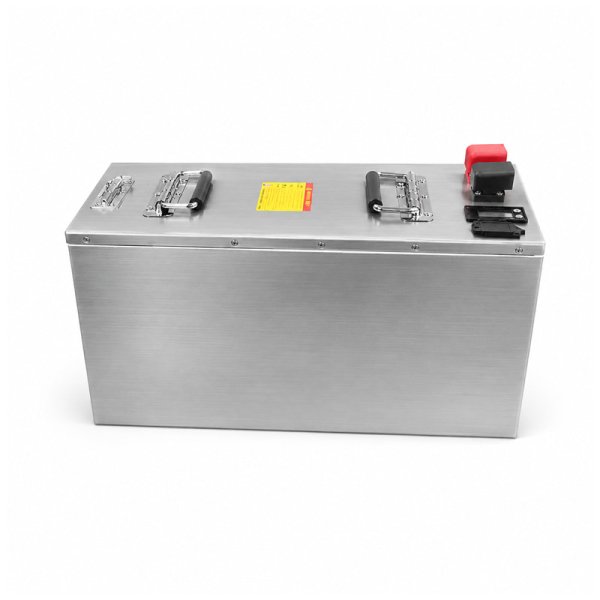
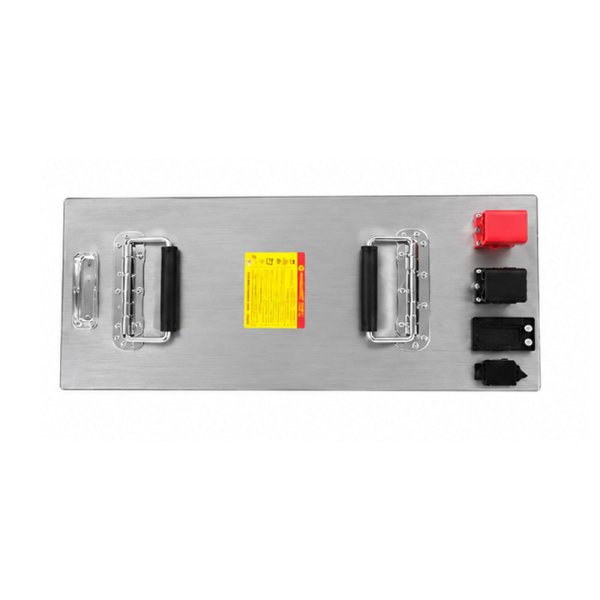
A higher-capacity 24V truck parking battery can support longer parking periods and heavier cabin loads. For example, the 24V 300Ah truck auxiliary LiFePO4 battery is suitable for applications that need extended power for air conditioning and onboard equipment.

Which Battery Supports Fleet Sustainability Targets Better?
Sustainability targets are becoming part of fleet procurement. Companies are expected to reduce unnecessary fuel use, lower emissions, and manage energy more efficiently. A 24V truck parking battery can support these goals by reducing engine idling and improving energy efficiency.
Longer battery service life also helps reduce replacement frequency. Fewer replacements mean less waste, fewer logistics steps, and lower resource demand over time. Lead-acid batteries are recyclable, but they often need replacement sooner in demanding deep-cycle applications.
For fleet operators with sustainability reporting requirements, a 24V truck parking battery can be a practical upgrade that supports both cost control and cleaner operations.
What Should B2B Buyers Consider Before Upgrading?
Before upgrading from lead-acid to a 24V truck parking battery, buyers should evaluate the full system. The battery must match voltage, load profile, installation space, charging setup, cable configuration, and safety requirements.
Buyers should also calculate real auxiliary power demand. What loads need to run? How many hours per day? Is parking air conditioning required? How often can the battery be charged? The answers determine whether a 24V 100Ah, 24V 150Ah, or 24V 300Ah system is more suitable.
For lighter auxiliary loads, a 24V 100Ah LiFePO4 lithium battery may be enough. For stop-start and truck-specific applications, a 24V 150Ah stop-start battery for truck can be considered. For long overnight parking, a higher-capacity 24V truck parking battery is often the better choice.
What Features Should You Look for in a 24V Truck Parking Battery?

A good 24V truck parking battery should combine energy capacity, protection, durability, and integration support. Capacity alone is not enough. The battery must work safely inside a commercial truck system.
Key features to review include:
| Feature | Why It Matters |
|---|---|
| High cycle life | Reduces replacement frequency |
| Strong BMS | Protects against overcharge, over-discharge, and temperature issues |
| Fast charging support | Improves vehicle availability |
| Temperature protection | Supports safer operation in hot and cold conditions |
| Rugged enclosure | Resists vibration, dust, and moisture |
| Compatibility documentation | Helps technicians install the battery correctly |
| Warranty and support | Reduces fleet-scale procurement risk |
The best 24V truck parking battery supplier should provide technical data, installation guidance, and after-sales support. Fleet buyers should avoid products with vague specifications or unclear compatibility.
FAQ About 24V Truck Parking Battery
1.What is the average lifespan of a 24V truck parking battery?
A high-quality 24V truck parking battery, especially one using LiFePO4 chemistry, can often provide thousands of cycles and several years of commercial service. Actual lifespan depends on load, charging habits, depth of discharge, temperature, and installation quality.
2.Are 24V truck parking batteries compatible with existing truck systems?
Many systems are compatible, but the buyer must check voltage, charging architecture, dimensions, cable layout, and load requirements. A 24V truck parking battery should always be verified against the truck’s electrical system before installation.
3.How quickly can a 24V truck parking battery be charged?
Charging speed depends on battery capacity, charger output, BMS settings, and temperature conditions. In many cases, a 24V truck parking battery charges faster than a comparable lead-acid battery when using a compatible charger.
4.What is the typical ROI for fleet operators?
ROI depends on reduced fuel consumption, lower maintenance, longer service life, less downtime, and improved driver comfort. A 24V truck parking battery usually delivers stronger ROI in fleets with high idling time or frequent lead-acid replacement.
5.Is a 24V truck parking battery safe for commercial use?
Yes, if it is properly designed and installed. A commercial 24V truck parking battery should include BMS protection, short-circuit protection, temperature monitoring, overcharge protection, and a rugged enclosure.
Conclusion
A 24V truck parking battery is a practical upgrade for fleets that want to reduce idling, improve driver comfort, lower maintenance, and control long-term operating cost. Lead-acid batteries may still have a lower purchase price, but they often lose value through shorter life, slower charging, heavier weight, and higher maintenance needs.
For light parking loads, a smaller 24V truck parking battery may be enough. For longer rest periods, parking air conditioning, and heavier cabin equipment, a higher-capacity LiFePO4 system is usually more effective.
The best choice is not simply the cheapest battery. The best 24V truck parking battery is the one that fits the truck’s auxiliary load, charging schedule, installation space, and fleet operating strategy. When selected correctly, it becomes a tool for better uptime, lower fuel use, and more reliable parked power.