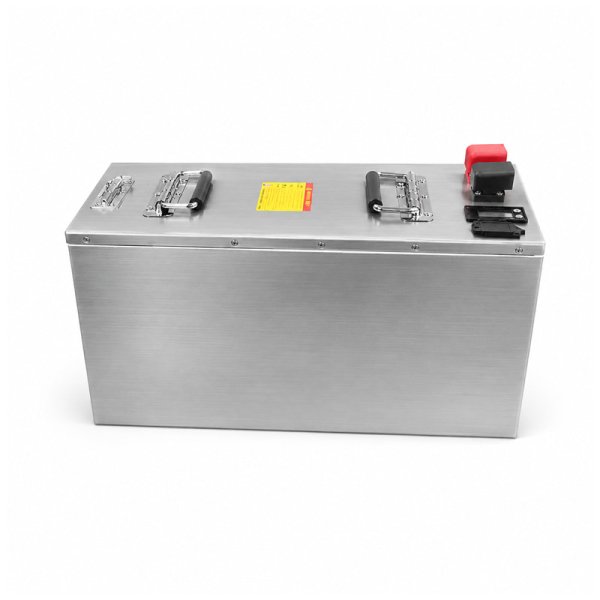
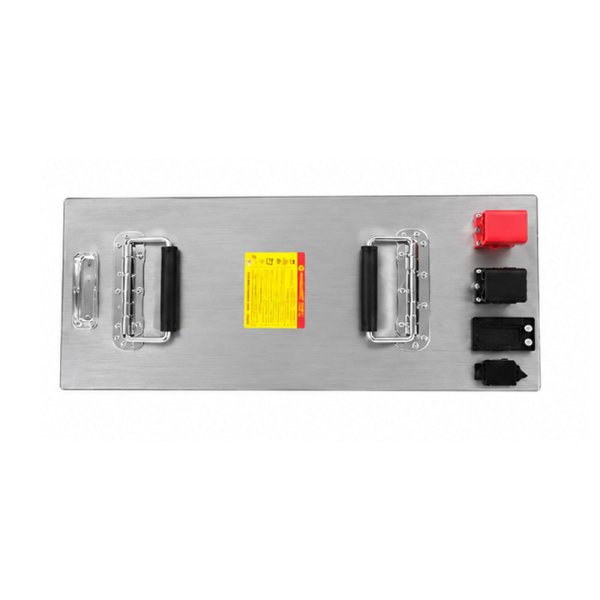
For a commercial electric motorcycle, the 48V 45Ah vs 48V 30Ah battery decision should be tied to route energy, payload, peak current, pack space, charging windows, and fleet reserve—not capacity alone. The 45Ah option provides 50% more nominal energy than 30Ah at the same voltage, but it normally requires more mass, volume, and budget. The 30Ah option can be the better fit when routes are short, payload is moderate, and the vehicle needs a compact pack. For OEM and fleet procurement, both packs must still be checked against controller current, BMS limits, mounting dimensions, connectors, and the heaviest realistic duty cycle.
What Is a 48V 45Ah LFP Power Battery?
A 48V 45Ah LiFePO4 power battery is a mid-capacity battery pack designed for electric motorcycles and light commercial mobility platforms that need longer runtime and stronger reserve capacity. At 48V and 45Ah, the battery stores about 2.16kWh of nominal energy.
In the 48V 45Ah vs 48V 30Ah battery comparison, the 45Ah version is usually preferred when the vehicle needs longer routes, heavier payload support, or fewer charging stops. It gives the motorcycle more usable energy and more flexibility in demanding daily operation.
A 48V 45Ah battery can be especially valuable for delivery motorcycles, commercial fleet vehicles, and models positioned as longer-range electric motorcycles. Because it uses LiFePO4 chemistry, it also offers strong thermal stability and a safer operating profile for repeated charging and discharge.
For buyers requiring more endurance, the 48V 45Ah LFP power battery pack is suitable for applications where daily range, uptime, and commercial reliability matter. In this situation, the 48V 45Ah vs 48V 30Ah battery comparison usually supports the 45Ah option.
What Is a 48V 30Ah LFP Power Battery?
A 48V 30Ah LiFePO4 power battery is a smaller and lighter configuration for electric motorcycles with shorter routes or tighter space requirements. At 48V and 30Ah, it stores about 1.44kWh of nominal energy.
In the 48V 45Ah vs 48V 30Ah battery comparison, the 30Ah version is often chosen for compact vehicle designs, entry-level electric motorcycles, lighter-duty commercial use, and buyers who need a lower upfront cost. It is easier to package and may reduce total vehicle weight.
The 30Ah option can perform well when the route is short, the load is moderate, and charging access is convenient. For manufacturers, the 48V 30Ah LFP battery power pack can help create a practical, affordable electric motorcycle platform without overbuilding the battery system.
However, the smaller reserve means less margin for hills, heavy riders, cargo, detours, or repeated stop-and-go operation. This is why the correct 48V 45Ah vs 48V 30Ah battery choice depends on actual duty cycle, not capacity alone. A practical 48V 45Ah vs 48V 30Ah battery evaluation should also include frame space, charger selection, and expected daily mileage.

What Are the Main Differences Between 48V 45Ah and 48V 30Ah Batteries?
The first difference is energy capacity. A 45Ah battery stores 50% more nominal capacity than a 30Ah battery at the same voltage. That extra energy can improve range, reduce charging frequency, and provide more operating buffer.
The second difference is weight and size. A 30Ah battery is generally lighter and more compact. A 45Ah battery usually requires more space and adds more weight, but it also supports stronger endurance. The 48V 45Ah vs 48V 30Ah battery decision is therefore a trade-off between range and compactness.
| Factor | 48V 30Ah Battery | 48V 45Ah Battery |
|---|---|---|
| Nominal energy | About 1.44kWh | About 2.16kWh |
| Range potential | Shorter | Longer |
| Weight | Lighter | Heavier |
| Upfront cost | Lower | Higher |
| Heavy-load support | Moderate | Stronger |
| Charging time | Shorter | Longer with same charger |
| Best use | Short urban routes | Delivery and longer routes |
For B2B buyers, the 48V 45Ah vs 48V 30Ah battery comparison should start with route length, payload, available installation space, charging access, and target retail price. A clear 48V 45Ah vs 48V 30Ah battery comparison helps prevent overbuying and under-sizing.
Which Battery Delivers Longer Riding Range?
The 48V 45Ah battery delivers longer riding range because it stores more energy. Under similar motor efficiency, rider behavior, terrain, and payload, the 45Ah version can provide a clear range advantage over the 30Ah version.
In the 48V 45Ah vs 48V 30Ah battery comparison, the 45Ah option usually supports longer daily operation and fewer range-related interruptions. This matters for delivery riders, fleet vehicles, and users who need predictable range across a full working day.
The 30Ah battery can still be suitable for short urban use. If the vehicle travels limited daily mileage and returns to charging frequently, the smaller battery may be enough. But when range confidence is important, the 48V 45Ah vs 48V 30Ah battery comparison favors the 45Ah model. For fleet buyers, the 48V 45Ah vs 48V 30Ah battery decision should be tied to the longest daily route, not the average route alone.
Which Battery Performs Better Under Heavy Loads?
Heavy-load performance is another important factor. Electric motorcycles used for cargo, delivery, or two-person riding often need stronger reserve power. A larger battery can reduce voltage sag and support more stable performance under stress.
In the 48V 45Ah vs 48V 30Ah battery comparison, the 45Ah battery is generally better for heavier loads. It has more stored energy and more operating margin, which helps the vehicle maintain performance during acceleration, uphill riding, or repeated stop-and-go use.
The 30Ah battery can work well in lighter applications, but it may reach its lower reserve limit faster in demanding use. For delivery fleets and heavier commercial use, the 48V 45Ah vs 48V 30Ah battery choice often leans toward the 45Ah battery. The 48V 45Ah vs 48V 30Ah battery comparison is especially useful when buyers need to balance load demand with installation space.

Which Battery Offers Better Cost Efficiency?
Cost efficiency depends on how the vehicle is used. The 30Ah battery usually has a lower purchase price, making it attractive for entry-level motorcycles and projects with strict cost targets.
However, the 48V 45Ah vs 48V 30Ah battery comparison should not focus only on upfront cost. If a 45Ah battery reduces charging interruptions, supports more deliveries, and prevents early replacement pressure, it can offer better long-term value in commercial operation.
For light-duty use, the 30Ah battery can be the more economical choice. For high-utilization fleets, the 45Ah battery may deliver stronger total cost of ownership because it supports longer working time between charges. That is why the 48V 45Ah vs 48V 30Ah battery comparison should include both purchase price and operating productivity.
How Does Battery Capacity Affect Daily Operations?
Battery capacity shapes the daily operating rhythm of an electric motorcycle. More capacity means more range reserve, fewer charging stops, and greater flexibility when routes change unexpectedly.
In the 48V 45Ah vs 48V 30Ah battery comparison, the 45Ah option gives fleet operators more scheduling freedom. It can help absorb traffic delays, additional deliveries, route changes, or heavier payloads. That operating buffer is valuable in commercial work.
The 30Ah option requires tighter energy planning. It is efficient for short routes, but it gives less margin for unexpected demand. Businesses should choose the battery that supports their normal day and their heaviest realistic day. In daily operation, the 48V 45Ah vs 48V 30Ah battery decision can determine whether the battery becomes a flexible power source or a route limitation.
Which Battery Is Better for Electric Motorcycle Manufacturers?
Manufacturers should select battery capacity based on vehicle positioning. A 30Ah battery is suitable for compact electric motorcycles, cost-sensitive models, and vehicles designed for shorter urban routes.
In the 48V 45Ah vs 48V 30Ah battery comparison, the 45Ah option is stronger for premium, commercial, or longer-range electric motorcycle models. It helps manufacturers improve practical range and reduce customer complaints related to insufficient battery reserve.
For OEM buyers, the battery decision also affects frame design, installation space, total vehicle weight, charger selection, and after-sales support. A well-matched battery improves user experience and protects brand reputation. The 48V 45Ah vs 48V 30Ah battery selection also influences model positioning and long-term customer satisfaction.
How Do Charging Requirements Compare?
Charging time is usually shorter for the 30Ah battery because it has less energy to refill. With the same charger, the 45Ah battery needs more time to reach full charge.
In the 48V 45Ah vs 48V 30Ah battery comparison, this creates a practical trade-off. The 30Ah battery can return to service faster after charging, but the 45Ah battery may need charging less often. Fleet operators should decide whether their main bottleneck is charging duration or charging frequency.
Both batteries should use a compatible LiFePO4 charger with the correct voltage and current settings. Before purchasing, buyers must confirm charger compatibility with the battery management system and the supplier’s technical requirements. Charging design is a key part of the 48V 45Ah vs 48V 30Ah battery comparison because capacity affects turnaround planning.
Which Battery Performs Better in Commercial Fleet Applications?
For commercial fleets, the 45Ah battery is usually the stronger option. Fleet economics depend on uptime, route completion, and predictable daily availability. A higher-capacity battery reduces the risk of mid-shift charging and range-related downtime.
In the 48V 45Ah vs 48V 30Ah battery comparison, the 45Ah battery is better suited for delivery operations, shared mobility fleets, campus transport, and business users with high daily utilization. It gives operators more working range and more route flexibility.
The 30Ah battery remains suitable for short-radius routes, lower-mileage vehicles, and fleets with abundant charging access. If the duty cycle is light and controlled, it can be the more cost-effective choice. This makes the 48V 45Ah vs 48V 30Ah battery comparison especially important for mixed-use commercial buyers.

How Should Buyers Choose Between 48V 45Ah and 48V 30Ah?
Buyers should start with three questions: How far does the vehicle travel per day? How much load does it carry? How often can it recharge? These answers usually determine the right capacity. The 48V 45Ah vs 48V 30Ah battery choice becomes much clearer when these three points are measured instead of guessed.
Choose the 45Ah option if the vehicle needs longer range, heavier load support, more reserve capacity, or fewer charging stops. Choose the 30Ah option if the priority is lower cost, lighter weight, compact installation, and short-range use.
The best 48V 45Ah vs 48V 30Ah battery decision is based on real operating data. A battery should support the business model, not force the business to adjust around battery limitations. For B2B buyers, the 48V 45Ah vs 48V 30Ah battery comparison should always connect technical specifications with commercial outcomes.
Quick 48V 45Ah vs 48V 30Ah Battery Selection Summary
For simple procurement review, the 48V 45Ah vs 48V 30Ah battery choice can be summarized by daily workload. Choose the 45Ah option when the 48V 45Ah vs 48V 30Ah battery comparison involves longer routes, heavier cargo, fewer charging windows, or higher fleet utilization. Choose the 30Ah option when the 48V 45Ah vs 48V 30Ah battery comparison involves compact vehicle design, lower purchase price, lighter weight, and short-distance use.
The 48V 45Ah vs 48V 30Ah battery decision is also linked to customer expectations. If end users expect longer riding range, the 48V 45Ah vs 48V 30Ah battery comparison supports the 45Ah pack. If end users prioritize affordability and compact installation, the 48V 45Ah vs 48V 30Ah battery comparison may support the 30Ah pack.
For manufacturers, the 48V 45Ah vs 48V 30Ah battery choice affects product positioning. For distributors, the 48V 45Ah vs 48V 30Ah battery choice affects inventory planning. For fleets, the 48V 45Ah vs 48V 30Ah battery choice affects uptime, charging rhythm, and route completion. This is why every 48V 45Ah vs 48V 30Ah battery comparison should begin with the real operating scenario.
FAQ About 48V 45Ah and 48V 30Ah Battery
1.Is a 48V 45Ah Battery Always Better Than a 48V 30Ah Battery?
No. A 48V 45Ah battery provides longer range and more reserve, but it also costs more, weighs more, and requires more installation space. A 48V 30Ah battery can be better for short routes, lighter vehicles, and cost-sensitive projects.
2.What Is the Lifespan of 48V 45Ah and 48V 30Ah LiFePO4 Batteries?
A high-quality LiFePO4 battery can often support thousands of cycles, depending on cell quality, BMS design, depth of discharge, charging method, temperature, and actual use conditions. Buyers should confirm cycle-life data with the supplier’s product specifications.
3.Can Both Batteries Use the Same Charger?
They may use the same charger if the charger matches the battery voltage, chemistry, BMS requirements, and maximum charging current. The 45Ah battery will generally take longer to charge than the 30Ah battery when using the same charger.
4.Which Battery Is More Suitable for Delivery Fleets?
For most delivery fleets, the 45Ah battery is more suitable because it offers more range reserve and fewer charging interruptions. However, the 30Ah battery can work well for lighter urban routes with frequent access to charging.
5.Are LiFePO4 Batteries Safe for Electric Motorcycles?
Yes, LiFePO4 batteries are widely used because of their thermal stability and strong safety profile. A safe battery pack should also include a reliable BMS, overcharge protection, over-discharge protection, short-circuit protection, and temperature monitoring.
Conclusion
The 48V 45Ah vs 48V 30Ah battery decision is a balance between range, cost, weight, charging time, and commercial workload. A complete 48V 45Ah vs 48V 30Ah battery review should compare both technical performance and business value. The 45Ah option offers stronger endurance, better load tolerance, and more flexibility for fleets. The 30Ah option offers lower cost, lighter weight, and a simpler fit for short-distance vehicles.
For manufacturers, the right choice depends on product positioning. For distributors, it depends on customer use cases. For fleet operators, it depends on route length, payload, and charging access.
A 48V 45Ah vs 48V 30Ah battery comparison should never be made by capacity alone. The right battery is the one that supports the electric motorcycle’s real working conditions, protects uptime, and delivers the best long-term value for the buyer.