When a truck is parked, the engine may be off, but the power demand does not always stop. Sleeper cab lighting, fans, refrigerators, communication devices, telematics, small appliances, and driver comfort systems may still need stable electricity. For fleets and owner-operators, choosing the right truck parking battery solution can reduce unnecessary idling, improve driver comfort, and support more reliable overnight power.
A poor battery choice can cause low-voltage shutdowns, weak auxiliary performance, frequent replacement, driver complaints, and higher operating costs. An oversized battery may increase cost without solving the real problem if the charger, wiring, climate protection, or load calculation is wrong. That is why buyers should evaluate the battery as part of a complete power system, not as a simple spare part.
In this comprehensive guide, the truck parking battery solution is examined from every practical angle, including battery chemistry, capacity sizing, environmental stressors, auxiliary loads, management features, and application-specific selection criteria.
What Is a Truck Parking Battery and How Does It Work?
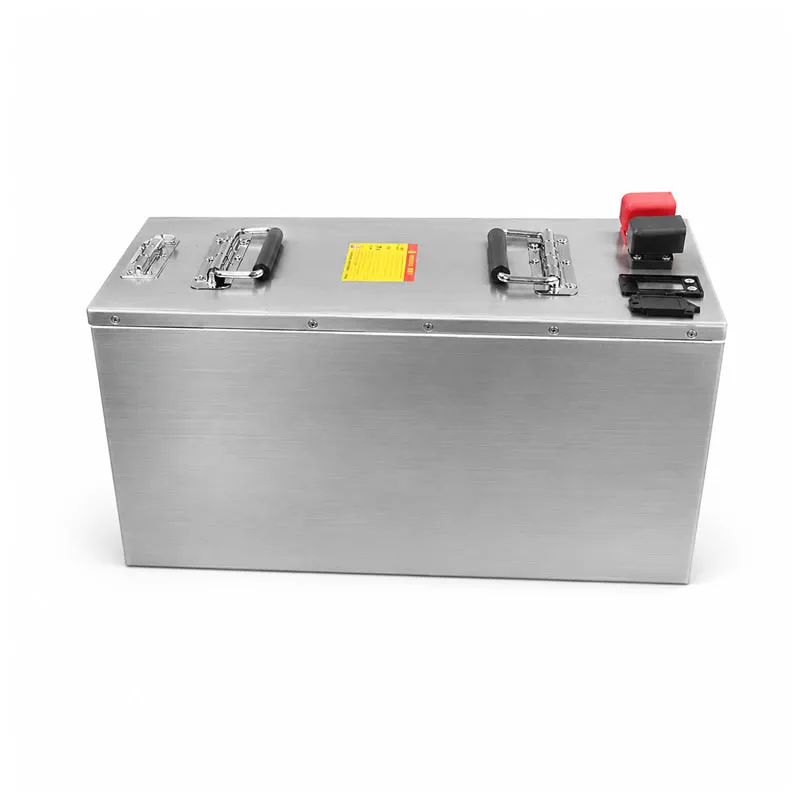
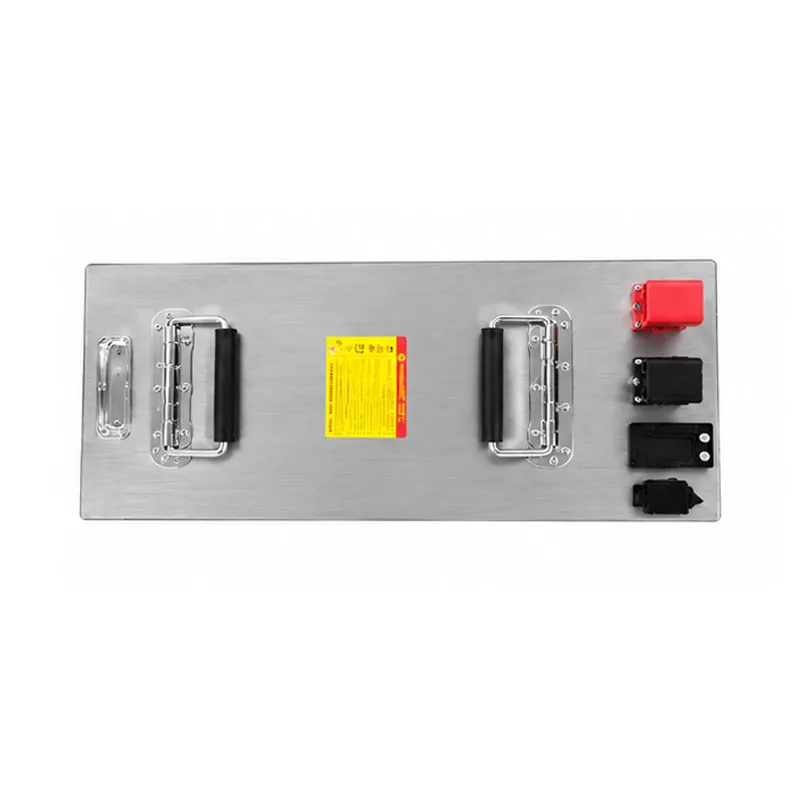
A truck parking battery is a dedicated battery system designed to power electrical loads when the truck engine is turned off. Unlike a starter battery, which is mainly designed to deliver high current for engine starting, a parking battery is usually designed for deeper discharge and longer power supply.
A well-designed truck parking battery solution helps support cabin comfort and auxiliary equipment without draining the starter battery. This separation is important because drivers still need enough power to start the truck after parking overnight.
A parking battery may power:
- Cabin lighting
- Ventilation fans
- Refrigerator or cooler
- Phone and laptop charging
- Telematics and communication equipment
- Small appliances through an inverter
- Auxiliary HVAC support, depending on system design
- Driver comfort electronics
In fleet use, the main goal is simple: provide stable off-engine power while protecting vehicle starting reliability. A good truck parking battery solution can also reduce idling time, which may help lower fuel use, noise, and maintenance pressure.
For buyers comparing product options, this truck parking battery product category can be used as a reference for available battery configurations.
Why Do Different Truck Models Need Different Battery Solutions?
Different trucks have different parking power needs. A day cab used for regional delivery does not have the same auxiliary load profile as a long-haul sleeper cab. A refrigerated truck may have control electronics and monitoring systems that need stable power. A vocational truck may operate in rougher environments and need stronger vibration resistance.
This is why a universal truck parking battery solution is rarely the best answer. Battery selection should depend on the truck model, duty cycle, auxiliary loads, climate, charging system, available installation space, and target service life.
A regional truck that returns to base every day may only need moderate backup power. A long-haul sleeper truck may need enough energy for overnight cabin electronics and comfort systems. A truck working in hot or cold regions may need better temperature protection. A fleet that operates continuously may need faster charging and longer cycle life.
Before choosing a truck parking battery solution, buyers should ask:
- How long does the truck usually stay parked?
- What electrical loads are used while parked?
- How many hours must the battery support those loads?
- Is the truck used in hot, cold, or mixed climates?
- What charging system is available?
- How much battery space is available?
- Is weight reduction important?
- What service life and replacement cycle does the fleet expect?
The right answer depends on the real operating scenario, not only on battery voltage or amp-hour capacity.
Main Types of Truck Parking Batteries
Most truck parking batteries fall into two major categories: lead-acid-based batteries and lithium-based batteries. AGM batteries are common in many trucks, while lithium iron phosphate batteries are increasingly used for fleets that need longer cycle life, lighter weight, and better usable capacity.

AGM Truck Parking Batteries
AGM batteries are sealed lead-acid batteries. They are familiar, widely available, and usually less expensive upfront than lithium batteries. For trucks with moderate parking loads and lower daily cycling demand, AGM can still be a practical option.
However, AGM batteries usually have lower usable depth of discharge and shorter cycle life than lithium systems. If they are deeply discharged too often, their lifespan can decrease quickly. For trucks with heavy overnight loads, AGM may require more frequent replacement.
Lithium Truck Parking Batteries
Lithium iron phosphate, also known as LiFePO4, is often used in modern truck parking systems because it offers long cycle life, strong safety, higher usable capacity, lighter weight, and more stable voltage output.
A lithium truck parking battery solution can be especially useful for sleeper trucks, long-distance fleets, vehicles with high auxiliary loads, and operators that want to reduce long-term replacement cost. Lithium batteries also recharge more efficiently when matched with the correct charger and system design.
For buyers comparing battery chemistry, this truck parking battery chemistry guide can help explain the difference between AGM, lead-acid, and lithium options.
How to Size a Truck Parking Battery Solution?
Battery sizing should be based on real auxiliary load demand. Buyers should not size a parking battery only by CCA, because Cold Cranking Amps are mainly used for starter battery evaluation. A parking battery is about sustained energy delivery, not only engine starting.

To size a truck parking battery solution, buyers should estimate:
- Total auxiliary load wattage
- Expected operating hours while parked
- Inverter efficiency, if AC appliances are used
- Usable depth of discharge
- Safety margin for aging, cold weather, and unexpected loads
The basic calculation is:
Total energy demand = Load wattage × Operating hours
For example, if a truck uses 300W of combined auxiliary loads for 8 hours, the energy demand is:
300W × 8 hours = 2,400Wh
If an inverter is used, extra energy may be required because inverters are not 100% efficient. If the system efficiency is around 90%, the battery may need to provide more than 2,400Wh to support the same AC load.
Buyers should also consider usable capacity. A lead-acid system should not be deeply discharged too often, while lithium batteries can usually provide a higher usable percentage of their rated capacity. This is one reason a lithium truck parking battery solution may deliver more practical runtime than a lead-acid battery with a similar nominal rating.
How Do Auxiliary Loads Affect Battery Choice?
Auxiliary loads are the biggest reason truck parking battery selection becomes complex. Small devices can become a large combined load when used for many hours.
Common auxiliary loads include refrigerators, fans, lights, communication devices, laptops, routers, telematics systems, small inverters, electric blankets, and comfort-related systems. Some loads are steady, while others have startup surges or intermittent high current demand.
For example, a small refrigerator may cycle on and off. A microwave may run for a short time but require high power. A fan may draw less power but operate for many hours. These differences affect how a truck parking battery solution should be specified.
Buyers should not only ask whether a battery can power appliances overnight. The better question is: which appliances, at what wattage, for how many hours, under what climate conditions, and with what inverter efficiency?
A properly selected truck parking battery solution should support the real load profile without frequent deep discharge, voltage sag, or early protection shutdown.
How Does Climate Affect Truck Parking Battery Performance?
Climate has a strong influence on battery performance and lifespan. Cold temperatures can reduce usable capacity and slow charging. Hot temperatures can accelerate aging and shorten service life.
For trucks operating in cold regions, low-temperature charging protection is important, especially for lithium batteries. Charging lithium cells at very low temperatures without protection can damage the battery. A quality lithium truck parking battery solution should include temperature monitoring and low-temperature charging control when required.
For hot regions, thermal stability and heat-resistant design matter. Parking batteries may be exposed to engine bay heat, high outdoor temperatures, or poor ventilation. Heat can increase internal stress and shorten battery life.
Buyers should select a truck parking battery solution based on the truck’s target operating region. A battery that works well in moderate weather may not be suitable for extreme winter routes, desert climates, or heavy-duty outdoor applications.
Key Specifications Fleet Buyers Should Evaluate
When comparing different parking batteries, buyers should look beyond voltage and capacity. A reliable truck parking battery solution should be evaluated as a complete technical system.
Important specifications include:
- Nominal voltage
- Rated capacity
- Usable energy
- Continuous discharge current
- Peak discharge current
- Cycle life
- Depth of discharge recommendation
- Charging current
- Operating temperature range
- Low-temperature charging protection
- BMS protection functions
- Battery weight
- Dimensions and mounting method
- Terminal type and cable direction
- Inverter compatibility
- Certification and shipping documents
- Warranty and supplier support
Capacity is important, but it is not enough by itself. A battery also needs the correct discharge current, charger compatibility, protection system, and physical fit. If the battery cannot fit the truck compartment, connect safely, or recharge properly, the whole system may underperform.
For long-term reliability, buyers should also review battery lifespan guidance and maintenance practices. This article on truck battery lifespan tips can support further reading.
What Battery Management Features Should Modern Parking Batteries Include?
A modern lithium truck parking battery solution should include a reliable Battery Management System. The BMS monitors and protects the battery during charging, discharging, storage, and abnormal operating conditions.
Useful BMS functions include:
- Overcharge protection
- Over-discharge protection
- Overcurrent protection
- Short-circuit protection
- Temperature monitoring
- Low-temperature charging protection
- Cell balancing
- State of charge monitoring
- Fault warning
- Optional communication interface
Cell balancing is especially important in multi-cell lithium battery packs. If cells become unbalanced, usable capacity may decrease and protection may trigger earlier than expected. A strong BMS helps maintain more stable performance and longer service life.
For fleet operators, smart monitoring can also reduce guesswork. Battery status data, alarms, and fault records can help maintenance teams identify problems before they cause downtime.
Advantages of a Lithium Truck Parking Battery Solution
Lithium batteries are becoming more common in truck parking power systems because they solve many of the practical limitations of traditional batteries.
A lithium truck parking battery solution can offer:
- Longer cycle life
- Higher usable capacity
- Lighter weight
- Faster recharge capability
- More stable voltage output
- Lower maintenance requirements
- Better performance under repeated cycling
- Stronger suitability for high-usage fleet vehicles
For trucks with heavy auxiliary demand, lithium batteries can provide more usable energy from the same rated capacity. This is important for overnight power, frequent parking cycles, and vehicles that need stable auxiliary performance.
Lithium batteries also help reduce weight. In trucking, weight affects payload flexibility and installation convenience. A lighter truck parking battery solution may be easier to integrate and can reduce the burden compared with large lead-acid battery banks.
However, lithium batteries must be properly matched with the charging system, BMS, wiring, inverter, and protection settings. A lithium upgrade should be treated as a system upgrade, not just a battery swap.
How Truck Parking Batteries Affect Total Cost of Ownership?
The lowest purchase price is not always the lowest total cost. A truck parking battery solution affects replacement frequency, downtime, fuel use, driver comfort, maintenance labor, and service planning.
Lead-acid and AGM batteries may have lower upfront cost, but they can require more frequent replacement if they are deeply discharged often. They may also provide less usable capacity and weaker performance under heavy auxiliary loads.
Lithium batteries usually cost more upfront, but they may reduce long-term cost through longer cycle life, deeper usable capacity, faster charging, and lower maintenance. For high-use fleets, this can make lithium more economical over the full service period.
Fleet buyers should compare total cost by considering:
- Purchase price
- Expected service life
- Replacement interval
- Usable energy
- Downtime risk
- Maintenance labor
- Charging efficiency
- Fuel savings from reduced idling
- Driver comfort and productivity
- Warranty and after-sales support
A well-matched truck parking battery solution can reduce hidden costs that are not obvious in the initial quotation.
How to Choose the Best Truck Parking Battery for Specific Applications?
Different truck applications need different battery priorities. A strong selection process should match the battery to the truck’s working pattern.

Long-Haul Sleeper Trucks
Long-haul sleeper trucks often need the most capable parking battery system. Drivers may need overnight power for lights, fans, refrigerators, device charging, communication equipment, and comfort systems. For these trucks, capacity, cycle life, stable voltage, and low-temperature protection are important.
A lithium truck parking battery solution is often suitable for long-haul sleeper applications because it can support deeper cycling and longer runtime with lower weight.
Regional Delivery Trucks
Regional trucks often return to base more frequently and may have shorter parking periods. They may not need the same large capacity as sleeper trucks. For these vehicles, buyers should focus on moderate capacity, fast recharge, durability, and cost balance.
A properly sized truck parking battery solution can support daily auxiliary loads without unnecessary oversizing.
Refrigerated and Temperature-Controlled Trucks
Refrigerated trucks may have monitoring systems, controls, and power-sensitive equipment that need reliable electricity. The battery must deliver stable output and resist voltage drops.
For this application, buyers should carefully calculate auxiliary loads and confirm whether the battery is supporting control systems, cabin loads, or additional equipment. A truck parking battery solution for refrigerated vehicles should prioritize stability, safety protection, and charging reliability.
Vocational and Work Trucks
Vocational trucks may operate in construction, mining, field service, municipal work, or remote job sites. These vehicles may face vibration, dust, heat, cold, and irregular parking schedules.
For these applications, buyers should look for rugged casing, vibration resistance, strong BMS protection, and reliable mounting. A durable truck parking battery solution is more important than a simple low-cost battery.
Owner-Operator Trucks
Owner-operators often care about comfort, reliability, and long-term cost. A battery that reduces idling, supports overnight rest, and lowers replacement frequency can provide strong value.
The best choice depends on driving route, parking habits, cabin equipment, climate, and budget. A lithium truck parking battery solution may be attractive if the truck has frequent overnight stops and higher comfort loads.
Fleet Operations
Fleet buyers need consistency across multiple vehicles. The battery should be easy to install, easy to monitor, and available in repeatable specifications. Supplier support, warranty handling, documentation, and batch consistency are especially important.
For fleets, a standardized truck parking battery solution can simplify maintenance, reduce training needs, and improve procurement efficiency.
What Certifications and Documents Should Buyers Check?
For B2B and fleet purchases, documentation helps reduce shipping, compliance, and after-sales risk. The exact requirements depend on market, product type, and transportation method, but buyers should ask for relevant documents before ordering.
Common documents may include:
- 3 for lithium battery transportation
- MSDS for handling and shipping information
- CE or other applicable market documentation
- RoHS where required
- Battery specification sheet
- BMS parameter information
- User manual
- Warranty terms
- Charger compatibility information
- Test reports when available
A professional supplier should be able to provide clear technical documents and explain how the truck parking battery solution should be installed, charged, stored, and maintained.
FAQ About Truck Parking Battery Solution
1.How long does a truck parking battery last?
Battery lifespan depends on chemistry, depth of discharge, charging habits, temperature, load profile, vibration, and supplier quality. Lead-acid and AGM batteries usually have a shorter service life under frequent deep cycling, while lithium batteries can often last longer when properly designed and used.
2.Can a truck parking battery power appliances overnight?
Yes, but only if the battery is correctly sized for the appliance wattage, operating hours, inverter efficiency, and usable depth of discharge. A truck parking battery solution should be calculated according to real loads instead of assuming it can power all devices overnight.
3.What is the difference between AGM and lithium parking batteries?
AGM batteries are sealed lead-acid batteries with lower upfront cost and familiar installation. Lithium batteries usually offer higher usable capacity, lighter weight, longer cycle life, faster charging, and more stable voltage output. The better choice depends on budget, load demand, service life expectations, and truck usage.
4.How often should truck parking batteries be replaced?
Replacement timing depends on battery type and operating conditions. If the battery can no longer support normal auxiliary loads, charges poorly, shows voltage drops, overheats, or causes repeated downtime, it should be inspected and replaced when necessary. Fleets should plan replacement based on performance data rather than waiting for complete failure.
5.How do I know which battery capacity is right for my truck?
The right capacity should be based on auxiliary load wattage, parking duration, inverter efficiency, usable depth of discharge, climate, and safety margin. For parking battery sizing, do not rely only on starter battery ratings such as CCA. A supplier should help calculate the truck parking battery solution according to real power needs.
6.Is a lithium truck parking battery worth it for fleets?
For trucks with frequent overnight loads, heavy auxiliary use, or high downtime cost, lithium can be worth considering. It can provide longer cycle life, lower weight, better usable capacity, and reduced maintenance. For low-use vehicles, AGM may still be acceptable if the power demand is moderate.
7.What information should buyers provide before requesting a quotation?
Buyers should provide truck type, system voltage, auxiliary load list, expected parking hours, charging method, installation space, climate conditions, inverter use, target service life, certification needs, and order quantity. This helps the supplier recommend a more accurate truck parking battery solution.
Conclusion
Choosing a truck parking battery solution is a system-level decision. Buyers should evaluate the truck model, auxiliary loads, parking duration, climate, voltage platform, charger compatibility, battery chemistry, BMS protection, installation space, and long-term operating cost.
For long-haul sleeper trucks, capacity and overnight reliability matter most. For regional fleets, balanced cost and recharge efficiency may be more important. For refrigerated, vocational, or electronics-heavy vehicles, stable discharge and rugged protection are essential.
The best truck parking battery solution is not always the largest or the cheapest battery. It is the battery system that matches the real truck application, supports reliable off-engine power, reduces downtime, and improves long-term fleet efficiency.