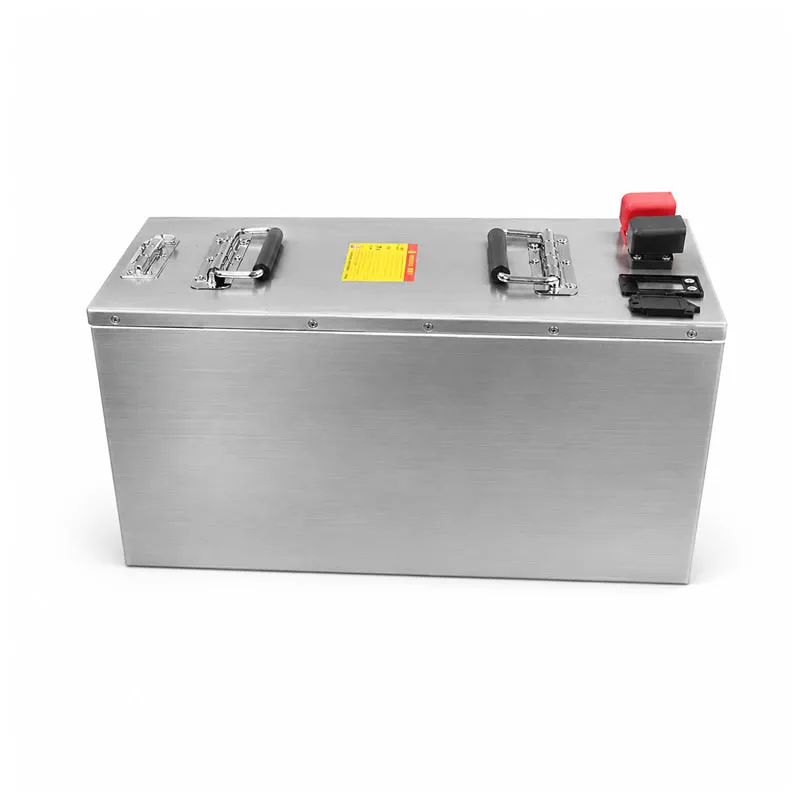
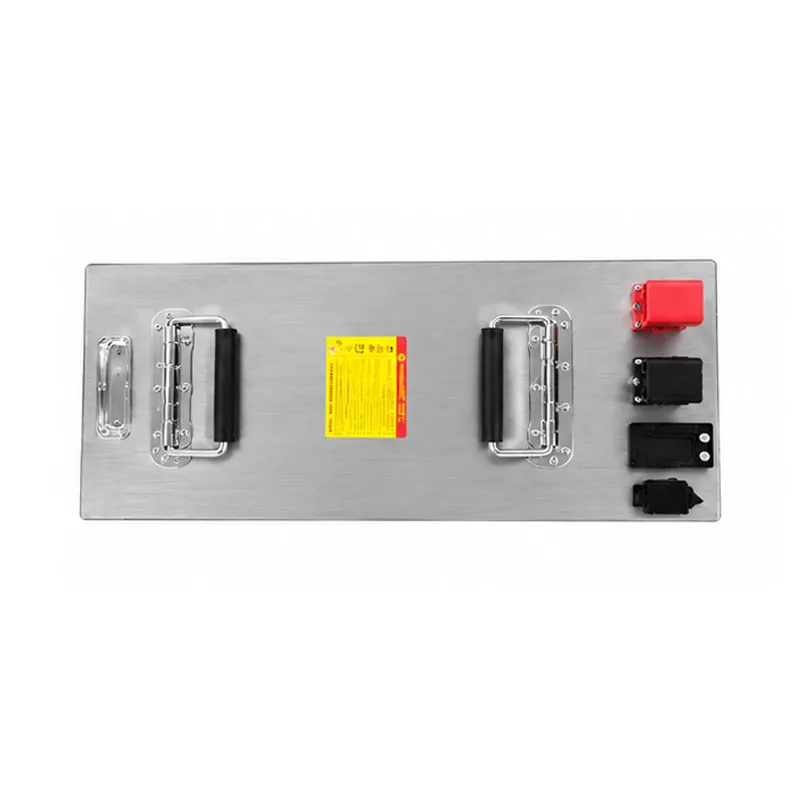
A truck parking battery works harder than many owners realize. It powers lights, electronics, climate controls, and accessories while the truck sits still, then has to be ready again the next morning. If you want it to last, the answer is rarely one big trick; it is usually a set of small habits, smart charging, and buying from the right truck battery factory in the first place.

What is your truck parking battery actually doing while the truck is parked?
A truck parking battery is often carrying more load than people think. When the engine is off, it may still support sleeper cab fans, dash electronics, refrigerators, security systems, telematics, or a few small devices that never really shut down. A good truck battery factory understands that this battery is not just sitting there unused; it is cycling in a real working environment.
That constant demand is why even a healthy battery can wear out faster than expected. A truck battery factory that knows truck duty cycles will usually ask how long the truck sits, how often it idles, and whether the battery powers accessories overnight. Those details matter because a battery used for short parking periods will age differently from one that powers a sleeper for ten hours every night. If the load is high and the charging time is short, the battery never really gets a break.
Another issue is parasitic draw. Some systems keep pulling a small current even after shutdown, and that slow drain adds up over time. A truck battery factory can help identify whether the battery is being asked to support normal parked loads or whether something hidden is draining it in the background. The better you understand what the battery is doing while parked, the easier it becomes to protect it.
Why does depth of discharge matter so much?
Depth of discharge is one of the biggest factors in battery life. In simple terms, the more you drain the battery each time, the harder it has to work to recover. A truck battery factory that designs for long service life will usually recommend keeping daily discharge moderate rather than running the battery close to empty every night. That is true whether the battery is lead-acid, AGM, or lithium.
Deep discharge is especially hard on older battery chemistries. If the battery is repeatedly taken down to a very low state of charge, the internal plates or cells wear faster, and capacity drops sooner. A truck battery factory can explain the expected cycle life for different battery types, but the general rule stays the same: shallow use usually means longer life. If the battery only loses 20 to 30 percent overnight, it will usually last longer than one that is drained 70 to 80 percent every time.
This is why range planning matters. If you know your sleeper loads or parking loads are heavy, the battery should be sized with room to spare. A truck battery factory that understands real truck use will often recommend a larger reserve instead of asking the battery to live near its limit. That extra buffer may cost more at purchase, but it usually pays back in fewer replacements and fewer mornings spent worrying about whether the truck will start.
How do heat, cold, and storage affect battery life?
Temperature is one of the fastest ways to shorten battery life without realizing it. Heat speeds up chemical aging, while cold reduces available power and makes the battery feel weaker than it really is. A truck battery factory that serves different climates will usually give very different storage and charging advice depending on whether the truck runs in hot southern weather, cold northern winters, or both.
Heat is the bigger long-term enemy. A battery stored in a hot compartment or left in a truck parked under direct sun will age faster than one kept in a cooler space. That is because high temperature accelerates the internal reactions that slowly wear the battery down. A truck battery factory can build a solid battery, but it still can’t cancel out months of unnecessary heat exposure. Ventilation, shade, and sensible parking habits all help.
Cold weather creates different problems. Batteries deliver less usable power in freezing conditions, and charging can become more complicated if the pack is too cold. A truck battery factory will often recommend checking the battery’s temperature window before charging in winter. If the battery spends long periods in very cold storage, it may not accept charge properly until it warms up. That does not mean it is damaged, but it does mean winter care matters.
Storage is another overlooked factor. If the truck sits for weeks, the battery should not be ignored. A truck battery factory that knows real fleet usage will usually tell you to store batteries at a healthy charge level and check them periodically. That simple habit can keep the battery from drifting into a low state that causes long-term damage.

What charging habits help the battery last longer?
Charging habits probably matter more than any single maintenance step. A battery that is charged correctly tends to last longer, hold voltage better, and give more predictable performance. A truck battery factory can help you choose the right charger, but the daily routine still belongs to the owner or fleet operator.
One of the simplest rules is to avoid leaving the battery undercharged for long periods. If the truck comes in after a shift and the battery is left partially empty for days, sulfation and imbalance can start to creep in. A truck battery factory will often recommend charging as soon as practical after use, especially if the battery saw a heavy overnight load. The sooner the battery returns to a healthy state, the less stress it keeps carrying.
The charger itself matters too. A charger that is too aggressive can create heat and stress, while one that is too weak may never fully recover the battery. A truck battery factory should be able to tell you which charger profile fits the battery chemistry and whether float charging, staged charging, or temperature compensation is needed. If you use lithium, the charger settings are even more important because lithium packs do not behave like old lead-acid batteries.
Why do alternator, isolator, and wiring checks matter so much?
A battery can look weak when the real problem is a charging system issue. If the alternator is not delivering the right voltage, the battery may never fully recover after a long parking session. A truck battery factory that understands truck electrical systems will usually ask about alternator output, cable size, ground quality, and isolator setup before blaming the battery itself.
Voltage drop is another hidden problem. Long cable runs, corroded terminals, loose grounds, or undersized wiring can all prevent proper charging. A truck battery factory may build a very good battery, but if the wiring is poor, the battery still gets shortchanged. The result is a pack that seems to “go bad early” even though the real issue is that it never had a fair chance to recharge correctly.
Isolators and relay systems are equally important in dual-battery trucks. If the system is not separating the starting battery from the parking battery properly, one battery can pull the other down or both can age faster than expected. A truck battery factory can often help you understand whether your setup needs a smarter isolator, a better relay, or a different charging layout. These are not glamorous details, but they are exactly the kind of details that decide whether a parking battery lasts three years or six.
If the truck uses lots of accessories, it is worth checking the full electrical path, not just the battery itself. A truck battery factory that supports aftermarket or fleet applications will usually know where hidden losses come from. Once the charging path is clean, the battery has a much better chance of lasting.
Which battery type usually lasts the longest in truck parking use?
The answer depends on the job, but lithium often leads the pack when the battery is cycled regularly and maintained properly. AGM batteries are also popular because they are more maintenance-friendly than flooded lead-acid batteries. A truck battery factory can help you compare the real difference in cycle life, usable capacity, and cost over time rather than just the upfront price.
Flooded lead-acid batteries are usually the cheapest at purchase, but they need more care and often wear out sooner under deep cycle use. AGM batteries hold up better and are less fussy, which makes them a common middle-ground choice. Lithium batteries usually offer the deepest usable capacity and the best weight savings, but they also depend more on a correct charging setup. A truck battery factory that understands these differences should not push one chemistry for every truck. The best choice depends on how the truck is used.
If the truck parks for long overnight periods and powers heavy accessories, lithium can be attractive because it handles deeper cycling better. But if the truck is used in a mixed fleet with limited charging discipline, AGM may be easier to manage. A truck battery factory that gives honest guidance will talk about total system cost, not just battery sticker price. That is where real value shows up.
The point is not to buy the newest battery. The point is to buy the battery that fits the load and the routine. A truck battery factory with practical experience will usually say the same thing.
How do you know when the battery is starting to wear out?
The first sign is usually shorter runtime. If the battery used to power the truck comfortably through the night and now struggles before morning, that is a clear warning. A truck battery factory can help you test capacity, but owners often notice the change first through weaker reserve and faster voltage drop. The truck may still start, but the margin is gone.
Another clue is slower recovery after charging. If the battery seems to take longer to get back to normal or never quite reaches the same performance it used to, aging may be the reason. A truck battery factory that has seen many returns will often look for voltage sag, imbalance, or internal wear. You may also notice that the battery gets warmer than before during charging or that accessories shut off earlier than expected.
Physical signs matter too. Corrosion, swelling, cracked cases, or liquid leakage should never be ignored. A truck battery factory will usually tell you that visible damage often means the battery is past safe service. Even if the battery still works, it may no longer be reliable enough for overnight parking use. Once the battery starts showing those warning signs, it is usually better to replace it before it leaves you stranded.
A battery does not fail all at once in most cases. It talks first. Shorter runtime, weaker charging response, and odd temperature behavior are often the early warnings. A truck battery factory that supports long-term users will help you read those signals before they become a roadside problem.

What maintenance routine actually works in the real world?
The best routine is boring, and that is a good thing. Check the battery regularly, keep terminals clean, and make sure cables stay tight. A truck battery factory might provide the cell design, but maintenance determines how that design performs after months of heat, vibration, and nightly use. Simple checks prevent many expensive failures.
Weekly or monthly inspections can make a big difference. Look for corrosion on the terminals, swelling in the case, loose mounts, or damaged cable insulation. A truck battery factory that cares about long-term use will usually recommend checking the battery after any rough trip or charging issue. If the truck has a parking battery that works hard every night, it deserves the same attention a driver gives the tires or brakes.
It also helps to keep the battery clean and dry. Dirt and moisture can lead to corrosion, which creates resistance and makes charging less efficient. A truck battery factory that has worked with fleet customers knows that small problems become big ones when they are ignored. Wiping the battery down and checking the compartment takes little time but can save a lot of trouble.
If the truck is seasonal or sits for longer periods, the routine should include storage checks. A truck battery factory can suggest the right resting charge and inspection interval. Even a healthy battery loses value if it is forgotten in storage. Consistency is usually what separates long battery life from early replacement.
Why does the source of the battery matter so much?
Not every battery is built to the same standard, even if the label looks similar. A good truck battery factory controls cell matching, quality testing, packaging, and storage more carefully than a factory that simply fills orders. That difference shows up later in the truck, especially when the battery is asked to power overnight loads again and again.
Consistency is one of the biggest reasons sourcing matters. A truck battery factory that follows tight production control is more likely to deliver batteries that behave the same from shipment to shipment. That makes planning easier for fleets and reduces surprise failures. If the battery chemistry, internal resistance, or charge acceptance varies too much, the truck parking battery may age unevenly and cause headaches long before the expected end of life.
Support after the sale matters too. A truck battery factory that answers technical questions can help you match the charger, isolate wiring problems, or understand whether the battery is being used outside its ideal range. That kind of support can be more useful than a lower purchase price. A battery is not just a product; it is part of the truck’s electrical system.
If the factory is open about specifications, test methods, and warranty terms, that is usually a good sign. A truck battery factory that avoids vague answers is easier to trust than one that only talks about price. The source of the battery often determines whether you get dependable service or repeated replacements.
What should you ask a truck battery factory before you buy?
Start with the basics: what chemistry is used, what cycle life is expected, and what charging profile the battery needs. A truck battery factory should answer those questions clearly and without hesitation. If the answers are vague, that is usually a warning sign. The battery may still work, but you may not get the lifespan you expect.
Ask about the battery’s usable capacity, not just the nameplate number. A truck battery factory should be able to explain how much of that capacity is realistically available under truck parking conditions. Then ask about temperature limits, storage recommendations, and whether the battery needs a special charger or a specific isolator setup. These details make a big difference in daily use.
Warranty and after-sales support matter as well. A truck battery factory that stands behind the product should explain what is covered, what is excluded, and how to handle a problem if one comes up. If the factory cannot explain the warranty in plain language, it may not be the kind of partner you want when your truck depends on the battery at 2 a.m.
Finally, ask how the batteries are tested before shipment. A truck battery factory with good discipline will usually have clear procedures for grading, checking, and packaging. That does not just protect the battery in transit; it also tells you how seriously the factory treats quality. Good answers here are usually a strong sign you are dealing with a reliable supplier.
How can you make the battery last longer starting today?
The easiest improvement is to stop draining the battery deeper than necessary. If the truck can run its parking loads with less discharge, the battery will usually last longer. A truck battery factory can help you choose the right size, but the daily habit of avoiding deep discharge does a lot of the real work. Small changes in use often pay off more than expensive repairs.
Next, keep the charging path healthy. Clean terminals, solid grounds, proper cable size, and the right charger all matter. A truck battery factory may provide a good battery, but if the system around it is weak, the battery still suffers. A well-charged battery is a happier battery, and a happier battery usually lasts longer.
Temperature control is another easy win. Park in shade when possible, avoid unnecessary heat buildup, and store the battery properly when the truck sits for long periods. A truck battery factory that knows the climate you work in can suggest better storage and charging habits. Those habits are simple, but they matter more than most owners realize.
If you are replacing the battery soon, choose carefully instead of rushing. The right truck battery factory will help you match the chemistry, capacity, charger, and support you actually need. That is often the difference between a battery that feels like a recurring problem and one that quietly does its job for years.