How Can a Truck Battery Reduce Idle Time and Fuel Costs?
For fleets and long-haul drivers, idle time is not just a comfort issue. It is a fuel cost, maintenance cost, emissions issue, and driver satisfaction problem. A well-designed truck battery system can power sleeper cab appliances, parking air conditioners, lights, refrigerators, communication devices, and other overnight loads without keeping the main engine running for hours.
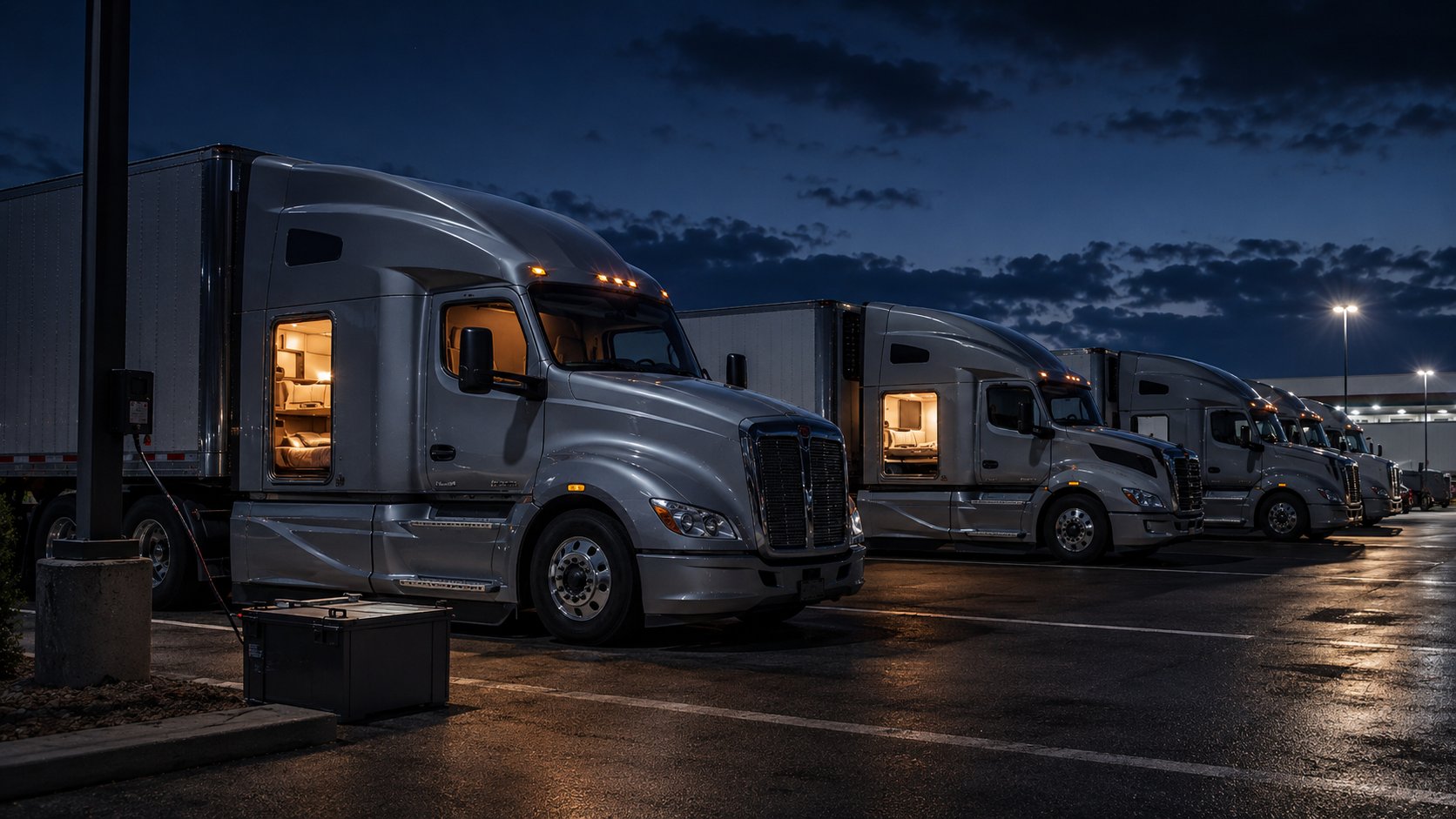
Why Is Truck Idling Such a Costly Problem for Fleets?
Many truck drivers keep the engine running during rest breaks to maintain cab cooling, heating, lighting, and onboard power. This is especially common during overnight parking, hot weather, cold weather, or long waiting periods at loading docks. According to U.S. Department of Energy data, idling a heavy-duty truck can consume about 0.8 gallon of fuel per hour. A typical long-haul truck may idle around 1,800 hours per year and use about 1,500 gallons of diesel fuel just for idling.
For one truck, that number is already painful. For a fleet of 20, 50, or 100 vehicles, unnecessary idling can quietly become one of the biggest hidden operating costs. The truck may not be moving, but the business is still paying for fuel, engine wear, oil degradation, maintenance, and emissions compliance pressure.
This is where a dedicated truck battery becomes valuable. Instead of using the main engine as a power source during rest periods, a lithium truck parking battery can store energy and release it when the driver needs power inside the cab.
According to the U.S. Department of Energy, heavy-duty truck idling can consume a significant amount of fuel over time.
What Loads Can a Truck Battery Support During Rest Breaks?
A modern truck battery for parking applications is designed to support the electrical loads drivers commonly need when the engine is off. These loads may include:
- Parking air conditioner
- Cab fan or ventilation system
- Interior lights
- Refrigerator or cooler
- Phone and laptop charging
- Communication equipment
- Small inverter loads
- Heating control systems
- Bunk area power supply
The biggest load is usually the parking air conditioner. In hot climates, drivers may idle the engine mainly because they need safe and comfortable cab cooling. A properly selected truck battery can reduce that need by powering the parking AC directly or through a compatible inverter system.
For fleets, this means the truck battery is not just an accessory. It becomes part of the vehicle’s idle-reduction strategy.
How Does a Truck Battery Reduce Fuel Consumption?
A truck engine is not an efficient generator when the vehicle is parked. Using a large diesel engine only to power small cab loads wastes fuel. A dedicated truck battery works differently: it stores energy while the vehicle is driving or charging, then supplies power during parking hours.
The operating logic is simple:
- The truck battery charges while the truck is running, through the alternator, DC-DC charger, or external charging system.
- When the truck is parked, the driver turns off the main engine.
- The truck battery powers the parking air conditioner, lights, refrigerator, and other cab loads.
- The starting battery remains protected, so the truck can still restart safely.
This reduces the number of hours the engine needs to idle. If a truck normally idles 6 to 10 hours overnight, even reducing part of that idle time can save a significant amount of fuel over months of operation.
For example, if a truck reduces 5 hours of idling per day, and the engine would normally consume about 0.8 gallon per hour, that is about 4 gallons of diesel saved per day. Multiply that by fuel price, operating days, and fleet size, and the savings become much more meaningful.
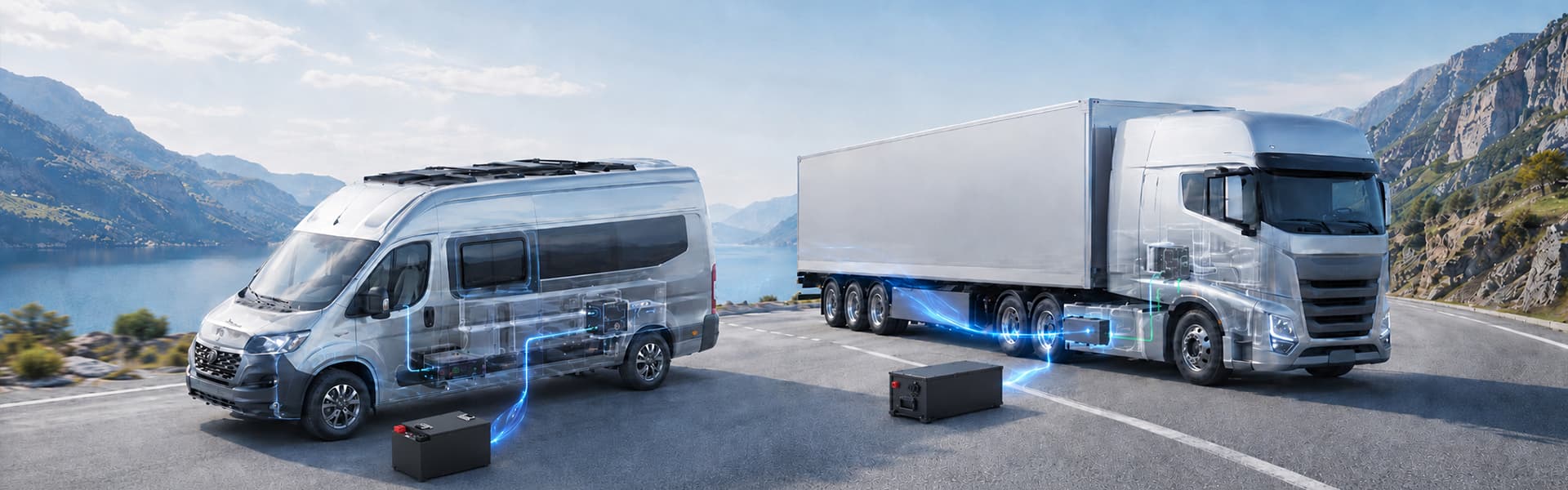
Truck parking battery powering sleeper cab air conditioning during overnight rest
Many trucks still use lead-acid batteries because they are familiar and cheaper at the initial purchase stage. However, for long parking hours and deep discharge use, lead-acid batteries are often not the best solution.
A lead-acid battery does not like frequent deep discharge. If it is repeatedly drained to power cab loads, its lifespan may drop quickly. It also has lower usable capacity, slower charging, heavier weight, and weaker performance under demanding conditions.
A LiFePO4 truck battery is usually a better match for parking power because it offers:
- Higher usable capacity
- Longer cycle life
- Better deep discharge performance
- Faster charging capability
- Lighter weight
- More stable voltage output
- Built-in BMS protection
- Better support for parking AC and sleeper cab loads
For fleet operators, the real question is not just “Which battery is cheaper to buy?” The better question is “Which battery lowers total operating cost over time?”
A lithium truck battery may cost more at the beginning, but it can reduce fuel waste, protect the starting battery, reduce battery replacement frequency, and improve driver comfort during rest periods.
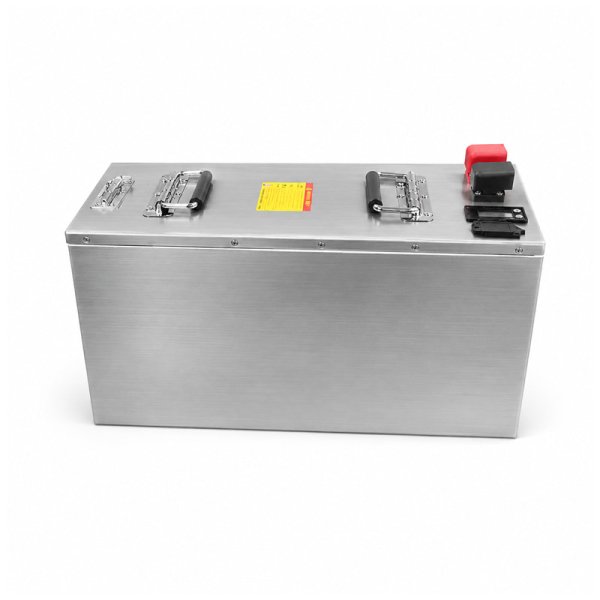
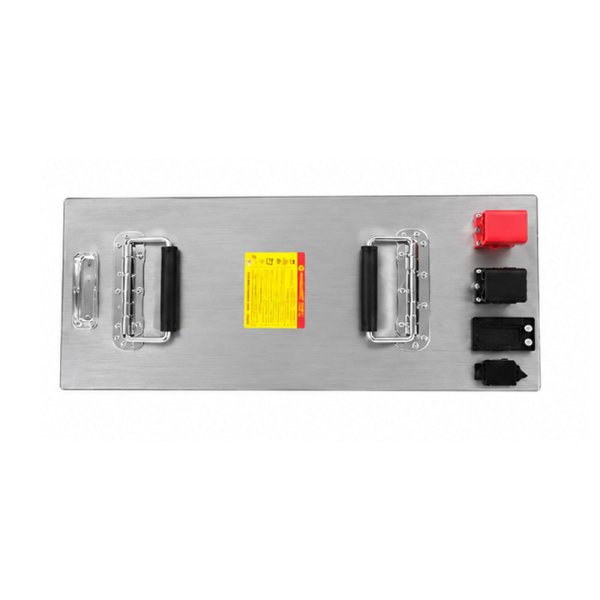
For trucks that need stable overnight parking power, a dedicated truck parking battery can support sleeper cab comfort while reducing unnecessary engine idling.
How Can a Truck Battery Protect the Starting Battery?
One common problem in parked trucks is starting battery drain. When drivers use lights, fans, refrigerators, or electronics for many hours, the starting battery may lose too much charge. In the morning, the truck may struggle to start or fail to start completely.
A dedicated parking truck battery helps separate comfort power from engine-starting power. The starting battery is reserved for ignition, while the auxiliary truck battery handles overnight loads.
This setup is especially useful for:
- Sleeper trucks
- Long-haul fleets
- Refrigerated support vehicles
- Trucks with parking air conditioners
- Vehicles with long loading or waiting times
- Trucks operating in hot or remote areas
For fleet managers, protecting the starting battery can reduce roadside assistance calls, driver delays, and unexpected maintenance costs.
How Does a Truck Battery Improve Driver Comfort Without Idling?
Drivers often idle because they need a livable cab environment. If the cab becomes too hot, too cold, or uncomfortable, turning off the engine may not feel realistic. That is why idle reduction must solve the driver comfort problem first.
A reliable truck battery allows drivers to rest with power available for cooling, lighting, communication, and basic appliances. This supports better sleep quality and reduces the need to keep the engine running simply for comfort.
For companies managing drivers, this matters. Better rest conditions can support driver satisfaction, retention, and safety. A truck battery system that keeps the cab comfortable can help fleets reduce fuel costs without making drivers feel that comfort is being sacrificed.
What Size Truck Battery Is Needed for Parking Air Conditioning?
The right battery size depends on the real power load and parking time. A small cab load may only require moderate capacity, while a parking air conditioner running through the night requires a larger battery system.
Fleet buyers should consider:
- Air conditioner power consumption
- Expected running hours
- Battery voltage, such as 12V or 24V
- Battery capacity, such as 100Ah, 200Ah, or 300Ah
- Inverter efficiency, if an inverter is used
- Charging time available during driving
- Temperature conditions
- Installation space
- Required BMS protection
For example, a 24V 300Ah lithium truck battery provides much more usable energy than a smaller 24V 100Ah battery. For trucks using parking air conditioning, higher capacity is often necessary if the system needs to run through the night.
This is why fleets should not choose a truck battery only by price. The battery must match the actual load profile. If the capacity is too small, drivers may still return to engine idling. If the system is properly sized, the truck battery can become a practical replacement for long idle hours.
How Can Truck Batteries Reduce Engine Wear and Maintenance Costs?
Fuel is not the only cost of idling. When a truck engine idles for long periods, engine hours continue to accumulate even though the truck is not moving. This can increase wear on engine components, oil systems, exhaust systems, and aftertreatment systems.
By reducing idle time, a truck battery can help lower the number of unnecessary engine hours. For fleets, this may support longer service intervals, reduced maintenance pressure, and better vehicle utilization.
The savings may not appear as one simple line item. Instead, they show up across fuel bills, engine maintenance, battery replacement, downtime, and driver complaints. That is why idle reduction should be evaluated as a total operating cost strategy, not only a fuel-saving measure.

Why Are Truck Batteries Important for Fleets With Anti-Idling Requirements?
Many regions and fleet customers are paying more attention to emissions and unnecessary idling. Argonne and U.S. clean transportation resources have long identified long-duration truck idling as a major fuel and emissions issue, especially because many long-haul trucks idle during required rest stops.
For fleets working with logistics customers, ports, distribution centers, or urban delivery routes, reducing idling can support sustainability goals and compliance expectations. A lithium truck battery gives fleets a more practical way to reduce engine-off power problems without depending only on driver behavior.
Instead of telling drivers to stop idling without giving them an alternative, fleets can install a system that makes engine-off rest more realistic.
What Should Fleets Check Before Choosing a Truck Battery?
A B2B buyer should not select a truck battery only by voltage and capacity. A reliable parking battery system should be evaluated as a complete solution.
Important points include:
Battery chemistry: LiFePO4 is widely used for truck parking power because of safety, cycle life, and stable discharge performance.
Voltage platform: 12V and 24V systems are both common, but 24V truck battery systems are often preferred for higher-power applications such as parking air conditioning.
BMS protection: The battery should include protection against overcharge, over-discharge, short circuit, overcurrent, and temperature issues.
Charging compatibility: The truck battery should match the alternator, DC-DC charger, external charger, or solar charging setup if used.
Runtime requirement: The system should be sized based on actual overnight loads, not only the battery label.
Installation structure: Fleets should check battery dimensions, mounting method, cable routing, vibration resistance, and service access.
Customization ability: For truck OEMs, fleet retrofits, and distributors, custom voltage, capacity, casing, communication, and connector options may be important.
A complete truck parking battery solution should match battery capacity, charging method, BMS protection, and real cab load requirements.
How Can a Truck Battery Support Lead-Acid to Lithium Upgrades?
Many fleets start with lead-acid because it is familiar. But once trucks require more parking power, lead-acid limitations become clearer. Drivers may complain about weak runtime, slow charging, heavy batteries, and frequent replacement.
A lithium truck battery upgrade can solve several of these issues at the same time. It can provide deeper usable capacity, more stable power output, and longer service life. For parking air conditioner applications, this is especially valuable because AC loads are continuous and energy-demanding.
The upgrade also helps separate the starting function from the parking power function. This is important because one battery system should not be forced to do everything. The starting battery should start the engine. The parking battery should support cab comfort and auxiliary loads.
How Do Truck Batteries Help Fleets Calculate ROI?
The return on investment of a truck battery comes from several areas:
- Less diesel burned during rest breaks
- Fewer engine idle hours
- Lower starting battery failure risk
- Better driver comfort
- Reduced roadside downtime
- Longer battery cycle life compared with lead-acid
- Better support for anti-idling policies
- Stronger fleet sustainability positioning
The easiest calculation starts with fuel. If a truck reduces several idle hours per day, the fuel savings can be estimated using idle fuel consumption, fuel price, and annual operating days. Then fleets can add maintenance savings and battery replacement savings for a more complete picture.
For example:
Idle hours reduced per day × fuel consumed per idle hour × diesel price × operating days × number of trucks
This simple calculation can help fleet managers understand why a properly selected truck battery is not only a product purchase. It is an operating cost control tool.

How Can Febatt Support Truck Battery Projects?
Febatt provides lithium battery solutions for truck parking power, auxiliary power, sleeper cab comfort, and 12V/24V vehicle applications. For fleet projects, distributors, and vehicle system integrators, a customized truck battery can be matched to real working conditions, including parking air conditioner power, expected runtime, voltage platform, BMS protection, installation space, and charging method.
Instead of using a general-purpose battery, fleet buyers can choose a truck battery solution designed around actual cab loads and idle-reduction goals. This helps improve driver comfort while reducing unnecessary fuel consumption and long engine idle hours.
What Is the Best Way to Reduce Idle Time and Fuel Costs?
The best way is not simply telling drivers to turn off the engine. Fleets need to provide a practical alternative. A reliable lithium truck battery gives drivers the power they need during rest breaks without depending on the main engine.
For fleets, the value is clear: less idle time, lower fuel cost, better battery reliability, improved driver comfort, and stronger control over long-term operating expenses. As fuel prices, driver expectations, and emissions pressure continue to matter, the truck battery is becoming an important part of modern fleet energy management.
Looking for a Better Way to Power Sleeper Cab Loads?
A properly selected truck battery can help drivers rest comfortably without unnecessary engine idling. Febatt provides lithium truck battery solutions for parking air conditioners, sleeper cab power, auxiliary loads, and fleet idle-reduction projects. Our team can help match battery capacity, BMS protection, charging method, and installation structure according to your real application needs.
Get in touch with Febatt to build a more efficient truck battery solution for your fleet.