73.6V 280Ah LFP Battery for Logistics Robot | High-Cycle Power for AGV/AMR Handling
Product Introduction
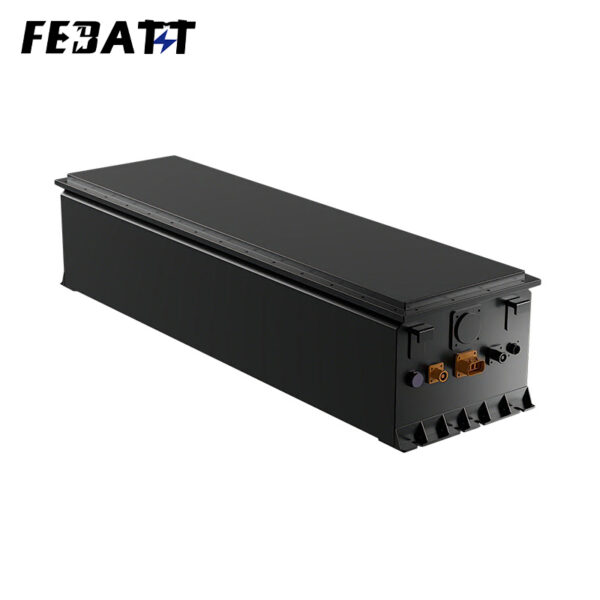
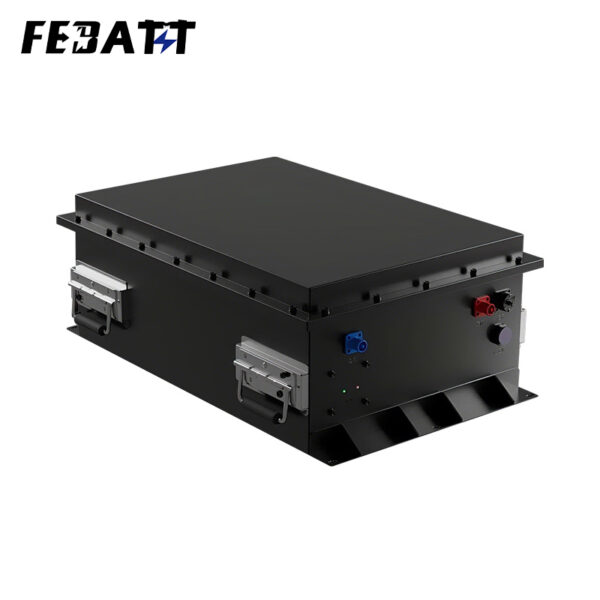
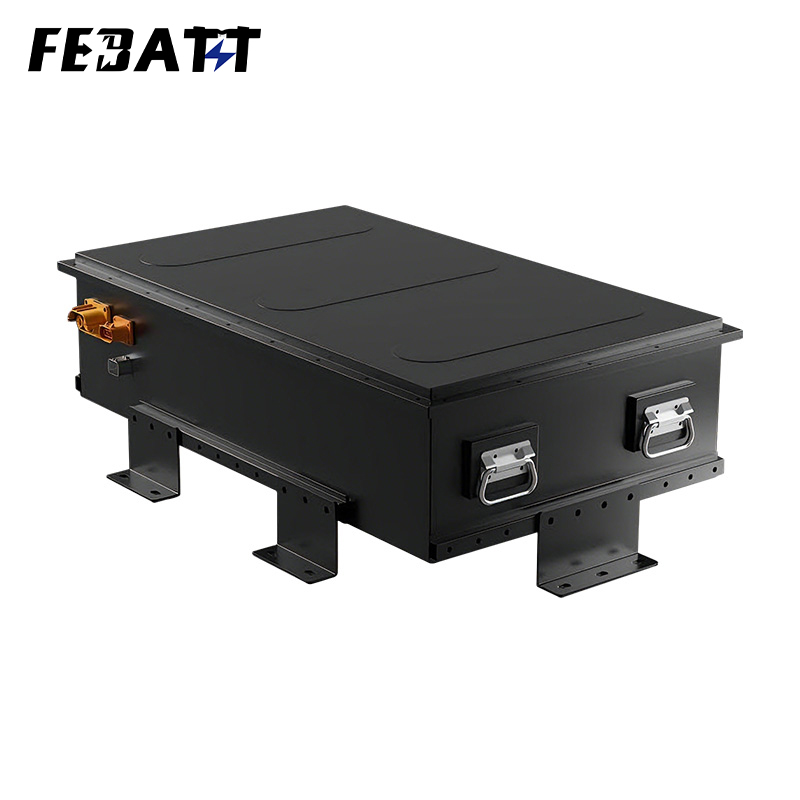
Engineered as a 73.6V 280Ah LFP Battery for Logistics Robot, this lithium iron phosphate power pack is built for high-demand logistics robots that handle continuous material transport, heavy cargo transfers, and dynamic warehouse workflows. Featuring 73.6V nominal voltage, 280Ah high capacity, and a rugged SPGC casing, this 73.6V 280Ah LFP Battery for Logistics Robots stands out with 20.808kWh total energy and 500A peak discharge — enabling logistics robots to support prolonged shift operations and high-load tasks without power interruptions. Unlike generic options, its 21P configuration and IP54 protection meet the rigorous needs of industrial logistics environments, making it a reliable core for high-frequency AGV/AMR fleets.
Technical Specifications
73.6V 280Ah Battery for Logistics Robot Core Parameters
| Parameter | Details (Tailored for Logistics Robots) |
|---|---|
| Cell Type | LFP 280Ah |
| Cell Cycle Life | ≥3000 cycles (100% DOD) – cuts logistics robot fleet replacement costs |
| System Cycle Life | ≥2500+ cycles (100% DOD) |
| Cell Certification | UN38.3 |
| Nominal Capacity | 280AH (21P) – supports extended logistics robot runtime |
| Nominal Voltage | 73.6V (21S) |
| Working Voltage Range | 57.5V-89.5V |
| Total Energy | 20.808kWh – powers full-shift operations for logistics robots |
| Weight | ≈182kg |
| Normal Charging Current | ≤80A |
| Peak Charging Current | ≤150A – fast recharging for logistics robot shift turnover |
| Continuous Discharge Current | ≤280A – sustains stable performance for logistics robot material handling |
| Peak Discharge Current | ≤500A – handles high-load tasks for logistics robots (e.g., pallet transfers) |
| Operating Temperature | Charge: 0℃-55℃; Discharge: -20℃-80℃ – adapts to warehouse logistics environments |
| Communication | CAN – syncs with logistics robot fleet management systems |
| Casing Material | SPGC – resists impacts in busy logistics workspaces |
| Protection Grade | IP54 – dust/splash-proof for warehouse logistics scenarios |
| Plug Type | Rigid connector – stable connection for high-power logistics robot operations |
| Dimensions (L×W×H) | 841mm×582mm×245mm – fits standard heavy-duty logistics robot chassis |
| Application | Warehouse AGVs, Material Transport AMRs, High-Volume Logistics Sorting Robots |
Core Advantages of 73.6V 280Ah Battery for Logistics Robot
1. 20.808kWh High Energy for Full-Shift Logistics Robot Runtime
73.6V 280Ah Battery for Logistics Robot delivers 20.808kWh total energy:It supports 12+ hours of continuous operation for warehouse AGVs — enough to cover full daily shift tasks (e.g., 300+ pallet transfers) without recharging.
For high-volume logistics sorting robots, this capacity powers non-stop parcel handling across peak e-commerce fulfillment hours.
73.6V 280Ah Battery for Logistics Robot delivers 20.808kWh total energy:It supports 12+ hours of continuous operation for warehouse AGVs — enough to cover full daily shift tasks (e.g., 300+ pallet transfers) without recharging.
For high-volume logistics sorting robots, this capacity powers non-stop parcel handling across peak e-commerce fulfillment hours.
2. 500A Peak Discharge for Heavy-Load Logistics Handling
Tailored for logistics robot cargo needs:500A peak discharge enables heavy-duty logistics robots to handle large pallet loads — critical for industrial warehouse material transfer workflows.280A continuous discharge sustains stable performance through frequent load shifts (common in busy logistics yards).
Tailored for logistics robot cargo needs:500A peak discharge enables heavy-duty logistics robots to handle large pallet loads — critical for industrial warehouse material transfer workflows.280A continuous discharge sustains stable performance through frequent load shifts (common in busy logistics yards).
3. IP54 Protection for Logistics Robot Warehouse Environments
Built for warehouse logistics scenarios:IP54 dust/splash-proof rating shields the battery from warehouse dust accumulation and minor liquid spills (e.g., cleaning runoff) — no performance loss in typical logistics workspaces.
Built for warehouse logistics scenarios:IP54 dust/splash-proof rating shields the battery from warehouse dust accumulation and minor liquid spills (e.g., cleaning runoff) — no performance loss in typical logistics workspaces.
4. ≥3000 Cell Cycles for Low-Cost Logistics Robot Fleets
Optimized for high-frequency logistics use:≥3000 cell cycles mean this 73.6V 280Ah Logistics Robot Battery lasts 2x longer than standard alternatives. For a 5-unit AGV fleet, this cuts replacement costs by 60% over 3 years.
Optimized for high-frequency logistics use:≥3000 cell cycles mean this 73.6V 280Ah Logistics Robot Battery lasts 2x longer than standard alternatives. For a 5-unit AGV fleet, this cuts replacement costs by 60% over 3 years.
5. CAN Communication for Logistics Robot Fleet Coordination
Syncs with logistics operations:CAN communication transmits real-time battery data (state of charge, temperature) to logistics robot fleet management systems. Managers can schedule charging to align with off-peak warehouse hours, minimizing logistics workflow downtime.
Application Scenarios
1. Warehouse AGVs
The 73.6V 280Ah Battery for Logistics Robot powers continuous pallet transfers. 500A peak discharge handles heavy loads, and IP54 protection resists warehouse debris.
The 73.6V 280Ah Battery for Logistics Robot powers continuous pallet transfers. 500A peak discharge handles heavy loads, and IP54 protection resists warehouse debris.
2. Material Transport AMRs
It suits extended-path material delivery in large logistics facilities. 20.808kWh energy covers multi-zone transfers, and long cycle life reduces fleet maintenance.
It suits extended-path material delivery in large logistics facilities. 20.808kWh energy covers multi-zone transfers, and long cycle life reduces fleet maintenance.
3. High-Volume Logistics Sorting Robots
It energizes non-stop parcel sorting for e-commerce logistics. Stable continuous discharge supports high-throughput tasks, and wide temperature adaptability works in climate-controlled warehouses.
It energizes non-stop parcel sorting for e-commerce logistics. Stable continuous discharge supports high-throughput tasks, and wide temperature adaptability works in climate-controlled warehouses.