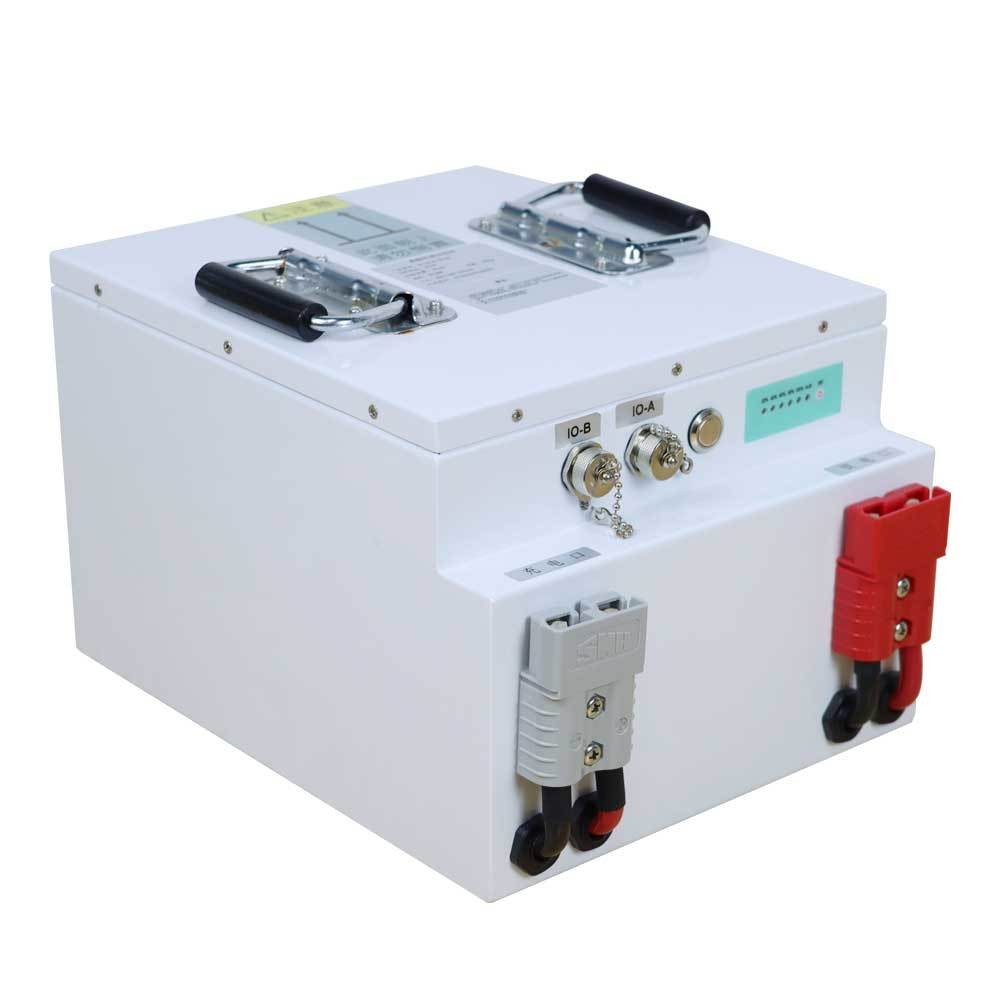
24V 60Ah LiFePO4 Battery for AGV: RS485/CAN Smart Power for Automated Fleets
Product Introduction
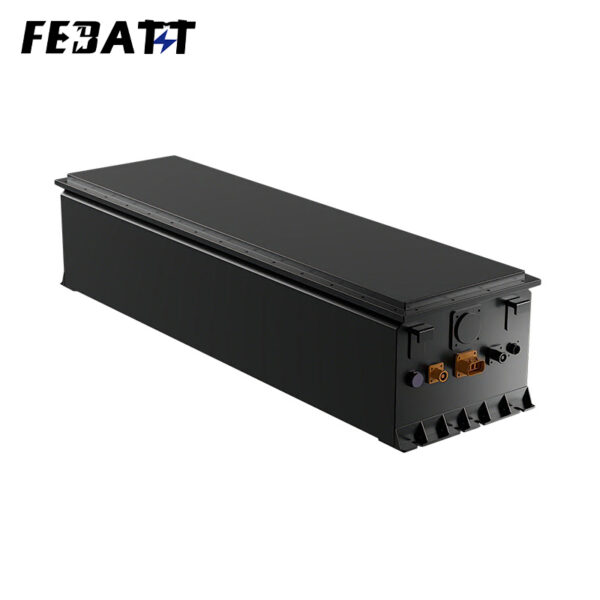
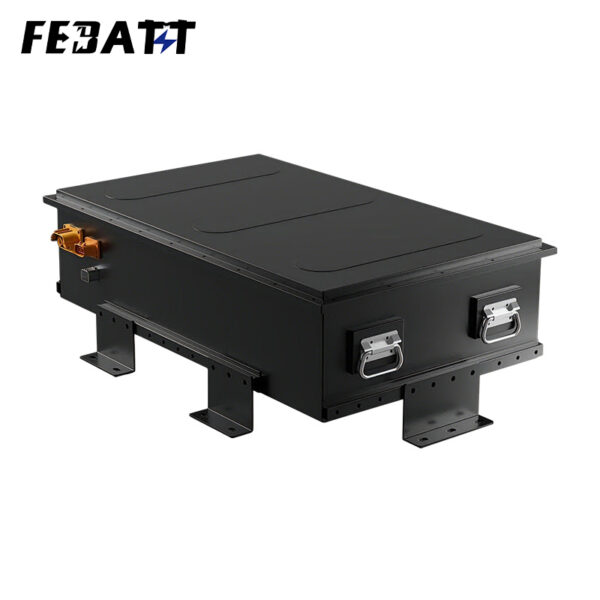
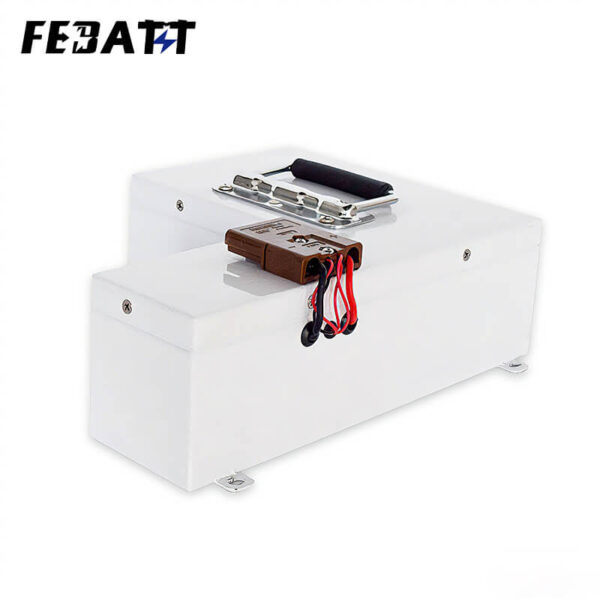
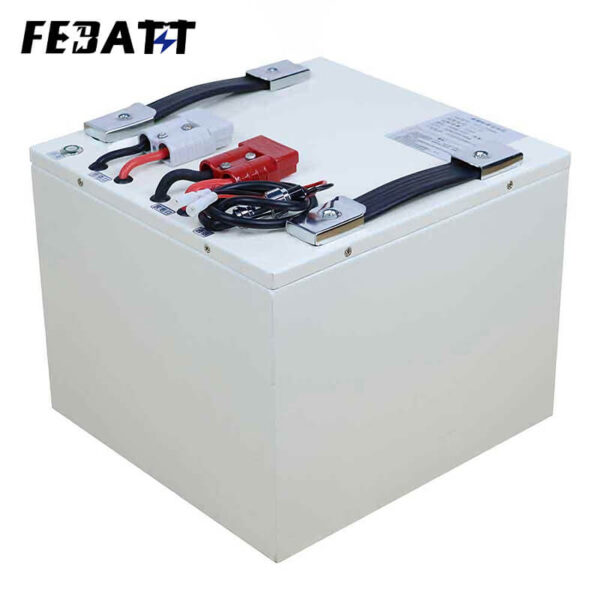
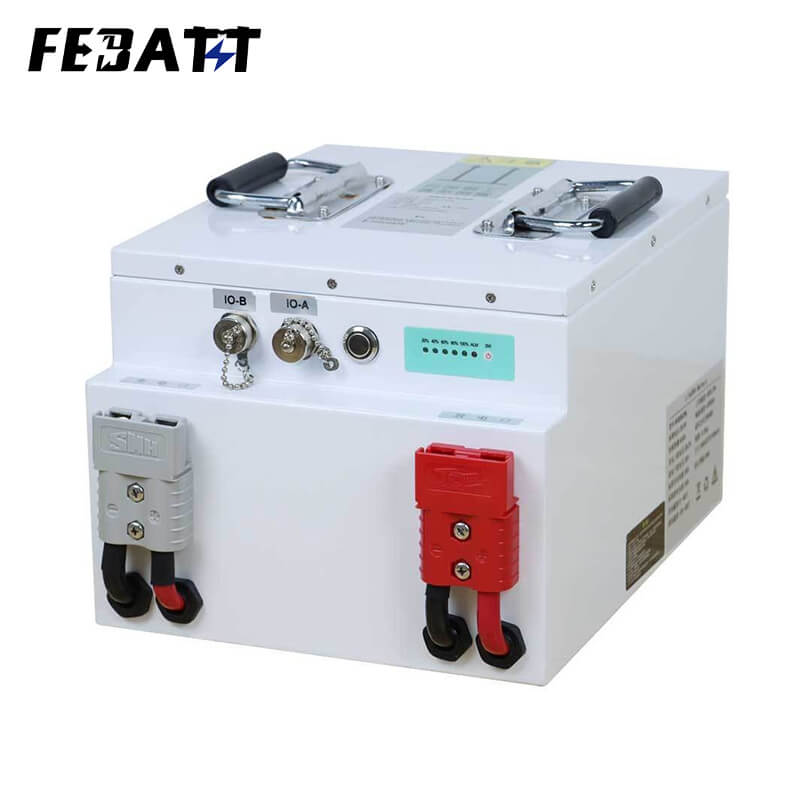
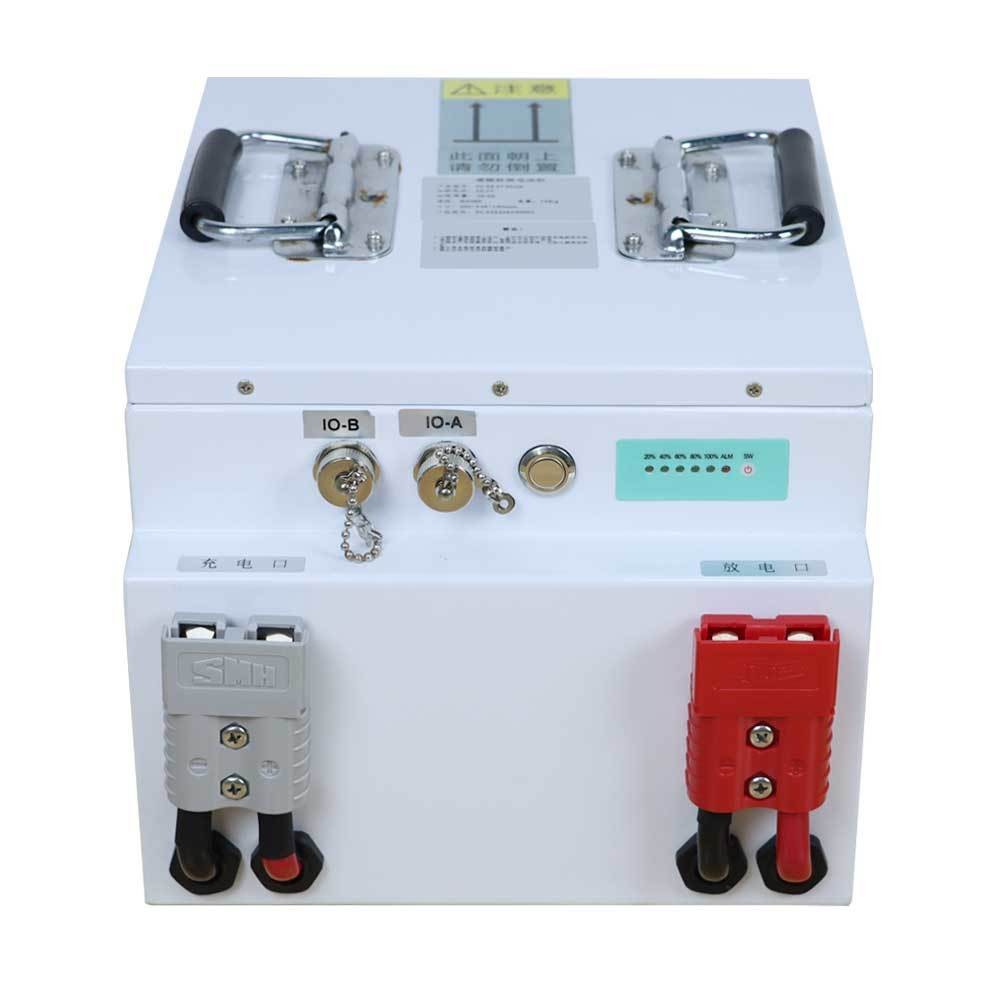
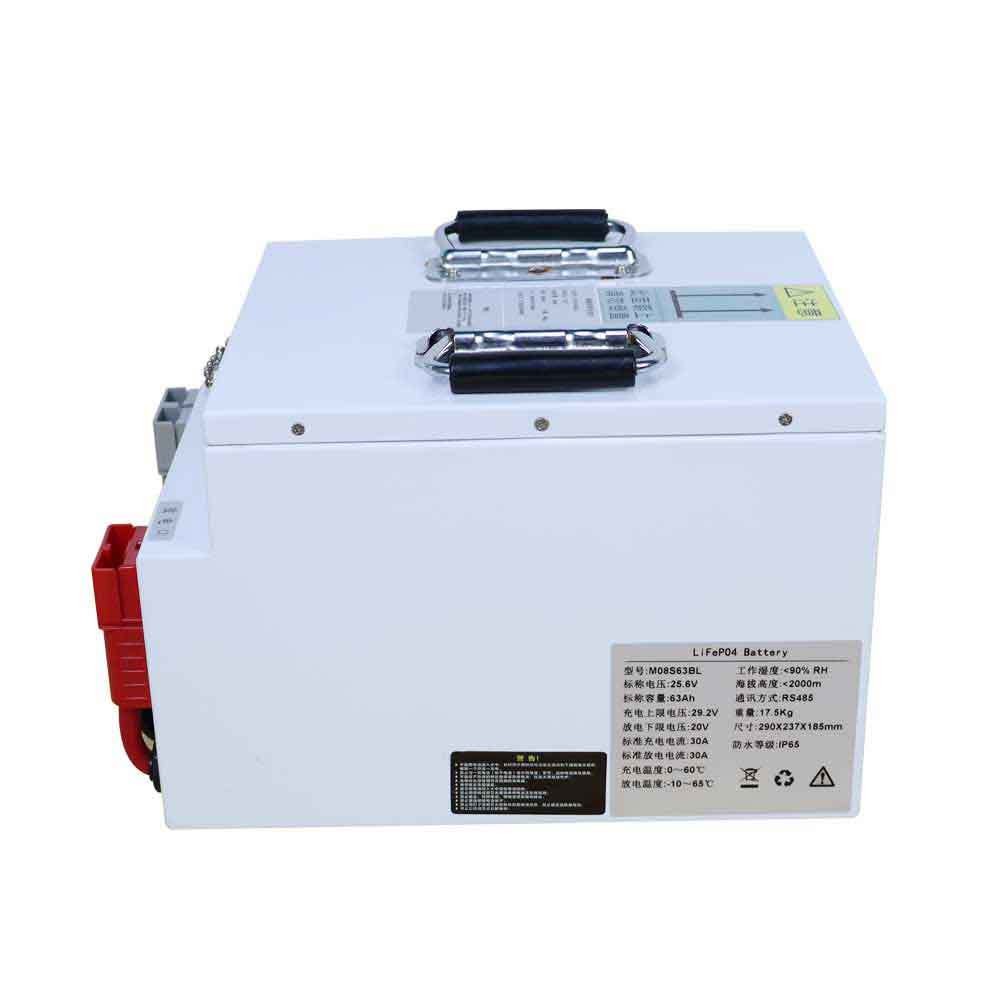
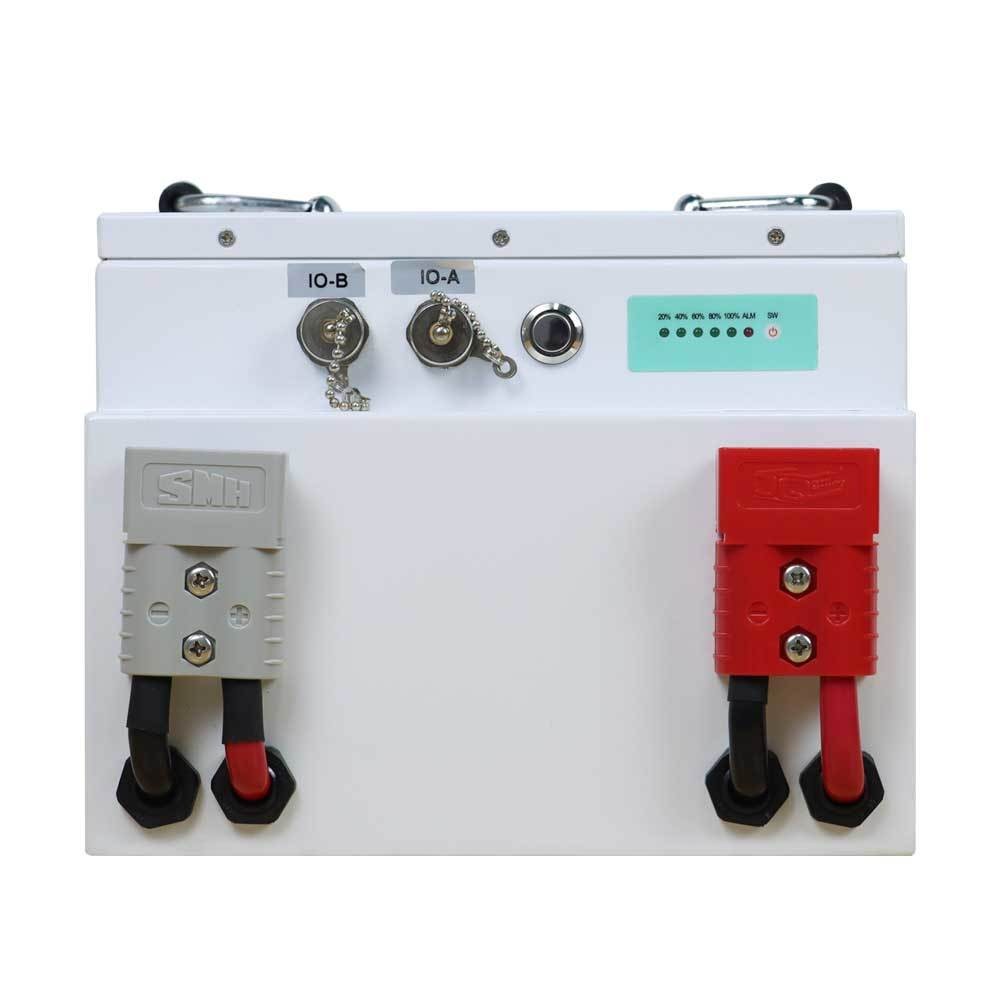
Engineered exclusively for automated guided vehicle precision, the 24V 60Ah LiFePO4 Battery for AGV redefines industrial power performance. As a dedicated LiFePO4 AGV Battery 24V 60Ah, it integrates A-grade lithium iron phosphate cells, dual RS485/CAN communication interfaces, and 30A continuous discharge capability—directly addressing the high-load, 24/7 operation demands of fork AGVs, traction robots, and pallet transporters. Unlike traditional lead-acid batteries or generic lithium solutions, this 24V 60Ah AGV LiFePO4 Battery supports 120A ultra-fast charging, maintains stable output in -10~60℃ environments, and boasts ≥2000 cycle life—slashing fleet maintenance costs while boosting operational uptime.
Technical Specifications
|
Parameter
|
24V 60Ah LiFePO4 Battery for AGV
|
Traditional Lead-Acid (Comparison)
|
AGV Operational Impact
|
|---|---|---|---|
|
Battery Type
|
LiFePO4
|
Lead-Acid
|
High-current output, no thermal runaway risk
|
|
Nominal Voltage
|
24V
|
24V
|
Perfect match for AGV standard power systems
|
|
Rated Capacity
|
60Ah
|
40Ah
|
Supports 10+ hours of continuous AGV operation
|
|
Charging Performance
|
120A max continuous charge (80% in 1h)
|
10A max charge (full charge in 8h)
|
Reduces AGV downtime by 87.5%
|
|
Discharge Performance
|
30A max continuous discharge
|
15A max discharge
|
Powers 2000+kg fork AGV lifts without voltage drop
|
|
Cycle Life
|
≥2000 cycles (80% capacity retention)
|
≤300 cycles
|
Lowers battery replacement cost by 85%
|
|
Operating Temperature
|
-10~60℃
|
10~40℃
|
Adapts to cold storage and high-temperature workshops
|
|
Communication Interface
|
RS485 + CAN
|
None
|
Real-time fleet health monitoring and fault alert
|
|
Dimensions (L×W×H)
|
300mm×245mm×190mm
|
400mm×300mm×250mm
|
Fits compact AGV battery compartments
|
Core Advantages of 24V 60Ah LiFePO4 Battery for AGV
1. Heavy-Load Power for All AGV Types
The 24V 60Ah LiFePO4 Battery for AGV is built to handle the toughest AGV workflows: “30A continuous discharge directly powers fork AGVs lifting 2000+kg pallets and traction AGVs towing heavy cargo trains—maintaining stable 24V output even during peak load. Its 60Ah capacity enables pallet AGVs to complete 300+ delivery cycles per charge, fully supporting 24/7 warehouse logistics without mid-shift recharging.”
2. RS485/CAN Dual Smart Monitoring
As a smart 24V 60Ah AGV LiFePO4 Battery, it redefines fleet management efficiency: “Dual RS485/CAN interfaces sync real-time data—including SOC, temperature, discharge current, and fault codes—to AGV fleet management systems. Customizable alerts for overcurrent, overheating, or low capacity prevent sudden shutdowns during critical tasks like cross-warehouse transport or precision component delivery. Fleet managers can monitor 50+ AGV batteries simultaneously, cutting maintenance response time by 60%.”
3. 120A Ultra-Fast Charging & Long Lifespan
A key differentiator from standard AGV batteries: “120A max charging current lets the 24V 60Ah LiFePO4 Battery for AGV reach 80% capacity in just 1 hour—compared to 8+ hours for lead-acid alternatives. With ≥2000 cycle life, it serves AGV fleets for 5+ years (vs. 1 year for lead-acid), slashing total cost of ownership by 70% for medium-sized fleets (20+ AGVs).”
4. Rugged Design for Industrial Harsh Environments
Engineered for AGV-specific harsh conditions: “Reinforced aluminum alloy casing and shock-absorbing cell brackets resist vibrations from factory floors and impacts from pallet collisions. Its -10~60℃ operating range ensures consistent performance in -10℃ pharmaceutical cold storage and 60℃ automotive foundry workshops—eliminating climate-related downtime that plagues traditional batteries.”
Application Scenarios
1. High-Load Warehousing AGVs
For fork AGVs, traction AGVs, and pallet transporters in e-commerce and logistics warehouses: “The 24V 60Ah LiFePO4 Battery for AGV powers 2000+kg fork AGVs through 12-hour shifts, completing 150+ lift-and-move cycles. RS485/CAN integration lets managers track battery levels of 50+ AGVs in real time, optimizing charging schedules to avoid peak-hour downtime.”
2. Cold Storage & High-Temp Manufacturing AGVs
In pharmaceutical cold storage (-10℃) and automotive foundries (60℃): “This LiFePO4 AGV Battery 24V 60Ah maintains 80% capacity even after 1000 cycles in low-temperature environments, powering AGVs that transport temperature-sensitive vaccines or auto parts. Its wide temp adaptation eliminates the need for battery heating/cooling accessories, reducing AGV weight by 15%.”
3. Flexible Manufacturing Embedded AGVs
For embedded AGVs in electronics and precision manufacturing: “Stable 24V output ensures precision in component transport to CNC machines and welding robots. Compact dimensions (300mm×245mm×190mm) fit seamlessly into small embedded AGV chassis, while 30A discharge supports simultaneous operation of navigation sensors and robotic arms.”