Battery design is becoming more application-specific across consumer electronics, electric mobility, and industrial power systems. In the past, many buyers mainly compared batteries by capacity, voltage, size, and price. Today, especially for B2B customers, those basic specifications are no longer enough. A reliable battery must match the product structure, operating environment, safety requirements, charging method, thermal behavior, and long-term use expectations.
A recent industry report introduced ATL’s 506578 5000mAh soft-pack lithium-ion cell, a battery cell designed for compact power bank products under the new safety standard trend. The reported cell specification is 506578, with a voltage of 3.92V, a capacity of 5000mAh, and an energy rating of 19.6Wh. The cell adopts a soft-pack structure, which helps terminal manufacturers balance limited internal space, product thickness, capacity performance, and safety redundancy.
Although this cell is mainly used in magnetic power banks, ultra-thin portable chargers, and compact consumer electronics, its design logic is valuable for B2B battery buyers. It shows that battery development is no longer just about choosing a cell. It is about building a complete battery system around the final application.
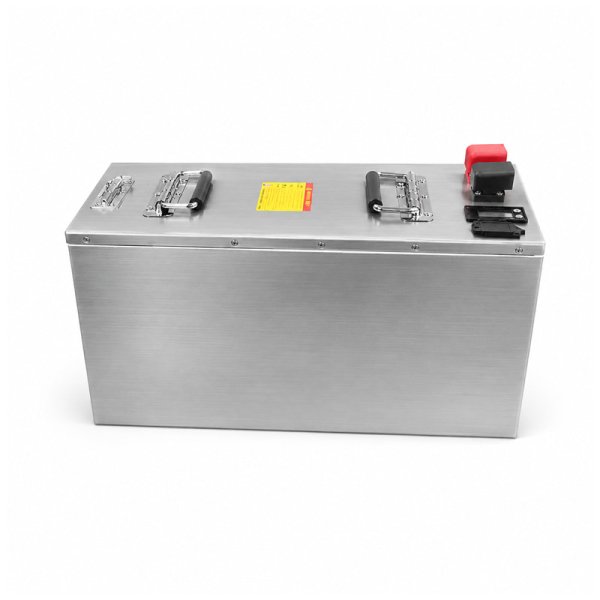
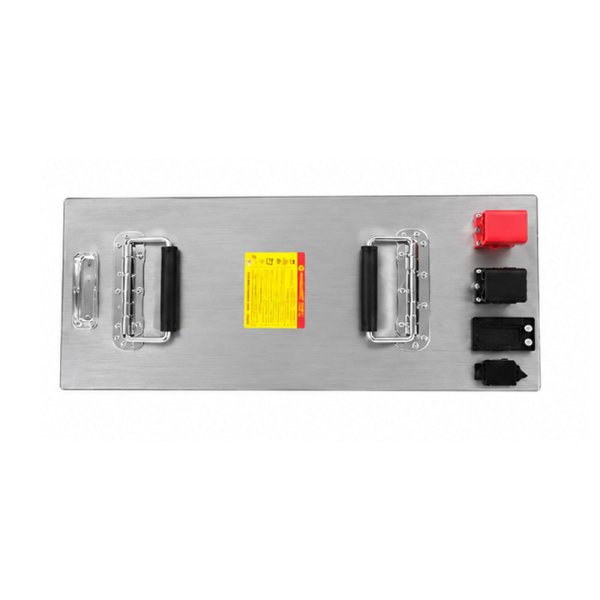
For FEBATT, this topic connects naturally with the development of a custom power battery pack for electric motorcycles, electric tricycles, scooters, low-speed vehicles, utility vehicles, AGV/AMR equipment, and other power-driven applications. The product size and power level may be different, but the key principle is the same: the battery must be designed around real use.
What Is ATL’s 506578 5000mAh Soft-Pack Cell?

ATL’s 506578 cell is a soft-pack lithium-ion battery cell reported for new-generation compliant power bank products. According to the original industry article, the cell has a voltage of 3.92V, a capacity of 5000mAh, and an energy rating of 19.6Wh.
The soft-pack structure is especially useful for compact electronic devices. Compared with a rigid battery format, a soft-pack cell can provide better flexibility for internal layout. For thin magnetic power banks and portable charging devices, this matters because every millimeter of thickness affects the final product experience.
In a slim power bank, the battery cell does not only decide capacity. It also affects the product’s body thickness, internal stacking method, temperature control, output stability, and long-term reliability. If the battery cell is too thick, the product becomes bulky. If the internal structure is not well designed, the product may face higher heating risks or lower durability.
The reported ATL 506578 cell has already been found in real product applications such as a 5000mAh magnetic power bank. This shows that the cell is not only a concept. It has practical value for terminal brands that need thinner, safer, and more reliable portable charging products.
For B2B battery buyers, this is an important signal. Cell selection, structure, safety, and product matching are becoming more closely connected. The same thinking should also be used when developing a custom power battery pack for electric mobility or industrial applications.
Why Does Soft-Pack Cell Design Matter?
Soft-pack cell design matters because modern battery products need both performance and structure adaptability. A battery is not just an energy storage component. It is part of the whole product design.
For consumer electronics, a soft-pack lithium cell helps manufacturers create thinner and lighter products. It can make better use of limited space, support compact stacking, and reduce unnecessary structural waste. This is why soft-pack cells are often used in mobile phones, tablets, wearable devices, magnetic power banks, and slim portable chargers.
For B2B power battery applications, the same design logic is also important. Electric scooters, electric motorcycles, electric tricycles, delivery vehicles, and compact utility vehicles often have fixed installation spaces. The battery compartment may be narrow. The connector position may be limited. The vehicle frame may require a specific battery shape. The charger and controller may also have defined electrical requirements.
In these cases, a standard battery may not be suitable. A custom power battery pack can solve these matching problems by adjusting voltage, capacity, structure, BMS protection, connector direction, housing design, and charging compatibility.
Soft-pack cell design also reminds buyers that internal battery layout should not be ignored. A battery may look simple from the outside, but its internal structure determines whether it can handle vibration, heat, current load, charging stress, and repeated daily operation.
For B2B customers, poor internal design can create serious problems. These may include unstable runtime, difficult installation, abnormal heating, early capacity loss, connector failure, charging faults, or higher after-sales costs. A well-designed custom power battery pack helps reduce these risks from the beginning of the project.

Why Is Battery Structure Important for B2B Buyers?
B2B battery buyers usually purchase batteries for products, projects, vehicles, or equipment that need stable long-term operation. They are not only buying a battery. They are buying reliability, compatibility, and project safety.
For an electric motorcycle manufacturer, battery structure affects vehicle layout, riding stability, discharge performance, and user experience. For an electric tricycle brand, it affects installation space, daily runtime, charging convenience, and maintenance cost. For a low-speed vehicle or utility vehicle project, it affects load performance, operation time, and product competitiveness.
This is why battery structure is a key part of custom power battery pack development. A suitable battery pack should match the customer’s real product, not force the customer to redesign the vehicle around the battery.
A good battery structure should consider:
- The available installation space
- The battery mounting method
- The direction of cables and connectors
- The position of the BMS and protection components
- The impact of vibration during use
- The heat dissipation path
- The expected charging method
- The maintenance and replacement process
- The need for waterproof, dustproof, or reinforced housing design
For B2B customers, these details directly affect whether the battery can be used smoothly in mass production. A sample may work in early testing, but if the structure is not suitable for actual assembly or daily use, the project may face delays and extra cost later.
A custom power battery pack should be developed with the final product in mind from the start. This is especially important for OEM and ODM buyers who need stable quality across repeated orders.
How Does a Small Cell Design Trend Apply to Larger Battery Packs?
ATL’s 506578 5000mAh soft-pack cell is mainly used in compact consumer electronics, but the design trend behind it can also apply to larger battery packs. The important connection is not the cell size. The important connection is the design method.
In both small and large battery systems, the battery must support the final product’s structure, safety, performance, and reliability requirements.
For a magnetic power bank, the battery must support slim design, stable output, safe charging, and good temperature control. For a custom power battery pack used in electric mobility, the battery must support higher voltage, larger capacity, stronger discharge, BMS protection, charger matching, and mechanical durability.
The application is different, but the logic is similar. A good battery solution must answer practical questions before production:
- Can the battery fit the available space?
- Can it deliver stable power under real working conditions?
- Can the battery management system protect the pack from abnormal conditions?
- Can the structure handle vibration, movement, and repeated use?
- Can the pack match the customer’s charger, controller, and connector requirements?
- Can the supplier provide consistent quality for batch production?
This is why B2B buyers should treat battery development as a system project. Choosing cells is only the first step. The complete pack design is what determines whether the final product works reliably.
A custom power battery pack should not be selected only by voltage and amp-hour. It should also be evaluated by safety design, structural fit, electrical compatibility, and supplier engineering capability.
What Can B2B Buyers Learn from This Trend?
The ATL soft-pack cell topic shows that battery design is moving toward higher safety, better space utilization, and stronger product matching. For B2B buyers, this trend provides several useful lessons.
First, capacity alone is not enough. A battery with higher capacity may not be better if it creates heating problems, installation issues, or poor product balance. Buyers should evaluate whether the capacity is suitable for the real application.
Second, battery structure affects product competitiveness. A compact and well-matched battery can help a vehicle or device become easier to assemble, easier to maintain, and more attractive to end users.
Third, safety design must be considered early. New safety standards for consumer power products show that the market is moving toward stricter quality control. In power battery applications, safety is even more important because the battery usually works under higher current, longer operating hours, and more demanding conditions.
Fourth, customization is becoming more valuable. Many B2B customers do not need a one-size-fits-all battery. They need a custom power battery pack that matches their voltage platform, capacity target, installation space, connector layout, BMS function, and charging requirements.
Fifth, supplier capability matters. A reliable supplier should not only quote a price. It should help customers evaluate battery design, application matching, risk control, and batch consistency.
For B2B customers, the right battery partner can reduce project risk, improve product reliability, shorten development communication, and support long-term supply.
Why Is a Custom Power Battery Pack Important for Electric Mobility?
Electric mobility products usually have more complex battery requirements than simple consumer electronics. Electric motorcycles, scooters, electric tricycles, delivery vehicles, and low-speed utility vehicles must operate under real road conditions. They may face vibration, temperature changes, frequent charging, heavy load, and long daily use.
A custom power battery pack helps solve the practical problems that standard batteries may not cover.
For electric motorcycles, the battery needs stable discharge, compact installation, strong BMS protection, and reliable vibration resistance. The pack must match the controller and motor system to avoid unstable performance.
For electric tricycles, the battery must support daily commercial use, longer runtime, and safe charging. Many electric tricycles are used for delivery, cargo transport, or local mobility, so reliability directly affects operating income.
For electric scooters and compact mobility vehicles, installation space is often limited. A custom power battery pack can help balance size, weight, capacity, and safety.
For low-speed vehicles and utility vehicles, battery packs need to support longer operation, stable output, and convenient maintenance. Customers may also require different voltage platforms and capacity options based on the vehicle type.
In all these applications, the battery is not a simple accessory. It is one of the core systems that affect product quality and user satisfaction.
How Can FEBATT Support Custom Battery Pack Projects?
FEBATT supports B2B customers with power battery solutions for electric mobility and industrial applications. Instead of only supplying standard battery models, FEBATT can support customers who need application-based battery development.
For customers developing electric motorcycles, electric tricycles, scooters, low-speed vehicles, utility vehicles, AGV/AMR equipment, or other power-driven products, FEBATT can help evaluate the right voltage platform, capacity design, battery chemistry, BMS protection, charger matching, connector layout, and structural requirements.
A custom power battery pack from FEBATT can be developed according to the customer’s real project needs. This is especially useful for OEM and ODM buyers who need a battery that fits a specific vehicle model or equipment platform.
FEBATT’s power battery solution can support different B2B requirements, including:
- Battery pack customization
- Voltage and capacity matching
- BMS protection design
- Connector and cable layout
- Charging compatibility
- Communication support
- Structural design
- Batch production support
- Testing and quality control
For more information, you can visit FEBATT’s power battery solution page.
This internal link is suitable here because the article is not focused on one fixed product model. It discusses battery design, application matching, and custom development. Therefore, a solution page is more natural than a single product page.
What Should Buyers Check Before Choosing a Battery Supplier?
Before choosing a battery supplier, you should not only compare unit price. A low-cost battery may create higher long-term costs if it causes product failures, unstable performance, difficult installation, or frequent after-sales problems.
You should first check whether the supplier understands the target application. A battery for an electric motorcycle is different from a battery for an electric tricycle, golf cart, forklift, or AGV. Each application has different working conditions, discharge requirements, charging habits, and installation needs.
Second, you should check cell selection. The cell should match the required performance, safety level, cycle life, and working environment. The wrong cell choice may lead to faster aging or poor power delivery.
Third, you should check BMS protection. A reliable BMS should protect the custom power battery pack from overcharge, over-discharge, overcurrent, short circuit, and abnormal temperature. For power battery applications, BMS quality is closely related to safety and reliability.
Fourth, you should check structure design. The battery housing, mounting method, connector direction, cable routing, and internal layout should match the vehicle or equipment.
Fifth, you should check charger compatibility. The battery and charger must work together safely. Charging voltage, current, protection logic, and communication requirements should be confirmed before mass production.
Sixth, you should check testing capability. A professional supplier should test capacity, charge and discharge performance, BMS protection, cell consistency, temperature behavior, and structural reliability.
Seventh, you should check batch consistency. For B2B projects, one good sample is not enough. The supplier must be able to deliver stable quality across repeated orders.
A reliable custom power battery pack supplier should help you reduce development risk and improve long-term product performance.

How Can Battery Design Improve Product Competitiveness?
Battery design can directly improve the competitiveness of electric mobility products. When the battery fits the product well, the final vehicle can be more stable, easier to assemble, and more reliable in daily use.
A compact custom power battery pack can help reduce wasted space inside the vehicle. This allows manufacturers to improve layout efficiency and make better use of the available structure.
A well-protected battery pack can reduce safety risks. With suitable BMS protection, thermal monitoring, and structural design, the battery can support more stable operation under different conditions.
A properly matched battery pack can improve runtime and user experience. If the capacity, discharge rate, and charging method are designed around the real application, the product can perform more consistently.
A supplier with customization ability can also help customers improve speed to market. Instead of repeatedly modifying the vehicle to fit a standard battery, the battery can be designed to match the vehicle from the beginning.
For B2B customers, these advantages are important because product competitiveness is not only about marketing. It is about whether the final product works reliably for dealers, fleet operators, distributors, and end users.
Relevant Technical FAQ
1.What is a soft-pack lithium cell?
A soft-pack lithium cell—commonly called a pouch cell—is a rechargeable battery that encloses its internal components (electrodes and liquid electrolyte) in a flexible, heat-sealed aluminum-plastic film rather than a rigid metal shell.
2.What are the key specifications of ATL’s 506578 cell?
According to the original industry report, ATL’s 506578 soft-pack lithium-ion cell has a voltage of 3.92V, a capacity of 5000mAh, and an energy rating of 19.6Wh. It is mainly designed for compact products such as magnetic power banks and slim portable chargers.
3.Why should B2B buyers care about cell structure?
You should care about cell structure because it affects the final battery pack’s size, installation, heat control, safety, and long-term reliability. In a custom power battery pack project, the internal battery structure can directly influence product performance, assembly efficiency, and after-sales risk.
4.What is the difference between a standard battery and a custom power battery pack?
A standard battery pack is a pre-designed, off-the-shelf unit built for general use. In contrast, a custom power battery pack is engineered from the ground up to match the exact size, shape, voltage, and discharge requirements of a specific device.
5.What should B2B buyers consider when choosing a custom lithium battery pack?
You must evaluate custom lithium battery packs based on duty cycles, thermal management, and compliance/regulatory requirements. Because bespoke designs involve higher upfront engineering costs and Minimum Order Quantities (MOQs), it is essential to ensure the manufacturer’s chemistry, BMS (Battery Management System), and production scale align with your specific device and market.
Final Thoughts
The ATL 506578 5000mAh soft-pack cell article is not only a consumer electronics update. It reflects a wider battery industry trend: battery design is moving toward stronger safety, better space utilization, stricter compliance, and more application-specific development.
For FEBATT, the best way to use this topic is to connect it with a custom power battery pack solution rather than a single product model. The original article discusses a small soft-pack cell for slim magnetic power banks, but its core message is also relevant to electric mobility and power-driven equipment. Battery design must follow the final application.
A custom power battery pack is valuable because it helps B2B customers solve real project problems. It can match limited installation space, support stable discharge, improve safety protection, simplify assembly, and reduce after-sales risk. For OEM, ODM, fleet, and project buyers, these factors can be more important than capacity alone.
FEBATT can use this article to show that it understands battery system design, not only battery specifications. By connecting cell technology trends with electric mobility battery solutions, FEBATT can guide readers toward its power battery solution page and build stronger trust with customers looking for a reliable lithium battery partner.