For delivery fleets, agricultural operators, distributors, and OEM programs, electric tricycle battery life is not simply a question of years in service. A pack can still power the vehicle while usable capacity, hill-climbing reserve, and route margin are already falling. A battery health check helps B2B operators decide whether a pack is still fit for its workload and whether replacement should be planned before downtime affects service.
For high-use cargo tricycles, LiFePO4 is often a strong commercial choice because its cycle-life potential and thermal stability suit frequent cycling and repeated load changes. But chemistry alone does not guarantee long service. A battery health check should connect cell quality, BMS behavior, payload, route, temperature, charging, and storage with the actual duty cycle.
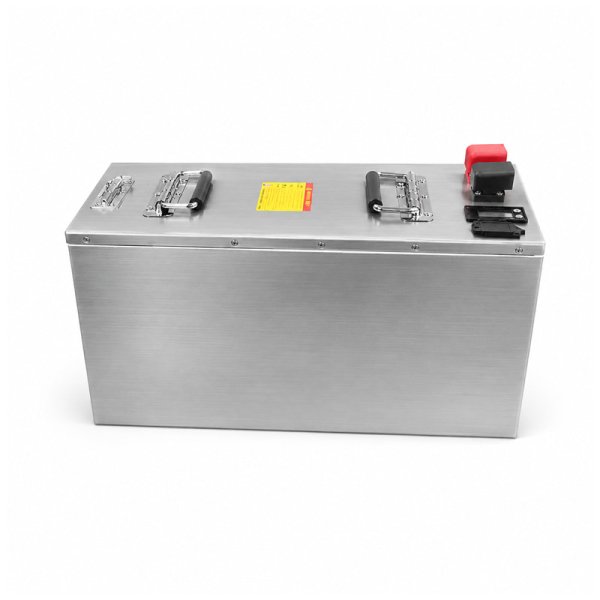
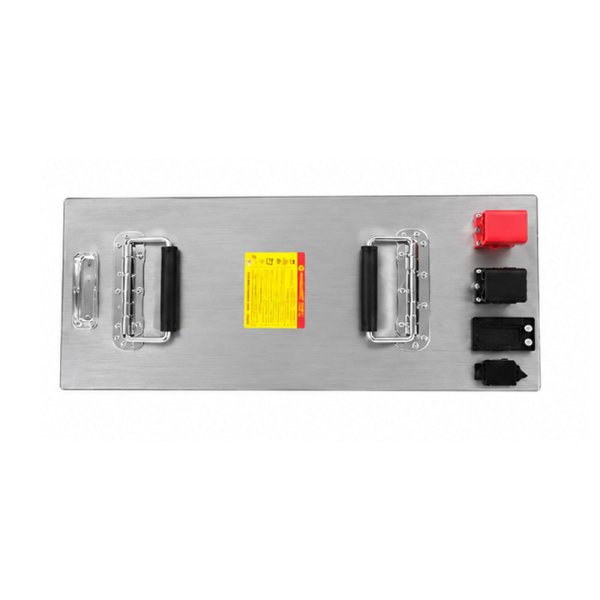
Buyers should start with an application-matched power battery solution rather than a headline lifespan claim. FEBATT lists its 48V 45Ah LFP Power Battery Pack at 1,500 cycles for applications including electric tricycles. That is a model-specific specification, not a universal promise.
How Long Can an Electric Tricycle Lithium Battery Last?
There is no credible single answer such as “five years” for every fleet. A utility tricycle may accumulate cycles slowly, while a delivery or agricultural fleet may cycle almost every working day under cargo load, hills, traffic, and summer heat. Lithium battery lifespan depends on cycling and operating stress as much as calendar age.
A battery health check should focus on productive performance: can the pack complete the required route with reserve, maintain acceptable power under load, and stay within normal temperature and BMS limits? LiFePO4 cycle life can reach the thousands under suitable conditions, but cycle figures depend on depth of discharge, C-rate, temperature, and the capacity-retention threshold used to define end of life.

For procurement teams, the key metric is productive operating cycles before lithium battery degradation starts to reduce route reliability or increase downtime. A battery health check provides that evidence.
What Four Factors Should a Battery Health Check Evaluate?

1. Cell quality and pack consistency
A battery health check should compare usable capacity, voltage behavior under load, cell-group balance, and temperature trends. A pack may still reach its normal full-charge voltage while battery capacity retention is already declining.
For B2B buyers, cell consistency and controlled pack manufacturing matter because one weak series group can limit the whole pack. Supplier evaluation should include cycle-test conditions, BMS settings, and quality-control records instead of relying on a vague “years of life” claim.
2. BMS protection and vehicle matching
A battery health check should determine whether repeated stress comes from normal aging or from the vehicle. The BMS can protect against overcharge, over-discharge, overcurrent, short circuit, and unsuitable temperature, but it cannot make an undersized battery durable.
Review BMS fault history together with controller demand, continuous and peak current, wiring, connectors, and charger profile. Repeated overcurrent or high-temperature events can show that the pack is operating too close to its limits, accelerating lithium battery degradation.
3. Payload, hills, current demand, and heat
Commercial tricycles may carry parcels, farm produce, tools, or other cargo, start repeatedly, climb ramps, and work long shifts. A battery health check should reproduce representative working loads rather than test only a parked vehicle.
Watch for increasing voltage sag on hills, rising pack temperature with the same payload, or shrinking route reserve. Battery University data show the general trend that high temperature, high current, and deeper cycling accelerate lithium-ion aging. A battery health check therefore works best when route, payload, and temperature records are available.
4. Charging and storage practice
Charging and storage also affect electric tricycle battery life. A battery health check should confirm that the charger matches the battery chemistry and pack limits, and should review repeated deep discharge, hot storage, and long idle periods.
Shallower cycling generally reduces stress compared with repeated full-depth discharge. Seasonal fleets should follow the supplier’s storage guidance. A battery health check before returning idle vehicles to service can identify lost capacity, imbalance, or abnormal self-discharge.

When Does Battery Capacity Retention Become a Fleet Problem?
Lithium batteries normally lose capacity gradually rather than failing on a fixed anniversary. NREL publications commonly use about 70–80% of original capacity as an end-of-life reference for vehicle batteries, but this is not a universal replacement rule for electric tricycles.
A battery health check should tie battery state of health to the fleet requirement. A pack at 82% capacity may already be unsuitable if it cannot finish a delivery route with reserve. Another pack below 80% may still be useful on a shorter, lighter route if power delivery, temperature, and safety remain acceptable.
That is why a battery health check should combine battery capacity retention with route completion, voltage sag, temperature, BMS events, and required payload before deciding whether to keep, rotate, investigate, or replace a pack.
How Should B2B Buyers Plan Fleet Battery Maintenance?
Fleet battery maintenance should be defined before deployment. Decide what data will be reviewed, how often a battery health check will be performed, and what route, capacity, temperature, or fault threshold triggers investigation.
For high-utilization electric tricycles, a correctly sized LiFePO4 pack is often the better long-term choice when cycle life, thermal stability, and replacement frequency matter. A battery health check then helps the fleet verify that the pack continues to meet the agreed specification.
Ask suppliers to state chemistry, cycle-test conditions, capacity-retention endpoint, continuous and peak current, BMS protections, charger requirements, operating temperature, connectors, communication needs, and warranty terms. A battery health check keeps replacement planning tied to real fleet performance.
Conclusion
For B2B electric tricycle fleets, battery life should be measured by productive performance rather than years alone. A battery health check gives operators a practical framework for tracking lithium battery lifespan, battery state of health, and battery capacity retention against real routes and payloads.
Choosing a properly sized LiFePO4 battery, matching it to the vehicle and charger, and maintaining clear fleet battery maintenance rules can reduce premature aging and unplanned downtime. A battery health check helps keep each pack in the right duty until replacement becomes the safer and more economical decision.
Frequently Asked Questions About Battery Health Check
Q: How do you check lithium battery health?
A: A battery health check should review usable capacity, route completion, voltage sag under load, pack temperature, cell-group balance, and BMS faults under representative fleet conditions.
Q: What is a good battery state of health?
A: A battery health check should confirm that the pack still meets required route, reserve, payload, and power targets. Around 70–80% capacity is a common reference, not a fixed replacement rule.
Q: How many cycles can a LiFePO4 battery last?
A: LiFePO4 cycle life depends on depth of discharge, C-rate, temperature, and the end-of-life threshold. A battery health check should compare supplier test conditions with the fleet duty cycle.
Q: What causes lithium battery capacity loss?
A: Heat, deep cycling, high current, unsuitable charging, storage stress, imbalance, and calendar aging can all contribute. A battery health check helps identify which stresses are visible in operation.
Q: When should an electric tricycle fleet replace a lithium battery?
A: Use a battery health check to plan replacement when the pack no longer meets route, reserve, payload, or power targets, or when heat, faults, swelling, or damage raises safety concerns.