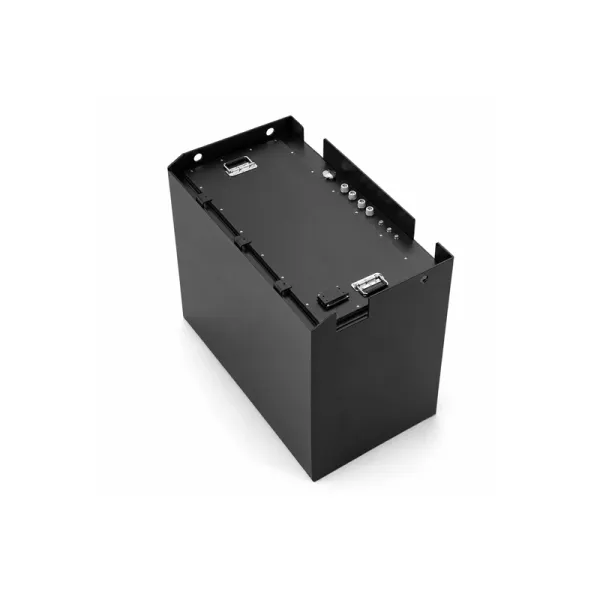
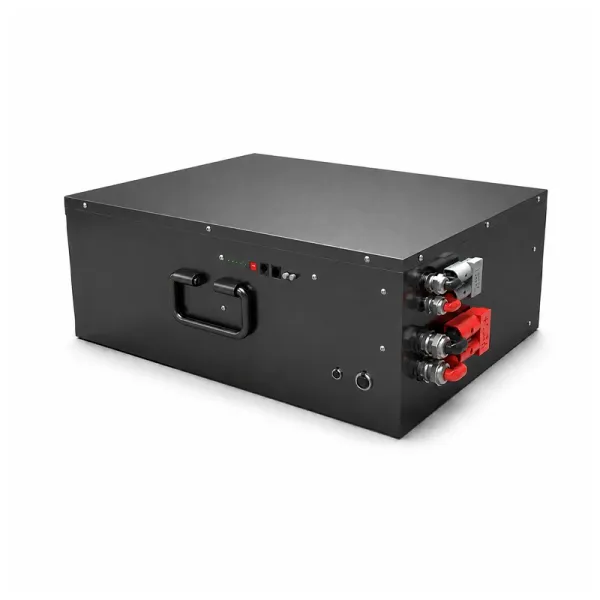
A pallet truck battery can look interchangeable and still leave a customer’s warehouse truck immobilized. A latch that misses its catch, a reversed connector assignment, or an unrecognized battery signal can derail an entire replacement order. For equipment dealers, the safest purchase is not the cheapest compatible-looking pack; it is a documented, truck-specific replacement that can be installed, commissioned, serviced, and reordered without guesswork.
Quick answer: Verify seven things before approving a pallet truck battery: truck identity, original part number, cross-reference status, physical fit, electrical interfaces, field performance, and production traceability. Require written compatibility evidence and approve a representative sample before releasing a bulk order.
Which Truck Models, Serial Ranges, and Battery Part Numbers Must Dealers Identify?
Begin each pallet truck battery inquiry with the equipment, not the supplier’s catalogue. “Electric pallet truck” covers pedestrian walkie trucks, compact warehouse units, powered pallet jacks, and rider configurations. Their battery access differs even when they look alike. A pallet truck battery suitable for occasional retail transfers may fail continuous dock replenishment or repeated ramp starts.
Build a truck identity record for each replacement group:
| Record | What the dealer should capture |
|---|---|
| Truck identification | Brand, full model designation, serial number or serial range, production year, and market version |
| Existing pack | OEM battery part number, label photographs, chemistry, rated energy, and any superseded code |
| Operating setting | Walkie or rider use, loaded routes, ramp exposure, cold-room work, and shift frequency |
| Service arrangement | Removable cassette or fixed installation, swap method, available access, and present charger |
Pallet truck battery compatibility can change across production runs. Serial numbers matter because an OEM may revise the enclosure, harness, control electronics, or battery locking system without changing the familiar model family name. Ask for pallet truck battery photographs, the mating connector, and the open compartment. Where possible, obtain the parts diagram and service revision from the truck manufacturer’s authorized channel.
For rider fleets, keep parts identification separate from workload sizing. The rider pallet jack battery fleet guide addresses duty-cycle planning; the immediate replacement task is establishing an exact configuration match.
How Should Dealers Cross-Reference Original and Replacement Battery Part Numbers?
A pallet truck battery replacement claim needs evidence. Pack appearance and nominal ratings do not authorize interchangeability. Every pallet truck battery cross-reference should identify the OEM code, approved successor numbers, applicable truck serial ranges, and the replacement manufacturer’s controlled part number.
Use a four-stage verification sequence:
- Confirm the original identity. Compare the pack label with the OEM parts list; investigate conflicting codes rather than choosing the nearest catalogue entry.
- Check supersessions. Determine whether the OEM has replaced the original part number or introduced a different version for later production batches.
- Match the physical and control interfaces. Compare approved drawings, connector diagrams, software requirements, and removal hardware.
- Obtain written approval. Record the vehicle models and serial ranges covered, plus any exclusions, installation steps, and required modifications.

Assign each pallet truck battery candidate a status: directly validated, conditionally approved, engineering review required, or rejected. A conditional pallet truck battery match might require an approved bracket or specified charger. Record conditions on the quotation and purchase order.
Keep the pallet truck battery mapping bidirectional. A single truck model might accept several approved revisions, whereas one replacement pack might serve multiple models only within defined serial-number boundaries. Shared dimensions alone are insufficient.
Which Compact Fitment Details Can Prevent a Battery From Entering Service?
Small electric pallet trucks often have unforgiving packaging envelopes. Case dimensions alone are insufficient. The pallet truck battery assembly—including its latch, terminals, grip, cable, and removal path—must fit without obstructing controls.
Evaluate each pallet truck battery against the truck’s real mounting and service conditions:
- Compartment envelope: case tolerances, lid clearance, protrusions, and ventilation or drainage paths specified by the OEM.
- Retention and handling: guide rails, locking tabs, fasteners, grip accessibility, permissible pack mass, and safe removal clearances.
- Cable geometry: connector orientation, harness strain relief, bend radius, and clearance from steering or moving components.
- Site exposure: dock-plate shock, moisture, washdown practices, condensation, and the temperature range expected in service.
A pallet truck battery that is difficult to remove slows dispatch. In cold storage, an enclosure that physically fits may still be unsuitable if its charging-temperature limits conflict with the site’s procedures. Capacity comparisons cannot resolve either problem.
For each pallet truck battery, request a toleranced drawing and annotated installation photographs. If battery mass, mounting, or structural alterations affect safe vehicle operation, seek the truck manufacturer’s documented approval rather than improvising a spacer or ballast.
Which Electrical, Charger, and Control Interfaces Need Written Sign-Off?
Electrical compatibility is necessary, but voltage alone is not a purchasing specification. A pallet truck battery must support the vehicle’s approved supply range, traction and lift demand, transient current peaks, and shutdown behavior under demanding loads. The worst mismatch may appear during a loaded start rather than in a stationary workshop demonstration.
Specify the whole interface, not just the plug:
| Interface | Evidence to request |
|---|---|
| Power connection | Connector manufacturer and keying, polarity, pinout, cable specification, and current rating |
| Battery management | BMS protection thresholds, contactor or wake-up logic, and fault reset procedure |
| Vehicle communication | Required CAN, RS485, or discrete signals where used; message compatibility and error handling |
| Charging | Approved charger model, charging profile, connectors, interlocks, and temperature restrictions |
| Operator feedback | State-of-charge display behavior, warnings, and response to low-energy cutoffs |
A matching connector shell does not prove pallet truck battery recognition. Some pallet truck battery systems use basic wiring; others require handshake logic or a specific state-of-charge signal. Buyers must establish which architecture the installed model uses.
Replacing lead-acid with lithium is a separate approval question, not a routine swap. For US workplaces, OSHA’s powered-industrial-truck rules require manufacturer approval for modifications affecting capacity or safe operation and require replacement parts to be equivalent in safety. Review the pallet truck battery and charger against truck instructions and local rules.
For projects needing a pack adapted to a verified installation envelope and control system, application-matched power battery solutions provide a starting point for discussing interface documentation and OEM support.
How Can Dealers Validate Samples and Protect Subsequent Reorders?

Approve the first pallet truck battery as a controlled technical sample, not as a cosmetic showroom item. Use customer trucks covering approved serial ranges and demanding warehouse conditions. Aim for repeatable operation, not one successful movement.
A three-gate acceptance process works well:
| Gate | Minimum acceptance evidence |
|---|---|
| Bench inspection | Label and revision match, dimensions, connector pinout, electrical checks, and documentation |
| Truck commissioning | Secure installation, display or communication behavior, charging acceptance, and fault-free controls |
| Operational pilot | Loaded travel, ramps where applicable, stop-start cycles, shift handover, temperature limits, and diagnostic records |
Agree on pallet truck battery acceptance limits before testing. For example, record the customer’s minimum usable shift window, permitted fault events, and service response criteria; do not substitute an unverified supplier runtime claim. Ask technicians to document the truck serial number, test conditions, measured results, and unresolved deviations for every pallet truck battery sample.
For repeat orders, freeze the approved drawing, connector specification, bill of materials, firmware configuration where relevant, and label format. Require advance notification of substitutions. Incoming quality checks should compare each pallet truck battery lot with the approved reference, supported by batch identification and traceable inspection records.
Pallet truck battery traceability is crucial across mixed depots: one unannounced harness revision can turn interchangeable stock into stranded inventory. For larger replacement programs, the forklift battery replacement rollout guide offers a complementary framework for phased deployment and downtime contingency planning.
What Should Equipment Dealers Include in a Pallet Truck Battery Replacement RFQ?
A useful RFQ turns compatibility assumptions into supplier obligations. A pallet truck battery quotation should identify exactly what will be delivered, where it is approved to fit, how conformity will be verified, and what happens if a unit fails in the field.
Send these requirements with the inquiry:
- Equipment schedule: truck brands, full models, serial ranges, original battery codes, and expected units per configuration.
- Installation dossier: compartment drawings or measurements, connector photographs, retention details, and removable versus fixed-pack requirements.
- Workload brief: short retail transfers or high-frequency warehouse routes, ramp duty, shift pattern, ambient conditions, and actual service windows.
- Interface specification: required electrical range, peak loads, charger identity, BMS signals, and any OEM approval restrictions.
- Commercial controls: sample quantity, acceptance protocol, volume by release, lead time, approved revision, packaging, warranty, spare units, and failure-response process.

For bulk purchasing, dealers should also confirm minimum order quantities (MOQs) per battery model, mixed-SKU shipment options, sample-to-production lead times, Incoterms, delivery points, and quotation validity. Warranty terms should define the return merchandise authorization (RMA) process, diagnostic responsibilities, replacement lead times, and allocation of return-freight costs. These commercial details determine whether a technically suitable replacement can be stocked and supported profitably.
Ask suppliers to specify verified fit, outstanding conditions, and deliverable documents. A pallet truck battery proposal must not promise universal interchangeability without a tested compatibility matrix.
Before confirming a pallet truck battery bulk order, require a signed sample report, production sign-off, and pallet truck battery part-number traceability. Define reorder checks against that reference. The outcome is not simply “batteries supplied.” It is the right units available to the right depots, without avoidable installation or commissioning delays.
Frequently Asked Questions About Pallet Truck Batteries
Q: Can one pallet truck battery fit different electric pallet truck models?
A: Sometimes. A pallet truck battery can serve multiple models only when the OEM-approved fit, retention system, electrical connections, controls, and applicable serial ranges all match. Verify each model before combining stock.
Q: How can buyers identify the correct replacement pallet truck battery?
A: Record the truck’s full model and serial number, then compare its original battery code with the OEM parts record. Confirm photographs, dimensions, connectors, and any revised or superseded part numbers.
Q: Can a lead-acid pallet truck battery be replaced with lithium?
A: Possibly, but it is not automatically a drop-in change. Verify the truck manufacturer’s approval, battery retention and mass, BMS compatibility, charger suitability, and local safety requirements before conversion.
Q: Do all electric pallet trucks use removable battery packs?
A: No. Some trucks use quick-swap battery cassettes, while others have fixed or service-removable packs. Check the specific model’s service instructions and handling method before quoting replacements or spare inventory.
Q: What should dealers check before ordering pallet truck batteries in bulk?
A: Approve a representative sample, verify model and serial-number coverage, freeze the drawing and interfaces, and agree on batch traceability, incoming inspection, lead times, warranty, and field-failure support.
Send your truck models, serial ranges, original part numbers, battery photographs, and estimated order quantities. A technical review can identify fitment gaps, required interfaces, and sample-test requirements before your next pallet truck battery purchase order.