Lithium ion battery safety has become a critical topic for fleet operators, electric mobility brands, warehouse managers, distributors, and industrial equipment companies. Lithium-ion batteries power electric motorcycles, e-scooters, forklifts, AGV/AMR vehicles, golf carts, utility vehicles, portable tools, and many other modern applications. Their high energy density makes them efficient and compact, but it also means that poor design, unsafe charging, physical damage, incorrect storage, or careless disposal can create serious fire risks.
A recent warehouse fire in Neumünster, Germany, again showed why Lithium ion battery safety can no longer be treated as a minor technical detail. According to German media reports, a large warehouse complex caught fire on June 30, 2026. Firefighters responded in large numbers, the nearby Hamburg–Kiel/Flensburg railway line was affected, and early reports said e-scooter batteries were stored in at least one part of the building. The fire cause was still under investigation, but the incident became another warning for companies that store, transport, charge, or distribute lithium batteries in bulk.
For B2B buyers, Lithium ion battery safety is not only about avoiding accidents. It is also about protecting inventory, reducing downtime, meeting import and compliance requirements, lowering insurance risk, and building a reliable product reputation. A battery pack that looks cheap at the beginning can become expensive if it fails in storage, overheats during charging, or causes field complaints. That is why lithium battery safety should be evaluated from cell selection, BMS design, pack structure, charging compatibility, warehouse management, staff training, and end-of-life recycling.
This guide explains how lithium batteries catch fire, how to store and charge them safely, how to respond to battery fire risks, how to dispose of used batteries, and how B2B buyers can select safer power battery solutions for long-term commercial use.
Why Does Lithium Ion Battery Safety Matter for B2B Power Battery Buyers?
Lithium ion battery safety matters because power battery failures can affect more than one device. In B2B applications, batteries are often stored in cartons, pallets, racks, warehouses, vehicle fleets, repair centers, and distribution hubs. If one defective pack overheats, the risk can spread to nearby batteries, packaging, plastic parts, chargers, and vehicles. This is why the safety of lithium ion batteries must be considered as a complete system, not as a single product label.
For electric two-wheelers and three-wheelers, a battery failure can damage the vehicle, interrupt delivery operations, and create brand complaints. For forklift and AGV/AMR applications, poor lithium ion batteries safety can stop production lines, warehouse automation, and material handling operations. For distributors, unsafe storage can damage inventory and create regulatory problems. For OEM/ODM projects, lithium battery safety directly affects product launch success, after-sales cost, and long-term customer trust.
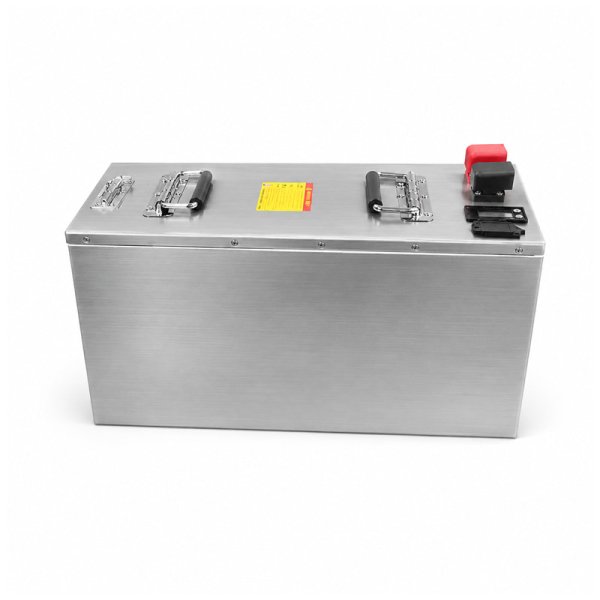
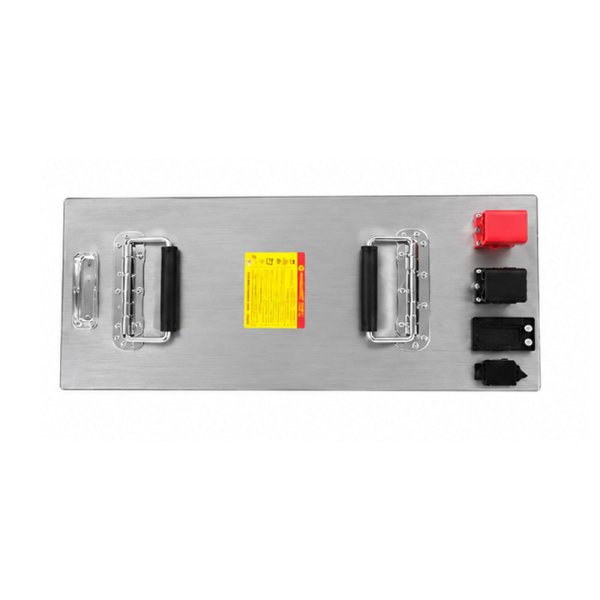
A safe commercial battery pack should not depend on one protection measure only. Lithium ion battery safety should include reliable cells, proper pack design, BMS protection, thermal management, correct charging strategy, insulation control, short-circuit protection, shock resistance, clear labeling, and traceable production quality. FEBATT’s Power Battery Solution is a suitable internal link for this topic because it connects Lithium ion battery safety with real B2B power battery applications such as electric mobility and industrial equipment.
How Do Lithium Batteries Catch Fire?
Lithium batteries usually catch fire when internal heat rises faster than the battery can release it. This process is commonly called thermal runaway. During thermal runaway, the battery cell can generate more heat, release flammable gases, rupture, ignite, or spread heat to nearby cells. OSHA notes that lithium-ion batteries may create hazards during manufacturing, use, emergency response, disposal, and recycling, including fire, explosions, and chemical byproducts during thermal runaway.
Several conditions can trigger Lithium ion battery safety problems. Overcharging is one of the most common risks. If a charger provides the wrong voltage or current, the cell may become unstable. Physical damage is another major cause. A crushed, punctured, dropped, or bent battery pack can create internal short circuits. Poor-quality cells, contaminated production, weak welding, damaged insulation, water ingress, and poor pack assembly can also increase risk.
Heat exposure is also dangerous. Batteries stored near direct sunlight, heaters, engines, welding areas, or poorly ventilated charging rooms may age faster and become less stable. USFA recommends storing lithium-ion batteries at room temperature when possible and avoiding charging below 0°C or above 40°C. It also warns against leaving lithium-ion batteries in hot cars or direct sunlight.
For B2B buyers, the key lesson is simple: Lithium ion battery safety starts before the battery is used. It begins with supplier selection, cell grading, BMS design, pack validation, charging compatibility, and clear storage rules.

What Makes Lithium Battery Fires Different from Ordinary Fires?
Lithium battery fires are difficult because they are not always limited to visible flames. A battery pack may vent gas, produce smoke, heat up again after initial cooling, and reignite. This is why lithium batteries safety requires special attention in warehouses and fleet operations.
In the Neumünster case, reports after an earlier local warehouse battery-related fire noted that damaged batteries could ignite repeatedly. Firefighters had to cool batteries from outside for hours because heat and structural risk made close access difficult. This kind of incident shows why lithium-ion battery safety is not the same as ordinary plastic, paper, or fuel fire safety.
A normal fire often depends mainly on external fuel. A lithium-ion battery failure can involve stored electrical energy, chemical reactions, flammable electrolyte, gas release, and chain reaction between cells. Even after flames are reduced, the remaining cells may still hold energy. If the pack is not cooled, isolated, and monitored, the risk can return.
This does not mean lithium-ion batteries are unsafe by default. Good products can be used safely for years. The real issue is uncontrolled risk: uncertified chargers, damaged batteries, poor storage density, mixed old and new packs, untrained workers, and weak emergency procedures. Lithium ion battery safety is about reducing those risk factors before they combine into a serious event.
How Can Companies Improve the Safety of Lithium Ion Batteries Before Purchase?
The safety of lithium ion batteries begins with purchasing decisions. B2B buyers should not evaluate batteries only by voltage, capacity, size, and price. A safe battery pack is the result of engineering control and quality discipline.
First, check the cell chemistry and cell source. LiFePO4 batteries are widely used in many industrial and mobility applications because they offer better thermal stability than many traditional lithium-ion chemistries. This does not remove all risk, but it gives a stronger safety foundation for power battery packs.
Second, review BMS functions. A proper BMS should protect against overcharge, overdischarge, overcurrent, short circuit, overheating, abnormal voltage, and communication errors where applicable. For industrial fleets, CAN or RS485 communication can also help monitor battery condition and support smarter maintenance.
Third, confirm charger compatibility. A good battery with the wrong charger is still a safety risk. Charging voltage, current, connector design, communication protocol, and cut-off logic must match the battery pack. Lithium ion battery safety should always include the charger system.
Fourth, ask for test and compliance information. Depending on the application and market, buyers may need UN38.3, MSDS, IEC62619, CE, RoHS, UL-related standards, or other documents. These do not replace operational safety, but they help prove that the product has passed basic transport, electrical, or safety evaluation.
Fifth, avoid unknown low-cost packs with no traceability. Cheap batteries may use inconsistent cells, weak nickel strips, poor insulation, unreliable BMS boards, and low-quality connectors. For B2B projects, lithium battery safety depends on stable batch quality, not just a good sample.
How to Safely Store Batteries in Warehouses and Workshops?
Safe storage is one of the most important parts of Lithium ion battery safety. Many serious incidents happen not during normal vehicle operation, but during storage, charging, repair, transportation, or disposal. Warehouses often contain large quantities of batteries close together, so one problem can quickly become a bigger event.
Batteries should be stored in a cool, dry, ventilated area away from direct sunlight, heaters, open flames, welding work, flammable liquids, paper packaging, and combustible materials. Spare lithium-ion batteries should be kept away from anything that can burn, according to USFA battery fire safety guidance. (U.S. Fire Administration)
For B2B storage, battery zones should be separated by battery status. New batteries, returned batteries, damaged batteries, end-of-life batteries, and batteries waiting for testing should not be mixed together. Damaged or swollen packs should be isolated immediately in a controlled area, clearly labeled, and handled by trained staff.
Storage racks should prevent crushing, dropping, vibration, and accidental short circuits. Battery terminals and connectors should be protected. Cartons should not be stacked beyond safe limits, and pallets should leave enough space for inspection, cooling, and emergency access. Fire detection, smoke alarms, temperature monitoring, ventilation, and clear evacuation paths should be part of the warehouse plan.
Lithium ion battery safety also requires inventory discipline. Long-term storage batteries should be checked periodically for voltage, swelling, leakage, corrosion, abnormal smell, or heat. If batteries are stored for months, the state of charge should follow manufacturer guidance.

How Should Lithium Batteries Be Charged and Monitored?
Charging is one of the highest-risk stages in lithium battery safety. A battery pack receives energy during charging, and if voltage, current, temperature, or communication control fails, the pack can overheat.
Companies should use chargers approved or recommended by the battery manufacturer. The charger must match the battery voltage, chemistry, current limit, connector, and communication protocol. Using a random charger because the connector “fits” is not safe. Lithium ion battery safety depends on electrical compatibility, not only physical connection.
Charging should take place in a designated area, away from storage racks and flammable materials. The charging area should have ventilation, fire detection, clear access, and enough spacing between batteries. For high-volume operations, charging should be monitored by trained workers or smart systems. Overnight charging without supervision should be avoided unless the facility is designed for safe unattended charging.
Charging temperature is also important. Do not charge batteries in extremely cold or hot conditions unless the battery system is designed for it. USFA guidance advises not charging lithium-ion batteries below 0°C or above 40°C.
For fleets, smart monitoring can improve lithium-ion battery safety by tracking voltage, temperature, current, cycle count, fault codes, and abnormal behavior. A BMS with communication functions can help operators detect problems earlier, reduce misuse, and improve maintenance decisions.
How Should Teams Respond to a Lithium Battery Fire?
Lithium ion battery safety plans must include emergency response. If a battery begins smoking, swelling, making unusual sounds, leaking, overheating, or producing an unusual smell, stop using it immediately. Move people away from the area. If it is safe and the battery is small, isolate it from combustible materials. If there is active fire, heavy smoke, or a large pack involved, evacuate and call emergency services.
Lithium battery fire response should focus on life safety first. Toxic smoke and gas can be dangerous. UL Solutions advises that lithium-ion battery fires can emit toxic gases and recommends calling emergency services when a fire starts. It also advises users to watch for warning signs such as heat, smoke, or bulging.
For small batteries, water or water-based extinguishing may help cool nearby materials and reduce fire spread, but large battery packs, warehouses, or palletized storage fires require professional response. Firefighters often use large amounts of water for cooling because the goal is to reduce temperature and prevent propagation. However, complete extinguishment may be difficult if cells keep reacting internally.
Businesses should not rely only on portable extinguishers. A proper Lithium ion battery safety plan should include emergency contacts, staff training, isolation procedures, fire detection, ventilation control, safe shutdown steps, and post-fire monitoring. After any battery fire or overheating event, batteries should be treated as damaged hazardous material and handled by qualified personnel.

How Should Companies Dispose of Lithium Batteries?
Disposal is another major part of Lithium ion battery safety. Used, damaged, defective, or end-of-life batteries should not be thrown into general waste bins. The U.S. EPA states that lithium-ion batteries and devices containing them should not go in household garbage or regular recycling bins. They should be taken to separate recycling or household hazardous waste collection points. EPA also recommends taping terminals or placing batteries in separate plastic bags to help prevent fires.
For businesses, disposal rules can be stricter than household rules. Used lithium-ion batteries may be considered hazardous waste depending on local regulations, battery condition, chemistry, and quantity. Companies should work with certified recycling partners or hazardous waste handlers, especially for damaged, swollen, leaking, burned, recalled, or mixed battery batches.
Battery disposal should also include temporary storage control. Do not place discarded batteries in piles. Do not mix damaged batteries with normal inventory. Do not crush, puncture, dismantle, or shred batteries unless handled by professional recycling facilities. Transport packaging should prevent short circuits, impact, and movement.
Good lithium batteries safety management treats disposal as part of the product lifecycle. A battery is not “safe enough” simply because it is no longer powering a vehicle. End-of-life batteries may still contain energy and can still create fire risk if damaged or poorly handled.
What Are the Safety Precautions for Lithium Batteries?
The best Lithium ion battery safety strategy is prevention. Companies should create clear rules for purchasing, storage, charging, inspection, use, repair, transportation, and disposal. These rules should be simple enough for workers to follow every day, not only written in a manual.
The main safety precautions include using qualified battery suppliers, choosing the correct chemistry for the application, matching chargers properly, protecting batteries from impact and heat, keeping batteries away from combustible materials, and checking for warning signs. USFA advises users to stop using lithium-ion batteries if they notice odor, color change, too much heat, shape change, leaking, or odd noises. (U.S. Fire Administration)
B2B operators should also train staff to identify abnormal batteries. A swollen pack should not be charged again. A battery that has been dropped, flooded, crushed, or exposed to fire should be isolated and inspected. A charger with damaged cables should be removed from service. A battery that repeatedly triggers BMS faults should not be forced back into operation.
Lithium ion battery safety also requires documentation. Record batch numbers, delivery dates, test results, fault cases, repair history, and disposal records. This makes it easier to trace issues, control warranty risk, and improve product quality over time.
Why Is LiFePO4 Often Preferred for Safer Power Battery Applications?
LiFePO4 is often selected for commercial power battery applications because it offers strong cycle life, stable discharge performance, and better thermal stability than many conventional lithium-ion chemistries. For B2B buyers, this makes LiFePO4 attractive for electric motorcycles, three-wheelers, forklifts, AGV/AMR vehicles, golf carts, low-speed vehicles, and custom power battery packs.
However, LiFePO4 does not mean “zero risk.” Lithium ion battery safety still depends on the full battery system. Even LiFePO4 packs need reliable cells, a qualified BMS, proper insulation, correct charging, good enclosure design, secure connectors, and safe warehouse management.
This is where supplier capability becomes important. A power battery supplier should understand real vehicle working conditions, vibration, high current demand, charging habits, connector matching, waterproofing requirements, and after-sales maintenance. For B2B projects, lithium-ion battery safety should be designed around the final application, not only the cell chemistry.
A safer power battery project should answer these questions before mass production:
- What is the continuous and peak current?
- What charger will be used?
- Will the battery be charged indoors or outdoors?
- What temperature range will it face?
- Will the vehicle communicate with the battery?
- What protection is needed for vibration, water, dust, shock, and short circuit?
The more specific the answers, the stronger the Lithium ion battery safety design can be.
How Can B2B Buyers Build a Lithium Ion Battery Safety Checklist?
A practical Lithium ion battery safety checklist should cover supplier qualification, product design, incoming inspection, storage, charging, usage, emergency response, and disposal.
For supplier qualification, buyers should check production capability, quality control process, cell source, BMS design ability, customization experience, and compliance documents. For product design, buyers should confirm voltage, capacity, chemistry, current, enclosure, connector, communication, protection functions, and charger matching.
For incoming inspection, companies should check packaging damage, battery appearance, voltage consistency, connector condition, label information, and documentation. For storage, they should control temperature, humidity, spacing, separation, and inspection frequency. For charging, they should use matched chargers, safe charging areas, and monitoring systems.
For daily use, operators should avoid impact, overloading, unauthorized repair, water exposure, and charger misuse. For emergency response, workers should know when to isolate a battery, when to evacuate, and who to contact. For disposal, companies should use approved recycling or hazardous waste channels.
This checklist turns Lithium ion battery safety from a general slogan into a working management system. It helps companies prevent small battery problems from becoming warehouse, fleet, or brand problems.
Relevant Technical FAQ
1.Are lithium-ion batteries safe for commercial vehicles?
Yes, lithium-ion batteries can be safe for commercial vehicles when they are properly designed, tested, charged, stored, and maintained. Lithium ion battery safety depends on cell quality, BMS protection, charger compatibility, pack structure, and correct user behavior. For B2B applications, buyers should avoid unknown low-cost packs and choose suppliers that understand real power battery working conditions.
2.Is LiFePO4 safer than many traditional lithium-ion batteries?
LiFePO4 is generally valued for stronger thermal stability and long cycle life, which can support better lithium-ion battery safety in electric mobility and industrial applications. However, LiFePO4 packs still require a reliable BMS, correct charger, good enclosure design, and proper handling. Chemistry is only one part of lithium battery safety.
3.Can a damaged lithium battery be used again?
No. A damaged, swollen, leaking, overheated, dropped, crushed, or water-exposed battery should not be used or charged again until it has been inspected by qualified personnel. Reusing a damaged battery can increase thermal runaway risk and reduce Lithium ion battery safety.
4.Should lithium batteries be stored fully charged?
For long-term storage, batteries should follow the manufacturer’s state-of-charge recommendation. Many lithium battery packs are stored at a partial charge to reduce stress during storage. The key point is to avoid extreme heat, moisture, physical damage, and long periods without inspection.
5.What should B2B buyers ask a lithium battery supplier?
B2B buyers should ask about cell chemistry, BMS functions, charger compatibility, cycle life, working temperature, certification documents, communication protocol, customization options, quality control process, and after-sales support. These questions help buyers judge whether the supplier can support Lithium ion battery safety in real commercial applications.
Conclusion
Lithium ion battery safety is not a single feature printed on a product page. It is a complete process covering cell selection, pack engineering, BMS protection, charger matching, warehouse storage, daily inspection, emergency response, and recycling. The recent Neumünster warehouse fire is a reminder that battery incidents can affect not only one building, but also public safety, transport, nearby residents, and business continuity.
For B2B buyers, the best approach is to choose batteries that are designed for the real application, not just the lowest price. A safer power battery should match the vehicle or equipment, include reliable protection, support proper charging, and come from a supplier that understands commercial use conditions.
For electric motorcycles, E-scooters, forklifts, AGVs, golf carts, and custom mobility projects, FEBATT can connect this article to its power battery solutions and related product categories. The article should guide readers from awareness to action: understand the risk, improve lithium ion battery safety, and choose a battery partner that treats safety as part of long-term business value.