For B2B electric fleets, battery selection affects daily range, charging schedules, payload capability, vehicle uptime, and long-term operating cost. A vehicle can have the right motor and frame, but if the battery does not match the duty cycle, the fleet will face mid-shift charging, unstable performance, and higher replacement pressure. That is why the 60V 55Ah vs 60V 80Ah Battery comparison matters for fleet buyers.
The two batteries share the same voltage level, but they do not deliver the same energy reserve. A 60V 55Ah battery is lighter and more compact, while a 60V 80Ah battery stores more energy and usually supports longer operating time. The right choice depends on route length, load, charging window, installation space, vehicle controller, and total cost of ownership.
This guide explains the 60V 55Ah vs 60V 80Ah Battery decision from a commercial fleet perspective. It covers energy capacity, range, charging time, durability, application fit, upgrade considerations, and buying advice for electric tricycles, motorcycles, low-speed vehicles, utility carts, and other power-driven vehicles.
What Is a 60V 55Ah Battery?
A 60V 55Ah battery is a 60-volt lithium battery pack with 55 amp-hours of capacity. Its nominal stored energy is approximately:
60V × 55Ah = 3.3kWh
In a 60V 55Ah vs 60V 80Ah Battery comparison, the 55Ah option is usually better for compact vehicles, moderate daily mileage, and fleets that need a balance between range, cost, and weight. It can be suitable for electric tricycles, light-duty electric motorcycles, small cargo vehicles, and utility carts with predictable charging access.
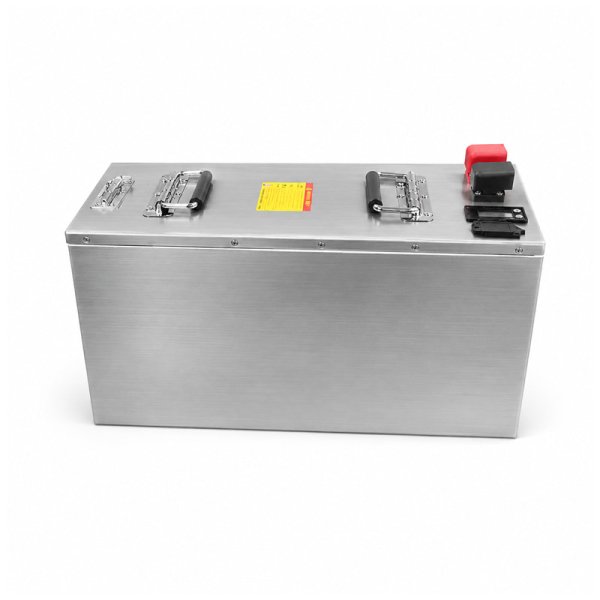
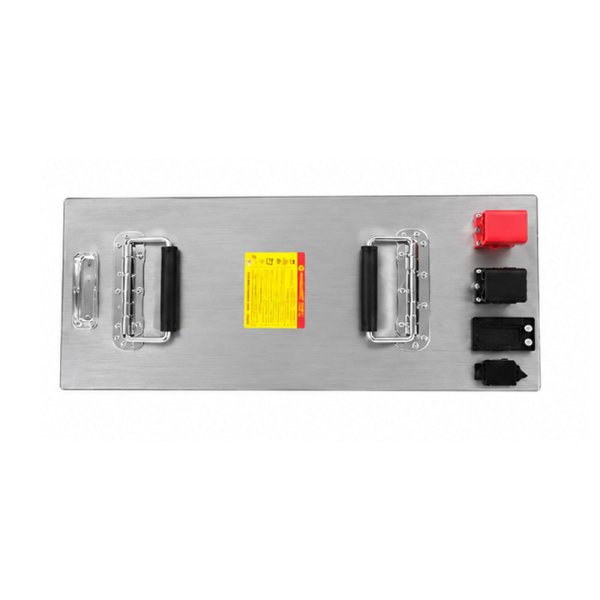
For fleets that prioritize lower weight and easier installation, FEBATT’s 60V 55Ah power lithium-ion battery can be considered when the vehicle system is compatible. The 60V 55Ah vs 60V 80Ah Battery choice should always start with real route data, not only battery price.
What Is a 60V 80Ah Battery?
A 60V 80Ah battery uses the same voltage level but has a larger capacity. Its nominal stored energy is approximately:
60V × 80Ah = 4.8kWh
This means the 80Ah option provides about 1.5kWh more nominal energy than the 55Ah option. In a 60V 55Ah vs 60V 80Ah Battery comparison, that extra capacity can support longer routes, heavier payloads, fewer charging events, and better reserve during peak operating periods.
FEBATT’s 60V 80Ah power lithium battery may be a better fit for fleets that need longer daily operation or higher energy reserve. However, the 60V 55Ah vs 60V 80Ah Battery decision should also consider pack size, weight, charger output, BMS compatibility, and available installation space.
What Is the Core Difference Between 60V 55Ah and 60V 80Ah Battery?
The core difference is capacity. Both batteries are 60V, but the 80Ah pack stores more energy. More capacity usually means longer runtime, but it can also mean higher weight, longer charging time, and higher initial cost.
| Factor | 60V 55Ah Battery | 60V 80Ah Battery |
|---|---|---|
| Nominal energy | About 3.3kWh | About 4.8kWh |
| Best fit | Light to medium duty | Medium to heavy duty |
| Range reserve | Lower | Higher |
| Weight | Lower | Higher |
| Charging time | Shorter | Longer |
| Initial cost | Lower | Higher |
| Fleet use | Shorter routes | Longer or heavier routes |
This table shows why the 60V 55Ah vs 60V 80Ah Battery decision is not about choosing the biggest battery every time. It is about matching energy reserve to the real workload.
How Does Battery Capacity Impact Fleet Range and Daily Uptime?
Capacity directly affects how long a vehicle can operate before recharging. In most fleet applications, the 80Ah battery provides more usable energy and better reserve for unexpected route changes, heavier loads, or longer shifts.
In a 60V 55Ah vs 60V 80Ah Battery comparison, the 55Ah option can work well for routes with fixed distances and scheduled charging. The 80Ah option is better when the fleet needs longer range, fewer charging interruptions, or more tolerance for variable duty cycles.
The real question is not only “Which battery lasts longer?” The real question is whether the battery can complete the required workday without forcing extra downtime. That is the practical value of the 60V 55Ah vs 60V 80Ah Battery comparison for commercial fleets.

Which Battery Delivers Better Performance for Electric Tricycles and Motorcycles?
For electric tricycles and electric motorcycles, the 55Ah battery may be better when the vehicle is compact, the route is short, and the payload is moderate. Lower weight can help handling, efficiency, and installation flexibility.
The 80Ah battery becomes more attractive for delivery tricycles, cargo motorcycles, and vehicles that carry heavier loads or travel longer distances each day. In the 60V 55Ah vs 60V 80Ah Battery decision, fleets should evaluate daily mileage, payload frequency, road conditions, and charging access.
A higher Ah rating does not automatically increase top speed. Voltage, controller settings, motor design, and system limits have a stronger effect on speed. The 60V 55Ah vs 60V 80Ah Battery choice mainly affects range, reserve capacity, discharge stress, and charging planning.
Is 60V 80Ah Always the Better Choice for Heavy-Duty Operations?
No. The 80Ah option is often safer for long routes and heavier workloads, but it is not always the most economical choice. Some fleets operate short shifts, have reliable charging access, or use vehicles intermittently. In those cases, 55Ah can still be practical.
Choose 60V 80Ah when:
- The workday is long.
- Payload is heavy.
- Charging windows are limited.
- Downtime is expensive.
- Route distance changes often.
Choose 60V 55Ah when:
- Duty cycles are moderate.
- Vehicle space is limited.
- Lower weight matters.
- Budget efficiency is important.
- Charging is available between shifts.
For forklifts, golf carts, RV systems, or special vehicles, buyers must confirm voltage, controller, charger, dimensions, connector, BMS protocol, and load requirements before applying the 60V 55Ah vs 60V 80Ah Battery selection.
What Are the Charging Time Differences?
Charging time usually increases with battery capacity when the charger output is the same. A 60V 55Ah battery usually charges faster than a 60V 80Ah battery under the same charging current. The 80Ah battery takes longer because it stores more energy.
In a fleet environment, charging time affects vehicle rotation. If vehicles operate in short shifts with frequent charging breaks, the 55Ah battery may be easier to manage. If vehicles run long routes and return for longer charging periods, the 80Ah battery may be more practical.
The 60V 55Ah vs 60V 80Ah Battery comparison should include charger voltage, charger current, BMS charging limit, charging location, and available overnight charging time.

How Does Cycle Life and Long-Term Durability Compare?
Cycle life depends on battery chemistry, cell quality, BMS design, temperature, depth of discharge, charging current, and operating habits. If both batteries use the same chemistry and similar cell quality, their rated cycle life may be similar.
In real use, the 80Ah battery may experience lower depth of discharge for the same workload because it has more reserve. This can reduce stress per cycle. The 55Ah battery may be used closer to its limit when the route is demanding.
This is why the 60V 55Ah vs 60V 80Ah Battery comparison should include long-term operating cost, not only purchase price. A lower-cost pack can become expensive if it requires more frequent charging, deeper discharge, or earlier replacement.
Which Battery Is More Suitable for Different Commercial Applications?
| Application | Better option | Reason |
|---|---|---|
| Light electric tricycle | 60V 55Ah | Lower weight and enough range |
| Cargo electric tricycle | 60V 80Ah | More reserve for payload |
| Electric motorcycle delivery | Depends on route | Choose by daily mileage |
| Utility cart | 60V 55Ah or 60V 80Ah | Depends on load and distance |
| High-use industrial vehicle | 60V 80Ah | Better runtime reserve |
| Short-route fleet | 60V 55Ah | Lower cost and faster charging |
The 60V 55Ah vs 60V 80Ah Battery choice should be connected to specific use cases. The 55Ah battery is better for lighter and more controlled operations. The 80Ah battery is better for longer, heavier, and less predictable work.
Can 60V 55Ah and 60V 80Ah Batteries Be Interchanged?
Sometimes they can be interchanged, but voltage match is not enough. Before replacing a 55Ah battery with an 80Ah battery, buyers must check physical size, weight, battery tray space, connector type, charger compatibility, discharge current, BMS communication, controller limits, and mounting structure.
The 60V 55Ah vs 60V 80Ah Battery upgrade can improve range, but only if the vehicle supports the larger pack safely. A system-level review is necessary before bulk replacement across a fleet.
Quick Decision Checklist for B2B Buyers

Use the 60V 55Ah vs 60V 80Ah Battery comparison when route distance changes from day to day. Use the 60V 55Ah vs 60V 80Ah Battery comparison when payload affects range stability. Use the 60V 55Ah vs 60V 80Ah Battery comparison when charging windows are short. Use the 60V 55Ah vs 60V 80Ah Battery comparison when vehicle space is limited. Use the 60V 55Ah vs 60V 80Ah Battery comparison when total cost of ownership matters.
For procurement teams, the 60V 55Ah vs 60V 80Ah Battery decision should include technical fit, vehicle downtime, charger availability, and long-term replacement planning. A clear 60V 55Ah vs 60V 80Ah Battery checklist helps buyers avoid choosing a pack that is too small for the route or too large for the vehicle.
In short, the 60V 55Ah vs 60V 80Ah Battery comparison should be used before purchase, before replacement, and before fleet expansion. The 60V 55Ah vs 60V 80Ah Battery choice affects range planning, charging planning, weight planning, and cost planning. A disciplined 60V 55Ah vs 60V 80Ah Battery review can reduce mismatch risk across different vehicle models.
The 60V 55Ah vs 60V 80Ah Battery decision is also useful for spare-part planning. The 60V 55Ah vs 60V 80Ah Battery decision helps standardize fleet purchasing. The 60V 55Ah vs 60V 80Ah Battery decision should be documented before bulk orders.
A final 60V 55Ah vs 60V 80Ah Battery review should confirm whether the fleet needs lower weight or longer range. This 60V 55Ah vs 60V 80Ah Battery review should also confirm charger capacity and BMS limits. With the right data, the 60V 55Ah vs 60V 80Ah Battery choice becomes a controlled fleet decision instead of a guess.
The 60V 55Ah vs 60V 80Ah Battery comparison should remain tied to measured fleet workload. A documented 60V 55Ah vs 60V 80Ah Battery comparison also helps sales and technical teams align recommendations.
FAQ About 60V 55Ah vs 60V 80Ah Battery
1.Can upgrading from 55Ah to 80Ah improve vehicle lifespan?
Upgrading from 55Ah to 80Ah does not directly extend vehicle lifespan. However, it can reduce battery stress if the same workload uses a lower depth of discharge. In a 60V 55Ah vs 60V 80Ah Battery comparison, the 80Ah option may support longer practical service life when the vehicle needs more energy reserve.
2.How do I know if my fleet needs 60V 55Ah or 60V 80Ah?
Review daily mileage, payload, terrain, charging access, battery compartment size, and downtime cost. If routes are short and predictable, 55Ah may be enough. If routes are long or loads are heavy, the 60V 55Ah vs 60V 80Ah Battery decision usually favors 80Ah.
3.Which battery type is better for high-frequency stop-and-go operations?
The 80Ah option is usually better for high-frequency stop-and-go work because repeated acceleration increases energy demand. Still, the final choice depends on controller limits, motor power, BMS discharge capability, and vehicle load.
4.Does a higher Ah battery improve vehicle speed or just range?
A higher Ah rating mainly improves range and energy reserve. It does not automatically increase top speed. Speed depends more on voltage, motor, controller, and system settings. In most cases, the 60V 55Ah vs 60V 80Ah Battery comparison is about runtime, not speed.
5.Can 60V 55Ah and 60V 80Ah batteries use the same charger?
They may use the same charger if voltage, chemistry, charging profile, current limit, connector, and BMS requirements are compatible. The 80Ah battery will usually take longer to charge than the 55Ah battery with the same charger.
Conclusion
The 60V 55Ah vs 60V 80Ah Battery decision should be based on real fleet data. Choose 60V 55Ah for lighter vehicles, shorter routes, lower weight, faster charging, and lower initial cost. Choose 60V 80Ah for longer routes, heavier payloads, fewer charging events, and higher uptime needs.
Before purchase, confirm voltage, dimensions, connector, charger, BMS, discharge current, mounting space, and vehicle controller compatibility. For B2B buyers, the best battery is not always the largest pack. It is the pack that delivers enough range, stable performance, safe integration, and the lowest practical cost over the full service life of the fleet.