Electric motorcycles are now widely used in delivery fleets, commuter transport, rental operations, and light commercial mobility. For these applications, performance is not only about speed. Buyers also need stable range, reliable power output, reasonable charging time, and predictable long-term cost. This is why E-Motorcycle Battery Capacity is one of the most important specifications to review before choosing a battery pack.
A battery with the wrong capacity can create many problems. If the capacity is too small, the motorcycle may need frequent charging, struggle to complete routes, or lose performance under heavy use. If the capacity is too large, the battery may increase cost and weight without giving enough practical benefit. The right capacity should match the motorcycle’s voltage platform, daily mileage, payload, terrain, charging schedule, and business use case.
For B2B buyers, E-Motorcycle Battery Capacity is not just a technical number. It affects fleet uptime, delivery efficiency, charging infrastructure, replacement planning, and total cost of ownership.
In this comprehensive guide, we explain what battery capacity means, why E-Motorcycle Battery Capacity matters so much for electric motorcycle performance, and how businesses can choose the right capacity for different operating scenarios.
What Is E-Motorcycle Battery Capacity?
E-Motorcycle Battery Capacity refers to how much electrical energy an electric motorcycle battery can store and deliver before it needs to be recharged. In simple terms, capacity determines how much energy is available for the motor, controller, lighting system, and other electrical components.

Battery capacity is usually shown in amp-hours, or Ah. However, Ah alone does not tell the full story because voltage also matters. A 48V 50Ah battery and a 72V 50Ah battery have the same Ah rating, but they do not store the same total energy.
For this reason, watt-hours, or Wh, are more useful for comparing batteries across different voltage systems.
Wh = Voltage × Ah
For example, a 72V 50Ah battery stores about 3,600Wh of energy. A 72V 60Ah battery stores about 4,320Wh. That difference can affect range, charging demand, and the number of trips a motorcycle can complete before recharging.
When evaluating E-Motorcycle Battery Capacity, buyers should look at both Ah and Wh. Ah helps describe battery size, while Wh gives a clearer view of total usable energy.
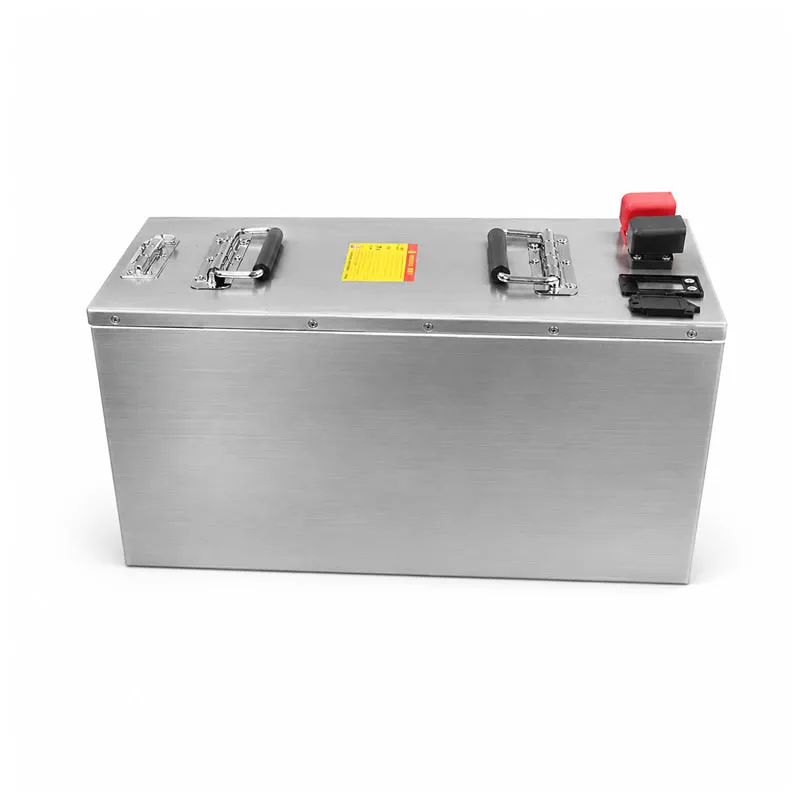
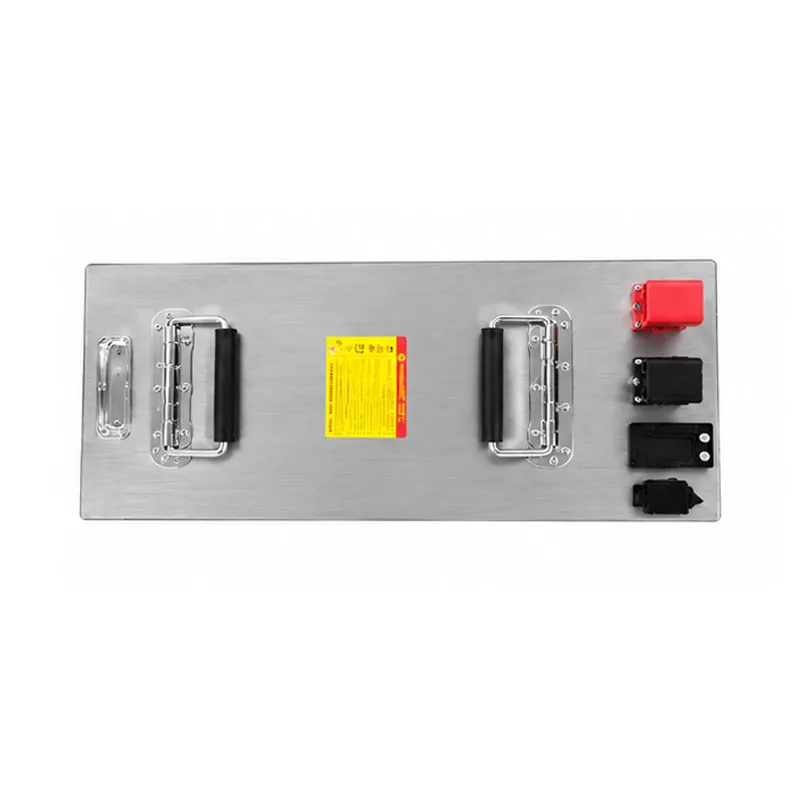
For available battery options, buyers can review FEBATT’s electric motorcycle battery solutions.
Why Is Battery Capacity Critical for Electric Motorcycle Performance?
Battery capacity affects almost every part of electric motorcycle performance. It influences how far the motorcycle can travel, how stable the power output feels, how often the battery needs charging, and how much stress the battery experiences during daily use.
If the capacity is too low, the motorcycle may still run, but it may not support the required duty cycle. A delivery rider may need to stop and charge during working hours. A rental operator may experience customer complaints because the motorcycle cannot maintain enough usable range. A fleet manager may need more spare vehicles or more charging points to cover the same workload.
Proper E-Motorcycle Battery Capacity helps reduce these problems. It gives the motorcycle enough energy to complete planned routes and supports more predictable operation. For commercial users, this means fewer interruptions and better vehicle availability.
Capacity also affects power consistency. A battery with suitable capacity can often provide more stable discharge behavior during the working day. This helps the motorcycle maintain smoother acceleration and more reliable performance under load.
How Does E-Motorcycle Battery Capacity Affect Range?
Range is the most direct result of battery capacity. In most cases, higher E-Motorcycle Battery Capacity means longer riding distance between charging sessions. The battery stores more energy, so the motorcycle can operate for a longer time before it needs to return to a charger.
However, capacity does not guarantee a fixed range. The actual range depends on the vehicle design and the operating environment. A 72V 50Ah battery may perform very differently on a lightweight urban motorcycle compared with a heavier delivery motorcycle carrying cargo.
As a general reference:
| Battery Specification | Common Application |
|---|---|
| 48V 20Ah | Short-distance commuting or light use |
| 48V 30Ah | Urban mobility and daily commuting |
| 60V 30Ah | Moderate city operation |
| 72V 40Ah | Delivery use and higher-power motorcycles |
| 72V 50Ah | Commercial riding, longer routes, fleet use |
| 72V 60Ah or above | Heavy-use delivery, rental, or high-utilization applications |
These examples are not fixed rules. They only show how battery capacity usually matches different usage levels. A business should always calculate route distance, payload, terrain, and charging access before choosing a battery.
For buyers evaluating a higher-capacity option, this 72V 50Ah battery for electric motorcycles can be used as a product reference.
What Factors Affect Range Besides Battery Capacity?
E-Motorcycle Battery Capacity sets the energy foundation, but it is not the only factor that decides range. Real-world range is affected by many operating conditions.
Speed is one of the biggest factors. Higher speed increases energy consumption, especially over longer distances. Terrain also matters. Riding uphill requires more power than riding on flat roads. Payload weight can reduce range because the motor must work harder to move the motorcycle and cargo.
Temperature can also affect battery performance. Cold conditions may reduce available capacity and charging efficiency. Hot conditions may increase battery stress if the pack is not properly protected.

Other range factors include:
- Riding style
- Stop-and-go traffic
- Tire pressure
- Motor efficiency
- Controller tuning
- Battery chemistry
- Vehicle weight
- Wind resistance
- Road surface
- Charging habits
This is why businesses should not rely only on advertised range. A more practical approach is to match E-Motorcycle Battery Capacity with real duty cycles and test performance under actual working conditions.
How Does Battery Capacity Affect Power Delivery?
Capacity is usually discussed in relation to range, but it also affects power delivery. A battery with suitable capacity can support more stable output during discharge. This helps the motorcycle maintain better acceleration, stronger climbing ability, and smoother operation under load.
For commercial riders, this is important. Delivery motorcycles often operate in stop-and-go traffic, carry goods, and travel through mixed road conditions. If the battery capacity is too small, the battery may experience heavier stress during peak power demand.
A well-matched battery pack can reduce this stress. It can support the motor more consistently and help the motorcycle feel less strained during operation.
However, capacity alone does not determine power. Voltage, discharge current, cell quality, BMS rating, and controller settings also matter. A large-capacity battery with a weak BMS may still perform poorly under high load. Buyers should evaluate the full battery system, not only the Ah rating.
Small-Capacity vs Large-Capacity Batteries
Small-capacity and large-capacity batteries both have their place. The better choice depends on the application.

Small-capacity batteries usually cost less, weigh less, and charge faster. They can be suitable for short-distance commuting, low-speed urban use, and applications where the motorcycle returns to base frequently. For light-use vehicles, a smaller battery can be a cost-effective solution.
The disadvantage is limited flexibility. A small battery may require more frequent charging and may not support long delivery routes or multi-shift operation.
Large-capacity batteries provide more range and reduce charging frequency. They are better suited for commercial delivery, rental fleets, long-distance commuting, and heavy daily use. They also may experience less depth of discharge during normal operation, which can support longer battery life.
The trade-off is higher upfront cost, longer charging time if the charger is not upgraded, and additional weight.
For B2B buyers, the best E-Motorcycle Battery Capacity is not always the largest one. It is the capacity that fits the daily workload with enough reserve, without adding unnecessary cost or weight.
How Does Battery Capacity Affect Vehicle Weight?
Battery capacity and weight are closely connected. More capacity usually means more cells, and more cells usually increase battery weight. This weight can affect handling, braking distance, acceleration, and suspension load.
For electric motorcycles, weight balance is important. A battery that is too heavy can make the vehicle feel less agile, especially in urban riding or delivery use. It may also increase energy consumption because the motorcycle needs more power to move the extra mass.
This is why lithium battery design matters. Modern lithium battery packs can provide higher usable energy with lower weight compared with traditional lead-acid systems. This helps manufacturers build stronger E-Motorcycle Battery Capacity without making the motorcycle too heavy.
When choosing a battery, buyers should check both capacity and physical design. The battery must fit the motorcycle’s battery compartment, mounting structure, and weight limits.
For lighter urban applications, this 48V 30Ah lithium battery pack can be a useful reference.
How Does Battery Capacity Influence Charging Requirements?
Higher E-Motorcycle Battery Capacity usually means more energy must be recharged. If the charger power stays the same, a larger battery normally takes longer to charge.
For example, a 72V 60Ah battery stores more energy than a 72V 40Ah battery. If both use the same charger current, the larger battery will need more time to reach full charge.
This does not mean larger batteries are inconvenient. In many commercial applications, larger batteries reduce charging frequency. A motorcycle may charge once overnight instead of requiring multiple daytime charging stops.
The key is to match battery capacity with charging infrastructure. Businesses should ask:
- Is overnight charging enough?
- Does the fleet need daytime opportunity charging?
- How many motorcycles charge at the same time?
- Is the electrical system ready for the charger load?
- Does the charger match the battery voltage and chemistry?
- Does the BMS allow the required charging current?
- Is fast charging necessary or practical?
The right E-Motorcycle Battery Capacity should fit not only the route, but also the charging schedule. A battery that gives enough range but creates charging bottlenecks may still be the wrong choice.
How Does Battery Capacity Affect Battery Life Cycle?
Battery life cycle refers to how many charge and discharge cycles a battery can complete before its usable capacity declines significantly. E-Motorcycle Battery Capacity can affect lifecycle indirectly.
A larger battery may experience shallower discharge during daily use. For example, if a route uses 1,500Wh of energy, a 3,000Wh battery is discharged more deeply than a 5,000Wh battery. Shallower discharge can reduce battery stress and may help extend service life.
However, this does not mean every buyer should choose the largest battery. Battery life also depends on cell quality, chemistry, BMS protection, charging habits, temperature, and depth of discharge.
For commercial buyers, the goal is balance. The battery should have enough capacity to complete daily work without being pushed too close to full depletion every day. This helps support more stable long-term performance and better total cost of ownership.
Capacity Requirements for Different Electric Motorcycle Applications
Different electric motorcycle applications need different battery strategies. A battery that works well for personal commuting may not be enough for delivery fleets or rental operations.
Urban Commuting
For short-distance urban commuting, moderate E-Motorcycle Battery Capacity may be enough. The vehicle usually travels predictable distances and can return to a charging point regularly. Buyers may prioritize lighter weight and lower cost.
Food Delivery and Courier Use
Delivery motorcycles need more practical range and stronger reliability. Riders may work long shifts, make frequent stops, and carry variable loads. Mid-to-high capacity batteries are usually more suitable because downtime directly affects income and service efficiency.
Rental and Shared Mobility
Rental operators need batteries that can support many users and irregular riding behavior. The battery should offer enough reserve capacity and strong BMS protection. Charging management is also important because vehicles may not always return at the same battery level.
Commercial Fleets
For commercial fleets, battery capacity should be calculated based on daily mileage, route structure, payload, charging time, and vehicle utilization. Fleet buyers should avoid undercapacity because it creates hidden costs through downtime and backup vehicle needs.
High-Power Electric Motorcycles
High-power motorcycles may require both higher voltage and higher capacity. These vehicles draw more current and need stable output under acceleration. In this case, battery capacity, discharge current, and BMS performance must be evaluated together.
How Should Businesses Choose the Right E-Motorcycle Battery Capacity?
Choosing the right E-Motorcycle Battery Capacity starts with real operating data. Guessing is not enough for B2B projects.
Buyers should review:
- Average daily riding distance
- Maximum daily riding distance
- Payload weight
- Riding speed
- Terrain and road conditions
- Number of working shifts
- Charging time available
- Charger power
- Battery compartment size
- Required discharge current
- Voltage platform
- Expected battery lifespan
- Replacement cost
- Warranty and supplier support
A good selection process should also include a reserve margin. If the motorcycle normally travels 60 km per day, the battery should not be sized for exactly 60 km under ideal conditions. There should be enough reserve for traffic, weather, route changes, battery aging, and unexpected workload.
The best battery is rarely the cheapest or the largest. It is the battery that gives the most reliable operating result for the total cost.
FAQ About E-Motorcycle Battery Capacity
1.How Much Battery Capacity Is Needed for an Electric Motorcycle?
The required E-Motorcycle Battery Capacity depends on voltage, daily distance, rider weight, payload, terrain, speed, and charging access. Light commuting may use smaller battery packs, while delivery fleets and commercial motorcycles usually need higher capacity to reduce charging interruptions.
2.What Is the Difference Between Ah and Wh?
Ah measures charge capacity, while Wh measures total energy. Wh is usually better for comparing batteries because it includes voltage. The formula is Wh = Voltage × Ah. For example, a 72V 50Ah battery stores about 3,600Wh.
3.Does Higher Battery Capacity Increase Top Speed?
Higher capacity does not directly increase top speed. Top speed is more closely related to voltage, motor power, controller settings, and vehicle design. Higher capacity mainly helps the motorcycle travel farther and sustain performance for a longer time.
4.How Does Battery Capacity Affect Charging Time?
Larger capacity usually means longer charging time if the charger power stays the same. However, larger batteries may reduce charging frequency because they store more energy. The best charging setup should match the battery capacity and business schedule.
5.Is a Larger Battery Worth the Additional Cost?
A larger battery is often worth the cost for heavy-use motorcycles, delivery fleets, rental operations, and commercial users that need longer range and fewer charging stops. For light-use vehicles, a smaller battery may be more economical.
6.What battery capacity is suitable for delivery motorcycles?
Delivery motorcycles usually need mid-to-high E-Motorcycle Battery Capacity because they operate for longer hours and may carry goods. The exact capacity depends on route distance, number of trips, terrain, payload, and charging availability.
7.Should businesses choose 48V, 60V, or 72V battery systems?
The correct voltage depends on the motorcycle’s motor, controller, speed requirement, and power demand. 48V systems may suit lighter urban use, while 60V and 72V systems are often used for stronger performance and longer commercial routes.
Conclusion
E-Motorcycle Battery Capacity has a direct impact on range, power consistency, charging time, battery weight, lifecycle, and total operating cost. For B2B buyers, it should be treated as a key procurement factor rather than a secondary specification.
The right battery capacity depends on the vehicle’s voltage platform, daily mileage, payload, terrain, charging access, and business model. A small battery may reduce upfront cost, but it can create downtime if the motorcycle is used heavily. A large battery may extend range, but it should not add unnecessary cost or weight.
Before purchasing, buyers should confirm Ah, Wh, voltage, discharge current, charger compatibility, BMS protection, battery dimensions, safety documents, and supplier support. A well-matched battery pack can help electric motorcycles operate more reliably, reduce charging interruptions, and support better long-term business performance.