The RV power market is changing fast. Modern RV users expect longer runtime, faster charging, lighter battery systems, better off-grid performance and lower maintenance. For OEMs, distributors, dealers and battery suppliers, choosing the right 12v lithium RV battery is no longer just a product upgrade. It is a key part of building a reliable RV power system.
Compared with traditional lead-acid batteries, a 12v lithium RV battery can provide deeper usable capacity, more stable voltage, longer cycle life and lower routine maintenance. It can support lights, refrigerators, water pumps, fans, inverters, communication devices and other onboard loads with better consistency. For B2B buyers, these benefits can help reduce after-sales issues, improve customer satisfaction and create stronger product value.
However, not every lithium battery is suitable for RV use. Buyers still need to check capacity, discharge current, charger compatibility, BMS protection, temperature limits, safety documents, expansion capability and supplier reliability.
In this comprehensive guide, the essential decision points behind choosing a 12v lithium RV battery are examined in a practical, business-minded way, so buyers can assess performance, compatibility, safety, supplier quality, and long-term return with greater confidence.
What Is a 12v Lithium RV Battery?
A 12v lithium RV battery is a rechargeable battery designed to store and supply power for RV electrical systems. Most high-quality RV lithium batteries use lithium iron phosphate chemistry, also known as LiFePO4 or LFP. This chemistry is widely used because it offers strong thermal stability, long cycle life and reliable discharge performance.
In an RV, the battery usually powers low-voltage DC loads and may also support AC appliances through an inverter. Common loads include lighting, refrigerator, water pump, fan, mobile devices, router, entertainment equipment and small kitchen appliances.
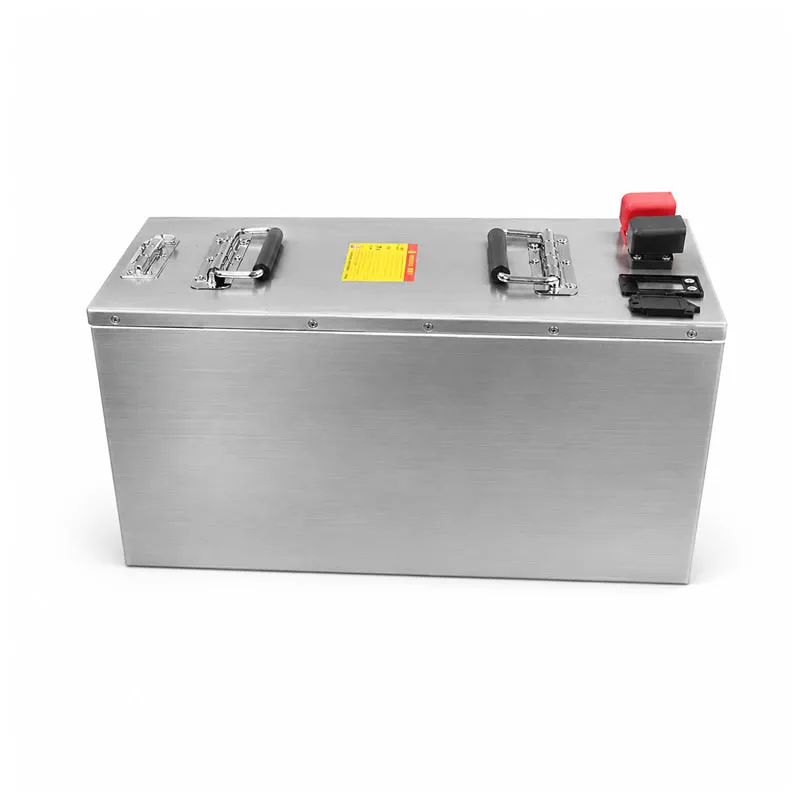
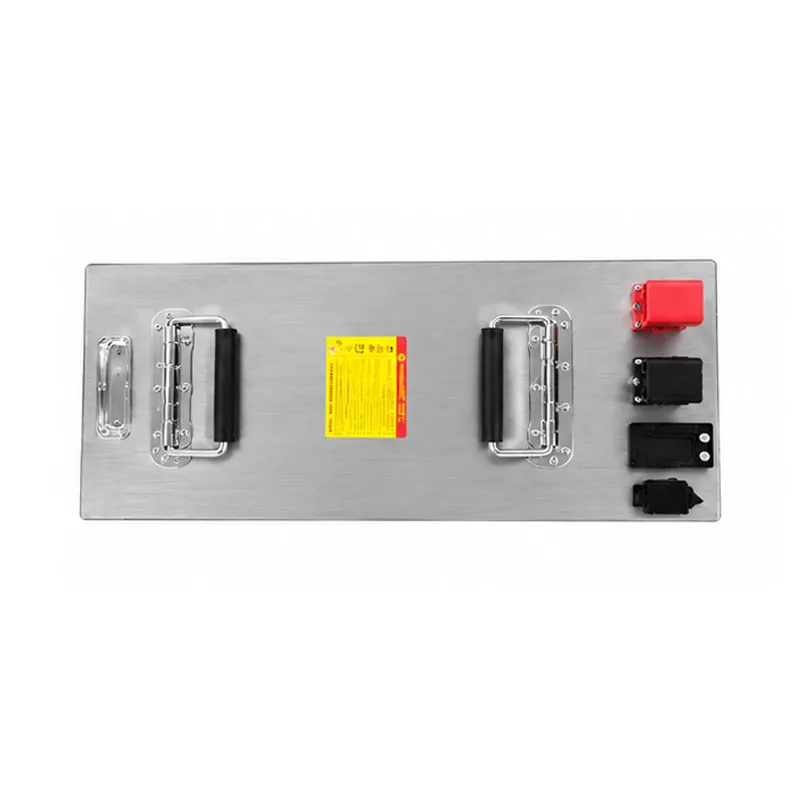
A typical 12v lithium RV battery includes:
- LiFePO4 battery cells
- Battery Management System, or BMS
- Protective casing
- Output terminals
- Internal wiring
- Overcharge protection
- Over-discharge protection
- Temperature protection
- Short-circuit protection
- Optional Bluetooth or smart monitoring
The BMS is one of the most important parts. It helps protect the battery from unsafe operating conditions and keeps the cells working within a safe range. For RV applications, this matters because batteries often face vibration, temperature changes, irregular charging and different load demands.
Why Are More RV Buyers Choosing Lithium Power?
The main reason more buyers choose a 12v lithium RV battery is simple: lithium power fits modern RV usage better than many older battery systems.
Lead-acid batteries can still work for basic applications, but they have several limits. They are heavy, require more maintenance, charge more slowly and usually offer lower usable capacity. Many lead-acid batteries should not be deeply discharged too often if long life is expected.
A 12v lithium RV battery usually provides more usable energy from the same rated capacity. For example, a lithium battery can often be discharged deeper than a lead-acid battery while still maintaining better cycle life. This means users can access more practical power during travel or off-grid camping.
Lithium batteries are also lighter. In RV design, weight matters. Lower battery weight can improve payload flexibility and make installation easier. For OEMs and distributors, a lighter battery system can become a strong selling point.
Faster charging is another advantage. When paired with a suitable charger, solar controller or DC-DC charger, a 12v lithium RV battery can recover energy more efficiently. This is useful for RV users who rely on solar panels, limited generator time or short access to shore power.
How Do You Choose the Right 12v Lithium RV Battery?
Choosing the right battery starts with understanding the RV’s real power demand. A weekend camper does not need the same battery system as a full-time off-grid RV user. A small trailer with basic lights and a water pump has different requirements from a larger RV running an inverter, refrigerator and multiple devices.
Before selecting a 12v lithium RV battery, buyers should calculate daily energy consumption. List the main loads and estimate how many hours each device runs per day. Then compare this energy demand with the usable capacity of the battery.
Important questions include:
- How many amp-hours are needed per day?
- Will the RV use an inverter?
- What is the maximum continuous load?
- Is solar charging included?
- Will batteries be connected in parallel?
- Is cold-weather charging protection required?
- How much space is available for installation?
- What warranty and safety documents are required?
For example, a basic RV system may work with one 12V 100Ah lithium battery. A larger off-grid setup may need 200Ah, 300Ah or more. Buyers can review a 12V 200Ah RV battery as a reference for higher-capacity RV power needs.
Which Battery Specifications Should You Verify Before Buying?
A good 12v lithium RV battery should not be judged only by capacity. Buyers should review the full specification sheet before purchase.

Rated Capacity
Capacity is usually measured in amp-hours, or Ah. A 12V 100Ah battery stores less total energy than a 12V 200Ah battery. More capacity generally means longer runtime, but it also affects price, size and weight.
Energy in Watt-Hours
For more accurate comparison, check watt-hours, or Wh. The basic formula is:
Wh = Voltage × Ah
A 12V 100Ah battery stores about 1,200Wh. A 12V 200Ah battery stores about 2,400Wh. This helps buyers estimate how long the battery can support different appliances.
Continuous Discharge Current
This shows how much current the battery can supply continuously. If the RV uses an inverter, refrigerator or other higher-load equipment, the continuous discharge rating must be high enough.
Peak Discharge Current
Some appliances require a short surge current when starting. The battery and BMS should be able to handle these short peaks without shutting down.
Cycle Life
Cycle life shows how many charge and discharge cycles the battery can support under standard conditions. A high-quality 12v lithium RV battery should offer strong cycle performance when used correctly.
Operating Temperature
RV batteries may be used in hot summers and cold winters. Buyers should check charging temperature, discharging temperature and storage temperature. Low-temperature charging protection is especially important in cold climates.
Battery Size and Weight
The battery must fit the RV battery compartment. Always check length, width, height, terminal position and installation direction before placing an order.
Is the Battery Compatible with Your Existing RV Electrical System?
Compatibility is one of the most important checks. A 12v lithium RV battery may not be a direct replacement for lead-acid if the rest of the system is not compatible.

Charger Compatibility
Many older RV chargers are designed for lead-acid batteries. They may not use the correct charging voltage or profile for lithium batteries. This can cause undercharging, overcharging or reduced battery life.
A lithium-compatible charger is usually recommended. The charging voltage, current and charging stages should match the battery supplier’s requirements.
Converter Compatibility
Some RV converters may need to be replaced or adjusted when switching to lithium. The converter should support lithium charging and provide stable output.
Solar Charge Controller
If the RV uses solar panels, the solar charge controller should include a lithium charging profile or allow custom voltage settings. This helps the 12v lithium RV battery charge safely and efficiently.
Inverter Load
If the RV runs AC appliances through an inverter, the battery must support the required current. Buyers should check both battery discharge current and inverter power demand.
Parallel Expansion
Many RV systems use multiple batteries in parallel to increase capacity. Before doing this, confirm whether the battery model supports parallel connection and how many units can be connected safely.
What Battery Management System Features Are Essential?
The BMS is the control and protection system inside a 12v lithium RV battery. A strong BMS is not optional for RV use. It directly affects safety, reliability and battery lifespan.
Essential BMS protections include:
- Overcharge protection
- Over-discharge protection
- Overcurrent protection
- Short-circuit protection
- High-temperature protection
- Low-temperature charging protection
- Cell balancing
- Voltage monitoring
- Current monitoring
For RV users, Bluetooth monitoring can also be useful. It allows users to check state of charge, voltage, current and battery status through a mobile app. This can improve user experience and reduce confusion during off-grid travel.
For B2B buyers, the BMS should be evaluated carefully. A battery with good cells but a weak BMS can still create problems in real use.
What Safety Standards Should You Check?
Safety documents are important for procurement, shipping and market access. A reliable 12v lithium RV battery should come with clear safety and compliance documents when required.
Common documents and standards may include:
- 3 for lithium battery transportation
- MSDS
- CE
- RoHS
- IEC or other product-level standards where applicable
- Test reports from the manufacturer
- Shipping documents
- Warranty documents
The exact requirements depend on the destination market and application. For B2B buyers, documentation matters because it reduces procurement risk and supports downstream sales.
Safety is not only about certificates. It also depends on cell quality, BMS design, casing strength, production control and testing process. Buyers should choose suppliers that can explain their quality control clearly.
How Do You Evaluate Battery Performance?
Performance should be judged by real RV use, not only by brochure numbers. A 12v lithium RV battery should deliver stable output under different loads and maintain reliable performance across repeated cycles.
Key performance points include:
- Stable voltage during discharge
- High usable capacity
- Low self-discharge
- Strong charge acceptance
- Reliable inverter support
- Good performance under vibration
- Consistent capacity between batches
- Safe operation under normal RV conditions
For example, if an RV uses a refrigerator, pump and inverter at the same time, the battery must supply enough current without voltage drop or BMS shutdown. If the battery is used with solar, it should accept charging efficiently during limited sunlight windows.
Buyers should also check whether the supplier provides test data, sample validation and technical support. This is especially important for distributors, dealers and OEM projects.
Is the Battery Suitable for Off-Grid and Solar Applications?
A 12v lithium RV battery is very suitable for off-grid and solar RV systems when matched with the right components. It can store solar energy during the day and supply power at night or during cloudy periods.

Compared with lead-acid batteries, lithium batteries usually offer higher usable capacity and better charging efficiency. This makes them useful for RV owners who spend more time away from shore power.
For solar applications, buyers should check:
- Solar controller lithium compatibility
- Battery charging voltage
- Maximum charging current
- Low-temperature charging protection
- Parallel expansion capability
- Daily energy demand
- Battery bank size
- Inverter load
For users who need a smaller system, a 12V 100Ah deep cycle RV battery can be used as a reference for basic RV storage applications.
How Do You Choose a Reliable Battery Supplier?
Choosing the right supplier is just as important as choosing the right battery. A 12v lithium RV battery must be safe, consistent and well supported, especially for B2B buyers.
A reliable supplier should provide:
- Clear technical specifications
- Stable production capacity
- Consistent battery quality
- BMS customization options
- OEM/ODM support
- Safety documentation
- Warranty terms
- Sample testing support
- After-sales service
- Technical communication
- Packaging and shipping support
For OEMs and distributors, customization can be important. Some projects may require different casing, terminal design, Bluetooth function, heating function, label design, communication protocol or capacity configuration.
Do not choose a supplier only because of low price. A low-quality 12v lithium RV battery can lead to warranty claims, customer complaints, safety risks and brand damage.
12v Lithium RV Battery vs Lead-Acid Battery
The difference between lithium and lead-acid becomes clearer when buyers consider long-term use.
| Factor | 12v Lithium RV Battery | Lead-Acid Battery |
|---|---|---|
| Weight | Lighter | Heavier |
| Usable Capacity | Higher | Lower |
| Charging Speed | Faster with suitable charger | Slower |
| Maintenance | Much lower | More routine maintenance |
| Cycle Life | Usually longer | Usually shorter |
| Voltage Stability | More stable | Drops more under load |
| Deep Discharge Tolerance | Better | More limited |
| Upfront Cost | Higher | Lower |
| Long-Term Value | Often better for frequent use | Better for low-budget light use |
Lead-acid batteries may still be acceptable for very low-budget or occasional-use applications. But for modern RV systems, off-grid use and higher customer expectations, a 12v lithium RV battery is often the better long-term choice.
Common Mistakes When Choosing a 12v Lithium RV Battery
Many battery problems happen because buyers skip important checks. These are the mistakes to avoid.
Choosing Only by Ah
Capacity matters, but Ah alone is not enough. Buyers should also check Wh, discharge current, BMS protection and usable capacity.
Ignoring Charger Compatibility
A lead-acid charger may not be suitable for lithium batteries. Always confirm the charging profile before installation.
Overlooking Low-Temperature Charging
Charging lithium batteries below the recommended temperature can cause damage. Cold-weather RV users should choose a battery with low-temperature charging protection or heating function.
Ignoring Inverter Load
If the inverter requires more current than the battery can safely provide, the system may shut down or perform poorly.
Not Checking Parallel Connection Rules
Not all batteries support unlimited parallel expansion. Confirm the maximum number of parallel units and wiring method.
FAQ About 12V Lithium RV Battery
1.How Long Does a 12V Lithium RV Battery Last?
A high-quality 12v lithium RV battery can usually last much longer than a traditional lead-acid battery when used correctly. Actual lifespan depends on cell quality, depth of discharge, charging habits, temperature, BMS protection and daily workload.
2.Can a 12V Lithium RV Battery Directly Replace a Lead-Acid Battery?
In many cases, it can replace a lead-acid battery, but buyers should not assume every system is plug-and-play. Charger, converter, solar controller, wiring, battery size and BMS requirements should be checked before replacement.
3.How Do Lithium Batteries Perform in Cold Weather?
Lithium batteries can temporarily lose usable capacity in cold weather. Charging at low temperature can also be restricted. For cold-climate RV use, choose a battery with low-temperature protection or a self-heating function if needed.
4.How Large Should an RV Battery Bank Be?
Battery bank size depends on daily energy consumption, inverter use, solar input, off-grid time and charging access. Light users may use 100Ah to 200Ah, while heavier off-grid systems may need 300Ah, 400Ah or more.
5.What Is the Typical ROI of Upgrading to Lithium Batteries?
ROI depends on usage frequency, battery price, replacement cost, maintenance savings and system performance. For frequent RV use, the longer lifespan, lower maintenance and higher usable capacity of a 12v lithium RV battery can improve long-term value.
6.Is a 12v lithium RV battery suitable for solar charging?
Yes, it can work very well with solar charging when paired with a lithium-compatible solar charge controller. The controller settings should match the battery supplier’s charging requirements.
Conclusion
A 12v lithium RV battery is a strong choice for modern RV power systems because it offers lighter weight, higher usable capacity, faster charging potential, longer service life and lower routine maintenance. For OEMs, distributors, dealers and RV system integrators, these advantages can support better product value and fewer after-sales issues.
Before purchasing, buyers should verify capacity, Wh, continuous discharge current, peak current, BMS protection, charger compatibility, temperature limits, safety documents, battery size, parallel support and supplier reliability.
The best battery is not always the cheapest or the largest. The right 12v lithium RV battery is the one that matches the RV’s load profile, installation space, charging system and real operating needs.