Choosing the right 72V LiFePO4 battery is a practical decision for electric two-wheeler manufacturers, distributors, fleet operators, and B2B buyers. The battery affects riding range, acceleration stability, charging frequency, vehicle weight, payload capability, maintenance cost, and long-term return on investment. A battery pack that looks attractive on paper may still create problems if its capacity does not match the actual route, load, charging schedule, and installation space.
For electric motorcycles and commercial two-wheelers, a 72V platform offers a strong balance between power output and system efficiency. Compared with lower-voltage systems, a 72V LiFePO4 battery can support better motor response while keeping current demand more manageable. Compared with lead-acid batteries, LiFePO4 technology usually provides longer service life, lower maintenance, higher usable energy, and more stable voltage during operation.
This guide compares 72V 35Ah, 40Ah, 45Ah, and 50Ah battery options from a B2B perspective. It explains how capacity affects range, charging time, weight, commercial use, and total cost of ownership, so buyers can select the right 72V LiFePO4 battery for real operating conditions instead of choosing only by amp-hour rating.
What Is a 72V LiFePO4 Battery?
A 72V LiFePO4 battery is a lithium iron phosphate battery pack designed for a nominal 72-volt electric drive system. LiFePO4 stands for lithium iron phosphate, a battery chemistry known for thermal stability, long cycle life, reliable safety performance, and low maintenance requirements.
In electric two-wheelers, a 72V LiFePO4 battery supplies energy to the motor controller, which then drives the motor. The 72V architecture helps the vehicle deliver stronger power than many lower-voltage systems while reducing excessive current draw. This can improve efficiency, reduce heat stress, and support smoother operation under load.
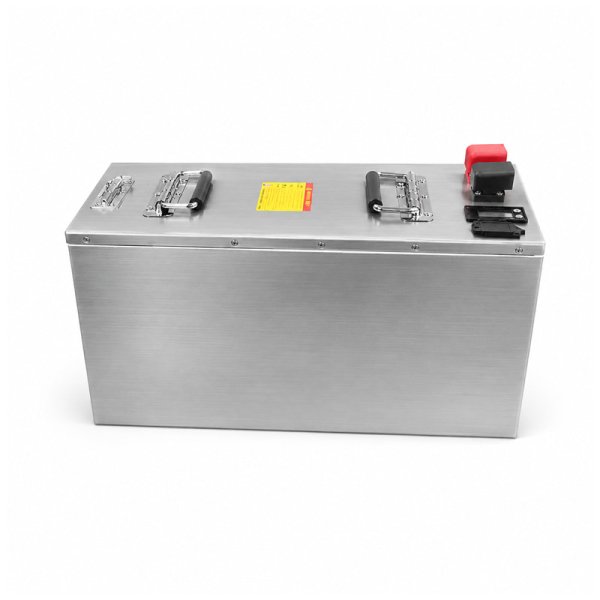
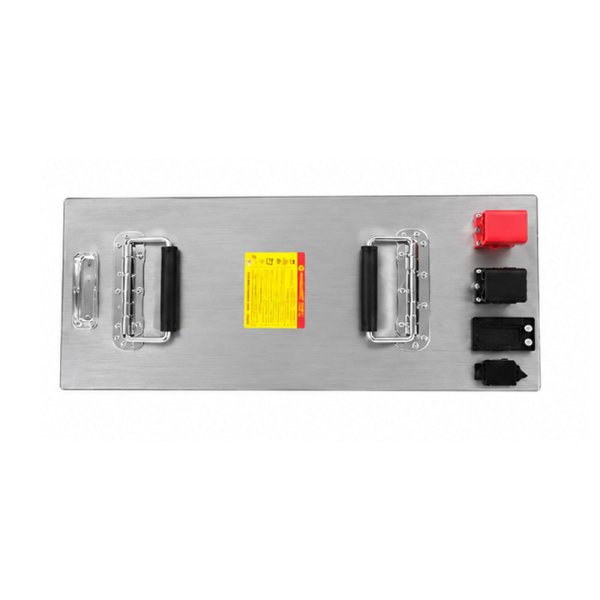
A well-designed 72V LiFePO4 battery should include matched cells, a reliable BMS, suitable discharge current, safe connectors, correct enclosure design, and compatibility with the charger and vehicle controller. For B2B buyers, these details matter as much as voltage and capacity because they affect safety, service life, and installation quality.

Why Are 72V Batteries Popular for Electric Two-Wheelers?
72V systems are popular because they provide enough voltage for electric motorcycles, delivery two-wheelers, and higher-performance commercial mobility platforms. A 72V LiFePO4 battery can support better acceleration, stronger hill-climbing ability, and more stable output when the vehicle carries passengers, cargo, or daily commercial load.
For manufacturers, a 72V platform can help position an electric two-wheeler as a more capable model. For fleet operators, the main value is not only speed, but consistent range and fewer interruptions. A 72V LiFePO4 battery is especially useful when the vehicle must complete repeated daily routes without frequent mid-shift charging.
This is why many B2B buyers compare several capacity levels before making a purchase. The voltage defines the system platform, but amp-hour capacity defines how much energy the vehicle can carry.
How Do 72V 35Ah, 40Ah, 45Ah, and 50Ah Batteries Differ?
The main difference between these battery options is energy capacity. At the same voltage, a higher Ah rating means more stored energy. More energy usually means longer range and fewer charging stops, but it can also mean higher cost, more weight, and longer charging time.
A 72V LiFePO4 battery in 35Ah format is usually the lighter and more economical choice. It is suitable for short-distance travel, lighter vehicles, or projects where cost and compact installation are priorities.
A 40Ah version offers a more balanced option. It provides more range reserve than 35Ah while keeping weight and cost under control. For many urban electric motorcycles, this can be the most practical capacity.
A 45Ah version is better for longer routes and higher daily usage. The 72V 45Ah LiFePO4 battery for electric two-wheelers is suitable for applications that need stronger range without moving directly to the heaviest option.
A 50Ah version provides the highest reserve in this group. The 72V 50Ah LiFePO4 battery for electric two-wheelers is more suitable for high-utilization fleets, longer delivery routes, and applications where downtime is more expensive than the higher upfront cost.

Which Battery Capacity Matches Your Riding Range Requirements?
Range requirements should be based on real daily mileage, not only advertised range. Road conditions, rider weight, payload, tire pressure, driving speed, stop frequency, temperature, and terrain can all change energy consumption. A 72V LiFePO4 battery should be selected with enough reserve for normal routes and heavier operating days.
The 35Ah option is suitable for short urban travel, campus-style mobility, light-duty commercial use, and lower-cost electric motorcycle models. The 72V 35Ah battery for electric two-wheelers can be considered when the vehicle needs a compact battery and daily range demand is moderate.
The 40Ah option is a stronger fit for riders who need more flexibility. The 72V 40Ah LiFePO4 battery for electric two-wheelers can support mixed daily use, moderate route variation, and better reserve than 35Ah.
For longer routes, 45Ah and 50Ah are usually more practical. These capacities reduce charging frequency and provide more confidence for delivery work or fleet use. When range stability is essential, a higher-capacity 72V LiFePO4 battery can reduce operational pressure.

How Does Battery Capacity Affect Vehicle Performance?
Capacity does not directly decide top speed. Top speed is mainly affected by motor design, controller settings, vehicle load, wheel size, aerodynamics, and voltage platform. However, capacity can affect how consistently the vehicle performs over time.
A larger 72V LiFePO4 battery usually has more energy reserve and may maintain voltage more steadily under load. This can help the vehicle feel more stable during acceleration, hill climbing, and longer trips. It can also reduce the chance that performance drops too quickly near the end of a route.
A smaller battery can still perform well for light-duty use, but it has less reserve. If the vehicle carries cargo, operates on hills, or runs many stop-and-go routes, a higher-capacity 72V LiFePO4 battery may be the safer choice for consistent daily operation.
Which Battery Is Best for Daily Urban Commuting?
For daily urban commuting, the best choice is usually 40Ah. A 40Ah 72V LiFePO4 battery offers a practical balance of range, weight, charging time, and cost. It provides more flexibility than 35Ah while avoiding the extra weight and cost of 50Ah.
The 35Ah option can still be suitable for short routes, compact electric motorcycles, and cost-sensitive models. It is easier to install in smaller frames and may charge faster because it stores less energy.
For urban buyers who want stronger range reserve, 45Ah may be better. A 45Ah 72V LiFePO4 battery can reduce range anxiety and support more flexible daily use. However, if the route is predictable and charging is convenient, 40Ah is often the most balanced option.
Which Battery Is Better for Delivery Fleets and Commercial Operations?
For delivery fleets and commercial two-wheeler operations, 45Ah and 50Ah are usually stronger choices. Commercial vehicles often travel longer distances, carry heavier loads, and operate for more hours per day. In this environment, battery reserve is not a luxury. It protects uptime.
A 45Ah 72V LiFePO4 battery can support longer daily routes while keeping weight and cost more moderate than 50Ah. It is a good choice for fleet operators who need better range but still want efficient cost control.
A 50Ah 72V LiFePO4 battery is better for intensive delivery routes, high-use fleets, and operations with limited charging windows. The higher capacity can reduce mid-shift charging and help vehicles stay in service longer. For B2B buyers, the higher upfront cost may be justified if it reduces downtime and supports more completed trips per day.
How Much Weight Difference Exists Between Battery Capacities?
Weight increases as capacity increases. A 35Ah battery is usually lighter than a 40Ah, 45Ah, or 50Ah battery. This matters because electric two-wheelers are sensitive to weight distribution, handling, suspension load, and installation space.
A higher-capacity 72V LiFePO4 battery usually contains more cells or a larger cell arrangement. That extra mass can slightly affect maneuverability, especially on smaller vehicle frames. However, in commercial applications, the additional range and uptime may be more valuable than the weight savings.
B2B buyers should not evaluate weight alone. The correct question is whether the extra weight creates enough additional operating value. For short routes, 35Ah or 40Ah may be enough. For delivery fleets, 45Ah or 50Ah often provides better business value.
How Does Capacity Affect Charging Time?
Charging time depends on battery capacity, charger output, BMS limits, temperature, and state of charge. With the same charger, a 35Ah battery will usually recharge faster than a 50Ah battery because it stores less energy.
A 72V LiFePO4 battery should always be charged with a compatible LiFePO4 charger. The charger must match the battery voltage, charging profile, current limit, and BMS requirements. Using an incorrect charger can shorten battery life or create safety risks.
For fleet operations, charging strategy is as important as capacity selection. A smaller battery may charge faster but may need charging more often. A larger battery may take longer to charge but may reduce charging frequency. The best choice depends on route length, charging access, and vehicle scheduling.
Which Battery Offers the Best Return on Investment?
Return on investment depends on how the vehicle is used. For private commuting or light commercial use, a 40Ah 72V LiFePO4 battery often offers the best balance of cost, range, and durability. It avoids unnecessary overcapacity while still providing enough reserve for daily use.
For delivery fleets and high-utilization commercial operations, 45Ah and 50Ah can deliver better ROI. A higher-capacity 72V LiFePO4 battery may cost more at purchase, but it can reduce downtime, support longer routes, and lower replacement pressure over time.
ROI should include more than battery price. Buyers should consider vehicle availability, charging labor, replacement frequency, route completion rate, maintenance cost, and customer service reliability. A battery that helps the vehicle complete more work can be more economical than a cheaper battery that interrupts operations.
Which Industries Benefit Most From 72V LiFePO4 Batteries?
A 72V LiFePO4 battery is useful for industries that need reliable electric two-wheeler operation. These include electric motorcycle manufacturers, delivery platform operators, food delivery fleets, courier services, campus transport, security patrol fleets, rental operators, and distributors serving commercial mobility buyers.
These industries benefit because LiFePO4 chemistry supports repeated cycling, good thermal stability, low maintenance, and predictable performance. When vehicles operate every day, these advantages become measurable business benefits.
For OEM projects, a 72V LiFePO4 battery can also support customization. Buyers may need specific dimensions, connector types, discharge current, BMS communication, enclosure structure, or mounting design. A supplier that can support customization can help reduce integration problems and improve vehicle reliability.
How Do 72V 35Ah, 40Ah, 45Ah, and 50Ah Batteries Compare Side by Side?
| Specification | 72V 35Ah | 72V 40Ah | 72V 45Ah | 72V 50Ah |
|---|---|---|---|---|
| Range potential | Lower | Balanced | Strong | Highest |
| Weight | Lightest | Light | Moderate | Heaviest |
| Charging time | Fastest | Fast | Moderate | Longest |
| Upfront cost | Lowest | Moderate | Higher | Highest |
| Urban commuting | Good | Excellent | Very good | Good |
| Delivery fleets | Fair | Good | Excellent | Excellent |
| ROI for heavy use | Moderate | Good | Very good | Strong |
This comparison shows that the best 72V LiFePO4 battery is not always the highest-capacity option. The right choice depends on the route, load, charging schedule, installation space, and business model.
How Should B2B Buyers Choose the Right 72V LiFePO4 Battery?
A clear 72V LiFePO4 battery selection process helps buyers avoid choosing a pack that is either too small for the route or too large for the vehicle frame. The right 72V LiFePO4 battery should match the business model, not only the capacity label.
B2B buyers should begin with duty cycle analysis. The most important factors are daily mileage, payload, road conditions, route variation, charging access, available installation space, and expected service life.
Choose a 35Ah 72V LiFePO4 battery when the priority is low cost, compact installation, and short-range use. Choose a 40Ah 72V LiFePO4 battery when the project needs a balanced solution for daily urban riding. Choose a 45Ah 72V LiFePO4 battery when the vehicle needs stronger range and better reserve for commercial use. Choose a 50Ah 72V LiFePO4 battery when the fleet needs the longest runtime and fewer charging interruptions.
Buyers should also evaluate supplier capability. A reliable 72V LiFePO4 battery supplier should provide clear specifications, BMS details, charger recommendations, safety documentation, warranty terms, and engineering support for installation.
Lorem ipsum dolor sit amet, consectetur adipiscing elit. Ut elit tellus, luctus nec ullamcorper mattis, pulvinar dapibus leo.

Quick 72V LiFePO4 Battery Selection Summary
For B2B buyers, the 72V LiFePO4 battery decision should be simple and practical. A 35Ah 72V LiFePO4 battery supports short routes and compact vehicle designs. A 40Ah 72V LiFePO4 battery suits balanced urban riding. A 45Ah 72V LiFePO4 battery supports delivery fleets that need stronger range. A 50Ah 72V LiFePO4 battery is better for high-utilization commercial operation where uptime matters most.
FAQ About 72V LiFePO4 battery
1.How Long Will a 72V LiFePO4 Battery Last?
A high-quality 72V LiFePO4 battery can often support thousands of cycles, depending on cell quality, BMS design, depth of discharge, charging method, temperature, and actual usage conditions. Buyers should check the supplier’s technical data and warranty terms before making a decision.
2.How Many Charging Cycles Can a 72V LiFePO4 Battery Deliver?
Cycle life varies by product design and working conditions. A well-designed 72V LiFePO4 battery can provide long cycle life when used with a compatible charger and managed within recommended temperature and discharge limits.
3.Should I Choose a 40Ah, 45Ah, or 50Ah Battery for Commercial Use?
For moderate commercial routes, 40Ah may be enough. For delivery fleets, 45Ah is often a stronger balance of range, cost, and weight. For intensive daily operation, a 50Ah 72V LiFePO4 battery can provide more reserve and reduce charging interruptions.
4.Does a Higher Ah Rating Increase Vehicle Speed?
No. A higher Ah rating does not directly increase top speed. It mainly increases stored energy and runtime. Speed depends more on motor power, controller settings, voltage platform, vehicle weight, and system design.
5.Can I Upgrade From Lead-Acid to a 72V LiFePO4 Battery?
Yes, but it should not be treated as a simple drop-in replacement without technical review. A lead-acid to 72V LiFePO4 battery upgrade requires checking charger compatibility, voltage range, controller settings, installation space, wiring, connector type, and BMS protection.
Conclusion
A 72V LiFePO4 battery is a strong choice for electric motorcycles and commercial electric two-wheelers that need stable power, long service life, low maintenance, and reliable daily operation. The 35Ah, 40Ah, 45Ah, and 50Ah options each serve a different buyer need.
For short routes and compact models, 35Ah can be practical. For daily urban riding, 40Ah is often the most balanced option. For delivery fleets and stronger commercial use, 45Ah provides better reserve. For high-utilization operations, 50Ah offers the longest runtime and strongest uptime support.
The best 72V LiFePO4 battery is the one that fits the vehicle’s real workload. Before purchasing, buyers should compare route length, payload, charging access, weight limits, installation space, BMS design, and total cost of ownership. When the battery is matched correctly, it becomes more than a power source. It becomes a key factor in vehicle reliability, fleet productivity, and long-term business value.