As more users move away from traditional lead-acid batteries, the 48V LiFePO4 battery pack has become one of the most practical solutions for modern power systems. It is widely used in electric vehicles, golf carts, solar energy storage, industrial equipment, utility vehicles, and customized power applications.
Compared with older battery technologies, a 48V LiFePO4 battery pack offers longer cycle life, higher charging efficiency, stronger safety performance, lower maintenance requirements, and more stable power output. For businesses, installers, distributors, and equipment manufacturers, these advantages can directly affect operating cost, system reliability, and long-term customer satisfaction.
This guide explains what a 48V LiFePO4 battery pack is, why it is commonly used, where it can be applied, and what buyers should check before choosing one.

What Is a 48V LiFePO4 Battery Pack?
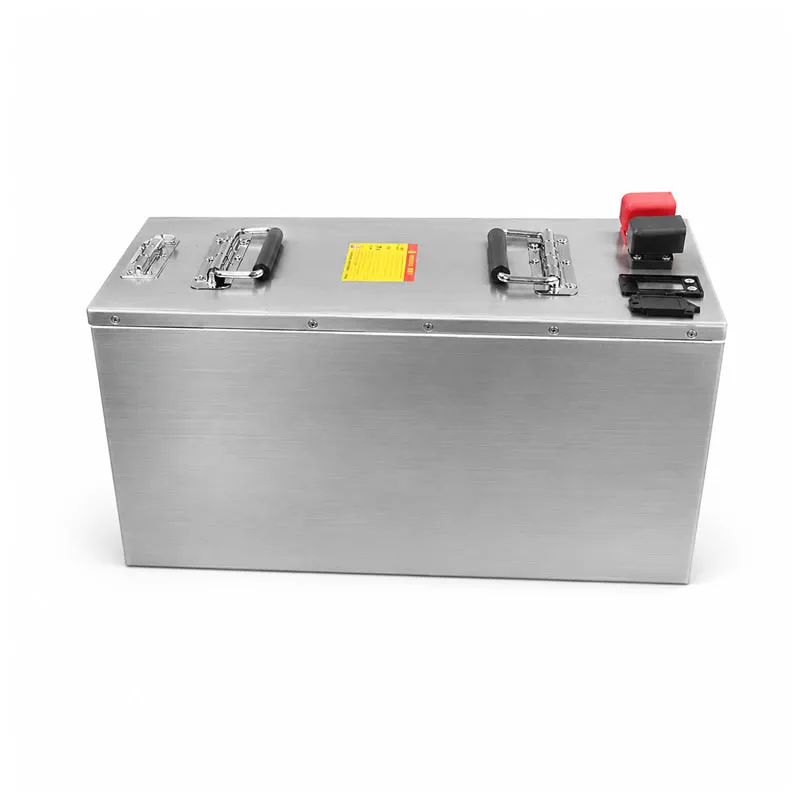
A 48V LiFePO4 battery pack is a rechargeable lithium battery system built with lithium iron phosphate cells. In many modern systems, the nominal voltage is often around 51.2V, depending on the cell configuration. This voltage range is widely used because it offers a strong balance between power output, system efficiency, and safety.
LiFePO4 stands for lithium iron phosphate. This battery chemistry is known for its stable structure, long cycle life, and improved thermal safety. Compared with many other lithium battery chemistries, LiFePO4 is less prone to overheating and is considered a safer option for applications that require reliable daily operation.
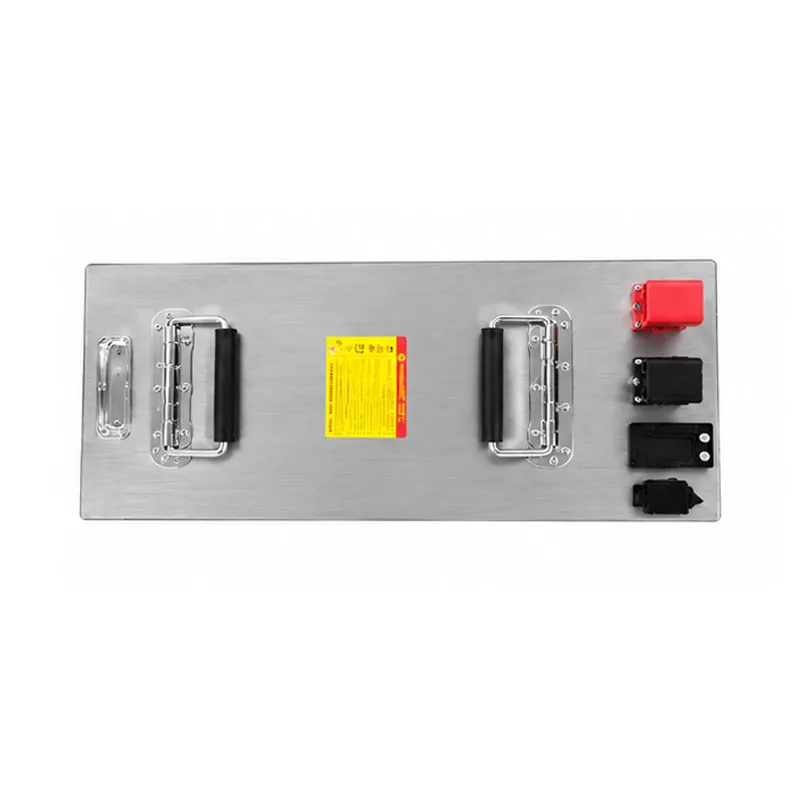
A complete 48V LiFePO4 battery pack usually includes:
- LiFePO4 cells
- Battery Management System
- Protective housing
- Positive and negative terminals
- Communication interface, depending on the system
- Optional heating, Bluetooth, display, or customized connectors
The Battery Management System, often called BMS, is especially important. It helps protect the battery from overcharge, over-discharge, overcurrent, short circuit, overheating, and low-temperature charging. For B2B buyers, the quality of the BMS is one of the key factors that determines whether the battery can work safely and consistently in real applications. .
Why Is a 48V LiFePO4 Battery Pack Popular in Modern Power Systems?
A 48V system is popular because it can deliver higher power with lower current compared with 12V or 24V systems. Lower current helps reduce heat generation, cable losses, and pressure on electrical components.
For example, when two systems provide the same power output, the 48V system usually requires less current than a 12V system. This can make the whole system more efficient and easier to design for medium-power or high-power applications.
That is why 48V LiFePO4 battery packs are commonly used in:
- Golf carts
- Electric scooters and light electric vehicles
- AGV and industrial carts
- Solar energy storage systems
- RV and off-grid power systems
- Backup power systems
- Commercial and industrial equipment
- Customized battery pack projects
For manufacturers and system integrators, 48V is also flexible. It can support different capacity designs, different discharge current requirements, and different installation structures.
Key Benefits of 48V LiFePO4 Battery Packs
The biggest value of a 48V LiFePO4 battery pack is not just that it stores energy. Its real value comes from better lifetime performance, reduced maintenance, improved safety, and more stable operation.
Long Cycle Life
One of the strongest advantages of LiFePO4 technology is long cycle life. A high-quality LiFePO4 battery can often support thousands of charge and discharge cycles, depending on the cell quality, depth of discharge, charging method, operating temperature, and BMS design.
In many applications, this means the battery can work for many years before needing replacement. For businesses managing battery-powered equipment, this is important because fewer replacements mean lower long-term operating costs.
Lead-acid batteries usually have a much shorter cycle life, especially when they are deeply discharged frequently. In contrast, LiFePO4 batteries are better suited for repeated deep-cycle use.
Higher Usable Capacity
Lead-acid batteries usually should not be deeply discharged on a regular basis, because deep discharge can shorten their life. In many real applications, only part of the rated capacity is safely usable.
A 48V LiFePO4 battery pack can usually provide a higher usable capacity. This means users can get more practical energy from the same rated capacity.
For example, if a vehicle, solar system, or industrial device needs stable power for long working hours, LiFePO4 can provide better available energy and more predictable performance.
Better Energy Efficiency
Energy loss during charging and discharging affects operating cost. LiFePO4 batteries usually offer higher charge and discharge efficiency than lead-acid batteries.
This matters in solar energy storage, electric mobility, and commercial equipment because more stored energy can be used effectively instead of being lost as heat. A more efficient battery system can also reduce pressure on chargers, inverters, and power electronics.
For solar or off-grid systems, higher efficiency means more of the generated energy can be stored and used. For vehicles, it can help improve operating time and reduce charging frequency.
Stronger Safety Performance
Safety is one of the main reasons many buyers choose LiFePO4. Lithium iron phosphate chemistry has excellent thermal stability and is generally more resistant to thermal runaway than some other lithium-ion chemistries.
This makes a 48V LiFePO4 battery pack a suitable choice for applications where safety and reliability are very important, such as home energy storage, commercial backup power, industrial equipment, and electric vehicles.
However, chemistry alone is not enough. A safe battery pack also depends on cell consistency, BMS protection, structural design, production process, and quality testing.
Lower Maintenance Requirements
Traditional flooded lead-acid batteries may require water refilling, corrosion cleaning, equalization charging, and regular inspection. For users managing multiple batteries, this can increase labor cost and maintenance pressure.
LiFePO4 batteries are much easier to maintain. They do not need water refilling and have a low self-discharge rate. This makes them more convenient for both individual users and fleet operators.
For B2B customers, lower maintenance can be a major advantage. It reduces after-sales problems, improves user experience, and helps equipment stay in service longer.
More Stable Power Output
A 48V LiFePO4 battery pack can deliver stable voltage through most of its discharge cycle. This helps connected equipment operate more consistently.
Lead-acid batteries often experience voltage sag as they discharge. This can affect motor performance, inverter stability, and equipment efficiency. LiFePO4 batteries are better at maintaining steady output, which is valuable for electric vehicles, power tools, industrial systems, and energy storage applications.
Lighter and More Compact Design
Compared with lead-acid batteries of similar usable energy, LiFePO4 batteries are usually lighter and more compact. This can make installation easier and free up more space.
For vehicles and mobile equipment, lower weight can improve efficiency and reduce mechanical burden. For energy storage and backup power systems, a compact battery design can make installation more flexible.
Where Can a 48V LiFePO4 Battery Pack Be Used?
A 48V LiFePO4 battery pack can be used in many fields, but the best application depends on capacity, discharge current, size, voltage platform, and system requirements.

Electric Vehicles and Light Mobility
48V battery systems are commonly used in light electric vehicles, utility vehicles, electric scooters, electric motorcycles, and other mobility platforms. These applications require stable discharge, good safety, and reliable cycle life.
For mobility products, buyers should pay close attention to peak discharge current, continuous discharge current, vibration resistance, waterproof design, connector type, and battery size.
Golf Carts and Utility Vehicles
Golf carts and utility vehicles often need a battery that can provide stable power over long use periods. A 48V LiFePO4 battery pack can help reduce weight, improve usable capacity, and lower maintenance compared with lead-acid battery systems.
For golf cart conversion projects, it is important to confirm motor controller compatibility, charger voltage, battery size, discharge current, and installation space.
Solar Energy Storage Systems
48V LiFePO4 batteries are widely used in solar and off-grid energy storage systems. They can work with inverters to store solar energy during the day and provide power at night or during grid outages.
For solar applications, buyers should check inverter compatibility, communication protocol, charging voltage, parallel connection support, and battery protection functions.
Industrial Equipment and AGV Systems
Industrial equipment, AGV carts, warehouse vehicles, inspection robots, and mobile work platforms often require reliable batteries that can handle repeated daily use. A 48V LiFePO4 battery pack can support high cycle demand and reduce downtime caused by maintenance or battery replacement.
In these applications, customization is often required. Buyers may need specific dimensions, connectors, discharge rates, communication ports, or protective housing.
Backup Power and Commercial Systems
For backup power applications, LiFePO4 batteries provide stable output, long service life, and low maintenance. They are suitable for telecom backup, small commercial energy storage, emergency power systems, and remote equipment.
For backup systems, the key factors include battery capacity, standby time, charger compatibility, safety certification, and BMS reliability.
How Does a 48V LiFePO4 Battery Pack Compare with Lead-Acid Batteries?
Lead-acid batteries are still used in many traditional systems because of their lower upfront cost. However, when long-term performance is considered, LiFePO4 often provides better value.
| Item | 48V LiFePO4 Battery Pack | Lead-Acid Battery |
|---|---|---|
| Cycle life | Much longer | Shorter |
| Usable capacity | Higher | Lower |
| Weight | Lighter | Heavier |
| Maintenance | Low | Higher |
| Charging speed | Faster | Slower |
| Energy efficiency | Higher | Lower |
| Voltage stability | More stable | Easier to sag |
| Upfront cost | Higher | Lower |
| Long-term cost | Often lower | Often higher |
If you only care about the lowest initial price, lead-acid may still look attractive. But for buyers who care about total cost of ownership, working time, maintenance, and replacement frequency, a 48V LiFePO4 battery pack is usually the better long-term choice.
How Does a 48V LiFePO4 Battery Pack Compare with Other Lithium Batteries?
Not all lithium batteries are the same. LiFePO4 is different from NMC and other lithium-ion chemistries.
NMC batteries may offer higher energy density, which can be useful when space is extremely limited. However, LiFePO4 batteries are often preferred when safety, cycle life, and long-term stability are more important.
For energy storage, industrial equipment, commercial power systems, and many mobility applications, LiFePO4 is often a practical choice because it balances safety, lifespan, and cost performance.
What Should You Check Before Choosing a 48V LiFePO4 Battery Pack?
Before buying or customizing a 48V LiFePO4 battery pack, buyers should not only compare price. The correct battery must match the real application.
Battery Voltage and System Compatibility
Although many people call it a 48V battery, the nominal voltage may be 51.2V in a 16-cell LiFePO4 system. Buyers should confirm whether the battery voltage matches the controller, inverter, charger, or equipment system.
Capacity and Runtime Requirement
Battery capacity is usually measured in amp-hours or watt-hours. For example, a 48V 30Ah battery has a different runtime from a 48V 100Ah battery.
The right capacity depends on equipment power consumption and required working time. If the battery is too small, the system may not run long enough. If it is too large, the cost and size may be unnecessary.
Continuous and Peak Discharge Current
Motors and industrial equipment may require high current during startup or acceleration. Buyers should check both continuous discharge current and peak discharge current.
A battery with insufficient discharge capability may trigger BMS protection or fail to support the equipment properly.
BMS Protection Functions
A reliable BMS should provide protection against overcharge, over-discharge, overcurrent, short circuit, high temperature, and low temperature. For some applications, communication functions such as CAN, RS485, or Bluetooth may also be required.
Charger Matching
LiFePO4 batteries need a suitable charger with the correct charging voltage and charging profile. Using the wrong charger may reduce battery performance or create safety risks.
Before replacing a lead-acid battery with a 48V LiFePO4 battery pack, the charger should always be checked.
Size and Installation Space
Even if the voltage and capacity are correct, the battery still needs to fit the installation space. Buyers should confirm length, width, height, terminal position, cable direction, and mounting method.
Working Environment
Temperature, vibration, humidity, dust, and outdoor exposure can affect battery design. For harsh environments, buyers may need waterproof housing, stronger structure, heating function, or additional protection.
Certification and Quality Testing
For B2B purchasing, certification and testing are important. Depending on the target market and application, buyers may need UN38.3, MSDS, CE, IEC, UL, or other related documents.
A professional supplier should also provide quality control, cell matching, aging testing, and safety testing during production.
Can You Replace a Lead-Acid Battery with a 48V LiFePO4 Battery Pack?
In many cases, lead-acid batteries can be replaced with LiFePO4 batteries, but it should not be done blindly.
Before replacement, users should check:
- Whether the system voltage is compatible
- Whether the charger supports LiFePO4 charging
- Whether the controller accepts the LiFePO4 voltage range
- Whether the battery size fits the original space
- Whether the discharge current meets equipment requirements
- Whether the terminals and cables need adjustment
- Whether extra communication is required
For example, replacing a 48V lead-acid battery system with a 48V LiFePO4 battery pack may improve runtime, reduce weight, and lower maintenance. But if the original charger is designed only for lead-acid batteries, it may not be suitable for LiFePO4.
For commercial projects, it is better to confirm all system parameters with the battery supplier before replacement.
Is a 48V LiFePO4 Battery Pack Worth the Cost?
A 48V LiFePO4 battery pack usually costs more upfront than a lead-acid battery. However, the long-term value can be better because of longer life, higher usable capacity, lower maintenance, and fewer replacements.
For individual users, this means better daily experience and less battery trouble. For businesses, it can mean reduced downtime, lower labor cost, fewer warranty problems, and better system reliability.
In B2B purchasing, the cheapest battery is not always the most cost-effective battery. A reliable battery pack should be evaluated by performance, safety, lifespan, supplier capability, and total cost of ownership.
How Can B2B Buyers Choose a Reliable 48V LiFePO4 Battery Pack Supplier?
For distributors, equipment manufacturers, and project buyers, choosing the right supplier is just as important as choosing the battery specification.
A reliable supplier should be able to provide:
- Stable cell quality
- Professional BMS design
- Custom voltage and capacity options
- OEM and ODM support
- Clear technical communication
- Battery testing reports
- Safety documents
- Consistent production quality
- After-sales support
For customized projects, buyers should provide application details such as equipment type, voltage, capacity, current requirement, working temperature, installation space, charger information, and expected runtime.
This helps the supplier design or recommend a battery pack that truly matches the application.
For example, if you need a compact 48V LiFePO4 battery pack for mobility, equipment, or customized power applications, you can check this product page:
https://www.febatt.com/product/48v-30ah-lfp-battery-power-pack/
What Are the Common Questions About 48V LiFePO4 Battery Packs?
1.How long does a 48V LiFePO4 battery pack last?
A high-quality 48V LiFePO4 battery pack can often last for thousands of cycles. The actual lifespan depends on depth of discharge, charging method, working temperature, current load, and battery quality.
2.Is 48V the same as 51.2V?
In many LiFePO4 systems, a battery called “48V” may have a nominal voltage of 51.2V. This is common for 16-cell LiFePO4 battery systems. Buyers should always check the actual voltage range before matching it with chargers, inverters, or controllers.
3.Can I use a lead-acid charger for a 48V LiFePO4 battery pack?
Usually, it is not recommended unless the charger voltage and charging profile are confirmed to be compatible. LiFePO4 batteries require a proper charging curve. The wrong charger may reduce performance or cause protection issues.
4.Does a 48V LiFePO4 battery pack need a BMS?
Yes. A BMS is essential for battery safety and performance. It helps protect the battery from overcharge, over-discharge, overcurrent, short circuit, and temperature-related risks.
5.Is LiFePO4 safer than other lithium batteries?
LiFePO4 chemistry is generally known for strong thermal stability and good safety performance. However, the safety of a battery pack also depends on cell quality, BMS design, structure, production process, and testing.
6.Can 48V LiFePO4 batteries be connected in parallel?
Some 48V LiFePO4 batteries support parallel connection, but not all models do. Buyers should confirm with the supplier before connecting batteries in parallel.
7.What applications are best for 48V LiFePO4 battery packs?
They are suitable for golf carts, electric vehicles, utility vehicles, solar storage, AGV systems, backup power, industrial equipment, and customized power systems.
8.What information should I provide for a custom 48V battery pack?
You should provide voltage, capacity, equipment type, discharge current, peak current, size limit, charger information, working temperature, connector requirements, communication needs, and expected runtime.
Conclusion
A 48V LiFePO4 battery pack is a strong choice for users who need reliable power, long cycle life, better safety, and lower maintenance. Compared with traditional lead-acid batteries, it provides higher efficiency, more usable capacity, lighter weight, and better long-term value.
For B2B buyers, the most important step is not simply choosing a battery with the right voltage. The battery should match the real application, including capacity, discharge current, charger, BMS, size, working environment, and certification requirements.
When selected correctly, a 48V LiFePO4 battery pack can help improve equipment performance, reduce maintenance costs, and support more stable long-term operation.