Home > Robot Battery > Industrial Robot Battery > 51.2V 105Ah LFP battery for robotics

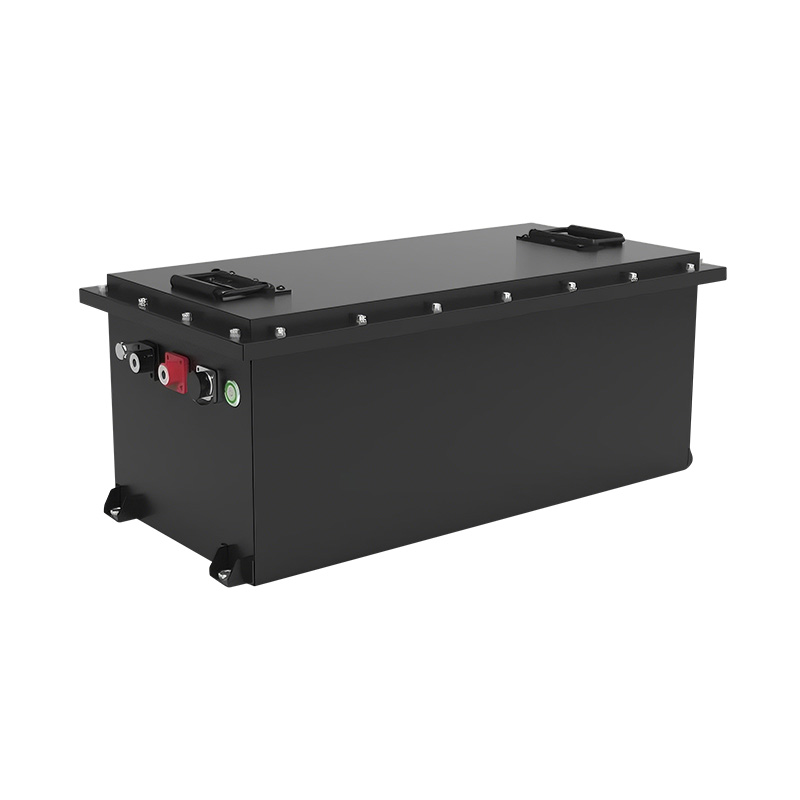
51.2V 105Ah LFP battery for robotics

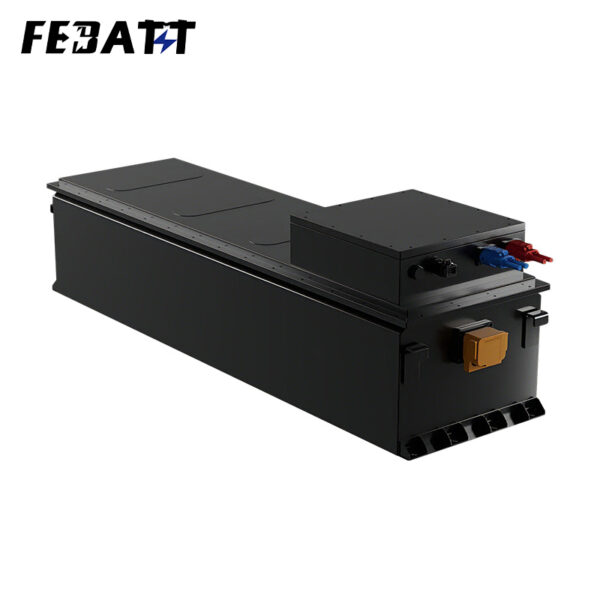
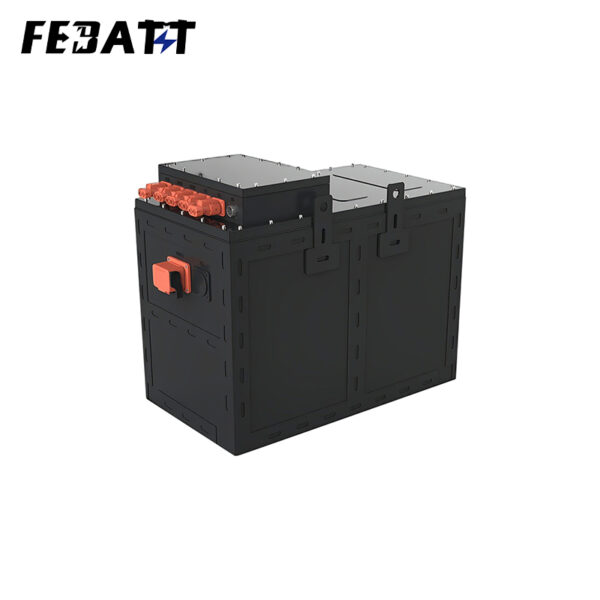
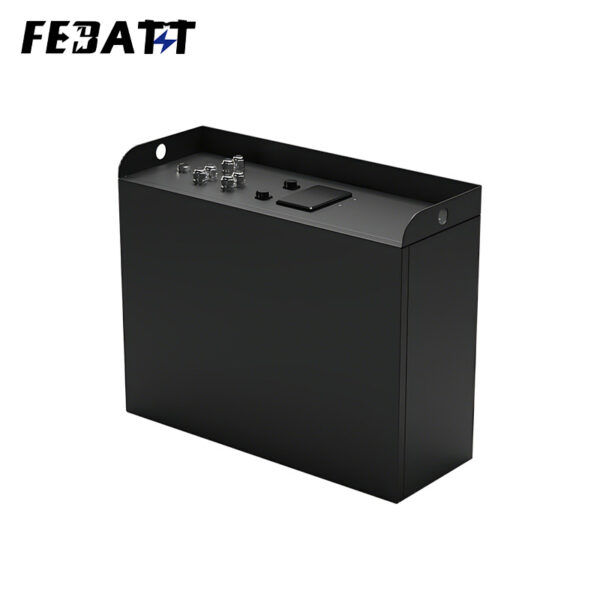
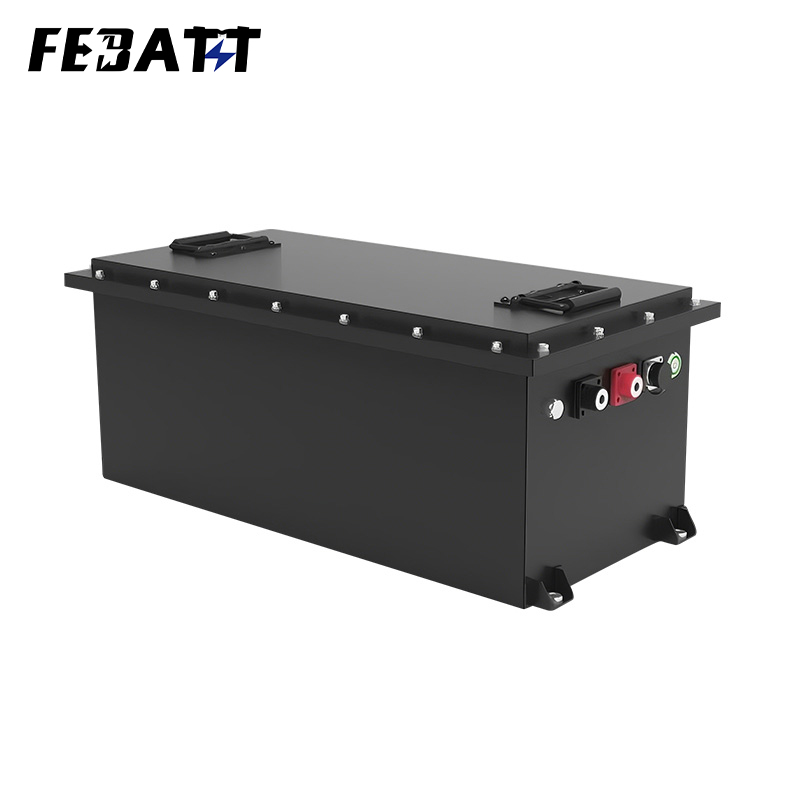
51.2V 105Ah LFP Battery for Robotics delivers 5.37kWh energy, 150A peak discharge, ≥3000 cell cycles, IP67 protection, and CAN communication. It suits AGVs, industrial handling robots, service robots, and outdoor patrol robots

  • Cell Certification: UN38.3
  • Nominal Capacity: 105Ah
  • Nominal Voltage: 51.2V
  • Total Energy: 5.37kWh
  • Weight: ≈46.8kg
  • Normal Charging Current: ≤50A
  • Peak Charging Current: ≤80A
  • Continuous Discharge Current: ≤110A
  • Peak Discharge Current: ≤150A
  • Communication: CAN
  • Protection Grade: IP67
  • Dimensions L×W×H: 600mm×300mm×250mm

51.2V 105Ah LFP Battery for Robotics | High-Discharge Power for Industrial Robot Operations


Product Introduction

Engineered as a 51.2V 105Ah LFP Battery for Robotics, this lithium iron phosphate  solution is built for high-demand robotic systems that handle continuous tasks, precision operations, and variable environmental conditions. Featuring 51.2V nominal voltage, 105Ah high capacity, and a cold-rolled steel casing, this 51.2V 105Ah LFP Battery for Robots stands out with 5.37kWh total energy and 150A peak discharge — enabling robots to execute dynamic movements (e.g., AGV navigation, service robot lifting) and operate continuously for 12+ hours. Unlike standard robot batteries, its 1P configuration and IP67 protection meet the rigorous needs of industrial/outsourced robotic workflows, making it a reliable power core for high-frequency robot operations.

Technical Specifications

Table: 51.2V 105Ah LFP Battery for Robotics Core Parameters
Parameter Details (Tailored for Robotics)
Cell Type LFP 105Ah
Cell Cycle Life ≥3000 cycles (100% DOD) – cuts robot fleet replacement costs
System Cycle Life ≥2000 cycles (100% DOD)
Cell Certification UN38.3
Nominal Capacity 105AH (1P) – supports long-duration robot runs
Nominal Voltage 51.2V (16S)
Working Voltage Range 40V-58.4V
Total Energy 5.37kWh – powers 12+ hours of robot sorting/handling
Weight ≈46.8kg
Normal Charging Current ≤50A
Peak Charging Current ≤80A – fast recharging for shift turnover
Continuous Discharge Current ≤110A – sustains stable robot operations
Peak Discharge Current ≤150A – supports dynamic robot movements (e.g., AGV torque bursts)
Operating Temperature Charge: 0℃-50℃; Discharge: -10℃-55℃ – adapts to warehouse/outdoor robot environments
Communication CAN – syncs with robot fleet management systems
Casing Material Cold-rolled steel – resists impacts in robotic workflows
Protection Grade IP67 – dust/waterproof for outdoor patrol robots
Plug Type M8 terminal – stable connection for high-power robots
Dimensions (L×W×H) 600mm×300mm×250mm – fits standard robot chassis
Application AGVs (Automated Guided Vehicles), Industrial Handling Robots, Service Robots, Outdoor Patrol Robots

Core Advantages of 51.2V 105Ah LFP Battery for Robotics

1. 5.37kWh High Energy for 12+ Hour Robot Runtime
51.2V 105Ah LFP Battery for Robotics delivers 5.37kWh total energy:It supports 12+ hours of continuous operation for warehouse AGVs — enough to cover full daily shift tasks (e.g., 300+ pallet transfers) without recharging.For service robots, this capacity powers 8+ hours of interactive tasks (e.g., hotel delivery, hospital assistance).
2. 150A Peak Discharge for Dynamic Robot Movements
Tailored for robotic operational needs:150A peak discharge enables industrial handling robots to maneuver heavy loads (e.g., 500+ kg cargo shifts) — critical for warehouse material transfer.110A continuous discharge sustains stable performance through frequent start-stop cycles (common in AGV navigation).

3. IP67 Protection for Robotic Harsh Environments
Built for industrial/outdoor robot scenarios:IP67 dust/waterproof rating shields the battery from warehouse dust, spillage, and light rain (for outdoor patrol robots) — no performance loss in typical robotic work environments.
4. ≥3000 Cell Cycles for Low-Cost Robot Fleets
Optimized for high-frequency robotic use:≥3000 cell cycles mean this 51.2V 105Ah Robot Battery lasts 2x longer than standard alternatives. For a 10-unit AGV fleet, this cuts replacement costs by 60% over 3 years.
5. CAN Communication for Robot Fleet Coordination
Syncs with robotic operations:CAN communication transmits real-time battery data (state of charge, temperature) to robot fleet management systems. Managers can schedule charging to align with off-peak hours, minimizing workflow downtime.

Application Scenarios

1. AGVs (Automated Guided Vehicles)
The 51.2V 105Ah LFP Battery for Robotics powers 12+ hours of warehouse navigation. 150A peak discharge handles cargo shifts, and IP67 protection resists warehouse debris.

2. Industrial Handling Robots

It suits continuous heavy-load transfers (500+ kg). 5.37kWh energy covers full-shift tasks, and long cycle life reduces fleet maintenance for high-volume logistics.
3. Outdoor Patrol Robots
It energizes 8+ hours of perimeter monitoring. IP67 protection withstands light rain, and wide temperature adaptability works in seasonal outdoor conditions.
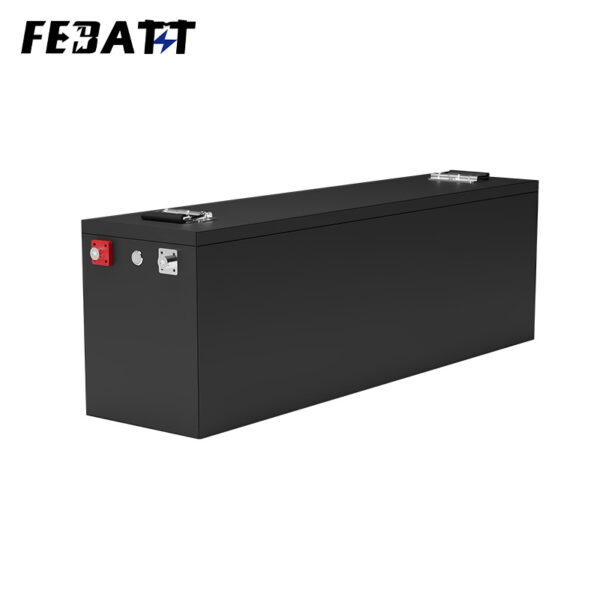
51.2V 105Ah LiFePO4 battery pack

FAQ

Q1: What applications are industrial robot and machinery batteries designed for?

A: Industrial robot and machinery batteries are used in automated equipment and electrically powered industrial systems that require stable DC power, repeated charge-discharge operation, and reliable performance under demanding duty cycles. Typical applications can include industrial robots, mobile automation equipment, material-handling systems, inspection equipment, and other specialized machinery. The battery should always be selected around the equipment’s actual voltage, load profile, installation space, charging method, and operating environment.

A: Start with the machine’s nominal voltage, required operating time, continuous current, peak current, available installation space, and charging strategy. For intelligent equipment, also confirm the connector and communication requirements. A suitable industrial battery should match both the electrical load and the mechanical integration requirements rather than being selected by capacity alone.

A: Cycle life depends on cell chemistry, depth of discharge (DoD), charge and discharge rate, temperature, and the machine’s duty cycle. As a published reference, selected FEBATT robot battery configurations are specified for 2,000+ cycles at 80% DoD. Actual cycle-life ratings vary by battery model and test conditions, so the specification of the selected pack should be used for project evaluation.

A: The Battery Management System (BMS) monitors key operating parameters such as voltage, current, and temperature and helps protect the battery against abnormal operating conditions. Depending on the battery configuration, protection functions can include overcharge, over-discharge, overcurrent, short-circuit, and abnormal-temperature protection. Additional functions such as cell balancing, SOC estimation, fault logging, and communication may be integrated according to the project.

A: Yes, when the battery system is engineered for the machine’s actual load profile. Industrial equipment may experience short power peaks during startup, acceleration, lifting, actuation, or other high-load events. The required continuous current and peak current should therefore be defined during battery selection so the cells, BMS, busbars, connectors, and protection settings can be matched to the application.

A: Voltage must match the machine’s electrical architecture, while capacity primarily determines available energy and operating time. A higher Ah rating does not automatically make a battery suitable if its voltage, discharge capability, dimensions, or communication interface do not match the equipment. FEBATT industrial battery solutions cover multiple voltage and capacity classes, so system selection should be based on the complete operating requirement rather than voltage or capacity alone.

A: Industrial batteries can be configured for different operating environments, but temperature limits are model-specific. Selected FEBATT robot battery configurations publish operating-temperature references down to -20°C and up to 60°C. Actual charge and discharge temperature limits can differ by pack, and applications outside standard conditions may require a dedicated cell selection or thermal-control solution.

A: Communication requirements depend on the machine controller and project architecture. Selected FEBATT robot battery solutions support interfaces such as CAN and RS485, enabling the battery system to exchange information such as SOC, voltage, current, temperature, status, and fault data with the host controller. Interface type, message definitions, and communication logic should be confirmed during system integration.

A: Charging strategy affects both machine availability and long-term battery performance. The charger voltage, charge current, BMS limits, operating schedule, and available charging windows should be matched to the battery configuration. For multi-shift or high-utilization equipment, charging can be planned around actual operating cycles to reduce unnecessary downtime without exceeding the battery’s specified charging limits.

A: Yes. FEBATT can develop battery solutions around project-specific electrical and mechanical requirements. Customization may include voltage, capacity, dimensions, enclosure, continuous and peak current capability, connector and wiring configuration, BMS functions, CAN or RS485 communication, charging requirements, and installation constraints. Final specifications are determined according to the target machine and operating conditions.

Ready to Partner with FEBATT?

Join hundreds of B2B partners worldwide who trust us for reliable lithium battery solutions.

This site is protected by reCAPTCHA and the Google Privacy Policy and Terms of Service apply.
Scroll to Top

Professional Battery Solution Supplier

This site is protected by reCAPTCHA and the Google Privacy Policy and Terms of Service apply.