
Home > Robot Battery > AGV Robot Battery > 48V 210Ah LiFePO4 battery pack for Material Handling Vehicles

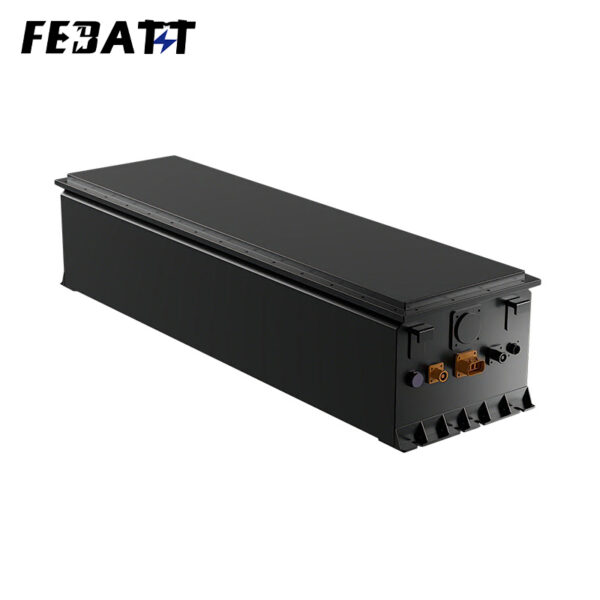
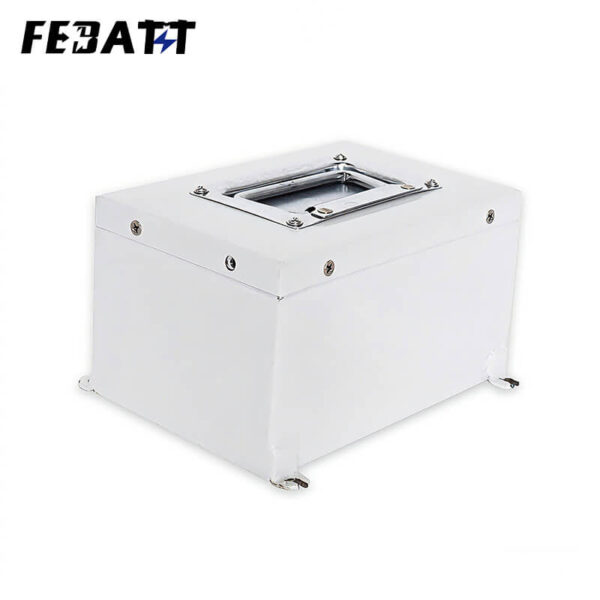
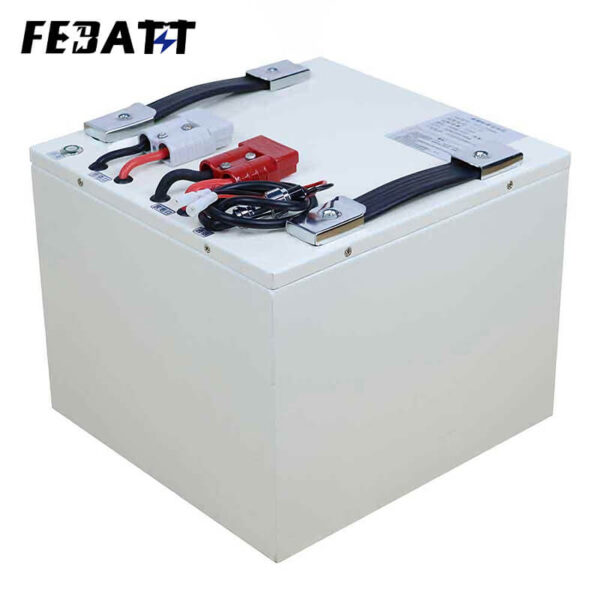
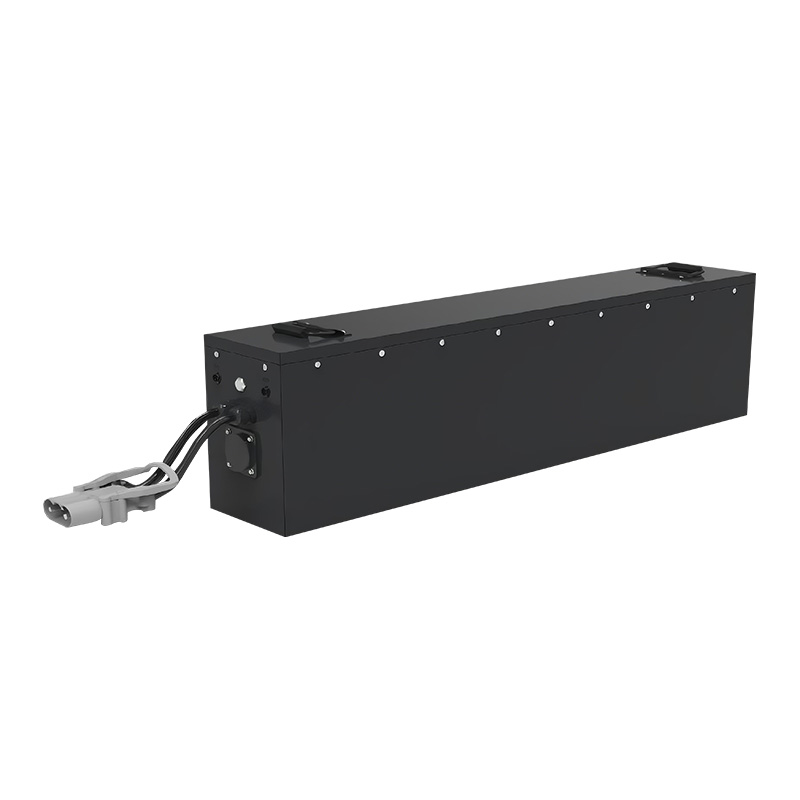
48V 210Ah LiFePO4 battery pack for Material Handling Vehicles

The 48V 210Ah LiFePO4 Battery Pack delivers 10.08kWh energy, 400A peak discharge, ≥3000 cell cycles, IP54 protection, and CAN communication. It suits forklifts, pallet jacks, and industrial material handling vehicles.

  • Battery Certification: UN38.3
  • Rated Capacity: 210 Ah
  • Nominal Voltage: 48V
  • Total Energy: 10.08 kWh
  • Weight: ≈93 kg
  • Normal Charging Current: 100 A
  • Peak Charging Current: 100 A
  • Continuous Discharge Current: 180 A
  • Peak Discharge Current: 400 A
  • Communication Method: CAN
  • Protection Class: IP54
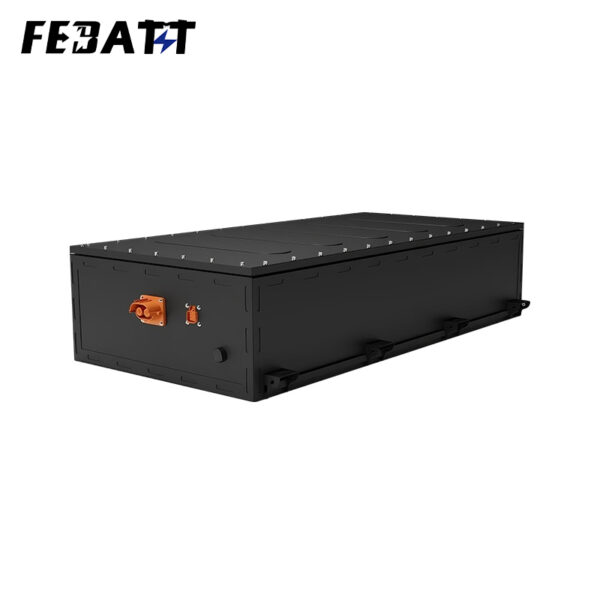
  • Dimensions (L×W×H): 1092×190×300 mm

48V 210Ah LiFePO4 Battery Pack: High-Power LFP for Industrial Forklift & Material Handling Vehicles

Product Introduction

Engineered as a 48V 210Ah LiFePO4 Battery Pack, this lithium iron phosphate  solution is built for heavy-duty industrial vehicles that handle continuous lifting, frequent cargo transfers, and rugged warehouse/logistics environments. Featuring 48V nominal voltage, 210Ah high capacity, and a durable cold-rolled steel casing, this 48V 210Ah LiFePO4 Battery Pack stands out with 10.08kWh total energy and 400A peak discharge — enabling forklifts to lift heavy loads and operate through full work shifts. Unlike standard lead-acid forklift batteries, its 2P configuration and IP54 protection meet the rigorous needs of high-frequency industrial tasks, making it a reliable power core for material handling fleets.

Technical Specifications

48V 210Ah LiFePO4 Battery Pack Core Parameters
Parameter Details (Tailored for Industrial Vehicles)
Cell Type LFP 105Ah
Cell Cycle Life ≥3000 cycles (100% DOD) – cuts forklift fleet replacement costs
System Cycle Life ≥2000 cycles (100% DOD)
Cell Certification UN38.3
Nominal Capacity 210AH (2P) – supports long-duration forklift runs
Nominal Voltage 48V (15S)
Working Voltage Range 37.5V-54V
Total Energy 10.08kWh – powers full-shift forklift material handling
Weight ≈93kg
Normal Charging Current ≤100A
Peak Charging Current ≤100A – fast recharging for shift turnover
Continuous Discharge Current ≤180A – sustains heavy-load forklift operations
Peak Discharge Current ≤400A – lifts heavy cargo via industrial forklifts
Operating Temperature Charge: 0℃-55℃; Discharge: -15℃-60℃ – adapts to warehouse/logistics environments
Communication CAN – syncs with forklift fleet management systems
Casing Material Cold-rolled steel – resists impacts in industrial workflows
Protection Grade IP54 – dust/water-resistant for warehouse use
Plug Type REMA320 – standard connection for industrial forklifts
Dimensions (L×W×H) 1092mm×190mm×300mm – fits standard forklift battery compartments
Application Forklifts, Pallet Jacks, Industrial Material Handling Vehicles

Core Advantages of 48V 210Ah LiFePO4 Battery Pack

1. 400A Peak Discharge for Heavy-Load Material Handling
The 48V 210Ah LiFePO4 Battery Pack delivers 10.08kWh total energy:
It supports full 8–10 hour work shifts for industrial forklifts — enough to cover daily cargo transfer tasks (e.g., 200+ pallet moves) without recharging.
For high-frequency logistics yards, this capacity minimizes downtime between shift changes.

2. IP54 Protection for Industrial Warehouse Environments
Built for rugged logistics scenarios:
IP54 dust/water-resistant rating shields the battery from warehouse dust accumulation and minor liquid spillage — no performance loss in typical industrial work environments.

3. ≥3000 Cell Cycles for Low-Cost Forklift Fleets
Optimized for high-frequency industrial use:
≥3000 cell cycles mean this 48V 210Ah LiFePO4 Battery Pack lasts 2x longer than standard lead-acid alternatives. For a 10-unit forklift fleet, this cuts replacement costs by 60% over 3 years.

4. CAN Communication for Forklift Fleet Coordination
Syncs with industrial operations:
CAN communication transmits real-time battery data (state of charge, temperature) to forklift fleet management systems. Managers can schedule charging to align with off-peak warehouse hours, minimizing workflow disruption.
Application Scenarios

1. Industrial Forklifts
The 48V 210Ah LiFePO4 Battery Pack powers heavy-load forklifts. 400A peak discharge handles bulk material transfers, and cold-rolled steel casing resists warehouse impacts.
2.Pallet Jacks
It suits high-frequency pallet moving tasks. 210Ah capacity covers full-shift operations, and REMA320 plug ensures seamless compatibility with standard pallet jack connectors.
3.Material Handling Vehicles
It energizes specialized industrial vehicles (e.g., reach trucks). Wide temperature adaptability works in cold storage or high-temperature warehouse environments.

48V 210Ah LiFePO4 battery pack

FAQ

Q1: What is the difference between AGV, AMR, and RGV, and can they use the same battery type?

A: AGVs typically follow predefined routes, AMRs use onboard sensors and mapping for more flexible navigation, and RGVs operate along fixed rails or guided tracks. All three can use industrial LiFePO4 battery systems when the voltage, capacity, dimensions, discharge current, charging method, and communication requirements match the robot design.

A:Start with the robot’s nominal voltage, required runtime, continuous and peak current, available battery space, and charging schedule. For AGV, AMR, and RGV fleets, buyers should also confirm connector type, BMS communication such as CAN or RS485, operating temperature, and whether the system uses scheduled or opportunity charging.
A: LiFePO4 batteries are well suited to industrial mobile robots because they offer long cycle life, stable power output, strong thermal stability, and low routine maintenance. They are especially practical for warehouses, factories, and logistics operations that require frequent charge-discharge cycles and reliable multi-shift operation.
A: Battery life varies by model and operating conditions rather than following one fixed number for every pack. Depth of discharge, charge and discharge current, temperature, charging strategy, and daily duty cycle all affect service life. Refer to the specifications of the selected model for its rated cycle life, or provide your operating profile for a more accurate evaluation.
A:  Yes, they can be configured for many existing AGV, AMR, and RGV charging systems, but compatibility should be verified before installation. Charging voltage and current, connector or contact design, charge profile, communication protocol, and docking method must match. FEBATT can support battery and charging-interface configuration for automatic or opportunity-charging applications.
A: LiFePO4 AGV batteries require much less routine maintenance than flooded lead-acid batteries because there is no watering or acid maintenance. Regular checks should focus on connectors, cables, mounting points, charging contacts, temperature conditions, and BMS fault records. Following the recommended charging and storage conditions also helps maintain stable long-term performance.
A:  Yes. FEBATT can customize robot battery packs according to voltage, capacity, physical dimensions, enclosure layout, connector type, discharge current, charging requirements, and communication protocols. This is useful for OEM projects, fleet upgrades, and robots with limited installation space or specific electrical interfaces.
A: The intelligent BMS monitors key battery conditions and provides protections such as overcharge, over-discharge, over-current, short-circuit, and temperature protection. Depending on the battery design, communication interfaces such as CAN or RS485 can transmit battery status and fault information to the robot controller or fleet-management system.
A: Temperature can influence usable capacity, charging efficiency, power output, and long-term battery aging. High temperatures can accelerate degradation, while low temperatures can reduce available power and charging performance. The required operating temperature range should therefore be confirmed during battery selection, especially for cold storage, outdoor logistics, or high-temperature industrial environments.
A: Lead time depends on order quantity, battery specifications, customization level, testing requirements, and production schedule. Standard configurations may require less engineering work, while new OEM battery designs need additional time for design confirmation, prototyping, validation, and mass production. Contact FEBATT with your robot specifications and required quantity for an accurate delivery schedule.

Ready to Partner with FEBATT?

Join hundreds of B2B partners worldwide who trust us for reliable lithium battery solutions.

This site is protected by reCAPTCHA and the Google Privacy Policy and Terms of Service apply.
Scroll to Top

Professional Battery Solution Supplier

This site is protected by reCAPTCHA and the Google Privacy Policy and Terms of Service apply.