For delivery operators, shared-mobility companies, distributors, and scooter OEMs, rain is not only a rider issue. Road splash, humidity, wet connectors, and temperature changes can affect the battery system. A lithium scooter battery therefore needs more than a “waterproof” label: enclosure protection, connectors, mounting, drainage, charging, BMS logic, and inspection must fit the route.
Compared with lead-acid, a lithium scooter battery can reduce pack weight, provide more usable energy, support frequent cycling, and reduce routine maintenance. This power battery solution follows this application-first logic by matching the pack to operating conditions, current demand, installation space, BMS, and charging needs.
Why Do Wet Delivery Routes Stress a Lithium Scooter Battery?
A delivery scooter may complete dozens of stops per shift across wet roads, loading areas, and charging stations. That creates two risks: direct water exposure and condensation.
Water can reach enclosure seams, cable entries, connectors, or the charging interface if seals are damaged or installation is poor. Condensation can appear when temperature and humidity change, especially around electrical interfaces or inside a compartment with weak drainage.
For a fleet, the question is not whether a lithium scooter battery survives one rainy route. The concern is whether repeated wet-weather cycles increase corrosion, charging faults, BMS alarms, or vehicle downtime.

Why Is Lithium Better for Commercial Scooter Fleets?
A commercial scooter battery is an operating asset, so replacement frequency and downtime matter as much as purchase price. Lithium typically offers lower mass, higher usable energy, faster charging potential, and longer cycle life than lead-acid.
LiFePO4 is relevant when a lithium scooter battery is expected to cycle frequently because durability and thermal stability matter in delivery and shared-mobility duty. Chemistry still needs validation against size, weight, current, and route requirements.
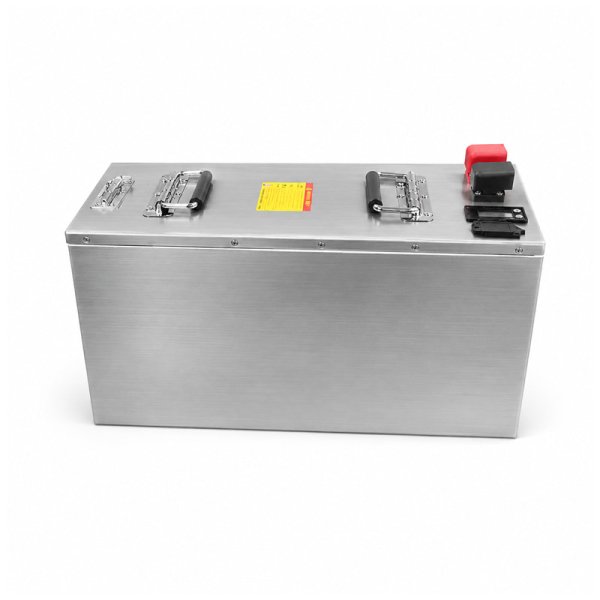
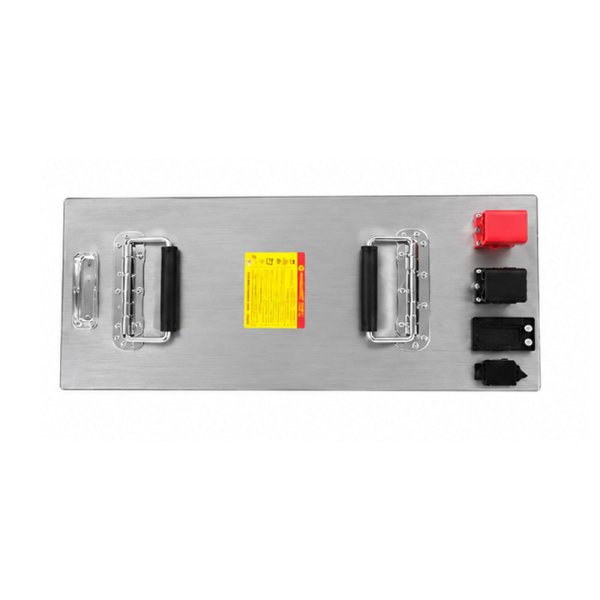
Use model-specific data instead of generic claims. The 60.8V 45Ah electric scooter battery lists 2.736 kWh energy, 50 A peak discharge, ≥2,000 cell cycles, ≥1,500 system cycles at 100% DoD, and IP54 protection. They show the type of verified data B2B buyers should request for a scooter lithium battery.

What Does an IP Rating Mean for a Lithium Scooter Battery?
IEC 60529 classifies degrees of protection provided by electrical enclosures through the IP Code. An IP rating is a defined test classification, not permission to use a lithium scooter battery in unlimited rain, deep standing water, or immersion.
B2B buyers should confirm the required IP target for the enclosure and review connectors, cable glands, vents, charging interfaces, and compartment drainage. A lithium battery for electric scooter projects can still fail if external connections remain exposed.
The target should follow rain exposure, cleaning method, mounting position, thermal design, and cost rather than simply choosing the highest IP number.
What Should Fleets Do After Heavy Rain or Suspected Water Ingress?
| Condition | Fleet action |
|---|---|
| Normal spray, no fault | Inspect the lithium scooter battery enclosure, connector, charging port, and mounting area. |
| Heavy rain or standing-water exposure | Check drainage, seals, cables, corrosion, unusual heat, and BMS warnings before the next shift. |
| Suspected internal ingress | Remove the vehicle from service and do not charge the lithium scooter battery until qualified inspection. |
| Swelling, odor, persistent heat, enclosure damage, or repeated faults | Isolate the lithium scooter battery under the fleet safety procedure and contact trained service personnel. |
Do not rely on a fixed “two-hour” or “24-hour” drying rule. Drying time alone does not confirm safe return to service.
How Should Fleets Manage Wet-Weather Charging?
The charger, plug, socket, and charging area may have different environmental limits from the battery enclosure. A lithium scooter battery should be charged only with compatible equipment and within permitted conditions.
For a delivery scooter battery fleet, use a dry, ventilated charging area protected from runoff and standing water. Wet, corroded, loose, or overheated connectors should trigger inspection. Abnormal charging time or new BMS faults after heavy rain should also remove that lithium scooter battery from the charging rotation.
What Should B2B Buyers Specify Before Ordering?

A lithium scooter battery RFQ should describe the duty cycle, not only voltage and capacity. Buyers should provide:
- daily distance, shifts, payload, and stop frequency;
- rain, road spray, humidity, and cleaning conditions;
- mounting position and compartment drainage;
- continuous and peak current requirements;
- enclosure and connector protection targets;
- charging window, charger, BMS, and communication needs;
- annual quantity, warranty expectations, and market compliance.
This information helps an OEM supplier engineer the lithium scooter battery around real fleet stress and supports sample validation before mass deployment.
Conclusion
Wet-weather reliability is a system issue. A commercial scooter battery depends on the pack, connectors, mounting, drainage, charger, BMS, and fleet inspection process working together.
For B2B operations, lithium is generally the stronger platform than lead-acid when lower weight, frequent cycling, reduced maintenance, and uptime matter. The right lithium scooter battery should be specified around the route and operating environment before bulk purchasing.
Frequently Asked Questions About Lithium Scooter Batteries
Q: Can a lithium scooter battery get wet?
A: A lithium scooter battery can tolerate water only within its verified enclosure and installation limits. Rain resistance does not automatically mean immersion or flooded-road capability.
Q: How long does a lithium scooter battery last?
A: A lithium scooter battery lifespan depends on chemistry, cycle depth, temperature, charging, current demand, pack design, and duty cycle. Compare supplier cycle-test conditions with actual fleet use.
Q: Is lithium better than lead-acid for an electric scooter?
A: For commercial fleets, lithium usually provides lower weight, higher usable energy, faster charging potential, longer cycle life, and less routine maintenance. The electric scooter battery must still match the vehicle and route.
Q: Can an electric scooter battery be charged after riding in rain?
A: Do not charge when water ingress, wet connectors, corrosion, abnormal heat, or BMS faults are suspected. The lithium scooter battery should return to charging only after the system meets the manufacturer’s service conditions.
Q: What should buyers check when sourcing a commercial scooter battery?
A: Check duty cycle, current demand, charging window, operating temperature, IP target, connector design, BMS functions, compliance, warranty, and supplier validation before approving a lithium scooter battery for fleet use.