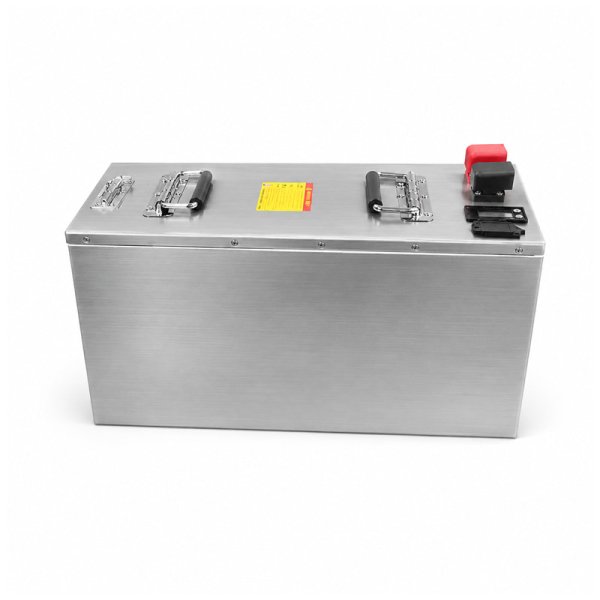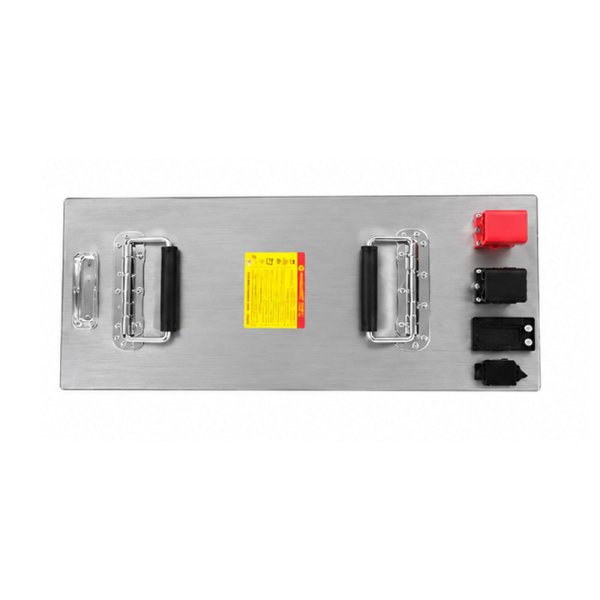
If you are trying to figure out the right battery size for a truck, the answer is not one fixed number. Most truck batteries fall somewhere in the 60Ah to 140Ah range, but the right choice depends on the engine, climate, driving habits, and electrical load. A small gas pickup may be fine with a lower Ah rating, while diesel and work trucks usually need more. The key is to match the battery to the truck’s real demands, not just the size of the case.

What does Ah actually mean for truck batteries?
Ah stands for amp-hours, and it describes how much energy a battery can store and deliver over time. In simple terms, truck batteries with a higher Ah rating can usually support electrical loads for longer before they need to be recharged. That does not mean a higher Ah number is always better, but it does mean the battery has more usable capacity.
A basic way to understand Ah is this:
- 1 amp for 100 hours equals 100 Ah
- 10 amps for 10 hours equals 100 Ah
- 100 amps for 1 hour equals 100 Ah
Of course, real truck batteries do not behave in a perfect math formula, because temperature, discharge rate, battery chemistry, and age all affect actual performance. Still, the Ah number gives you a useful picture of how much stored energy a battery can provide.
For truck batteries, this matters because trucks often do more than start an engine. They may power lights, infotainment systems, refrigeration units, winches, GPS equipment, cab accessories, and idle-time electronics. If the battery has too little Ah, the truck may still start, but it may not handle repeated electrical demand very well.
This is why many people confuse Ah with starting power. They are related, but they are not the same thing. A battery with a high Ah rating may have strong reserve capacity, but it still needs enough cold cranking amps to start the engine. Likewise, some truck batteries are built for short, intense bursts of power rather than long-duration energy delivery. The best battery balances both.
When comparing truck batteries, think of Ah as the battery’s fuel tank. It tells you how long the battery can keep working. It does not tell you everything, but it tells you enough to rule out the wrong size before you buy.
What is the usual Ah range for truck batteries?
There is no single Ah rating that fits every truck, but there are common patterns. Most truck batteries for light-duty pickups and standard gasoline trucks are often found in the 60Ah to 100Ah range. Diesel trucks, heavy-duty pickups, and work trucks may use 80Ah to 140Ah, and some commercial setups go even higher.
A practical breakdown looks like this:
- Compact or light-duty pickup trucks: about 60Ah to 80Ah
- Full-size gasoline trucks: about 70Ah to 100Ah
- Diesel pickups and tow trucks: about 80Ah to 140Ah
- Commercial trucks and accessory-heavy vehicles: about 100Ah to 200Ah or more
These are broad ranges, not strict rules. Truck batteries are designed around the vehicle’s electrical system, and two trucks that look similar on the outside may need different battery capacities inside. One may have a basic setup with a single battery and modest electrical load. Another may have extra lighting, power inverters, winter packages, heated accessories, or a diesel engine that needs more current to crank.
It is also common for truck batteries to be chosen based on physical fit first and then capacity second. That is a mistake. A battery that fits the tray but lacks the right Ah or starting performance can cause poor cranking and repeated charging issues. On the other hand, truck batteries that are too large for the charging system can create their own problems if the alternator is not designed to recover them properly.
If you are reading labels, you may notice that some batteries list Ah clearly while others emphasize reserve capacity and CCA instead. That is normal. Truck batteries are often marketed toward the performance numbers most relevant to starting and durability. Even so, the Ah figure is still a valuable comparison point, especially when you are deciding between similar models.
In most daily-use trucks, the answer to “How many Ah is a truck battery?” is not “the biggest one available.” It is “the one that matches the engine and the load.”
Why do truck batteries need different Ah ratings?
Truck batteries do not all need the same capacity because trucks do not all do the same job. A weekend pickup that mostly drives on the highway has very different electrical demands from a tow vehicle, a delivery truck, or a diesel work truck that idles for hours. That is why Ah rating changes from one truck to another.
Several factors affect the right capacity:
Engine type
Bigger engines, especially diesel engines, often require more energy to start.
Climate
Cold weather reduces battery performance and increases starting demand.
Driving pattern
Short trips may not give the alternator enough time to recharge truck batteries fully.
Accessory load
Extra lighting, audio systems, inverters, winches, and refrigeration all draw power.
Idle time
Trucks that sit with accessories on can drain battery capacity faster than expected.
Vehicle modifications
Lift kits, off-road gear, and electrical add-ons may increase demand.
This is why a truck battery that works well in one vehicle can be a poor match for another. The Ah rating is about usable capacity, and usable capacity should fit the truck’s actual habits. A truck that pulls trailers in the winter needs different support than a light-duty city truck with short commutes.
It also helps to remember that truck batteries age in the real world, not in laboratory conditions. Heat, vibration, and repeated deep discharge can all reduce the capacity that a battery can actually deliver. So even if two batteries have the same label, the one built better for heavy use will usually perform more reliably over time.
If you are trying to choose between truck batteries, ask a simple question: how hard does this truck work? The answer usually points you toward the right Ah range more clearly than the badge on the tailgate ever will.
How do diesel trucks change the Ah requirement?
Diesel trucks usually need more from their batteries than gasoline trucks do. That is because diesel engines create higher compression, which makes starting harder, especially in cold weather. In many cases, the answer is not just “more cranking power,” but also “more capacity.” That is where truck batteries with higher Ah ratings come into play.
Diesel systems often face three challenges at once:
- Higher starting resistance
- Greater cold-weather strain
- Extra electrical demand from glow plugs or preheat systems
Because of that, diesel truck batteries are often chosen with both Ah and CCA in mind. The Ah rating helps support the total energy demand, while the CCA helps deliver the initial burst needed to turn the engine over. If either number is too low, starting can become slow, noisy, or unreliable.
Many diesel trucks use two batteries, not because one battery is impossible, but because the extra bank helps share the load. This is especially helpful in cold climates and heavy-duty use. Two matched batteries can improve reserve capacity, reduce stress on each unit, and make repeated starting less punishing.
Still, more batteries are not automatically better. Truck batteries should be matched to the vehicle’s charging system and designed as a pair if the truck calls for two. Mismatched batteries can age unevenly and create charging imbalance. When that happens, one weak battery can drag down the other, and the whole system begins to look unreliable even if one side is still healthy.
For diesel owners, the safest approach is to check the manufacturer’s recommendation, then look at the real use case. A diesel truck that operates in warm weather and makes long trips may need less capacity than one that starts in freezing temperatures every morning. The best truck batteries are the ones that fit the engine, the weather, and the workload together.

How does CCA differ from Ah in truck batteries?
People often talk about Ah as if it were the main number that matters, but truck batteries are judged by more than capacity alone. Cold cranking amps, or CCA, matter just as much for many trucks. The two numbers measure different things.
Ah tells you how much total energy the battery can store and deliver over time.
CCA tells you how much current the battery can provide for starting in cold conditions.
That difference is important. A battery can have a good Ah rating and still be a poor starter if its CCA is too low. Likewise, a battery can have impressive CCA and still run out of usable reserve quickly if the Ah is not enough for the truck’s electrical demands.
Truck batteries need both numbers to work together. If you drive in hot weather with minimal accessories, Ah may be less dramatic in daily use. But if you live in a cold region or run diesel equipment, CCA becomes critical. The engine may need a strong burst of power before the battery ever gets a chance to show off its stored capacity.
Think of it this way:
- Ah = how long the battery can keep going
- CCA = how hard the battery can push at startup
That distinction helps explain why some truck batteries are recommended even when the Ah number is not especially high. In a truck, startup ability is often more urgent than long-duration capacity. Still, if you use accessories with the engine off, Ah becomes increasingly important.
A lot of buyers focus on one number and ignore the other. That can lead to disappointment. A truck battery should not just “fit” and “start.” It should also support the truck’s typical electrical life without needing constant attention. When the Ah and CCA match the job, the truck usually feels stronger and more dependable right away.
How do reserve capacity and Ah work together?
Reserve capacity is another useful number to look at when comparing truck batteries. It tells you how long a battery can supply a standard electrical load before voltage drops too low. While Ah and reserve capacity are not identical, they are closely related in practical terms.
A truck battery with good reserve capacity is more forgiving if the alternator is under stress, if accessories stay on, or if the truck is idling longer than expected. That is especially important for trucks used in construction, delivery, towing, and field work. In those situations, the battery may need to keep up with a workload that changes throughout the day.
Reserve capacity becomes especially helpful when:
- The truck idles with lights or electronics on
- A winch or inverter is used off and on
- The charging system does not always get a full recovery cycle
- The vehicle sits for long periods between starts
- Winter conditions increase electrical demand
Truck batteries with good reserve capacity can give you more breathing room before voltage falls too far. That does not mean you should ignore Ah, because capacity still matters. But it does mean you should not choose based on a single number. A battery can look strong on the label and still be a poor real-world fit if reserve capacity is too low for your use.
For many truck owners, reserve capacity is the hidden number that explains why one battery feels solid and another feels tired. That is why technicians often compare multiple specs at the same time. Truck batteries are best evaluated as a package: Ah, CCA, reserve capacity, size, terminal layout, and construction quality all matter.
If you are looking at a battery from a brand like Febatt, the same rule applies. Do not look only at the name or the price. Compare the full spec sheet and make sure the battery matches the truck’s actual needs.
What happens when truck batteries are undersized?
An undersized battery can still power a truck for a while, which is exactly why the problem is easy to miss at first. The truck may start most days and then suddenly struggle in cold weather, after a short trip, or after sitting for a few days. That is usually when people realize their truck batteries do not have enough capacity.
Common warning signs include:
- Slow cranking
- Repeated jump-starts
- Dim lights during startup
- Battery warning lights
- Electronics resetting or acting erratically
- The battery needing a charge too often
An undersized truck battery often works hard all the time. That extra strain can shorten lifespan, increase sulfation, and make the battery less able to recover after discharge. The alternator may also be forced to do more work than it should, which can affect the charging system over time.
This is especially troublesome in trucks that already have a heavy electrical load. Add a winch, cabin heater, upgraded sound system, or work lights, and the battery can drain faster than expected. In winter, the problem gets worse because chemical reactions inside the battery slow down and the engine needs more effort to turn.
If truck batteries are consistently too small for the job, owners may blame the alternator, starter, or even the weather. Sometimes those parts are part of the story, but capacity mismatch is often the root cause. A better-sized battery can transform the way a truck starts and runs electrically.
The hard truth is simple: a battery that is slightly too small may work today and fail you later. That is not a great trade. Choosing the right Ah rating from the beginning is usually cheaper and less stressful than buying the wrong battery twice.
How do you choose the right Ah rating for your truck?
The safest way to choose truck batteries is to work from the vehicle’s real needs instead of starting with a random battery size. If you know the truck’s engine, climate, and electrical accessories, the Ah choice becomes much easier.
A good selection process looks like this:
Check the owner’s manual or factory spec
Start with the manufacturer’s recommended battery capacity.
Look at the original battery label
If the truck is still close to stock, the old battery can offer a clue.
Estimate the electrical load
Accessories matter more than many drivers think.
Consider the climate
Cold weather usually justifies more capacity and higher CCA.
Match the battery type
AGM, flooded lead-acid, and other designs behave differently.
Confirm physical fit
Capacity is useless if the battery cannot be mounted correctly.
Leave room for real use
If the truck works hard, choose a battery that is slightly more capable rather than barely adequate.
For many trucks, a battery in the middle of the recommended range is the safest choice. Too little capacity creates starting trouble. Too much capacity can be unnecessary if the charging system cannot keep up efficiently. That is why balance matters.
Truck batteries should also match the way the truck spends most of its life. If the vehicle makes long highway trips, it can often recover battery charge well. If it makes short local trips, spends time idling, or runs many accessories, the battery has to carry more of the load. In those cases, a higher Ah rating can make a noticeable difference.
There is also a practical benefit to choosing a battery that is not stretched to the limit. Truck batteries that operate with a little reserve often last longer and feel more stable day to day. That is usually better than choosing the smallest acceptable number just to save a little money.
What should you consider for dual-battery or auxiliary setups?
Some trucks use two batteries, and others add a second battery for accessories, camping, off-road equipment, or emergency power. In those cases, the question is not only how many Ah a single battery has, but how the full system is arranged. The setup can affect both capacity and performance.
Dual-battery truck batteries can be wired in different ways:
- Parallel wiring keeps voltage the same but increases total capacity
- Series wiring increases voltage, which is less common in standard road trucks
- Isolated auxiliary setups let one battery start the truck while another powers accessories
Parallel setups are common when the goal is more reserve capacity. This can be very useful in trucks with heavy electrical loads or repeated accessory use. It also helps when the truck battery has to support long idle periods or recovery gear. But the batteries should usually be the same type, age, and Ah rating if they are sharing the load directly.
That is where planning matters. A mismatched pair can age unevenly and create charging problems. One battery may end up doing more work, which shortens its life and reduces the value of the whole setup. Good truck batteries work best when they are chosen as part of a system, not just as individual parts.
For auxiliary systems, many owners separate starting power from accessory power. That way, the engine can still start even if the campsite lights, inverter, or fridge has drained the second battery. This is a very practical solution for work trucks, overland builds, and specialty rigs.
If you are building a custom system, do not assume the largest battery is always the best. Match the Ah to the role. The starting battery may need strong CCA and moderate capacity, while the auxiliary battery may need larger Ah for longer power delivery. Truck batteries can do very different jobs in the same vehicle when the system is designed well.
How can you make truck batteries last longer?
Good battery care does not make a small battery bigger, but it can help truck batteries keep their usable capacity for longer. That matters because even the right Ah rating will not help much if the battery is neglected.
Simple habits make a real difference:
- Keep terminals clean and tight
- Check for corrosion around cables and connectors
- Test charging performance before winter
- Avoid repeated deep discharge
- Use a charger or maintainer if the truck sits for long periods
- Replace weak cables before they start causing voltage drop
Heat is another silent battery killer. Trucks used in hot climates can lose battery life faster than owners expect. Vibration also matters, especially in work trucks or off-road vehicles. A battery that is not well secured may age faster and develop internal damage sooner. That is why truck batteries need proper mounting and regular inspection.
Short-trip driving is another problem. If the truck starts, runs briefly, and shuts off again, the alternator may not fully restore the battery. Over time, that can reduce usable Ah and create frustrating starting issues. In those cases, driving patterns matter almost as much as the battery itself.
Truck batteries also benefit from periodic testing. You do not need to wait for a failure to check health. A simple load test or voltage check can tell you whether the battery is holding up or starting to fade. If you catch the decline early, you can replace the battery before it leaves you stranded.
The main idea is straightforward: the right battery is only part of the equation. Proper use and maintenance help preserve the Ah you paid for. That is one reason some truck batteries last a long time while others seem to die early.

What is the simplest answer to “How many Ah is a truck battery?”
The simplest answer is that truck batteries are usually somewhere between 60Ah and 140Ah, with light-duty trucks often on the lower end and diesel or heavy-duty trucks on the higher end. But the real answer is not a single number. It depends on the engine, the climate, the accessories, and how the truck is actually used.
If your truck is a basic gas model with normal driving habits, a moderate-capacity battery may be enough. If it is a diesel, a tow vehicle, or a work truck with many electrical loads, truck batteries with higher Ah ratings are usually the better choice. If the truck has a dual-battery system, the total Ah available may be much higher than a single unit.
The best approach is to compare the manufacturer’s recommendation with the truck’s real workload. That keeps you from buying too little capacity and also helps you avoid overbuying a battery that does not fit the charging system well. A smart battery choice is not about finding the biggest number on the shelf. It is about finding the right balance of capacity, starting power, and durability.
When truck batteries are chosen well, the truck starts more easily, electrical accessories behave better, and the battery tends to last longer. That is the kind of result most drivers want, even if they never think about Ah again after the purchase.