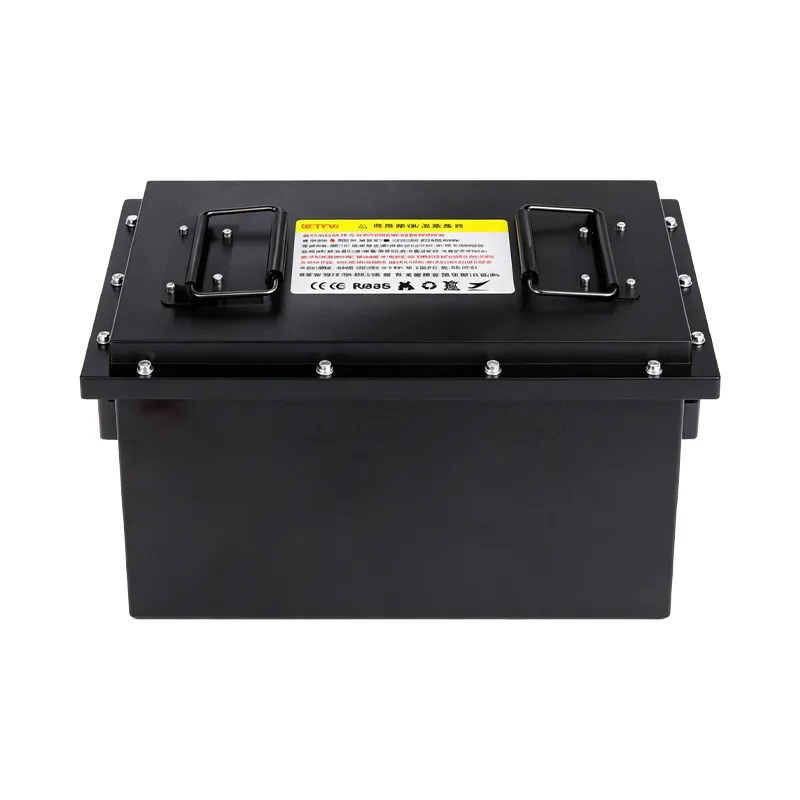
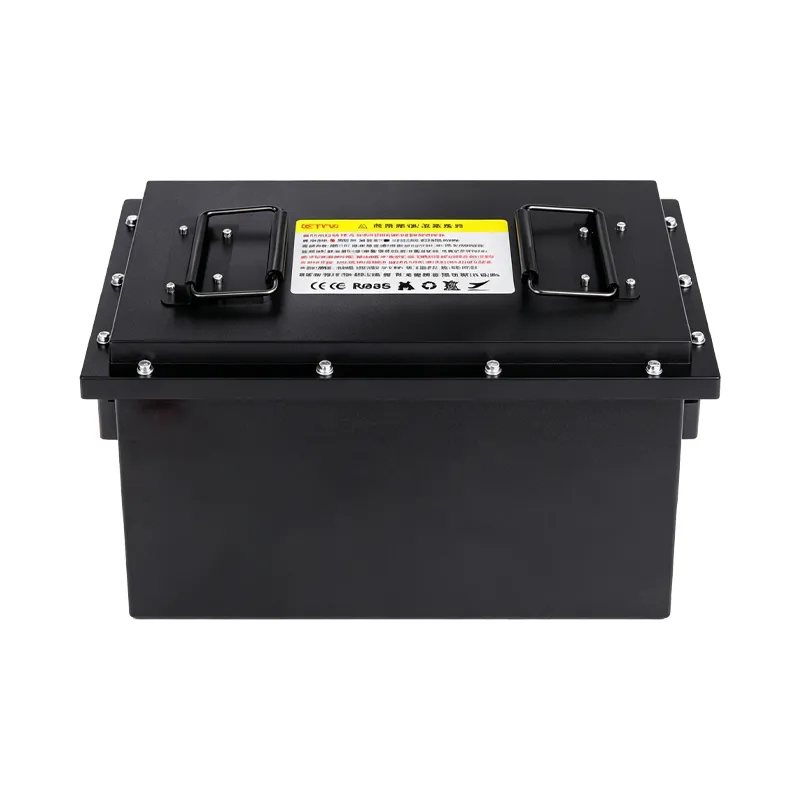
A 48V lithium ion battery can last anywhere from a few hours to many years, depending on how it is used, charged, stored, and built. In daily life, that answer is not as simple as a number on a label. A 48V lithium ion battery powering an e-bike, for example, will behave very differently from one running a solar backup system or a mobility scooter. The good news is that once you understand the main factors, the lifespan of a 48V lithium ion battery becomes much easier to predict.
What does “last” really mean for a 48V lithium ion battery?
When people ask how long a 48V lithium ion battery lasts, they often mean two different things at the same time. The first is runtime, which tells you how long the battery can power a device on one charge. The second is lifespan, which tells you how many charge cycles or years the battery can deliver before its capacity drops too far. A 48V lithium ion battery can have a short runtime but still last for many years, or it can offer long runtime and still age gradually over time. Those are not the same thing, and mixing them up causes a lot of confusion.
A 48V lithium ion battery usually performs best when the user understands both sides of the equation. Runtime depends on capacity, load, temperature, and efficiency. Lifespan depends on cycle count, depth of discharge, heat, charging habits, and storage conditions. That means a 48V lithium ion battery is not just a power source; it is a system that reacts to how it is treated. If you use it carefully, it can stay useful for a long time. If you push it hard every day, its useful life will naturally be shorter.
What factors change the runtime of a 48V lithium ion battery?
The runtime of a 48V lithium ion battery is shaped by more than voltage alone. Voltage tells you the system size, but it does not tell you how much energy is stored inside. Two batteries can both be 48V lithium ion battery models and still behave very differently if one has a much larger amp-hour rating. That is why people who buy by voltage alone sometimes feel disappointed. The battery may be “48V,” but the actual runtime comes down to the full energy pack, not the label by itself.
Here are the biggest factors that affect how long a 48V lithium ion battery lasts on a single charge:
- Battery capacity: A higher amp-hour rating means more stored energy and usually longer runtime.
- Load size: A device that draws more power will drain a 48V lithium ion battery faster.
- Efficiency of the system: Motor controllers, inverters, and electronics can waste or save energy.
- Terrain and usage style: Hills, acceleration, and heavy loads shorten runtime.
- Temperature: Cold weather can reduce available power from a 48V lithium ion battery.
- Battery age: Older cells often deliver less than a fresh pack.
- Cutoff settings: Some systems stop using the battery earlier to protect battery health.
If you want a realistic estimate, you have to look at all of those points together. A 48V lithium ion battery used gently in a light application can seem remarkably long-lasting. The same battery under heavy load can feel much smaller than expected. That is why runtime should always be measured in context, not in isolation.
A practical way to think about it is this: the battery is only one part of the story. The motor, controller, resistance, and riding style all shape the final result. A 48V lithium ion battery is best judged by how it performs in your actual device, not by a generic number on a product page.
How do amp-hours and watt-hours translate into real time?
To understand a 48V lithium ion battery properly, you need to move beyond voltage and look at watt-hours. Voltage shows the system level, while amp-hours show how much charge is stored, and watt-hours show the actual energy available. This is the number that matters most when you are trying to estimate runtime. A 48V lithium ion battery with 10Ah stores about 480Wh, while a 20Ah version stores about 960Wh. That difference can completely change how long the battery lasts.
The basic formula is simple: runtime = watt-hours ÷ average load in watts.
If a 48V lithium ion battery has 960Wh and your device uses about 240W on average, you can expect roughly four hours of runtime in ideal conditions. Real life is never ideal, of course, but the formula gives you a useful starting point. Once you understand that, a 48V lithium ion battery becomes much easier to compare across products.
Here are a few rough examples of how a 48V lithium ion battery can translate into practical use:
- E-bike use: A smaller pack may give short city trips, while a larger pack can support much longer rides.
- Mobility scooter use: Smooth roads and light riders often get more range than steep routes and heavy loads.
- Solar backup: Runtime depends on inverter efficiency and how much power the home actually draws.
- Trolling motor use: Calm water and lower speeds stretch a 48V lithium ion battery much further.
- Portable power systems: Small devices can run for many hours, while large appliances drain the pack quickly.
Those examples show why no single answer works for everyone. A 48V lithium ion battery is not a fixed promise; it is a flexible energy store that changes with the job you ask it to do.
The best way to estimate your own runtime is to start with the load, not the battery. A 48V lithium ion battery can be great for one user and disappointing for another simply because the demand is different. That is why watt-hours matter so much. They turn a vague battery label into something closer to a real answer.
How long does a 48V lithium ion battery last in common applications?
A 48V lithium ion battery can last very different lengths of time depending on where it is used. In an e-bike, runtime may be measured in miles. In a solar backup setup, it may be measured in hours. In a mobility application, people often care more about how many trips they can make before charging again. The same battery chemistry can serve all of those uses, but the experience changes with the load.
In many real-world situations, a 48V lithium ion battery gives a solid balance of power and efficiency. For an e-bike, a smaller battery might support 15 to 30 miles depending on terrain, assist level, rider weight, and wind. A larger 48V lithium ion battery can often go much further. For a mobility scooter, a moderate pack may be enough for several hours of relaxed use. For home backup, the answer depends on whether you are running lights and electronics or heavier appliances. The battery is the same; the outcome is not.
The most useful way to judge a 48V lithium ion battery is by category:
- Light e-bike riding: longer mileage, especially with lower assist
- Heavy e-bike use: shorter range because the motor works harder
- Scooters and small vehicles: runtime depends on weight, speed, and surface
- Solar storage: hours of support depend on the size of the load
- Industrial equipment: working time depends on duty cycle and current demand
- Recreational gear: intermittent use often stretches the battery much further
If you are buying a 48V lithium ion battery for the first time, it helps to think in real patterns instead of technical spec sheets. The label may say one thing, but your habits decide a lot of the outcome. A light rider on flat roads can get impressive results. A rider who climbs hills every day will see a very different result from the same 48V lithium ion battery.
Another reason common applications vary so much is that many devices are not efficient in the same way. Some systems waste less energy during use, while others turn battery power into heat, friction, or vibration. The better the system is designed, the longer a 48V lithium ion battery seems to last. That is why two users with the same battery may report very different experiences.

What shortens the life of a 48V lithium ion battery?
A 48V lithium ion battery can last many cycles if it is treated well, but certain habits wear it down faster. Heat is one of the biggest enemies. When a battery stays hot during charging, storage, or use, its chemistry ages more quickly. Deep discharges also matter. Regularly draining a 48V lithium ion battery to nearly empty puts more stress on the cells than using moderate charge ranges. Over time, that stress adds up.
There are also charging habits that reduce useful life. A 48V lithium ion battery that is always charged to the highest possible level and left there for long periods may lose capacity faster than one that is stored more moderately. Cheap chargers can make things worse if they do not manage voltage properly. A battery is only as good as the system surrounding it, so the charger and battery management system matter more than many people realize.
The most common battery killers are easy to list:
- High heat during charging or storage
- Frequent deep discharge
- Overcharging or poor charging control
- Long periods sitting empty
- Strong vibration or impact
- Constant high current draw
- Using the wrong charger
- Keeping a 48V lithium ion battery at full charge for long storage periods
The tricky part is that damage often happens slowly. A 48V lithium ion battery may seem fine for months or even years, then gradually lose capacity until the decline becomes obvious. That is why good habits matter. Small mistakes do not usually kill a battery overnight, but repeated stress shortens the useful life of the entire pack.
A second factor is load. If a 48V lithium ion battery is always pushed close to its limit, it will age faster than a battery used within a comfortable range. That is why a slightly larger battery often lasts longer in practice than a battery that is constantly worked too hard. More headroom usually means less stress.
How can you make a 48V lithium ion battery last longer?
If you want a 48V lithium ion battery to give you more years of service, the best approach is simple: keep it out of extreme conditions and avoid unnecessary stress. You do not need a complicated routine. You just need consistent habits. A 48V lithium ion battery responds very well to moderate use, sensible charging, and proper storage. Those three things alone can make a noticeable difference over time.
The first habit is temperature control. A 48V lithium ion battery should not be left in a hot car, baked in direct sun, or charged in a very cold environment. The second habit is charge discipline. You do not need to obsess over every percentage point, but it is smart not to leave the battery empty for long or sit at full charge for months without use. The third habit is to use the correct charger and keep the system in good condition.
A few practical habits go a long way:
- Charge a 48V lithium ion battery with the recommended charger only.
- Avoid running the battery to zero whenever possible.
- Store it in a cool, dry place.
- Keep the charge at a moderate level during long storage.
- Check connections so resistance does not build up.
- Avoid heavy loads if a lighter load will do the same job.
- Let the battery cool before charging if it has been working hard.
These habits are not difficult, but they matter. A 48V lithium ion battery that is treated well often feels like a much better investment because you get more useful seasons out of it. In some cases, the difference between average care and good care is the difference between replacing a pack sooner and getting several more years from the same battery.
A lot of people think battery life is mostly a factory issue, but usage matters just as much. A 48V lithium ion battery can be designed well and still age early if it is abused. On the other hand, a modest battery can outperform expectations if it is kept in a healthy range. That is one of the reasons these batteries are so popular: they reward good habits.
How do you estimate range before you buy a 48V lithium ion battery?
Buying a 48V lithium ion battery without doing a little math is how people end up disappointed. The easiest place to start is watt-hours, then compare that number with your device’s average power draw. If you know the battery capacity and the typical load, you can get a surprisingly useful estimate. A 48V lithium ion battery rated at 15Ah gives about 720Wh, while a 25Ah battery gives about 1,200Wh. Those numbers make a major difference in range and runtime.
It also helps to be realistic about the kind of use you expect. If you ride an e-bike on flat ground with light assist, a 48V lithium ion battery may feel far larger than its label suggests. If you ride steep hills at high speed, the opposite can happen. The same is true for backup power. A 48V lithium ion battery may keep lights and routers running for a long time, but if you add kettles, heaters, or other heavy appliances, runtime drops fast.
When comparing products, pay attention to more than the headline voltage:
- Amp-hour rating
- Watt-hour rating
- Cell quality
- Battery management system
- Charger quality
- Warranty length
- Cycle life rating
A 48V lithium ion battery from a reputable brand may cost more, but it often gives you better real-world value because the numbers are more honest and the protection system is usually better. That matters when you want consistency, not just a flashy spec sheet.
If you are comparing two options with the same voltage, the one with more watt-hours is usually the one that lasts longer per charge. That sounds obvious, but it is easy to overlook when the marketing focuses only on voltage. A 48V lithium ion battery is best judged by the full pack, not by one number alone.
How many charge cycles can a 48V lithium ion battery handle?
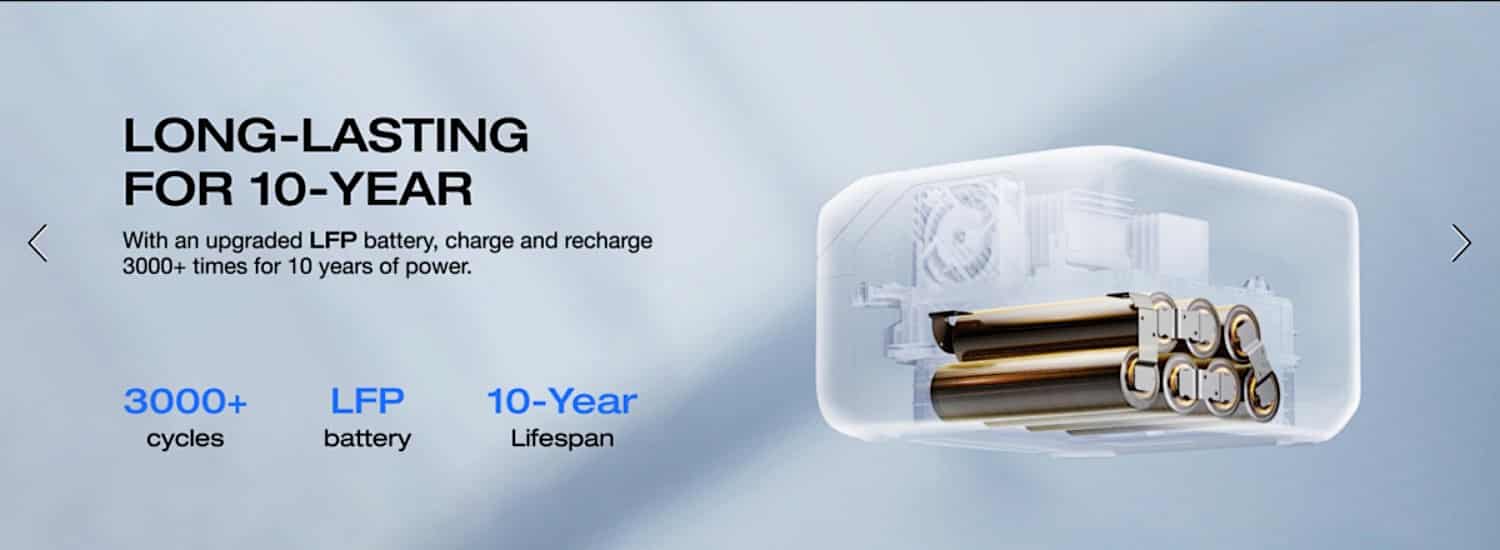
A 48V lithium ion battery is often rated by cycle life, but cycle life is not a fixed guarantee. It depends on the cell chemistry, depth of discharge, temperature, and charging style. Some batteries may remain strong for 800 cycles, while better-built systems can go much higher. In practical terms, a 48V lithium ion battery may last several years if the daily demands are moderate and the battery is not regularly stressed to extremes.
Cycle life also depends on what you count as a cycle. Two half-charges do not always equal one full cycle in a simple way, but over time the battery does accumulate wear. A 48V lithium ion battery used every day for commuting will age faster in calendar time than one used only on weekends, even if both are treated carefully. That is why people should think in terms of both cycles and years.
This is where a lot of owners make a useful discovery: the battery does not simply “die.” Instead, it gradually holds less energy. A 48V lithium ion battery may still work after many cycles, but it may no longer deliver the runtime you remember from day one. That slow fade is normal. What matters is whether the remaining capacity is still enough for your needs.
A battery in a mild climate, charged sensibly and not pushed too hard, often lasts much longer than expected. A 48V lithium ion battery in a hot environment, cycled hard every day, may decline much earlier. So when someone asks how many cycles one will last, the honest answer is that use matters as much as chemistry. Good care can make a noticeable difference.
What signs tell you a 48V lithium ion battery is aging?
A 48V lithium ion battery usually gives a few clues before it reaches the end of useful life. The most obvious sign is shorter runtime. If a battery that once handled a full day now needs charging much sooner, capacity has likely dropped. Another sign is voltage sag under load. The battery may still show charge on the meter, but the device feels weaker when it starts working hard.
You might also notice slower charging or more inconsistent performance. A 48V lithium ion battery that used to deliver stable output may now behave unevenly. In some systems, the battery management system may cut off earlier than before because the cells can no longer hold power as well. That can feel frustrating, but it is usually a normal part of aging rather than a sudden failure.
Aged batteries often show a pattern rather than one single symptom:
- Runtime becomes noticeably shorter.
- The device loses power under load sooner.
- The battery charges faster than expected, but also drains faster.
- The pack may feel warmer during use or charging.
- Range becomes less predictable from charge to charge.
- The battery no longer matches the original capacity in daily use.
These signs do not always mean the 48V lithium ion battery is unsafe. Often, they simply mean the battery has reached a point where it no longer meets the user’s needs. In that case, replacement becomes a practical decision rather than an emergency one.
If you track performance over time, aging becomes easier to spot. Many people only notice the decline when it is already affecting their routine, but a little attention goes a long way. A 48V lithium ion battery that is monitored regularly will rarely surprise you.

What should you check before buying a 48V lithium ion battery?
Before you buy a 48V lithium ion battery, it helps to look beyond the voltage sticker. Capacity matters. Cell quality matters. The battery management system matters. Even the shape and mounting style matter if the battery has to fit into a specific frame or enclosure. A 48V lithium ion battery may sound standard, but small differences can change whether it is the right choice for your device.
Warranty is another clue. A manufacturer that stands behind a 48V lithium ion battery usually offers more confidence than one that does not. That does not automatically make every expensive battery better, but it does tell you something about support and expected quality. If the battery is going into an e-bike, scooter, or solar setup, support can matter just as much as the raw numbers.
It is also worth checking whether the battery is built for your exact use case. A 48V lithium ion battery for a light commuter bike is not the same thing as a 48V lithium ion battery for a high-draw motor or an off-grid storage system. The chemistry may be similar, but the engineering is different. Choosing the right version can prevent disappointment and extend useful life.
The smartest buyers look at the full picture: energy, design, safety, support, and daily demand. A 48V lithium ion battery that is matched correctly to the job usually lasts longer and performs better than a random high-capacity pack with the wrong build. That is where good value really comes from.
At the end of the day, a 48V lithium ion battery lasts as long as the balance between capacity, load, and care allows it to. Some packs deliver many years of dependable service. Others wear out earlier because the conditions are harder. If you want the longest useful life, choose the right battery, use the right charger, and treat the pack like a piece of equipment that deserves a little attention. That is usually enough to keep a 48V lithium ion battery doing its job far longer than most people expect.