What is a Battery Jump Starter?
A battery jump starter is a portable device designed to provide a temporary boost of power to a car’s dead battery, allowing the engine to start without needing a second car. These devices are typically compact and easy to use, making them an essential tool for anyone who drives regularly. Whether you’re in a parking lot or stranded on the side of the road, a battery jump starter can be a lifesaver when your car battery fails.
Car batteries can die unexpectedly, leaving you stranded and waiting for assistance. With a battery jump starter, you can avoid relying on others and get your car back up and running quickly. It’s important, however, to understand how to use these devices properly to avoid any risks to both the vehicle’s battery and the jump starter.

How It Saves You Time and Money?
A dead car battery is one of the most common causes of vehicle breakdowns, and it often happens at the least convenient times. Whether you’re rushing to work, meeting someone important, or simply on the go, the last thing you want is to be stuck waiting for assistance. A battery jump starter helps you avoid the inconvenience of calling for a tow truck or asking someone else for a jump, saving you both time and money.
Moreover, a jump starter is more than just a quick fix—it can help extend the lifespan of your car’s battery. If used properly, a battery jump starter prevents additional strain on your car’s electrical system and minimizes the risks of damaging other components, such as the alternator.
Why Should You Use a Battery Jump Starter?
Battery jump starters are ideal for emergency situations when you find yourself with a dead car battery. Instead of waiting for a tow truck or roadside assistance, having a jump starter allows you to take matters into your own hands. Here are some reasons why you should have one in your vehicle:
- Independence: You don’t have to depend on a second vehicle or a stranger to jump-start your car.
- Convenience: Jump starters are small and portable, allowing you to store them in your car without taking up much space.
- Safety: A jump starter reduces the risk of potential damage to your vehicle’s electrical system, which may occur with improper jump-starting methods.
- Multi-functionality: Many modern jump starters come with additional features, such as USB charging ports and built-in LED flashlights.
Why Waiting for Help is Risky?
Relying on others to jump-start your car can come with risks, particularly if you’re in a location where it’s difficult to find assistance. For instance, if you’re parked in a remote area, waiting for someone to help can be frustrating and time-consuming. Furthermore, there are safety concerns with asking a stranger to jump-start your vehicle, especially if you’re unsure whether they understand the correct procedure. A battery jump starter ensures you have full control of the situation, preventing potential risks to your vehicle or safety.
How Does a Battery Jump Starter Work?
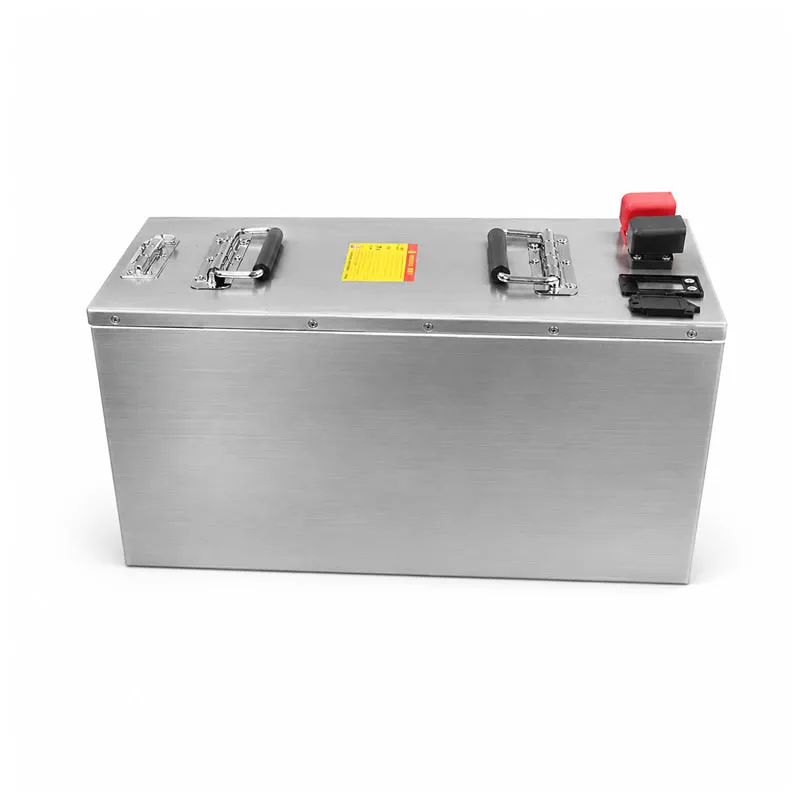
A battery jump starter works by providing an immediate boost of electrical power to your car’s dead battery. These devices are equipped with an internal lithium-ion or lead-acid battery, which stores power until it’s needed. When connected to your car’s battery, the jump starter sends power to the car’s electrical system, enabling the engine to start.
There are two key components of the process:
- The Jump Starter: It provides the necessary electrical charge.
- The Vehicle’s Battery: It receives the power and uses it to get the engine running.
The jump starter works by temporarily bypassing the need for the car’s own battery to power the engine. Once the vehicle is started, the alternator takes over to charge the battery. This is why it’s essential to disconnect the jump starter after your car starts to avoid any damage or overuse.
Different Technologies in Jump Starters
Jump starters come in different types of technology, such as lithium-ion and lead-acid batteries. Lithium-ion jump starters are often lighter, more compact, and last longer than traditional lead-acid models. However, lead-acid batteries are typically more affordable and offer larger power outputs, making them a popular choice for those who need a heavy-duty jump starter.

What Are the Different Types of Battery Jump Starters?
There are several different types of battery jump starters, each designed to meet specific needs. Choosing the right one depends on factors like the type of vehicle you drive, the power output you need, and additional features. Here are the most common types:
Portable Jump Starters:
- Compact and easy to carry, portable jump startersare perfect for everyday use. They can typically jump-start most cars and light trucks.
Heavy-Duty Jump Starters:
- Designed for larger vehicles, such as trucks or RVs, heavy-duty jump starters have a higher power capacity. They can handle the larger batteries found in these vehicles and are often used by professionals.
Jump Starter Kits:
- These come with extra features, including a range of cables, clamps, and sometimes additional tools like air compressors or tire inflators. They are ideal for people who want an all-in-one solution.
Multi-Function Jump Starters:
- These devices include added features such as USB charging ports, LED lights, and even inverters to power small electronics. They are perfect for those who want a versatile tool for emergencies and everyday use.
All-in-One Battery Charging Solutions:
- These jump starters combine a battery charger, portable power bank, and jump starter in one device. While they are not as powerful as traditional jump starters, they offer added functionality, making them ideal for people who want a multipurpose tool.
How Do You Safely Use a Battery Jump Starter?
Using a battery jump starter is straightforward, but it’s essential to follow the correct steps to avoid injury or damage to your vehicle. Here’s a step-by-step guide on how to safely use one:
Prepare the Jump Starter:
- Ensure that the jump starter is fully charged before attempting to use it. Most jump starters have an indicator light or digital display showing the remaining charge.
Position the Vehicle:
- Park your car in a safe, flat area, and ensure the engine is turned off. Make sure the jump starter is within reach of your car’s battery.
Connect the Clamps:
- Attach the positive (red) clamp to the positive terminal of the car battery. Then, connect the negative (black) clamp to an unpainted metal surface on the vehicle, such as the engine block, instead of the battery’s negative terminal. This helps prevent sparks near the battery.
Turn on the Jump Starter:
- Once the clamps are securely connected, turn on the jump starter to allow it to send power to the vehicle’s battery.
Start Your Car:
- Attempt to start the car. If it doesn’t start right away, wait a minute or two and try again. Most vehicles should start within a few minutes if the battery is not severely damaged.
Disconnect the Cables:
- Once your car starts, carefully remove the clamps in reverse order: disconnect the negative (black) clamp first, followed by the positive (red) clamp. Store the jump starter safely and continue with your day.
Be Mindful of the Connection Order
It’s crucial to connect the cables in the correct order to avoid creating a dangerous spark. Connecting the positive and negative cables to the wrong terminals could result in electrical damage, sparks, or even an explosion in extreme cases.
What Are the Common Mistakes to Avoid When Using a Battery Jump Starter?
While using a jump starter may seem simple, there are some common mistakes that can result in damage to the vehicle or jump starter. Here are the most frequent errors to avoid:
Incorrect Clamp Connections:
- Always connect the positive cable to the positive terminal and the negative cable to the correct ground point. Incorrect connections can cause sparks or electrical short circuits.
Using a Low-Powered Jump Starter:
- Using a jump starter with insufficient power for your vehicle’s battery can result in an unsuccessful jump-start. Ensure that your jump starter has the necessary power output for your car.
Not Checking the Jump Starter’s Charge:
- Before attempting to use the jump starter, check its charge level. If the device is not adequately charged, it may not work effectively.
Overloading the Jump Starter:
- Don’t try to jump-start multiple vehicles with the same jump starter if it’s not designed for such use. Overloading the device can cause overheating or permanent damage.
Ignoring the Manufacturer’s Instructions:
- Each jump starter is designed differently, so it’s important to follow the manufacturer’s instructions for optimal safety and performance. Not adhering to these guidelines could cause irreversible damage to the vehicle or jump starter.
What Features Should You Look for in a Battery Jump Starter?
When purchasing a jump starter, there are several important features to consider:
Power Output:
- Make sure the jump starter has enough power to start your vehicle’s engine. The power capacity is usually measured in peak amps. For most cars, a jump starter with at least 400-600 peak amps is sufficient. Larger vehicles may require 1000 peak amps or more.
Portability:
- A compact, lightweight design is crucial if you plan to carry the jump starter in your car. Choose one that is easy to store without taking up too much space.
Safety Features:
- Many jump starters come with built-in safety features such as reverse polarity protection, short-circuit protection, and overcharge protection. These features can prevent accidents and extend the life of the device.
Multi-Functionality:
- Consider a jump starter with added features like built-in USB ports for charging devices, LED flashlights for night use, and air compressors for inflating tires. These extras can make the device even more useful.
Durability:
- A durable, rugged case will help protect the jump starter from damage in case of drops or accidents. Look for one that’s built to withstand rough handling and harsh weather conditions.
Extra Considerations
Some jump starters are designed for specific types of vehicles, such as motorcycles or larger RVs. Make sure to choose one that suits your needs. Additionally, consider the climate where you live; some jump starters are better suited for extreme cold or heat.

How Do You Maintain Your Battery Jump Starter?
Proper maintenance is key to ensuring the longevity of your jump starter. Here are some tips:
Keep It Charged:
- Don’t let your jump starter sit for extended periods without being charged. Recharge it every few months to maintain battery health.
Store in a Cool, Dry Place:
- Extreme heat or cold can damage the battery. Always store your jump starter in a cool, dry location when not in use.
Clean the Device Regularly:
- Dirt and dust can clog the jump starter’s ports and affect performance. Clean it with a dry cloth to keep it in good working condition.
Check for Wear and Tear:
- Regularly inspect the cables and clamps for damage or corrosion. Replace any parts that show signs of wear.
When Should You Replace Your Battery Jump Starter?
Eventually, the internal battery of your jump starter will lose its ability to hold a charge. If you notice that your jump starter takes longer to charge or no longer works as effectively, it may be time to replace it. Always check the manufacturer’s recommendations for the lifespan of your device and replace it accordingly.
With a reliable battery jump starter in your vehicle, you can rest assured that you will be prepared for any unexpected battery failure. Whether you’re traveling long distances or just running errands around town, having a jump starter on hand can save you from a potentially stressful situation. Remember, understanding the proper usage, maintenance, and safety precautions will ensure that you get the most out of your device for years to come.