Cold mornings can delay departures when LiFePO4 cells block charging despite available shore power. A heated marine battery warms the cells before charging resumes. For workboats, harbor fleets and passenger vessels, winter readiness requires verified heating—not a “cold-weather compatible” label.
Why Does a Heated Marine Battery Matter Below Freezing?
Many standard LiFePO4 systems restrict charging near 0°C (32°F) to prevent lithium plating. Discharge limits differ: a vessel may operate but refuse a recharge. This low-temperature lithium battery guide explains the chemistry; fleet buyers need proof a heated marine battery can restart charging before the next voyage.
For exposed docks and short turnarounds, a heated marine battery must support predictable departures without bypassing safeguards. A cold weather marine battery should be qualified for its installed compartment, not just the lowest temperature advertised on a carton.

How Does a Heated Marine Battery Restore Safe Charging?
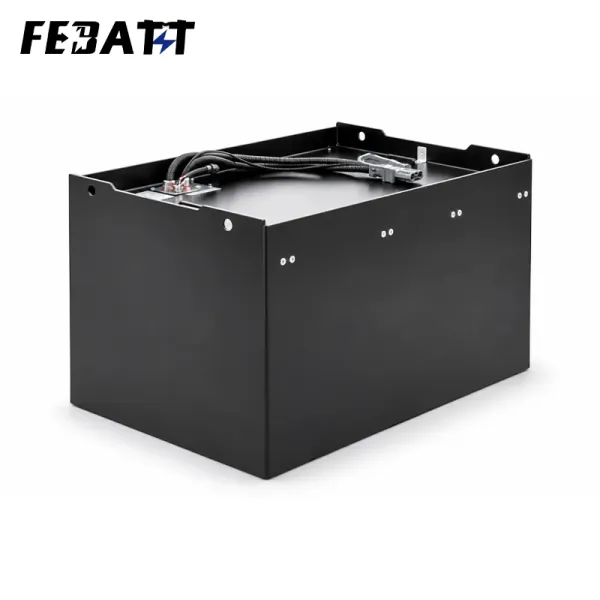
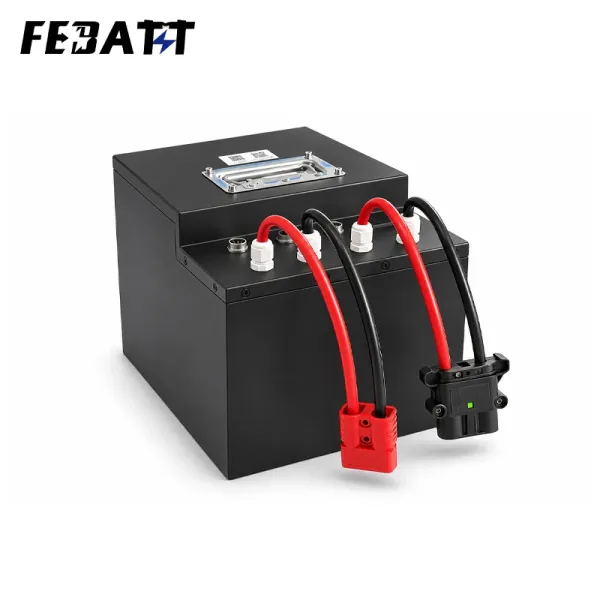
A heated marine battery combines cell sensors, a battery management system (BMS) and an integrated heater. Below the permitted charging temperature, heating starts first; charging resumes after cells reach the manufacturer’s release threshold. Power may come from a charger or another engineered supply path.
Low-temperature charging protection stops unsafe charging but cannot restart it. he integrated heating system adds controlled recovery, not unlimited subzero charging. This separate marine BMS protection guide covers broader vessel-safety functions.

Which Heated Marine Battery Specifications Should Buyers Check?
Assess a heated marine battery using vessel-specific evidence, not one advertised temperature range.
| Procurement check | Evidence to request | Fleet consequence |
|---|---|---|
| Heating trigger and charge-release temperature | BMS limits and sensor locations | Predictable restart after cold docking |
| Minimum heating input | Charger output requirement and start-up behavior | Avoids heater failure with weak shore power |
| Cold-soak recovery time | Temperature and current log at agreed ambient conditions | Protects departure and turnaround windows |
| Overheat or sensor-fault response | Fault logic and test record | Prevents unsafe charging after a fault |
| Enclosure and installation suitability | Ingress, vibration, corrosion and mounting evidence | Reduces maintenance exposure aboard vessels |
As an independently published reference, RELiON’s low-temperature FAQ reports 5–15 A diverted to heating, about 1–1.5 hours of warming and model-specific release temperatures near 5°C or 10°C. These are not FEBATT specifications. Require actual results for the proposed heated marine battery.
How Much Time and Energy Will Preheating Add?
The bigger cost may be departure delays. For example, a hypothetical 100W heater operating for 40 minutes consumes approximately 67Wh. This is equivalent to 1.3% of a 5kWh battery’s nominal energy. However, the actual impact on battery SOC depends on whether the heater draws energy from an external charger or the battery itself. Preheating time and energy consumption must be verified under the intended installation conditions.
For each heated marine battery, record both preheating watt-hours and minutes until charge release. If warming exceeds the dockside turnaround, the fleet still loses availability. Include a cold-soak margin.

Can Vessel Charging Sources Activate Self-Heating?
Shore chargers must meet heating demand and follow the pack’s charging limits. Alternator systems may require suitable DC-to-DC charging; solar works only when available power and control logic permit.
Before approving the system, test interrupted charging, low auxiliary power and BMS cutoff with actual vessel equipment. The customizable marine battery pack for electric boats is an OEM starting point; self-heating must be specified and confirmed, not assumed standard.
Which Tests Prove a Heated Marine Battery Is Fleet-Ready?
Room-temperature demonstrations are insufficient. Test the heated marine battery under actual dockside charging conditions.
Cold-soak acceptance sequence
- Stabilize the pack at an agreed cold temperature; record ambient and cell-sensor readings.
- Connect the specified charging source and verify that heating begins while unsafe cell charging remains blocked.
- Record heater input, temperature spread, elapsed time and the point at which normal charging starts.
- Repeat after a power interruption and simulate a failed sensor or heater to confirm a safe response.
Test production-representative packs, not just prototypes. The proposed battery system needs repeatable recovery logs and agreed acceptance limits. Operators should review those logs against the first scheduled departure, not merely whether the heater turns on.
Why Choose a Heated LiFePO4 Battery Instead of Lead-Acid?
LiFePO4 can reduce maintenance and weight while providing more usable energy and steadier output than many lead-acid systems. These benefits still depend on installation, charging and duty-cycle design. A heated marine battery makes safe preheating a specified function.
Unlike flooded lead-acid banks, LiFePO4 avoids watering and offers greater usable energy in many fleet applications. Better energy efficiency and reduced service work can justify the initial investment, provided cold-weather charging is properly engineered. Compare uptime, maintenance, usable energy, warranty and replacement costs—not price alone.
What Should Marine OEMs Put in the RFQ?
Request cold-soak reports, charger compatibility, heater power budget, BMS fault logs and sample acceptance criteria. Where applicable, ISO 23625:2025 addresses battery selection and installation on small craft above 500 Wh.
FEBATT’s application-matched power battery solutions include OEM customization and BMS integration. Share waters, docking patterns, winter minima and turnaround targets so each heated marine battery matches fleet operations, not just capacity.
Frequently Asked Questions
Q: Can a heated marine battery charge below 0°C?
A: A heated marine battery can begin a controlled heating cycle below freezing if its design permits it. The cells should charge only after reaching their approved temperature and current limits.
Q: How long does a self-heating marine battery take to warm up?
A: It varies with pack design and conditions. Published examples range around 60–90 minutes for certain low-temperature models; request cold-soak results for your specific vessel installation.
Q: Does a heated marine battery need a special charger?
A: A heated marine battery needs a compatible charging source with sufficient available input and a suitable LiFePO4 profile. Confirm start-up behavior and communication requirements with the supplier.
Q: Can an alternator power marine battery self-heating?
A: Potentially, through a properly engineered charging system. Verify the alternator, regulator or DC-to-DC charger, available power and BMS logic before fleet deployment.
Q: Is a heated marine battery suitable for commercial fleets?
A: A heated marine battery can suit workboats, passenger shuttles and harbor service vessels when cold-weather testing, marine installation requirements and fleet duty cycles are documented and approved.