If a cart feels slow, takes longer to return to service, or is becoming expensive to maintain, golf cart lithium conversion can be worth evaluating. For golf courses, resorts, campuses, rental fleets, and utility operators, the decision should be based on compatibility, utilization, maintenance burden, downtime, and lifecycle cost.
A golf cart lithium conversion can reduce battery mass, routine watering and corrosion work, voltage sag, and replacement pressure. But it should be treated as a system change rather than a simple battery swap.

Why Do Fleets Consider Golf Cart Lithium Conversion in the First Place?
Typical reasons for considering a conversion include declining range, aging lead-acid packs, slow or inconvenient charging, frequent maintenance, and the need for more consistent performance. In commercial fleets, each of these issues becomes labor, downtime, or vehicle-availability cost.
A well-matched golf cart lithium conversion can provide more usable energy, steadier voltage under load, lower pack mass, and less routine maintenance. The value is strongest when the cart is used frequently enough for those savings to accumulate.
What Changes Immediately After the Conversion?
Lithium can provide steadier voltage under load, lower battery mass, shorter energy-replenishment windows when the pack permits, and less day-to-day maintenance. For fleets, the main benefit is consistency: carts are easier to schedule when power delivery and available energy are more predictable. In commercial fleets, golf cart lithium conversion should be judged by route consistency and vehicle availability rather than driver impression alone.
Golf cart lithium conversion does not automatically increase designed top speed. Motor, controller, gearing, tires, and software still determine the vehicle limit.
How Much Does Golf Cart Lithium Conversion Cost Compared with Lead-Acid?
Lithium normally has a higher upfront battery cost, so the better comparison is total lifecycle cost rather than sticker price.
- Purchase price and installation.
- Replacement frequency.
- Maintenance labor and corrosion/watering work.
- Charging losses and vehicle downtime.
- Spare inventory and warranty handling.
A golf cart lithium conversion is easier to justify on high-utilization fleets than on carts used only a few times each year.

How long do lithium golf cart batteries usually last?
Lithium systems can provide longer cycle-based service than many lead-acid fleets experience, but avoid one universal year claim. Actual life depends on cell quality, depth of discharge, temperature, current, BMS settings, charging practice, and route severity.
For B2B comparison, ask for cycle-test conditions and define fleet end of life as the point where the pack can no longer complete required routes with the specified reserve.
Does Golf Cart Lithium Conversion Improve Speed and Range?
Lithium can reduce voltage sag and provide a larger share of usable stored energy, which may make acceleration and route performance feel more consistent. That is not the same as overriding the motor or controller’s designed speed.
Range improvement should be measured on the actual fleet route with normal passengers or payload, gradients, tire pressure, and operating temperature.
What Does Charging Look Like After the Swap?
Charging compatibility is a key conversion risk. The new pack must match the charging voltage, BMS limits, temperature range, connector, and any communication used by the vehicle.
A golf cart lithium conversion should be validated against the fleet’s real turnaround window, not only against an advertised charge time. The golf cart lithium conversion plan should also define acceptable end-of-route reserve before rollout.
Are Lithium Golf Cart Batteries Safer and Easier to Maintain?
Lithium systems remove watering and can reduce corrosion and routine maintenance, which is valuable for fleets. Safety still depends on cell quality, pack design, BMS protection, correct installation, and mechanical restraint.
IEC 62619:2022 includes industrial lithium batteries used in motive applications such as golf carts, making it a useful reference when discussing pack-level safety requirements.
What Should You Check Before Making the Conversion?
Before conversion, use a technical checklist that covers both vehicle compatibility and fleet duty cycle.
- Cart voltage and controller operating window.
- Battery tray size, mounting points and service clearance.
- Motor and controller condition.
- Continuous and peak current demand.
- Daily route, passenger or payload and gradients.
- Charging compatibility and available charging windows.
- Pack mass, vehicle balance and cable/connector layout.
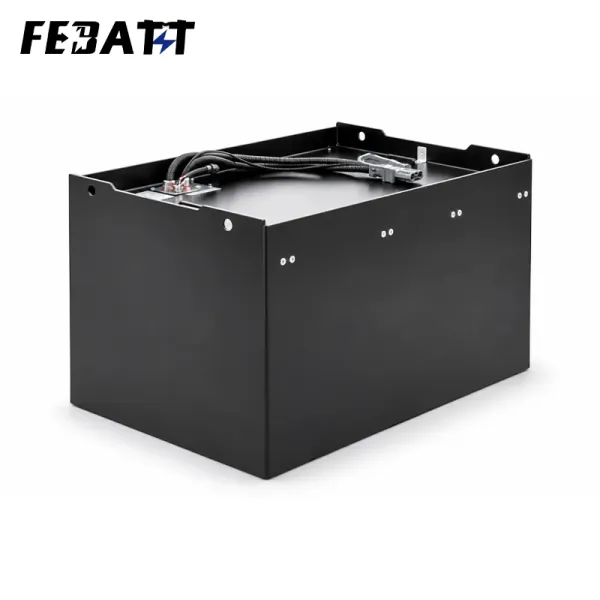
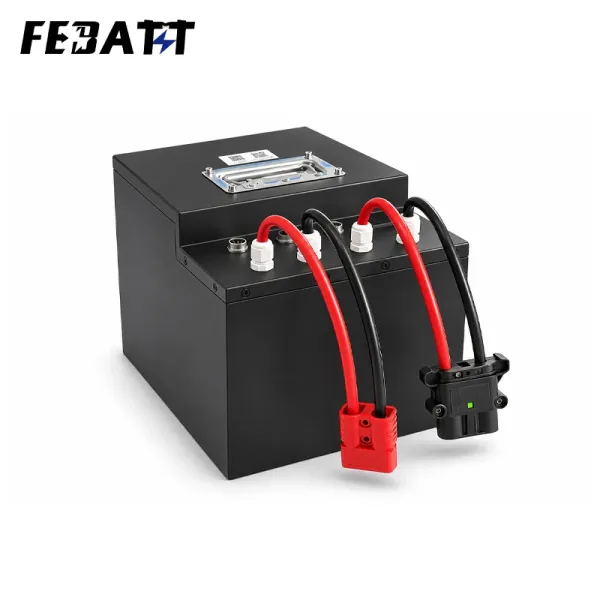
For a configuration example, review the 38.4V 80Ah lithium golf cart battery. For broader fleet options, use the golf cart battery category.
When Is Golf Cart Lithium Conversion Not Worth It?
A conversion may not pay back when annual use is very low, the current lead-acid system is still healthy, the cart is near retirement, or the vehicle needs major controller, motor, chassis, or suspension repair. This is why golf cart lithium conversion should be evaluated against remaining vehicle life and annual utilization.
Fleet buyers should also consider ownership horizon. A short remaining service life can make another lead-acid replacement economically rational even if lithium performs better. This makes golf cart lithium conversion a capital-planning decision as well as a technical upgrade.
How Do You Choose the Right Lithium Pack for the Conversion?
For pack selection, confirm voltage, usable Wh, current capability, physical size, BMS, charging, route requirement, payload, terrain, operating temperature, warranty, and supplier support.
FEBATT’s golf cart battery category provides the appropriate product context. If the issue is whether the existing pack is simply reaching end of life, use the separate golf cart battery replacement guide rather than expanding that topic here.

So, Is Golf Cart Lithium Conversion Worth It?
For many regularly used commercial fleets, yes – when the vehicle is compatible and the lifecycle savings justify the higher initial cost. Golf cart lithium conversion is most compelling when it solves measurable problems such as maintenance labor, inconsistent range, excessive battery mass, charging downtime, or repeated lead-acid replacement. A well-planned golf cart lithium conversion should therefore have a measurable operating or lifecycle objective before approval.
The decision should be validated on representative carts before fleet-wide rollout. Record route energy, minimum SOC, peak current, temperature, BMS events, charging time, and remaining reserve, then freeze the approved electrical and mechanical configuration. A controlled golf cart lithium conversion pilot makes the full-fleet investment easier to justify.