For commercial operators, an unavailable vessel disrupts service. Choosing wholesale marine batteries is an uptime decision, not simply a unit-price decision. For fleet operators, reliable battery supply supports continuous vessel operations. Buyers need dependable energy, predictable charging, and repeatable performance.
The 2024 MARAD guide reported 207 all-electric vessels in operation and 47 on order, citing DNV’s Alternative Fuels Insight. Fleets replacing lead-acid systems should assess wholesale marine batteries against real duty cycles and lifecycle costs.
Why Should Fleet Buyers Specify Batteries by Vessel Duty?

Passenger launches, workboats, patrol craft, and service vessels have different energy demands. Passenger boats run repeated routes; workboats combine propulsion with pumps; patrol vessels may remain on standby before intensive missions.
| Fleet application | Operating pattern | Battery priority |
|---|---|---|
| Passenger or sightseeing boats | Repeated routes and scheduled departures | Usable energy and predictable recharge |
| Harbor workboats | Variable loads and frequent maneuvering | Sustained output and peak-load capability |
| Patrol and service vessels | Irregular missions and standby | Reserve energy and monitoring |
Before ordering wholesale marine batteries, group vessels by duty cycle, not vessel name. Record route duration, payload, propulsion and auxiliary loads, operating hours, idle periods, and charging windows. This helps buyers match battery configurations to actual fleet requirements. This electric workboat battery guide explains why operating profiles matter.
A common platform simplifies spares, but one configuration may undersize demanding routes or overbuild lighter-duty boats. Specify wholesale marine batteries by vessel class where operating profiles match.
Why Is LiFePO4 a Practical Choice for Commercial Marine Fleets?
Lead-acid batteries may cost less initially, but buyers should also account for mass, usable capacity, charging time, maintenance, replacement frequency, and downtime. Properly integrated lithium can deliver more usable energy, faster charging within approved limits, and less routine maintenance.
LiFePO4 is often a strong fit for wholesale marine batteries, balancing thermal stability, cycle-life potential, and cost. NMC offers higher cell-level energy density; LTO suits some high-cycle or low-temperature uses but costs more and stores less energy by weight. The guide reviews these trade-offs, noting LFP and LTO lifecycle and safety advantages alongside NMC’s higher specific energy.
For fleets purchasing wholesale marine batteries, LiFePO4 is a sensible balance, not a universal answer. Compare complete system evidence, not chemistry labels. Assess the fleet’s full duty cycle before choosing wholesale marine batteries.
How Should Buyers Size Wholesale Marine Batteries for Real Routes?
Do not size wholesale marine batteries from amp-hours alone. Start with energy use over the busiest route or shift, including propulsion, steering, pumps, electronics, lighting, refrigeration, and simultaneous auxiliary loads.
Required nominal energy ≈ mission energy demand ÷ (usable state-of-charge (SOC) window × system efficiency × temperature factor × end-of-life capacity factor).

Use supplier data and project assumptions to account for peak discharge, low-temperature derating, reserve, and capacity fade. A universal 20% SOC reserve or fixed temperature correction does not fit every vessel.
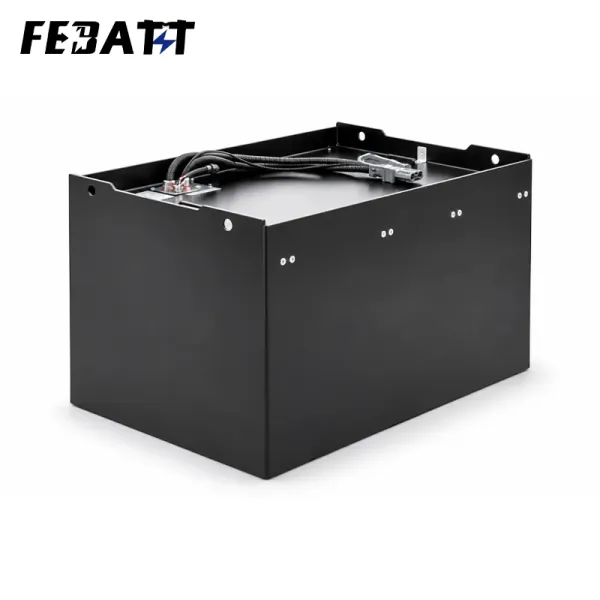
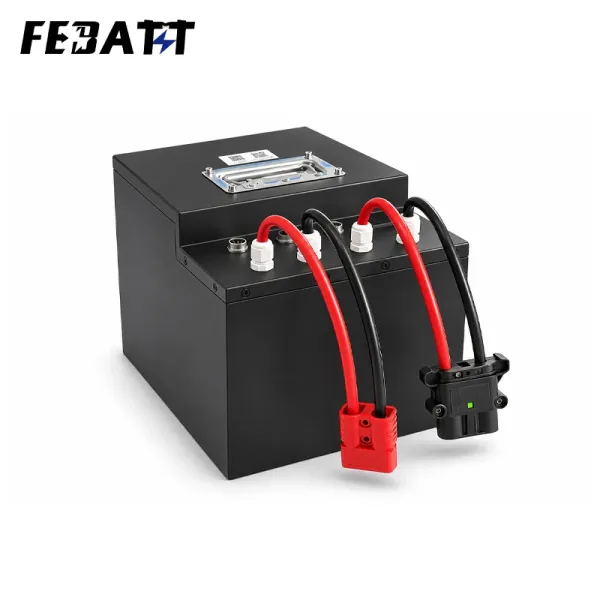
FEBATT lists a 51.2V 230Ah marine lithium battery with calculated nominal energy of approximately 11.8 kWh and a rated cycle life of about 3,000 cycles. Its listed limits are 0–45°C charging and −20–60°C discharging; the enclosure is approximately 870 × 650 × 300 mm and 80 kg. These product-specific figures are not guaranteed usable energy. Confirm test conditions before selecting wholesale marine batteries.
What Safety Evidence Should Buyers Check Before Deployment?
Marine service exposes batteries to vibration, humidity, salt, temperature variation, and limited access. Request evidence for enclosure protection, corrosion resistance, mounting, cable ratings, and thermal limits.
The BMS should monitor cells and protect against overcurrent, overcharge, over-discharge, short circuit, and temperature limits. Confirm alarms, communication compatibility, fault records, and protective responses. These controls must be integrated into the complete battery system and approved vessel design. This marine battery management system guide provides more detail.
Approval depends on vessel type, flag, class, route, and whether the battery supplies propulsion or auxiliary loads. For classed projects, confirm the applicable CCS, DNV, or other class requirements and the approved configuration. For U.S. inspected commercial vessels, the U.S. Coast Guard Marine Safety Alert 14-25 highlights ship-specific risk assessment, BMS, failure analysis, design verification, gas detection, fire protection, and exhaust ventilation. A transport document or cell-level certificate does not automatically approve the onboard installation. Match evidence to the project before putting wholesale marine batteries into service.

How Should Fleet Buyers Plan Wholesale Marine Batteries for Fleet Expansion?
For multi-vessel programs, standardize configurations only where duty profiles match. Track each vessel’s battery model, installation date, operating hours, cycle data, warranty, and replacement status. Use vessel class to forecast annual demand, maintenance windows, and spare stock. Keep separate configurations where loads or approval pathways differ, and agree on replacement lead times and technical support.
Compare wholesale marine batteries by purchase price, service life, labor, spares, and downtime. Validate any lithium savings with fleet operating data.
For distributors placing repeat orders for wholesale marine batteries, demand forecasts and replacement planning matter. This custom power battery solutions support application matching, capacity configuration, BMS integration, OEM/ODM customization, and bulk supply. For fleet buyers, wholesale marine batteries should form a repeatable platform that keeps each vessel fit for its assigned work.
Frequently Asked Questions About Marine Batteries
Q: Are wholesale marine batteries suitable for commercial workboats?
A: Yes, when matched to propulsion and auxiliary loads, operating hours, peak demand, marine exposure, and vessel approval requirements. Use the workboat’s measured duty cycle to guide selection.
Q: Are LiFePO4 batteries better than lead-acid for marine fleets?
A: For many high-utilization fleets, LiFePO4 offers longer cycle-life potential, more usable energy, faster charging within system limits, and less routine maintenance. The charger, BMS, installation, and approvals must remain compatible.
Q: How do buyers calculate usable capacity for wholesale marine batteries?
A: Use measured energy demand for the busiest route or shift, then account for usable SOC range, system efficiency, temperature, peak loads, reserve, and end-of-life capacity.
Q: How long do wholesale marine batteries last?
A: Service life depends on chemistry, depth of discharge, temperature, charging conditions, and maintenance. Compare cycle-life ratings only when test conditions and end-of-life criteria are disclosed.
Q: Can wholesale marine batteries be customized for different vessel fleets?
A: Yes. OEM/ODM projects can define energy, output, enclosure, connectors, BMS communication, and mounting by vessel type. Keep separate configurations where duty cycles or approval conditions differ.