Commercial transport is built on tight margins. Fuel cost, delivery time, vehicle uptime, driver retention, and maintenance planning all affect whether a fleet stays profitable. When a truck is parked, the engine may be off the road, but the vehicle still needs power for air conditioning, lighting, refrigerators, communication devices, telematics, and driver comfort systems. This is where a 24V truck parking battery becomes a practical upgrade for modern fleet operations.
A dedicated parking battery allows essential onboard equipment to run while the main engine stays off. For fleet managers, that means less idling, lower fuel waste, reduced engine wear, and better rest conditions for drivers. For B2B buyers, the value is not only in the battery itself. The value is in solving several fleet problems at the same time.
In this comprehensive guide, the role of the 24v truck parking battery will be examined from multiple angles: energy efficiency, comfort, reliability, lifecycle economics, and buyer selection criteria. For fleets comparing different auxiliary power options, FEBATT also provides a dedicated truck parking battery product category for different capacity and application needs.

What Is a 24V Truck Parking Battery?
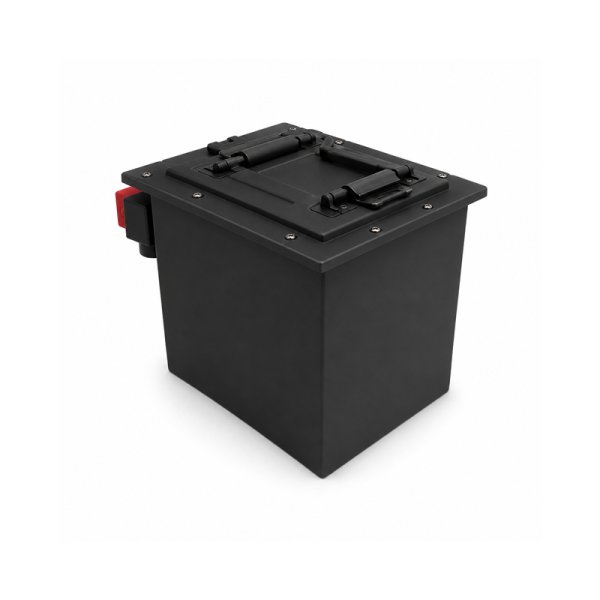
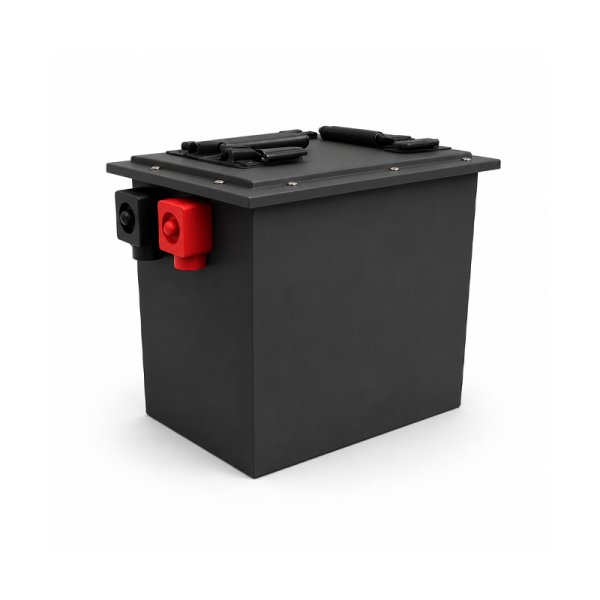
A 24V truck parking battery is an auxiliary energy storage unit designed to power electrical loads when a truck is parked and the main engine is turned off. It is commonly used to support parking air conditioners, fans, lights, phone chargers, communication equipment, onboard refrigerators, monitoring devices, and other cabin or auxiliary systems.
It is different from a starter battery. A starter battery delivers a short, high-current burst to start the engine. A parking battery provides steady power over a longer period. This separation is important because it helps protect starting power. Drivers can use onboard equipment during rest periods without draining the main starting battery.
In many commercial vehicles, a 24V truck parking battery uses lithium iron phosphate, also known as LiFePO4. This battery chemistry is suitable for repeated deep cycling, stable voltage output, fast charging, and long service life. Compared with traditional lead-acid or AGM batteries, lithium batteries usually offer more usable capacity in a smaller and lighter package.
Why Are Fleet Operators Investing in 24V Truck Parking Batteries?
Fleet operators are investing in 24V auxiliary power because parked trucks still consume energy. Without a dedicated power source, many drivers keep the engine idling to run air conditioning, heating fans, lights, or electronics. That habit may feel convenient in the moment, but it creates long-term cost pressure.
A 24V truck parking battery helps reduce this problem by supplying stored electrical energy instead of relying on engine idling. This is especially useful for long-haul trucks, regional delivery fleets, refrigerated vehicles, and service trucks that spend regular time parked between jobs or during rest periods.
The investment also supports driver satisfaction. A quiet cab with stable temperature control is far more comfortable than a cab supported by a running engine. For fleets facing driver turnover, equipment that improves rest conditions can become part of a broader retention strategy.
How Does a 24V Truck Parking Battery Reduce Fuel Consumption?
The fuel-saving logic is simple. If the engine is running only to power auxiliary loads, fuel is being burned without moving the vehicle. A 24V truck parking battery reduces the need for that kind of idling by powering key systems from stored energy.
This can make a noticeable difference over time. One truck may only save a limited amount of fuel during a single stop. Across many trucks, routes, seasons, and overnight parking periods, the savings become much more meaningful. Fleet buyers should not evaluate the battery only as a component cost. They should compare it with the ongoing cost of fuel burned during unnecessary idle time.
Reduced idling can also help fleets operate more cleanly in areas where idle restrictions are enforced. In regions with stricter rules around parked vehicles, an auxiliary battery gives drivers a practical way to maintain comfort without keeping the engine running.

How Can a 24V Truck Parking Battery Improve Driver Comfort?
Driver comfort is one of the strongest reasons to install a 24V truck parking battery. During rest periods, drivers need a quiet and stable cabin environment. They may need cooling, ventilation, lighting, mobile device charging, and refrigeration for food or drinks. If these loads depend on an idling engine, the driver must deal with noise, vibration, diesel smell, and fuel consumption.
A parking battery creates a better rest environment. The driver can use essential electrical equipment while the truck remains quiet. The cabin feels more like a controlled working and resting space instead of a compromise.
For fleet operators, comfort is not a soft benefit. Better rest can support better alertness, fewer driver complaints, and a more professional fleet experience. When a vehicle is equipped with reliable parking power, drivers are less likely to search for unsafe workarounds or keep the engine running longer than necessary.

How Does a 24V Truck Parking Battery Increase Fleet Efficiency?
Fleet efficiency is not only about driving time. It is also about what happens when vehicles are waiting at depots, delivery points, loading docks, roadside rest areas, or customer sites. During these stops, electrical systems often need to stay online.
A 24V truck parking battery keeps important systems powered without forcing the engine to run. This reduces unnecessary restarts and helps drivers manage waiting time more efficiently. It also supports consistent use of telematics, monitoring equipment, communication tools, and onboard electronics.
The efficiency benefit becomes stronger when the battery is matched correctly to the vehicle’s route profile. A long-haul sleeper cab with overnight air conditioning needs a different battery capacity than a regional delivery truck that only requires lighting and device charging during short stops. Correct sizing helps fleets avoid both underpowered systems and unnecessary overspending.
How Does a 24V Truck Parking Battery Protect the Starter Battery?
One of the most practical benefits of a 24V truck parking battery is protecting the starter battery from deep discharge. In trucks without a separate parking power system, accessories may draw from the same electrical reserve needed to start the engine. If the battery is drained too deeply during a long stop, the truck may fail to start.
That risk is expensive. A delayed truck can affect delivery schedules, customer commitments, cold-chain cargo, and driver working hours. Separating parking loads from the starter system helps reduce this risk.
With a dedicated auxiliary battery, drivers can power cabin equipment while preserving the main starting battery. This makes the vehicle more reliable after long parking periods and helps fleet managers reduce avoidable roadside support calls.
How Does a 24V Truck Parking Battery Extend Vehicle Service Life?
Every hour of engine idling adds wear. Even when the truck is not moving, the engine, alternator, cooling system, belts, and related components are still working. Over time, this can increase maintenance demand and shorten component life.
A 24V truck parking battery helps reduce unnecessary engine runtime. By using stored battery energy for parked loads, fleets can lower idle hours and reduce stress on engine-related systems. This can support better maintenance planning and may help extend the useful life of expensive vehicle components.
For B2B buyers, this matters because a truck is a capital asset. Protecting that asset is just as important as reducing fuel cost. The right auxiliary power system can support both daily operation and long-term fleet value.
Why Are Lithium 24V Truck Parking Batteries Becoming More Popular?
Lithium batteries are becoming more common in truck parking applications because fleet use involves repeated charging and discharging. A parking battery is not used occasionally; it may be used every day. That makes cycle life, usable capacity, charging speed, and weight important.
A lithium 24V truck parking battery usually provides deeper usable capacity than lead-acid alternatives. It can also maintain more stable voltage during discharge, recharge faster, and handle frequent cycling better. These advantages are useful for trucks with parking air conditioners, refrigerators, communication systems, or multiple electronic devices.
Weight is another advantage. Lithium batteries can deliver more usable energy with less weight than traditional options. For commercial vehicles, this helps reduce unnecessary load while still supporting strong power performance.
A good lithium system should also include a battery management system, or BMS. The BMS helps protect against overcharge, over-discharge, short circuit, overcurrent, and temperature-related problems. For fleet use, this protection is not optional. It is part of safe and predictable operation.
How Do You Choose the Right 24V Truck Parking Battery?
Choosing the right 24V truck parking battery starts with understanding the actual loads inside the vehicle. Parking air conditioning usually consumes far more power than lights or device chargers. A refrigerator, fan, communication system, and telematics device will also add to the total energy requirement.
Fleet buyers should calculate three basic points: what equipment needs power, how many hours it needs to run, and how often the battery can be recharged. This helps determine whether the truck needs a smaller auxiliary battery for light loads or a larger lithium system for overnight parking.
Installation space is also important. The battery must fit safely into the vehicle without interfering with other equipment. Buyers should also check voltage compatibility, charging method, mounting requirements, cable layout, and protection features.
For heavier overnight power demand, a higher-capacity option such as the 24V 300Ah truck auxiliary LiFePO4 battery can be more suitable for supporting parking air conditioners, refrigerators, lights, and onboard electronics during longer stops.
What Battery Capacity Is Suitable for Truck Parking Applications?
There is no single best capacity for every fleet. The right size depends on the vehicle type, parking duration, temperature conditions, equipment load, and charging opportunities. However, the table below can help buyers compare common options.
| Battery Option | Approx. Energy | Suitable Use |
|---|---|---|
| 24V 100Ah | About 2.4kWh | Lighting, fans, device charging, light auxiliary loads |
| 24V 150Ah–200Ah | About 3.6–4.8kWh | Medium parking loads, short rest periods, basic cabin comfort |
| 24V 230Ah–300Ah | About 5.5–7.2kWh | Parking air conditioner, refrigerator, electronics, overnight use |
| 24V 300Ah+ | Above 7.2kWh | Long-haul parking, higher power demand, extended cabin operation |
For light-duty needs, a product such as the 24V 100Ah LiFePO4 lithium battery may be suitable where the main requirement is stable auxiliary power for lower-consumption devices. For fleets running parking air conditioners for longer periods, a larger battery bank is usually more practical.
What Features Should B2B Buyers Look For?
B2B buyers should not choose a 24V truck parking battery based only on capacity. Capacity matters, but commercial fleets also need safety, durability, compatibility, and after-sales support.
A reliable battery should include a strong BMS, stable discharge performance, vibration resistance, and protection against high and low temperatures. It should also support the charging conditions of the vehicle. If the battery charges too slowly, it may not be ready for the next parking period. If it is not compatible with the vehicle’s electrical system, installation problems may appear later.
Buyers should also check cycle life and warranty conditions. A low-cost battery with poor cycle performance may look attractive at first but become expensive if it needs replacement too soon. For fleet buyers, total cost of ownership is more important than the lowest purchase price.
Smart monitoring can also add value. State-of-charge visibility, fault warnings, communication functions, and remote diagnostics help fleet managers understand battery condition before problems interrupt operation.
Which Applications Benefit Most from a 24V Truck Parking Battery?
Long-haul trucks are one of the clearest applications because they often require overnight cabin comfort. In these vehicles, a 24V truck parking battery can support air conditioning, lighting, device charging, and other rest-period loads without idling the engine.
Regional delivery fleets can also benefit. These vehicles may not require overnight parking power, but they often spend time waiting at loading points or customer sites. A parking battery helps support onboard systems during those pauses.
Refrigerated logistics vehicles may use auxiliary power for monitoring, communication, and driver comfort during stops. Service trucks, construction support vehicles, mobile maintenance units, and utility vehicles can also benefit because they often need power while stationary.
In each application, the goal is the same: provide stable auxiliary energy without depending on engine idling or draining the starter battery.
How Does a 24V Truck Parking Battery Support Lower Operating Costs?
A 24V truck parking battery can support lower operating costs in several ways. First, it reduces fuel waste from unnecessary idling. Second, it helps lower engine wear caused by using the engine as a stationary power source. Third, it protects starting power, which helps reduce downtime and emergency support costs.
The financial impact depends on fleet size, idle time, fuel cost, battery capacity, and duty cycle. A small fleet may focus on driver comfort and reliability. A larger fleet may see stronger value from fuel savings and standardized energy management across many vehicles.
The important point is that the battery should be evaluated as an operating tool, not only as a replacement part. When correctly specified, it can improve the economics of parked vehicle time.
Is a 24V Truck Parking Battery Better Than AGM for Fleet Use?
For many fleet applications, lithium is a better long-term choice than AGM. AGM batteries can be cheaper upfront, but they usually provide less usable energy, shorter cycle life, slower charging, and heavier weight. In daily parking applications, those limitations become more obvious.
A lithium 24V truck parking battery is better suited to repeated deep-cycle use. It can provide more usable energy and recover faster between parking periods. This is why many B2B buyers are shifting from traditional lead-acid or AGM systems to LiFePO4 auxiliary power.
That said, the best choice still depends on the fleet’s operating conditions. If power demand is very low and the budget is limited, AGM may still be considered. But for trucks that rely on parking air conditioners or overnight power, lithium usually offers stronger long-term value.
FAQ About 24v Truck Parking Battery
1.What Is the Difference Between a Starter Battery and a Parking Battery?
A starter battery provides a short, high-current burst to start the truck engine. A parking battery provides steady power for accessories such as air conditioning, lights, fans, refrigerators, and electronic devices while the truck is parked. The parking battery helps prevent accessory loads from draining the starter battery.
2.How Long Can a 24V Truck Parking Battery Power a Parking Air Conditioner?
Runtime depends on battery capacity, air conditioner power consumption, outdoor temperature, insulation, and how many other devices are running. In general, a higher-capacity lithium battery can support longer operation. For overnight parking with air conditioning, many fleets consider 24V 200Ah to 300Ah battery options.
3.Is Lithium Better Than AGM for Truck Parking Applications?
In most commercial parking applications, lithium is better than AGM because it offers higher usable capacity, longer cycle life, faster charging, lighter weight, and stronger deep-cycle performance. AGM may cost less upfront, but lithium usually provides better long-term value for frequent use.
4.What Battery Capacity Is Best for Overnight Parking?
For overnight truck parking, many fleets choose a 24V 200Ah to 300Ah LiFePO4 battery system, depending on the air conditioner load and parking duration. Trucks with higher power demand or longer rest periods may need larger capacity.
5.Can a 24V Truck Parking Battery Be Installed in Existing Fleet Vehicles?
Yes. A 24V truck parking battery can be installed in many existing fleet vehicles if voltage compatibility, charging configuration, mounting space, wiring, and safety protection are properly checked. Professional installation is recommended for commercial fleet applications.
6.Does a parking battery replace the starter battery?
No. A parking battery does not replace the starter battery. It works as a separate auxiliary power source for parked loads. This helps preserve the starter battery for engine ignition.
7.What should fleet buyers check before purchasing?
Fleet buyers should check battery capacity, voltage compatibility, BMS protection, cycle life, charging speed, installation size, vibration resistance, temperature performance, and supplier support. They should also match the battery to real vehicle loads instead of choosing only by nameplate capacity.
Conclusion
A 24V truck parking battery is valuable because it solves several practical fleet problems at once. It reduces unnecessary idling, supports fuel savings, improves driver comfort, protects starter battery power, and helps reduce wear on engine-related components.
For B2B buyers, the best choice is not always the biggest battery. The best choice is the battery that matches the truck’s parking time, auxiliary loads, charging opportunities, installation space, and route profile. Fleets with light electrical loads may only need a smaller lithium battery, while long-haul vehicles with parking air conditioners usually require higher capacity.
When selected properly, a 24V truck parking battery becomes more than an accessory. It becomes a useful fleet power solution that supports better operating control, better driver rest, and better long-term vehicle value.