Golf carts are now used far beyond golf courses. Resorts, campuses, gated communities, airports, factories, warehouses, and commercial facilities rely on electric carts for daily transport and operations. When the battery system begins to fail, the problem is not only shorter range. It can also cause downtime, weak acceleration, charging delays, higher maintenance costs, and poor user experience.
For fleet managers and B2B buyers, knowing when to plan golf cart battery replacement is important. Replacing batteries too early can waste money. Waiting too long can lead to unexpected breakdowns, service delays, damaged electrical components, and higher long-term operating costs.
In this comprehensive guide, the discussion centers on identifying the key indicators that signal the need for golf cart battery replacement, analyzing underlying causes of performance decline, and outlining practical considerations for extending service life while maintaining operational stability.
What Does a Golf Cart Battery Do?
A golf cart battery supplies electrical power to the motor, controller, lights, accessories, and other onboard systems. In an electric golf cart, the battery pack is the core power source. If the battery cannot deliver stable energy, the cart will lose range, acceleration, and reliability.
Most electric golf carts use multiple batteries connected together to create the required system voltage. For example, a cart may use a 36V, 48V, 51.2V, or 72V battery system depending on the motor and controller design. Because these batteries work as a complete pack, one weak battery can affect the performance of the entire system.
A healthy battery pack should deliver stable voltage under load, support normal driving range, accept charge properly, maintain safe operating temperature, and provide enough current for acceleration and climbing.
When the battery pack begins to fail, golf cart battery replacement should be considered before the cart becomes unreliable. For businesses managing multiple carts, this is especially important because one failed cart can affect scheduling, guest transport, maintenance planning, and daily operations.
If you are comparing replacement options, this golf cart battery solutions page can help you review lithium battery options for golf cart applications.
How Different Battery Types Affect Replacement Timing
Different battery types age in different ways. Before planning golf cart battery replacement, buyers should understand the main differences between flooded lead-acid, AGM, and lithium batteries.
Flooded lead-acid batteries are still common because they cost less upfront and are familiar to many users. However, they require regular watering, terminal inspection, and careful charging. Their range and load performance usually decline faster under frequent commercial use.
AGM batteries are sealed and require less routine maintenance than flooded lead-acid batteries. They are cleaner and easier to manage, but they still have a limited cycle life and may gradually lose charge acceptance and load performance.
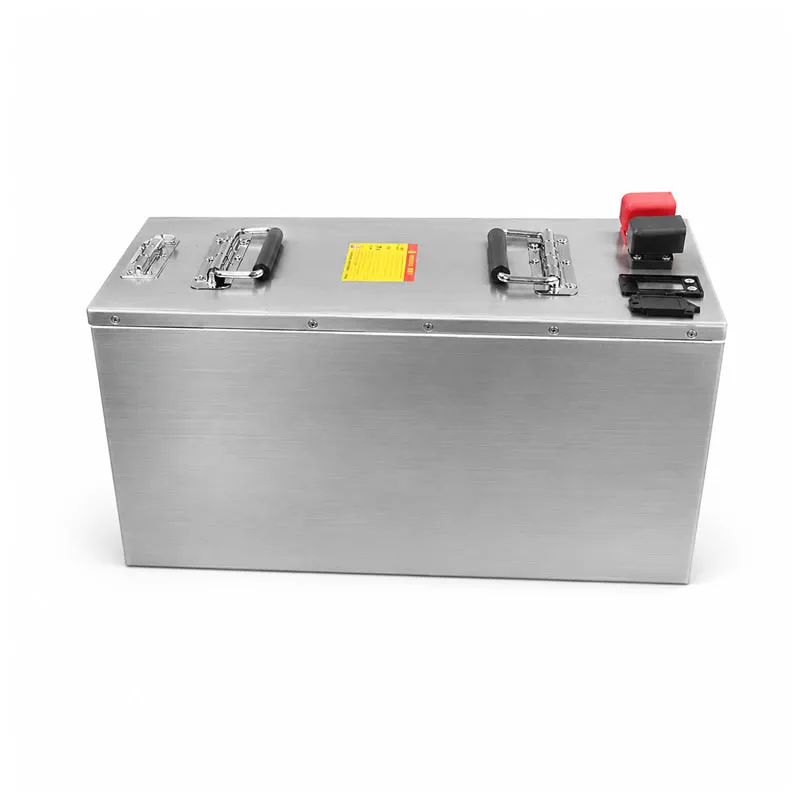
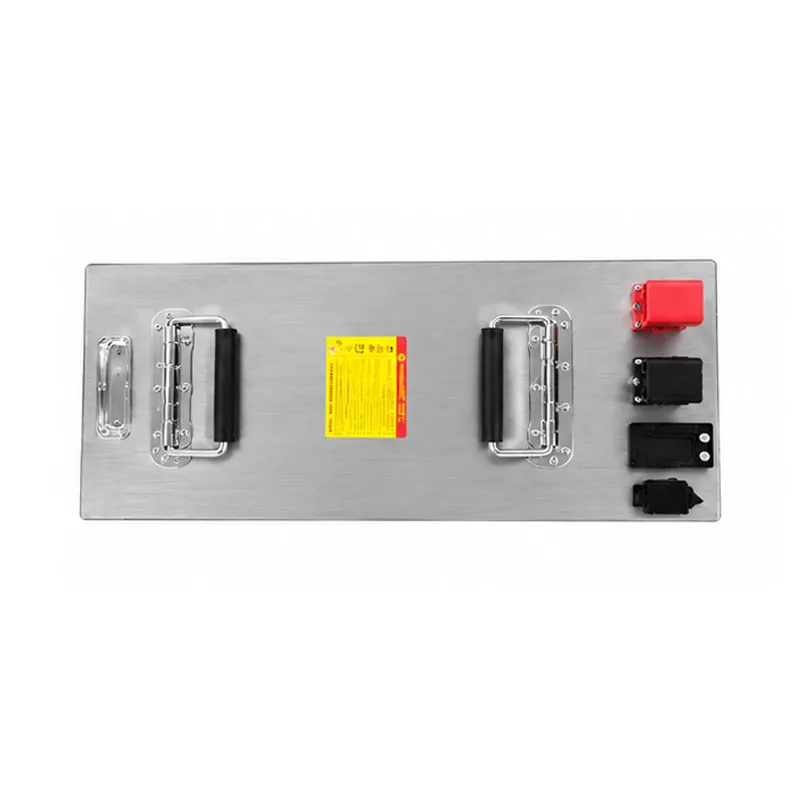
Lithium batteries are increasingly used in commercial and fleet applications because they are lighter, charge faster, last longer, and require much lower routine maintenance. A lithium upgrade, such as a 51.2V 105Ah lithium golf cart battery, may help reduce maintenance work and improve long-term fleet efficiency.

However, no battery lasts forever. Even lithium systems need proper charging, correct installation, BMS protection, and periodic inspection. The goal is not to avoid golf cart battery replacement forever, but to plan it at the right time and choose a battery that reduces total cost over its service life.

Sign One: Your Golf Cart Loses Range Faster Than Before
Reduced driving range is one of the clearest signs that golf cart battery replacement may be needed. If a cart once completed a full day of operation but now needs charging after only a few hours, the battery pack may be losing usable capacity.
This problem often develops slowly. Drivers may begin charging more often, reducing route length, or avoiding longer trips without realizing that the battery is declining. In a commercial fleet, this can reduce cart availability and make daily scheduling harder.
Range loss may be caused by aging cells, sulfation in lead-acid batteries, cell imbalance, repeated deep discharge, poor charging habits, or general battery wear. If range continues to fall even after proper charging and maintenance, replacement is usually more practical than repeated troubleshooting.
For B2B operators, the key question is not only whether the cart still moves. The question is whether the battery still supports the required working range. If it does not, golf cart battery replacement should be planned before downtime becomes frequent.
Sign Two: Charging Takes Longer Than Usual
Healthy batteries should charge within a predictable time range. If a golf cart suddenly takes much longer to charge, the battery pack may no longer be accepting charge efficiently.
Long charging time can be caused by internal resistance, sulfation, aging cells, poor charger matching, or damaged battery components. Sometimes the charger appears to be working, but the battery cannot absorb energy properly.
For businesses, slow charging creates operational problems. A cart that should be ready for the next shift may remain unavailable. If several carts have the same issue, charging stations can become bottlenecks.
Before deciding on golf cart battery replacement, check whether the charger, cables, and connectors are working properly. If the charging system is normal but the battery still charges slowly or fails to reach full capacity, replacement may be the correct solution.
Sign Three: The Golf Cart Feels Sluggish During Operation
A weak battery pack may still show acceptable voltage when the cart is parked, but it may fail under real load. If the golf cart accelerates slowly, struggles on slopes, or feels weak when carrying passengers, the battery may not be delivering enough current.
This is especially common when the cart carries multiple passengers, climbs hills, operates on rough terrain, or uses an aging battery pack with weak cells. The battery may look normal at rest, but once the motor demands power, the voltage drops and the cart feels heavy.
Sluggish operation affects more than comfort. In resorts, campuses, and industrial areas, carts need predictable acceleration and safe movement. A cart that hesitates or loses power can affect service quality and user confidence.
If performance keeps declining, golf cart battery replacement should be considered instead of continuing to operate an unreliable battery pack.
Sign Four: Batteries Require Frequent Water Refills
This sign mainly applies to flooded lead-acid batteries. These batteries require water maintenance, but unusually frequent refilling is not normal. It may indicate overcharging, heat buildup, aging plates, or electrolyte loss.
Frequent watering increases labor cost and maintenance workload. In a fleet, checking and refilling many batteries can become time-consuming. If the batteries keep losing water even after charger settings and maintenance practices are checked, the pack may be near the end of its useful life.
At this point, golf cart battery replacement may be more economical than continuing to spend time on repeated maintenance. Many businesses choose lithium replacement batteries because they require much lower routine maintenance than flooded lead-acid batteries.

Sign Five: Battery Voltage Drops Rapidly Under Load
Voltage drop under load is one of the most important diagnostic signs. A battery may appear normal when fully charged, but if voltage falls sharply during acceleration or hill climbing, the pack is weak.
This problem usually means the battery can no longer support current demand. It may be caused by internal resistance, cell aging, poor connections, sulfation, or imbalance across the battery pack.
For fleet operators, voltage sag is a warning sign that should not be ignored. A cart with unstable voltage may stop unexpectedly, lose power on slopes, or trigger controller protection. If voltage drop becomes severe, golf cart battery replacement is often the safest and most reliable option.
Sign Six: Visible Corrosion Around Battery Terminals
Corrosion around terminals, cables, or connectors can reduce electrical efficiency and create charging problems. It often appears as white, blue, or green residue near the battery terminals.
Some corrosion can be cleaned, especially in lead-acid systems. However, if corrosion returns quickly after cleaning, there may be a deeper problem such as electrolyte leakage, poor sealing, overcharging, or aging battery cases.
Corroded terminals increase resistance. Higher resistance can cause heat, voltage loss, poor charging, and unstable performance. For commercial carts, this can lead to repeated service issues.
If corrosion is severe or keeps returning, inspect the full battery pack. When corrosion is linked to battery leakage or structural damage, golf cart battery replacement should not be delayed.
Sign Seven: Battery Cases Are Swollen, Cracked, or Leaking
Physical damage is one of the clearest signs that a battery should be replaced. Swollen, cracked, or leaking battery cases can indicate internal pressure, overheating, electrolyte leakage, or structural failure.
This is not a minor maintenance issue. A damaged battery can create safety risks, damage nearby components, and affect the entire battery pack.
Warning signs include swollen casing, cracks, liquid leakage, strong odor, deformed terminals, damaged insulation, burn marks, or melted areas. If any of these problems appear, stop using the battery and arrange inspection.
In most cases, golf cart battery replacement is the correct decision. Continuing to use a physically damaged battery is not worth the risk.
Sign Eight: The Batteries Become Excessively Hot
Some warmth during charging or operation can be normal, but excessive heat is a warning sign. Overheating can speed up battery aging, damage internal components, and increase safety risk.
Battery overheating may be caused by overcharging, high current draw, poor ventilation, internal short circuits, aging cells, charger mismatch, or heavy-duty operation beyond the battery’s capability.
In commercial environments, overheating should be taken seriously. A battery that becomes hot repeatedly may be unstable and unreliable. If temperature problems continue after checking the charger, cables, load conditions, and ventilation, golf cart battery replacement should be evaluated.
Lithium batteries with a proper BMS can monitor temperature and provide protection. Lead-acid systems depend more heavily on charger control, maintenance, and regular inspection.
Sign Nine: Frequent Battery-Related Breakdowns
If a golf cart often loses power, fails to start, stops unexpectedly, or needs repeated service for battery-related issues, the battery pack may no longer be dependable.
Frequent breakdowns create hidden costs. They interrupt operations, increase technician workload, reduce vehicle availability, and create frustration for users. For resorts, campuses, and commercial facilities, unreliable carts can affect customer service and staff productivity.
A battery does not need to fail completely before replacement becomes justified. If breakdowns are frequent and battery testing confirms weak performance, golf cart battery replacement can be more cost-effective than repeated temporary repairs.
Sign Ten: The Batteries Have Reached Their Expected Service Life
Every battery has a limited service life. Even if the cart still works, older batteries usually deliver less range, weaker load performance, longer charging time, and lower efficiency.
Expected service life depends on battery chemistry, usage intensity, charging habits, maintenance quality, temperature, and operating conditions. Lead-acid batteries often need replacement sooner than lithium batteries, especially in frequent-use fleets. Lithium batteries usually last longer, but they still require correct charging, system matching, and BMS protection.
For commercial buyers, replacement should be planned before sudden failure. Scheduled golf cart battery replacement helps control budgets, reduce emergency maintenance, and keep fleet operations stable.
Lead-Acid vs Lithium Replacement: Which Option Makes More Sense?

When replacing golf cart batteries, many businesses ask whether they should stay with lead-acid or upgrade to lithium. The best choice depends on budget, usage frequency, charging schedule, terrain, and long-term operating goals.
| Factor | Lead-Acid Replacement | Lithium Replacement |
|---|---|---|
| Upfront Cost | Lower | Higher |
| Maintenance | Requires watering and regular checks | Much lower routine maintenance |
| Weight | Heavier | Lighter |
| Charging Speed | Slower | Faster |
| Cycle Life | Shorter | Longer |
| Best For | Low-use carts, budget-sensitive replacement | Resorts, campuses, fleets, frequent-use carts |
For light occasional use, lead-acid replacement may still be acceptable. For high-use commercial carts, lithium can be a better long-term investment because it reduces maintenance, charging time, and replacement frequency.
Before choosing a lithium option, confirm voltage compatibility, charger compatibility, battery size, mounting method, connector design, controller requirements, and warranty terms.
What Should B2B Buyers Check Before Golf Cart Battery Replacement?
Before placing a replacement order, fleet managers should evaluate both the current battery condition and future operating requirements. This helps avoid wrong voltage, wrong size, poor charger matching, and unnecessary after-sales issues.

Start with the cart’s electrical system. Confirm whether the cart uses 36V, 48V, 51.2V, 72V, or another voltage platform. Then check the cart model, controller compatibility, motor power, battery compartment size, and mounting method.
Next, review the real duty cycle. A cart used for light golf course transport does not need the same battery configuration as a cart used all day in a resort, campus, airport, or industrial site. Daily distance, operating hours, passenger load, terrain, and charging window should all be considered.
Charging compatibility is also important. The replacement battery should match the charger voltage, current, connector, and charging profile. For lithium replacement, a matched charger is strongly recommended.
Finally, check the supplier’s documentation and support. A reliable supplier should provide battery specifications, warranty terms, user instructions, shipping documents, and technical guidance. For B2B fleets, after-sales response matters because battery issues can affect multiple vehicles at the same time.
How Can Businesses Reduce Golf Cart Battery Replacement Costs?
Businesses can reduce golf cart battery replacement costs by managing batteries properly and choosing the right replacement strategy.
Useful practices include using a compatible charger, avoiding frequent deep discharge, keeping terminals clean, maintaining proper water levels for flooded lead-acid batteries, avoiding overloaded carts, storing carts in suitable temperature conditions, and tracking range and charging time.
Regular inspection is also important. When fleet managers monitor battery performance, they can identify declining batteries before they cause emergency downtime. Scheduled replacement is usually easier to manage than sudden failure.
For B2B operators, cost reduction is not only about buying the cheapest battery. A cheap battery that fails early can increase total cost. A higher-quality battery may reduce downtime, maintenance labor, and replacement frequency.
The best golf cart battery replacement strategy should consider both purchase price and long-term operating cost.
FAQ About Golf Cart Battery Replacement
1.How long should a golf cart battery last?
Golf cart battery life depends on battery type, usage habits, maintenance, charging method, temperature, and load conditions. Lead-acid batteries often have a shorter service life, while lithium batteries can usually last longer under proper use. For commercial fleets, actual service life should be evaluated based on real operating conditions.
2.How do I know if my golf cart battery needs replacement instead of repair?
Replacement is usually needed when the battery has physical damage, cannot hold voltage under load, loses range severely, overheats repeatedly, charges abnormally, or has reached the end of its expected service life. Minor cable or terminal issues may be repairable, but internal battery degradation usually requires replacement.
3.Can one bad battery affect the entire battery pack?
Yes. In a series-connected battery pack, one weak battery can reduce the performance of the entire system. It can cause voltage imbalance, reduced capacity, weak acceleration, charging problems, and early failure of other batteries. This is why testing the full pack is important before golf cart battery replacement.
4.What is the best time to replace golf cart batteries?
The best time is before complete failure. If the cart has obvious range loss, slow charging, voltage drop under load, overheating, or repeated breakdowns, replacement should be planned. For fleets, scheduled replacement is usually better than emergency replacement.
5.Should businesses replace lead-acid golf cart batteries with lithium batteries?
For frequent-use carts, lithium replacement can be a strong option. Lithium batteries are lighter, charge faster, last longer, and require much lower routine maintenance than lead-acid batteries. However, businesses should confirm system voltage, charger compatibility, battery size, connector design, and supplier support before upgrading.
6.How can businesses reduce golf cart battery replacement costs?
Businesses can reduce costs by using proper chargers, avoiding deep discharge, maintaining lead-acid batteries correctly, monitoring performance, replacing batteries before failure, and choosing battery systems that match the real duty cycle. For high-use fleets, lithium batteries may lower long-term cost even if the upfront price is higher.
7.Can I replace only one bad golf cart battery?
Sometimes one battery can be replaced, but it depends on the condition and age of the full pack. Mixing a new battery with older weak batteries can create imbalance and reduce performance. For commercial fleets, testing the full pack before replacement is the safer approach.
Conclusion
Golf cart battery replacement should be based on real performance, not guesswork. If the cart loses range, charges slowly, feels weak, overheats, shows corrosion, suffers voltage drops, or has damaged battery cases, the battery pack should be inspected quickly.
For businesses, the best replacement plan should consider battery chemistry, voltage, capacity, charger compatibility, cart workload, terrain, maintenance cost, and supplier support. The right battery can improve uptime, reduce service pressure, and lower long-term operating costs.
A well-timed golf cart battery replacement is not just a repair decision. It is a practical way to protect fleet reliability, improve user experience, and keep daily operations running smoothly.