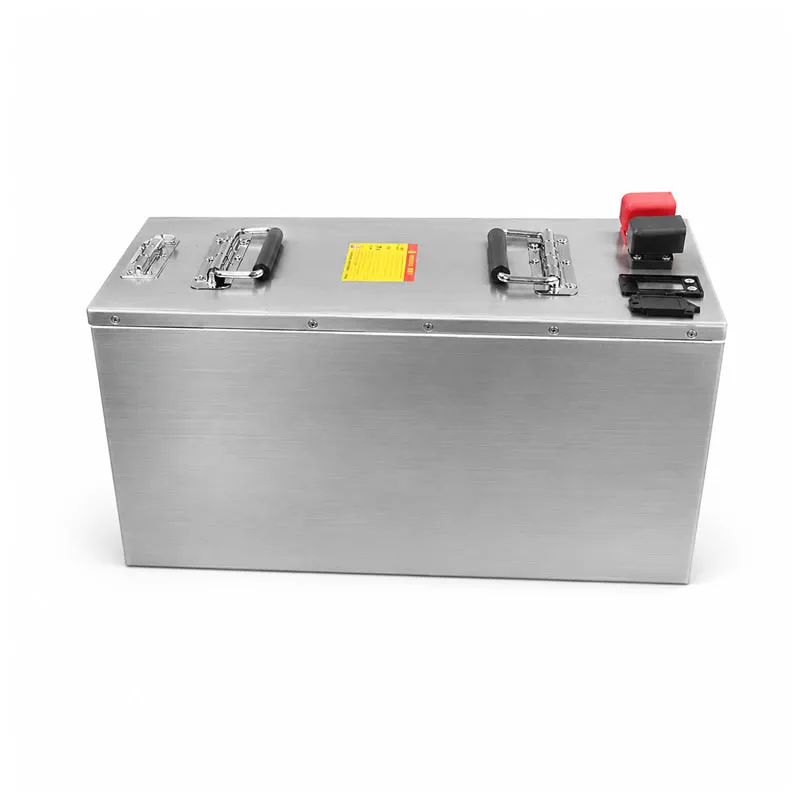
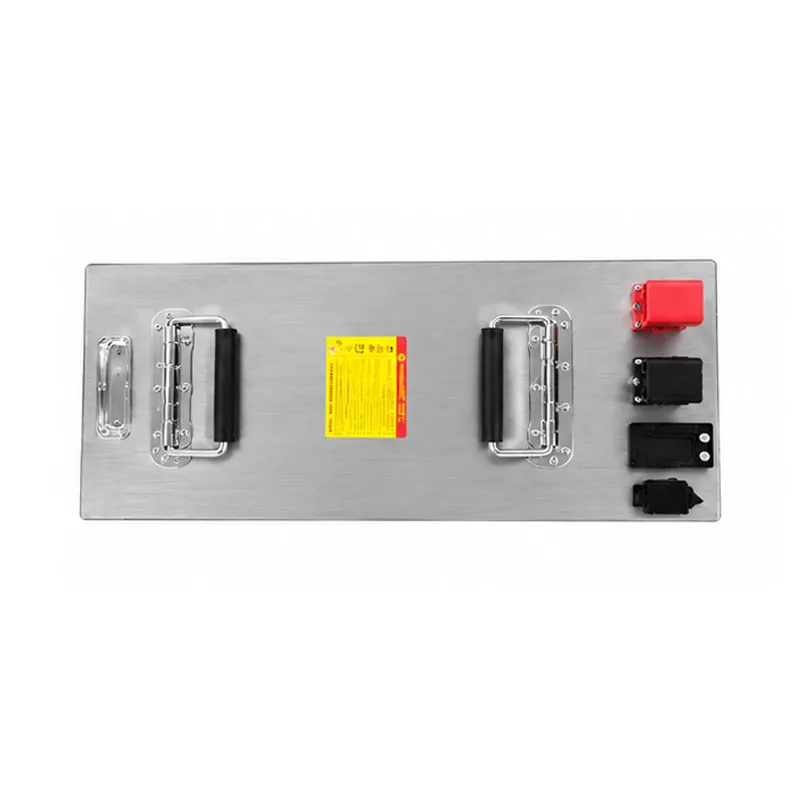
Choosing the right electric motorcycle battery is one of the most important decisions for motorcycle manufacturers, fleet operators, distributors, and battery replacement projects. A battery does not only affect how far an electric motorcycle can travel. It also influences safety, acceleration, charging time, service life, maintenance cost, and the overall riding experience.
Many buyers compare batteries only by voltage and amp-hour capacity, but this is not enough. A suitable lithium battery should match the motor power, controller requirements, vehicle structure, charging system, operating environment, and long-term usage needs. For B2B buyers, the right battery also needs stable quality, flexible customization, reliable BMS protection, and consistent supply.
This guide explains how to choose the right electric motorcycle battery and what key factors should be checked before placing an order.
Why Is the Electric Motorcycle Battery So Important?
The electric motorcycle battery is the core power source of the vehicle. It stores energy, delivers current to the motor, and supports daily operation under different road, load, and temperature conditions.
A well-matched battery can help improve:
- Riding range
- Power output
- Acceleration performance
- Charging efficiency
- Battery lifespan
- Vehicle safety
- User satisfaction
- Long-term operating cost
A poorly matched battery may cause short range, weak climbing performance, overheating, unstable discharge, slow charging, or early capacity loss. In serious cases, it may also create safety risks.
For manufacturers and distributors, battery performance directly affects customer feedback and after-sales pressure. That is why choosing the right electric motorcycle battery should be treated as a system-level decision, not just a simple price comparison.
What Voltage Should You Choose for an Electric Motorcycle Battery?
Voltage is one of the first specifications to check. It determines whether the battery can match the motor, controller, charger, and overall vehicle design.

Common electric motorcycle battery voltages include:
- 48V
- 60V
- 64V
- 72V
- 6V
- Higher customized voltage platforms
A 48V battery is often used for light electric motorcycles, city commuting models, and lower-speed applications. It is suitable for vehicles that focus on daily short-distance travel, moderate power output, and cost control.
A 60V or 64V battery is commonly used for mid-range electric motorcycles. It can provide stronger power than a 48V system and is suitable for urban commuting, delivery use, and higher load requirements.
A 72V or 73.6V electric motorcycle battery is usually selected for higher-power models. It is more suitable for vehicles that require better acceleration, higher speed, stronger climbing ability, or heavier load capacity.
When choosing voltage, buyers should not make the decision based only on what looks more powerful. The battery voltage must match the motor and controller. If the voltage is not compatible, the vehicle may not operate correctly, or the electrical system may be damaged.
Before ordering, confirm these points:
- Motor rated voltage
- Controller voltage range
- Charger voltage
- Maximum discharge current
- Vehicle power requirement
- Wiring and connector compatibility
For OEM or ODM projects, it is better to confirm the full electrical system before finalizing the battery design.
How Much Capacity Does an Electric Motorcycle Battery Need?
Capacity is usually measured in amp-hours, such as 30Ah, 40Ah, 50Ah, or 60Ah. In simple terms, a higher capacity battery can usually store more energy and support longer riding range.

However, capacity should not be judged alone. The more important value is energy, which is calculated by voltage multiplied by capacity.
For example:
- 60V 30Ah = 1,800Wh
- 72V 30Ah = 2,160Wh
- 72V 40Ah = 2,880Wh
This means two batteries with the same Ah rating can have different energy levels if their voltages are different.
The required capacity depends on several factors:
- Expected riding range
- Vehicle weight
- Rider weight
- Cargo load
- Motor power
- Speed level
- Road conditions
- Climbing frequency
- Temperature
- Stop-and-go riding habits
For city commuting, a moderate-capacity electric motorcycle battery may be enough. For delivery motorcycles, shared mobility, commercial operation, or long-distance use, a larger capacity battery is usually more suitable.
B2B buyers should also consider how frequently the vehicle is used each day. A personal commuter may only need one charging cycle every one or two days, while a delivery motorcycle may require longer daily working hours and more stable discharge performance.
Which Lithium Chemistry Is Suitable for Electric Motorcycles?
Lithium batteries are not all the same. Different lithium chemistries have different advantages in energy density, safety, cycle life, discharge performance, and cost.
For electric motorcycles, common lithium battery options include lithium-ion battery packs and LiFePO4 battery packs.
Lithium-ion batteries are often selected when the vehicle requires higher energy density and a more compact battery structure. They can help reduce battery size and weight while maintaining good range performance.
LiFePO4 batteries are widely recognized for safety, thermal stability, and long cycle life. For electric motorcycle applications that focus on durability, safety, and long-term use, LiFePO4 can be a strong option.
When choosing battery chemistry, buyers should consider:
- Safety requirements
- Space limitations
- Weight requirements
- Expected cycle life
- Cost target
- Charging method
- Operating temperature
- Application scenario
There is no single best battery chemistry for every electric motorcycle. The right choice depends on the vehicle positioning and usage scenario.
For example, a lightweight city model may care more about compact size and weight. A commercial delivery motorcycle may care more about cycle life, reliability, and daily operating cost. A high-power motorcycle may need stronger discharge performance and better thermal management.
Why Is the BMS Important for an Electric Motorcycle Battery?
The BMS, or Battery Management System, is one of the most important parts of an electric motorcycle battery. It monitors and protects the battery during charging, discharging, and daily operation.

A good BMS can support protection functions such as:
- Overcharge protection
- Over-discharge protection
- Overcurrent protection
- Short-circuit protection
- Overtemperature protection
- Low-temperature protection
- Cell balancing
- Communication functions
Without reliable BMS protection, the battery may face higher risks during long-term use. This is especially important for electric motorcycles because they often operate in outdoor environments with vibration, temperature changes, and different riding conditions.
For B2B buyers, BMS quality should not be ignored. A low-cost battery with weak BMS protection may look attractive at first, but it can lead to higher after-sales problems later.
When evaluating an electric motorcycle battery supplier, ask whether the BMS can be customized according to the vehicle system. Some projects may need communication protocols, data monitoring, GPS integration, anti-theft functions, or smart battery management features.
A stable BMS helps improve safety, performance consistency, and long-term reliability.
What Discharge Current Should You Check Before Buying?
Discharge current affects the battery’s ability to provide power to the motor. If the discharge current is too low, the motorcycle may feel weak during acceleration, climbing, or heavy-load operation.
There are two current values buyers should check:
- Continuous discharge current
- Peak discharge current
Continuous discharge current refers to the current the battery can provide steadily during normal operation. Peak discharge current refers to the short-term current the battery can provide during acceleration or climbing.
For high-power electric motorcycles, discharge performance is especially important. A battery with insufficient discharge capability may cause voltage drop, overheating, power limitation, or unstable riding performance.
Before confirming the battery, buyers should check:
- Motor rated power
- Motor peak power
- Controller current limit
- Required acceleration performance
- Climbing requirements
- Vehicle load condition
A good supplier should be able to match the battery cell, BMS, and pack structure based on the vehicle’s power system. This is more reliable than selecting a battery only by voltage and capacity.
How Does Battery Size and Structure Affect Installation?
An electric motorcycle battery must fit the vehicle’s battery compartment. Even if the voltage and capacity are correct, the battery may not be usable if the size, shape, connector, or mounting method does not match the vehicle.
Before ordering, buyers should confirm:
- Battery compartment dimensions
- Maximum available space
- Weight limit
- Installation direction
- Connector type
- Cable length
- Mounting structure
- Waterproof design
- Anti-vibration requirements
For electric motorcycle manufacturers, battery structure design is part of vehicle development. For replacement projects, the battery should match the original installation space as closely as possible.
Custom battery packs are often required when the vehicle has special space limitations. A professional electric motorcycle battery supplier should be able to support customized dimensions, casing design, connector position, and output cable layout.
Good structural design can make installation easier and reduce the risk of poor contact, cable stress, or movement during riding.
What Charging Requirements Should You Consider?
Charging is another key factor when choosing an electric motorcycle battery. The battery and charger must be compatible in voltage, current, connector, and charging logic.
Buyers should check:
- Charger output voltage
- Charging current
- Charging time target
- Connector type
- Communication requirement
- Charging environment
- Safety protection
Fast charging may be useful for commercial applications, such as delivery motorcycles or fleet operation. However, fast charging also places higher requirements on battery cells, BMS, thermal design, and charger quality.
For long battery life, charging should be stable and controlled. Using an unsuitable charger can damage the battery or reduce its lifespan.
For B2B projects, it is better to match the battery and charger as a complete system. This helps reduce compatibility problems and provides a more stable user experience.
How Important Is Waterproof and Vibration Resistance?
Electric motorcycles are often used outdoors. They may face rain, road dust, vibration, bumps, and temperature changes. Therefore, battery durability is very important.
A suitable electric motorcycle battery should consider:
- Waterproof protection
- Dust resistance
- Anti-vibration design
- Strong casing structure
- Secure internal fixing
- Reliable connectors
- Heat dissipation
- Stable sealing
For urban commuting, basic waterproof and structural protection may be enough. For delivery, rural roads, heavy use, or commercial fleets, stronger durability is recommended.
Battery casing material and pack assembly quality also matter. A weak structure may lead to loose components, poor sealing, or connection problems after long-term use.
When comparing suppliers, buyers should not only ask about cell brand and capacity. They should also check the pack design, production process, testing standards, and quality control methods.
How Can You Estimate the Riding Range?
Riding range is one of the most common concerns for electric motorcycle buyers. However, range is affected by many factors, so it is not accurate to judge only by battery capacity.
Key factors include:
- Battery energy
- Motor power
- Riding speed
- Rider weight
- Vehicle weight
- Road slope
- Tire condition
- Temperature
- Wind resistance
- Start-stop frequency
- Load weight
A larger battery usually provides longer range, but real-world performance may vary. For example, riding at high speed consumes more energy than low-speed city riding. Carrying cargo or climbing hills also increases energy consumption.
For B2B buyers, it is better to define a target scenario before choosing the battery. For example:
- Daily commuting range
- Delivery route distance
- Average load
- Road conditions
- Required operating hours
- Charging frequency
Once the usage scenario is clear, the supplier can recommend a more suitable battery voltage, capacity, and discharge configuration.
What Safety Features Should B2B Buyers Pay Attention To?
Safety is a major factor in electric motorcycle battery selection. A high-quality battery should be designed with multiple layers of protection, from cells to BMS to pack structure.
Important safety features include:
- Stable lithium cells
- Reliable BMS protection
- Cell balancing
- Temperature monitoring
- Overcurrent protection
- Short-circuit protection
- Strong casing
- Good insulation design
- Proper connector selection
- Quality testing before shipment
For commercial buyers, safety is also linked to brand reputation. Battery failure can affect customer trust and increase after-sales costs.
Before choosing a supplier, buyers should ask about the testing process. Common tests may include capacity testing, aging testing, charge-discharge testing, insulation testing, vibration-related checks, and appearance inspection.
A supplier with strict quality control is usually more suitable for long-term cooperation than a supplier that only competes on low price.
What Should You Ask an Electric Motorcycle Battery Supplier?
When choosing an electric motorcycle battery supplier, B2B buyers should ask more than just the unit price.
Useful questions include:
- Can the battery voltage and capacity be customized?
- What lithium chemistry is used?
- What BMS protection functions are included?
- Can the BMS support communication?
- What is the continuous and peak discharge current?
- What charger is recommended?
- Can the battery size and casing be customized?
- What connector options are available?
- What testing is done before shipment?
- Can the supplier support OEM or ODM projects?
- What is the expected cycle life?
- What after-sales support is available?
These questions help buyers compare suppliers more professionally. They also reduce the risk of receiving a battery that looks suitable on paper but does not match the actual vehicle system.
For electric motorcycle manufacturers, a supplier with engineering support is more valuable than a basic battery seller. A good supplier can help optimize the battery pack according to motor power, controller parameters, vehicle space, and market requirements.
What Mistakes Should You Avoid When Choosing an Electric Motorcycle Battery?
Many battery selection problems come from focusing only on price or single specifications. To avoid problems, buyers should pay attention to these common mistakes.
The first mistake is comparing only Ah capacity. Ah does not show the full energy level unless voltage is also considered. A 30Ah battery at different voltages will have different watt-hour energy.
The second mistake is ignoring discharge current. A battery may have enough capacity but still fail to provide enough power for acceleration or climbing.
The third mistake is using an unsuitable charger. Charger mismatch can reduce battery life or create safety risks.
The fourth mistake is ignoring battery size. Even a technically correct battery cannot be used if it does not fit the vehicle structure.
The fifth mistake is choosing a battery without reliable BMS protection. BMS quality directly affects safety and long-term stability.
The sixth mistake is buying only based on low price. A very cheap electric motorcycle battery may use lower-grade cells, weak BMS design, poor assembly, or limited testing. This can increase failure risk and after-sales cost.
A better approach is to evaluate the battery as a complete power solution, including cells, BMS, structure, charger, testing, and supplier support.
How Can Custom Electric Motorcycle Batteries Support Different Projects?
Different electric motorcycle projects often require different battery designs. A standard battery may not always meet the needs of OEMs, distributors, and vehicle manufacturers.
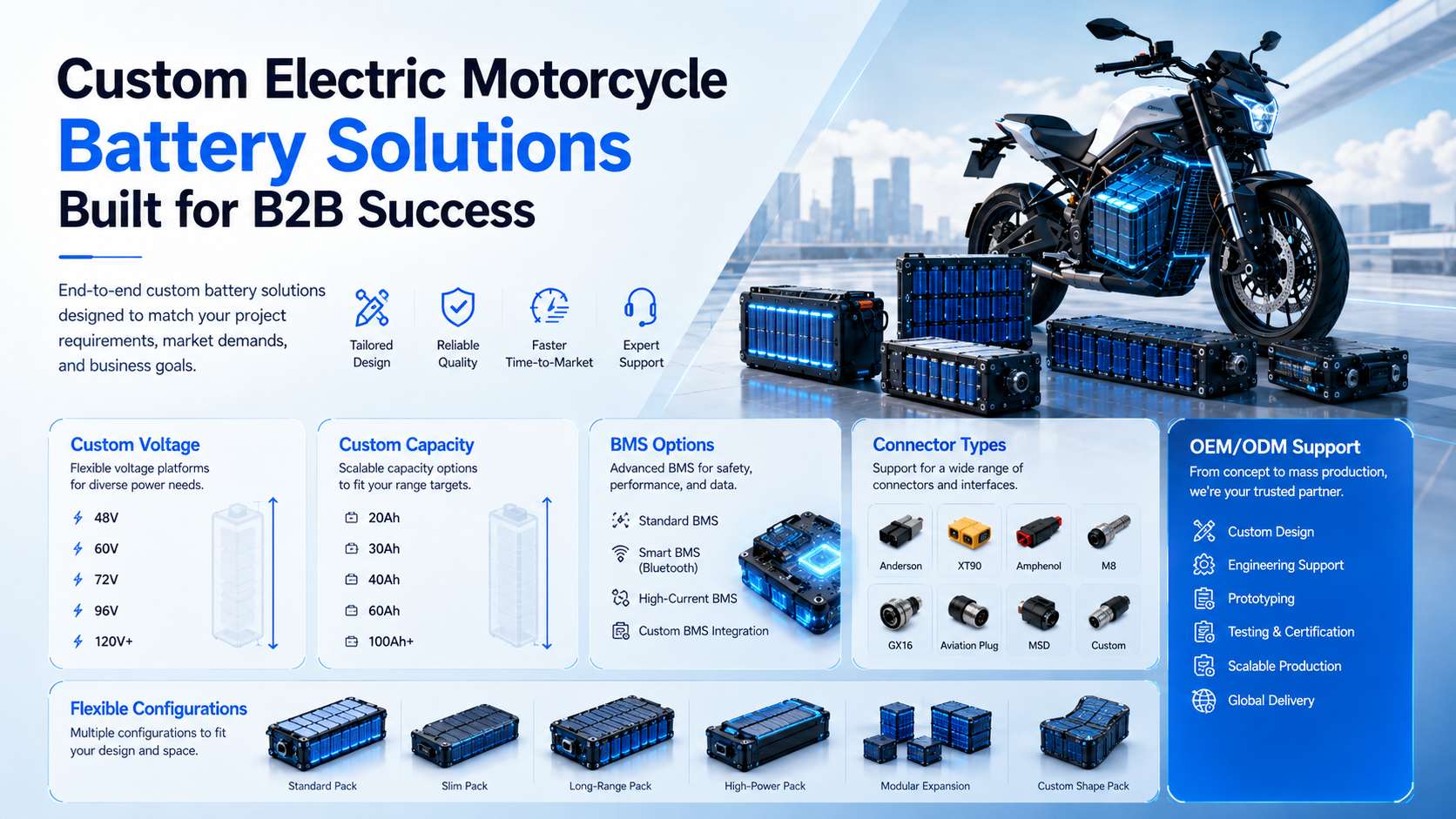
Custom battery packs can support adjustments in:
- Voltage
- Capacity
- Battery dimensions
- Casing structure
- Connector type
- Cable length
- Communication protocol
- Discharge current
- Charging method
- Waterproof design
- Mounting method
- Label and branding
For example, a delivery motorcycle may need long cycle life and stable daily performance. A high-power motorcycle may need stronger discharge current. A compact city motorcycle may require a smaller and lighter battery structure. A fleet project may need smart monitoring and communication functions.
Customization helps the battery match the real application instead of forcing the vehicle to adapt to a standard pack.
For B2B buyers, working with a supplier that supports customization can make product development easier and reduce compatibility issues.
Why Is Supplier Experience Important?
The quality of an electric motorcycle battery depends not only on the cells but also on pack design, BMS matching, production control, testing, and engineering experience.
An experienced supplier can help buyers avoid common design and compatibility problems. This is especially important for vehicle manufacturers, distributors, and fleet projects that need stable long-term supply.
A reliable supplier should be able to provide:
- Battery solution consultation
- Voltage and capacity matching
- BMS configuration support
- Structural design support
- Charger matching advice
- OEM and ODM customization
- Quality control process
- Stable production capacity
- Technical communication
For B2B projects, the lowest price is not always the best choice. A battery with better reliability, longer life, and fewer after-sales issues can create more value over time.
What Is the Best Electric Motorcycle Battery for Your Project?
The best electric motorcycle battery is not always the highest voltage, largest capacity, or lowest price option. The best choice is the battery that matches the vehicle system, riding scenario, safety requirements, installation space, and long-term business goals.
Before making a decision, buyers should clearly define:
- What type of electric motorcycle is being powered?
- What range is required?
- What motor and controller are used?
- What voltage platform is suitable?
- How much capacity is needed?
- What discharge current is required?
- What battery size can fit the vehicle?
- What charger will be used?
- What safety protections are necessary?
- Is customization required?
Once these questions are clear, it becomes much easier to choose the right battery solution.
For manufacturers, distributors, and fleet operators, a high-quality electric motorcycle battery can improve vehicle performance, reduce maintenance pressure, and create a better user experience. Choosing the right supplier is just as important as choosing the right battery specification.
Febatt provides lithium battery solutions for electric motorcycle applications, including customized voltage, capacity, BMS, casing, connector, and charging requirements. For OEM, ODM, and B2B battery projects, a tailored battery solution can help match different vehicle platforms and market needs more effectively.
FAQ About Electric Motorcycle Battery Selection
What is the most common voltage for an electric motorcycle battery?
Common electric motorcycle battery voltages include 48V, 60V, 64V, 72V, and 73.6V. The right voltage depends on the motor, controller, vehicle speed, power requirement, and application scenario.
Is a higher Ah electric motorcycle battery always better?
Not always. A higher Ah battery usually stores more energy, but buyers should also consider voltage, watt-hour energy, discharge current, battery size, weight, and system compatibility.
Can I replace a lead-acid battery with a lithium battery in an electric motorcycle?
In many cases, lead-acid batteries can be replaced with lithium batteries, but the voltage, charger, controller, space, connector, and BMS protection must be checked before replacement.
How long does an electric motorcycle battery last?
Battery lifespan depends on lithium chemistry, cell quality, BMS protection, charging habits, discharge depth, temperature, and usage frequency. A high-quality lithium battery can usually provide better cycle life than traditional lead-acid batteries.
What is the role of the BMS in an electric motorcycle battery?
The BMS protects the battery from overcharge, over-discharge, overcurrent, short circuit, temperature problems, and cell imbalance. It helps improve battery safety and stability.
Can electric motorcycle batteries be customized?
Yes. Electric motorcycle batteries can often be customized by voltage, capacity, size, casing, connector, discharge current, BMS function, communication protocol, and charging method.
What should B2B buyers check before ordering electric motorcycle batteries?
B2B buyers should check voltage, capacity, chemistry, BMS protection, discharge current, charger compatibility, battery size, waterproof design, testing process, customization ability, and supplier experience.