As electricity prices fluctuate and power reliability becomes more important, many homeowners are looking for a better way to manage daily energy use. Home Battery Storage gives households the ability to store electricity and use it later for backup power, solar self-consumption, or peak-hour energy savings.
Choosing the right system is not only about buying the largest battery. A good Home Battery Storage solution should match your household load, solar system, inverter, safety requirements, installation environment, and future expansion plan. If the battery is too small, it may not support essential appliances during outages. If it is too large, the investment may take longer to recover.
In this comprehensive guide, we will explore everything you need to know about Home Battery Storage, from the different types available to practical considerations for selecting the right system for your property.

What Is Home Energy Storage Battery?
Home Battery Storage is a residential energy system that stores electricity for later use. It can be charged by solar panels, the utility grid, or a hybrid energy system. When electricity demand rises, grid power fails, or solar generation stops at night, the battery can discharge stored energy to support household appliances.
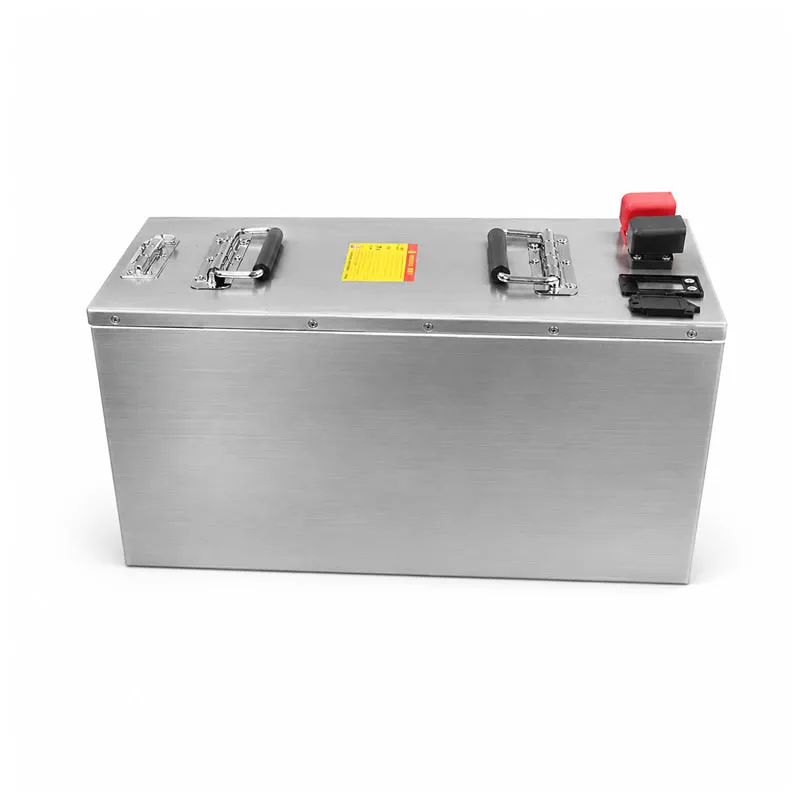
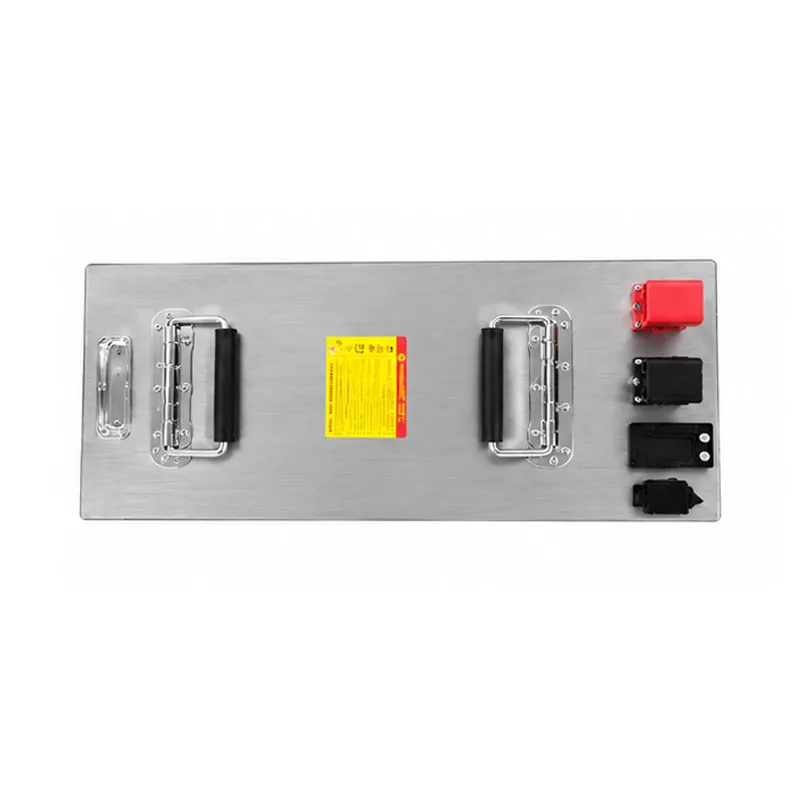
A typical home battery system usually includes three core parts. The battery module stores electricity. The Battery Management System, or BMS, monitors voltage, current, temperature, charging, and discharging. The inverter converts DC power from the battery into AC power for household use.
For homes with solar panels, Home Battery Storage can store excess daytime solar energy and use it in the evening. For homes without solar, it can charge during off-peak tariff periods and discharge when electricity rates are higher. In both cases, the goal is to improve energy flexibility, reduce dependence on the grid, and provide backup power when needed.
Why Is Home Battery Storage Becoming More Important?
The demand for Home Battery Storage is growing because households are facing higher energy costs, unstable grids, and increasing use of renewable energy. A battery system helps homeowners turn electricity from a one-time-use resource into a controllable energy reserve.
The first major benefit is backup power. During blackouts, a battery can support essential loads such as lights, routers, refrigerators, medical devices, and security systems. This is especially valuable in areas with frequent grid interruptions.
The second benefit is better solar energy utilization. Without a battery, excess solar power may be sent back to the grid, sometimes at a low return rate. With Home Battery Storage, more of that energy can be used inside the home.
The third benefit is cost control. In regions with time-of-use electricity pricing, a battery can charge when rates are low and discharge when rates are high. Over time, this can reduce electricity bills and improve the value of a solar energy system.
What Are the Main Types of Home Battery Storage?
Different battery chemistries affect safety, lifespan, cost, usable capacity, and maintenance. Before choosing a Home Battery Storage system, it is important to understand the main options.

Lithium-ion batteries are widely used in residential energy systems because they offer high energy density, good efficiency, and compact installation. Some lithium-ion systems use NMC chemistry, which provides high energy density but requires strong thermal and electronic protection.
Lithium iron phosphate, also known as LiFePO4 or LFP, is now one of the most popular choices for residential energy storage. LFP batteries are known for thermal stability, long cycle life, and strong safety performance. For homeowners who want a reliable long-term system, LFP Home Battery Storage is often a practical choice.
Lead-acid batteries are an older option. They usually have a lower upfront cost, but they offer shorter cycle life, lower usable capacity, and higher maintenance needs. For frequent daily cycling, lead-acid systems are usually less suitable than lithium-based systems.
Flow batteries and sodium-ion batteries are emerging technologies. They may offer advantages in scalability or material availability, but they are not yet as common in residential installations as lithium-based systems.
How Do You Choose the Right Battery Capacity?
Capacity is one of the most important factors when selecting Home Battery Storage. Battery capacity is measured in kilowatt-hours, or kWh. This number shows how much energy the battery can store and deliver.
For basic backup power, many homes may only need 5–10 kWh to support essential appliances such as lighting, internet, a refrigerator, and small electronics. For solar self-consumption, 10–15 kWh is often a more practical range because it can store daytime solar power for evening use. For whole-home backup, especially where air conditioning, heating, or large appliances are involved, 20–30 kWh or more may be required.
A simple way to estimate capacity is to list the appliances you want to support, check their wattage, and multiply by the number of hours you need them to run. For example, if critical loads require 1,000 watts and you want 10 hours of backup, you need about 10 kWh of usable energy. It is also important to consider depth of discharge and inverter efficiency, because not all rated battery capacity is fully usable.
The right Home Battery Storage capacity should be based on real usage, not guesswork. Reviewing monthly electricity bills, solar production data, and outage requirements can help create a more accurate system design.
Which Battery Chemistry Is Best for Home Use?

For most residential applications, LFP is one of the strongest choices because it balances safety, cycle life, and long-term value. Compared with traditional lead-acid batteries, LFP batteries usually offer deeper usable capacity, faster charging, longer lifespan, and less maintenance.
NMC lithium batteries may provide higher energy density, which can be useful where space is limited. However, thermal management is a key consideration. A high-quality battery system should include reliable BMS protection, temperature monitoring, and safe installation design.
Lead-acid systems may still be used for low-budget backup applications, but they are not ideal for daily solar cycling. Their shorter lifespan and lower depth of discharge can increase the long-term cost.
When comparing Home Battery Storage options, do not only compare the purchase price. Compare usable capacity, cycle life, safety performance, warranty terms, and expected cost per cycle. A cheaper battery may become more expensive over time if it needs replacement sooner.
What Factors Should Influence Your Choice of Home Battery Storage?
Selection must be guided by a multidimensional evaluation framework rather than singular cost comparison.
Cycle Life and Degradation Profile
Cycle life refers to how many charge and discharge cycles a battery can complete before its capacity drops to a certain level. For a Home Battery Storage system that charges and discharges every day, cycle life directly affects long-term value.
Depth of discharge, or DoD, means how much of the battery capacity can be used during each cycle. A battery with a higher DoD allows homeowners to use more stored energy without damaging the system. For example, a 10 kWh battery with 90% usable DoD provides about 9 kWh of usable energy.
Cycle life and DoD should be checked together. A battery may look large on paper, but if the usable capacity is limited, the real backup time may be lower than expected. LFP batteries usually perform well in both cycle life and DoD, which is one reason they are widely used in residential energy storage.
Depth of Discharge (DoD)
A higher DoD allows greater usable capacity per cycle, improving effective energy utilization.
Round-Trip Efficiency
Round-trip efficiency shows how much electricity remains after charging and discharging. If a battery has 95% round-trip efficiency, about 95% of the stored electricity can be used, while around 5% is lost during conversion and operation.
Higher efficiency is important because it improves both energy savings and solar utilization. In daily operation, even small efficiency differences can affect long-term performance. This is especially true for homes that cycle the battery every day.
A good Home Battery Storage system should combine high battery efficiency with a compatible inverter. Poor inverter matching can reduce system performance, even if the battery itself is high quality.
Compatibility with Existing Infrastructure
Compatibility is a critical step before installing Home Battery Storage. Not every battery works with every inverter, and not every solar system is ready for battery integration.
There are two common integration methods. DC-coupled systems connect the battery on the DC side of the solar system and are often used in new installations. AC-coupled systems connect the battery on the AC side and are often used when adding a battery to an existing solar setup.
Before choosing a battery, homeowners should confirm the inverter voltage range, communication protocol, charging current, discharge current, and backup output capability. It is also important to check whether the system can support off-grid operation during an outage. Some solar systems shut down when the grid fails unless they are paired with the correct backup equipment.
What Safety Features Should a Home Battery Have?
Safety should be a top priority for any Home Battery Storage system. A reliable system should include a strong BMS that protects against overcharge, over-discharge, overcurrent, short circuit, overheating, and cell imbalance.
Battery chemistry also matters. LFP batteries are widely used in home energy storage because of their thermal stability and long cycle life. However, safe installation is still essential. The battery should be installed in a suitable environment with proper ventilation, temperature control, and protection from water exposure or physical damage.
Homeowners should also check whether the product follows relevant electrical and battery safety standards for the target market. For B2B buyers, installers, and distributors, safety documentation and test reports are important for reducing project risk and improving customer trust.
Can Home Battery Storage Reduce Electricity Bills?
Home Battery Storage can reduce electricity bills in the right conditions, especially when combined with solar panels or time-of-use electricity pricing. The savings depend on electricity rates, solar generation, battery size, usage patterns, and local policies.
For solar homes, the battery stores excess daytime electricity and uses it later in the evening. This reduces the need to buy electricity from the grid after sunset. For homes with time-of-use tariffs, the battery can charge during cheaper periods and discharge during expensive peak periods.
However, savings should be calculated realistically. A battery is not automatically profitable in every home. The best results usually come from matching battery capacity to daily usage, avoiding oversizing, and using smart energy management to control charge and discharge timing.
What Common Mistakes Should You Avoid?
One common mistake is choosing capacity based only on price. A low-cost battery may not provide enough usable energy or may have a shorter service life.
Another mistake is ignoring inverter compatibility. Even a high-quality battery can perform poorly if it cannot communicate properly with the inverter or energy management system.
Some homeowners also forget to separate essential loads from whole-house loads. Running a refrigerator, router, and lights requires much less energy than running air conditioning, electric heating, or large kitchen appliances.
A fourth mistake is overlooking future expansion. If electricity demand may increase later, choose a modular Home Battery Storage system that can add more capacity when needed.
Finally, do not ignore installation environment. Temperature, humidity, ventilation, and available space can all affect battery performance and lifespan.
Frequently Asked Questions About Home Storage Batteries
1.How much energy storage do I need for my home?
Most homes need 4–10 kWh for essential backup, 10–15 kWh for solar self-consumption, and 20–30 kWh or more for whole-home backup. The right size depends on appliance load, backup time, solar generation, and daily electricity use.
2.What is the lifespan of a home battery?
Many lithium-based home batteries last about 10–15 years, depending on chemistry, cycle frequency, depth of discharge, temperature, and maintenance conditions. LFP batteries usually offer strong long-term cycle performance.
3.Can I add a battery to my existing solar panel system?
Yes, most modern systems support retrofit integration via AC-coupled configurations, provided inverter compatibility is ensured.
4.Is a Smart Battery System Worth the Extra Cost?
In many cases, yes, if you want real-time monitoring, automated energy management, and optimal efficiency. The additional cost is often offset by reduced energy bills and enhanced system performance.
5.Can I Expand My Battery System in the Future?
Many modern systems support modular expansion. However, expansion depends on inverter capacity, battery model, communication design, and installation space. It is better to plan expansion before the first installation.
X.Conclusion
Before choosing a Home Battery Storage system, confirm your daily electricity use, critical backup loads, required backup time, solar production, inverter compatibility, usable capacity, cycle life, safety protection, installation environment, and expansion needs.
The best system is not always the largest or cheapest option. The right choice is the one that matches your real energy demand, supports safe long-term operation, and provides flexible power management for the future.
For homeowners, Home Battery Storage can improve energy independence, backup reliability, and solar energy utilization. For B2B buyers, a well-designed battery product line can help meet growing demand for residential energy storage solutions in modern energy markets.