Choosing between a starter battery and an AGM battery depends on your vehicle type, climate, driving habits, electrical load, and budget. Conventional starter batteries are usually a practical choice for basic daily driving, while an AGM battery is often better for vehicles that face cold weather, heavy accessory loads, frequent short trips, vibration, or demanding driving conditions.
Many drivers assume that all vehicle batteries do the same job in the same way. That is not completely true. Some batteries are designed mainly to deliver a short burst of high power for engine starting. Others are built with stronger internal construction, better vibration resistance, and improved charge acceptance.
In this guide, we will compare starter batteries and AGM batteries in detail, including their structure, performance, cost, lifespan, real-world use cases, and buying considerations.

What is the Starter Battery?
A starter battery is designed to deliver a large amount of current in a short period of time. Its main job is to start the engine quickly and reliably.
This type of battery provides high cranking power, which is commonly measured by cold cranking amps, also known as CCA. The higher the CCA rating, the stronger the battery’s ability to crank the engine, especially in low-temperature conditions.
Conventional starter batteries are usually based on flooded lead-acid technology. It is built for short, powerful energy output rather than long, deep discharge. After the engine starts, the alternator recharges the battery while the vehicle is running.
For standard vehicles with moderate electrical needs, starter batteries can be a cost-effective and reliable solution. They are especially suitable for vehicles that are driven regularly, have normal accessory loads, and do not require advanced battery performance.
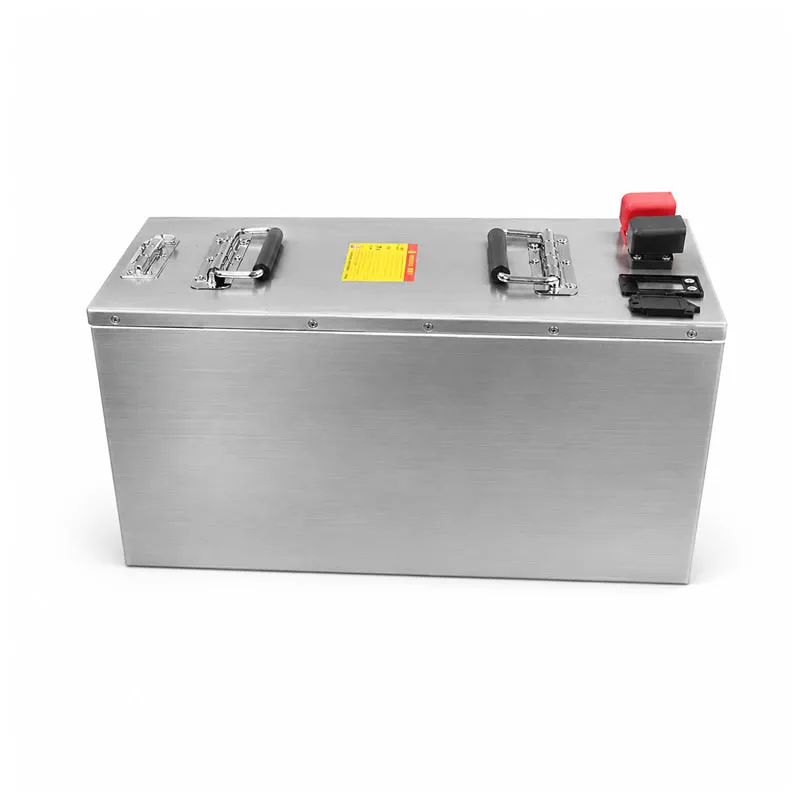
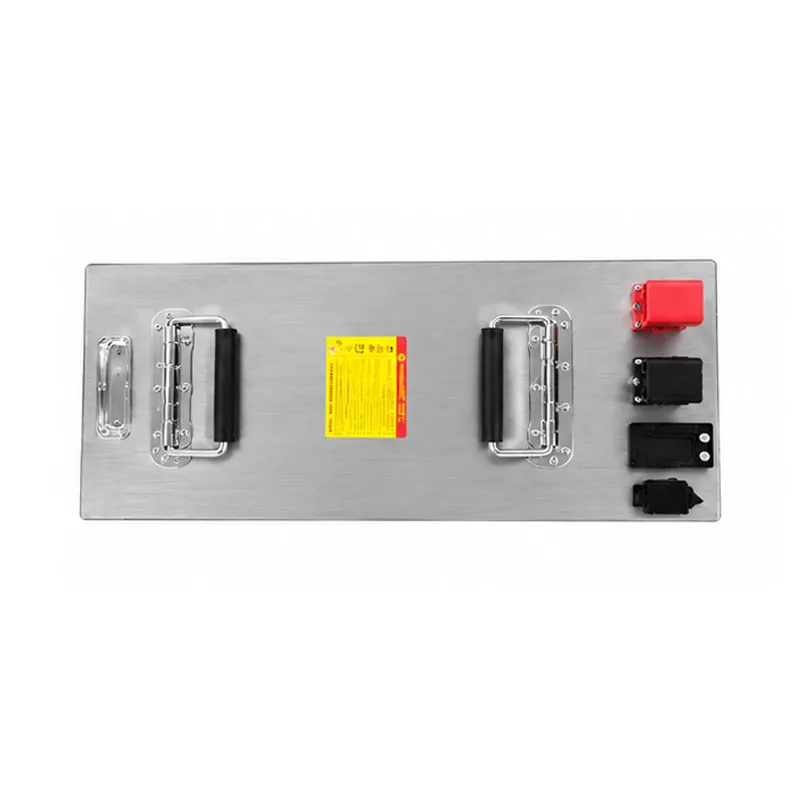
For vehicle power applications that require reliable engine starting, Febatt provides starter battery solutions for different vehicle and usage requirements.
What is the AGM Battery?
An AGM battery, short for Absorbent Glass Mat battery, is a type of sealed lead-acid battery. Instead of allowing liquid electrolyte to move freely inside the battery, AGM technology absorbs the electrolyte into fiberglass mats between the plates.
This structure helps improve internal stability and electrical performance. AGM batteries usually have lower internal resistance, better charge acceptance, stronger vibration resistance, and reduced maintenance requirements.
Because AGM batteries are sealed, they are less likely to leak and do not require water refilling. This makes them suitable for modern vehicles, vehicles with start-stop systems, off-road vehicles, trucks, towing applications, and vehicles with higher electrical loads.
It is important to understand one key point: AGM batteries can also be used as starter batteries if it is designed for starting applications and matches the vehicle’s specifications. Therefore, the comparison is more accurately between conventional flooded starter batteries and AGM starter batteries.
Starter Battery vs AGM Battery
Although both battery types can support vehicle starting, they differ in structure, durability, maintenance, cost, and performance under demanding conditions.
| Feature | Starter Battery | AGM Battery |
|---|---|---|
| Main purpose | Provides high current for engine starting | Provides strong starting power with improved durability |
| Battery Technology | Usually flooded lead-acid | Sealed Absorbent Glass Mat design |
| Electrolyte Design | Liquid electrolyte moves freely inside the battery | Electrolyte is absorbed in fiberglass mats |
| Maintenance | Low to moderate, depending on design | Maintenance-free sealed structure |
| Vibration Resistance | Moderate | Better vibration resistance |
| Deep Discharge Tolerance | Poor; not designed for repeated deep discharge | Better tolerance, but still not a true deep-cycle battery |
| Cold-Weather Performance | Depends heavily on CCA and battery condition | Often more stable in cold and demanding conditions |
| Lifespan | Usually suitable for standard use | Often longer in demanding use |
| Upfront Cost | Lower | Higher |
| Best For | Budget-friendly daily driving | Modern vehicles, higher loads, cold weather, off-road, towing |
Conventional starter batteries are attractive because of its lower upfront cost. It works well when the vehicle’s electrical system is simple and the driving pattern is stable.
An AGM battery costs more, but the added cost often brings better durability, stronger resistance to vibration, improved charging behavior, and better performance in more demanding environments.
Which Battery Is Better for Daily Driving?
For simple daily commuting, a conventional starter battery is often enough.
If the vehicle starts once or twice a day, drives reasonable distances, and does not power many accessories while parked, the battery workload remains manageable. In this case, standard starter batteries can provide reliable performance at a lower cost.
For many passenger cars, light-duty vehicles, and basic driving needs, paying extra for an AGM battery may not always be necessary. The practical choice depends on whether the vehicle can actually benefit from AGM technology.
However, if the vehicle is equipped with a start-stop system, advanced electronics, aftermarket devices, or high electrical demand, an AGM battery may be the better choice.
Which Battery Performs Better in Cold Weather?
Cold weather puts more stress on vehicle batteries. When temperatures drop, chemical reactions inside the battery slow down. At the same time, engine oil becomes thicker, which makes the engine harder to crank.
This is why cold cranking performance is so important.
A conventional starter battery with a strong CCA rating can perform well in winter conditions if it is properly maintained and correctly sized for the vehicle. However, as the battery ages, cold-weather performance may decline more noticeably.
An AGM battery often performs better in cold and seasonal stress conditions. Its lower internal resistance and stable internal structure can help deliver stronger electrical response when the vehicle needs it most.
For drivers in colder regions, or for vehicles that must start reliably in winter mornings, an AGM battery may offer better confidence and stability.
Which Battery Is Better for Heavy-Duty Vehicles, Off-Roading, and Towing?
Heavy-duty use creates additional stress on a vehicle battery. Off-road driving, towing, long-distance transportation, high vibration, irregular charging, and accessory loads can all shorten battery life.
Conventional starter batteries can handle normal use, but it may not be the most durable option for harsh conditions.
An AGM battery is usually better suited for demanding applications because it offers stronger vibration resistance and better internal stability. This makes it a stronger match for:
- Off-road vehicles
- Trucks
- Towing vehicles
- Commercial vehicles
- Vehicles with additional lighting
- Vehicles with audio systems or power inverters
- Vehicles exposed to frequent vibration
For high-demand driving environments, the decision should not be based only on upfront price. Replacement frequency, downtime, reliability, and long-term cost should also be considered.
How Do Driving Habits Affect Battery Choice?
Driving habits have a major impact on battery performance and lifespan.
A vehicle used mainly for longer trips gives the alternator more time to recharge the battery after starting. In this case, conventional starter batteries may work well.
A vehicle used mostly for short urban trips may place more stress on the battery. Frequent starts, limited recharge time, and repeated electrical demand can reduce battery life. In this type of use, an AGM battery may provide better performance and durability.
You should consider the following questions before choosing a battery:
- How often is the vehicle started each day?
- Are most trips short or long?
- Does the vehicle have many electrical accessories?
- Is the vehicle used in hot or cold climates?
- Does the vehicle experience heavy vibration?
- Is the vehicle used for commercial or heavy-duty work?
The more demanding the driving pattern, the more valuable AGM battery performance becomes.
How Do Climate and Electrical Load Affect Battery Performance?
Climate is one of the most important factors in battery selection.
Hot weather can accelerate battery aging. High temperatures increase internal chemical activity, which may shorten battery life over time. Cold weather makes engine starting more difficult and reduces available battery power.
Electrical load is equally important. Modern vehicles often rely on more electronic systems than older vehicles. Additional devices such as lighting, infotainment systems, communication equipment, refrigerators, audio systems, inverters, and charging ports can increase battery demand.
Conventional starter batteries may be enough for basic vehicles with low electrical demand. But when accessory load increases, an AGM battery may provide better voltage stability and stronger recovery after discharge.
For B2B buyers, fleet operators, and vehicle solution providers, this difference matters because battery failure can lead to downtime, replacement costs, warranty issues, and customer complaints.
How Should You Choose the Right Battery for Your Vehicle?
The right battery is not always the most expensive one. It is the one that fits the vehicle and the application.
Check the Vehicle Specifications
Always start with the vehicle manual or the battery label. The manufacturer may specify the correct battery size, terminal layout, voltage, capacity, reserve capacity, CCA rating, and battery technology.
Using the wrong battery can cause installation problems, charging issues, reduced performance, or shortened battery life.
Match the Battery to the Driving Conditions
If the vehicle is used for basic commuting and has limited electrical demand, a conventional starter battery may be enough.
If the vehicle operates in cold weather, rough road conditions, frequent short trips, or high-load applications, an AGM battery may be a better long-term choice.
Consider the Charging System
Before replacing conventional starter batteries with AGM batteries, check whether the vehicle’s charging system is compatible. Some modern vehicles are designed for AGM batteries, while others may require specific charging profiles.
Using the wrong battery type can affect charging efficiency and service life.
Compare Cost and Long-Term Value
A conventional starter battery usually has a lower upfront cost. This makes it attractive for budget-focused users.
An AGM battery usually costs more, but it may reduce replacement frequency and improve reliability in demanding applications. For commercial buyers, the long-term value may be more important than the initial price difference.
Can You Replace a Standard Starter Battery with an AGM Battery?
In many cases, yes. A standard flooded starter battery can often be replaced with an AGM battery if the size, voltage, terminal layout, CCA rating, and charging system are compatible.
However, you should not replace the battery blindly. Always check the vehicle manufacturer’s recommendations first.
An AGM battery may offer several benefits after replacement, including:
- Better vibration resistance
- Improved cold-weather performance
- Maintenance-free operation
- Faster charge acceptance
- Better support for modern electrical loads
However, if the vehicle does not require AGM performance, the extra cost may not deliver enough practical value.

What Installation and Maintenance Tips Should You Follow?
Proper installation and maintenance can help both starter batteries and AGM batteries perform better.
Install the Battery Correctly
Make sure the battery is securely mounted. Check the terminal orientation and ensure all connections are clean and tight.
Loose connections can cause voltage drop, starting problems, charging issues, and unnecessary battery wear.
Keep the Terminals Clean
Terminal corrosion is a common cause of weak starting. Even a small amount of oxidation can reduce current flow and make the battery seem weaker than it really is.
Regular inspection and cleaning can help improve battery performance and extend service life.
Avoid Repeated Deep Discharge
A conventional starter battery is not designed for repeated deep discharge. Draining it too often can shorten its lifespan quickly.
AGM batteries can tolerate deeper discharge better than conventional starter batteries, but it should still not be treated like a true deep-cycle battery unless it is specifically designed for that purpose.
Use the Right Charger
An incorrect charger can damage the battery or shorten its life. Smart chargers with battery-specific modes are usually safer.
AGM batteries in particular should be charged with a charger or system that supports AGM charging requirements.
For buyers comparing AGM with other vehicle battery technologies, you can also read this related guide: AGM battery vs lithium auxiliary battery
When Should You Choose a Conventional Starter Battery?
A conventional starter battery may be the better choice if:
- The vehicle has basic electrical needs
- The climate is moderate
- The vehicle is used for regular daily driving
- The budget is a major priority
- The vehicle does not have a start-stop system
- The battery is mainly needed for standard engine starting
For simple use cases, a conventional starter battery is still practical, reliable, and economical.
When Should You Choose an AGM Battery?
An AGM battery may be the better choice if:
- The vehicle operates in cold weather
- The vehicle has a start-stop system
- The vehicle carries higher electrical loads
- The vehicle is used for towing or off-road driving
- The battery is exposed to vibration
- The vehicle is used in commercial or heavy-duty conditions
- Long-term reliability is more important than the lowest upfront cost
In these situations, AGM technology can provide stronger overall value.
Starter Battery vs AGM Battery: Which One Is Better?
There is no universal answer. A conventional starter battery is often the practical and economical choice for standard vehicles with modest electrical needs. It delivers strong starting power at a lower upfront cost and works well in normal driving conditions.
An AGM battery is better suited for demanding applications. It offers improved vibration resistance, better charge acceptance, stronger electrical stability, and more reliable performance in vehicles with higher loads or harsher operating conditions.
The best battery is not simply the cheaper one or the more advanced one. The best battery is the one that matches the vehicle, climate, electrical system, and real-world driving habits.
For vehicle owners, distributors, and fleet buyers, choosing the right starter battery can help improve reliability, reduce downtime, and support better long-term operating value.
FAQ About Starter Battery vs AGM Battery
1.Is AGM always better than a starter battery?
No. AGM batteries usually offer better durability, vibration resistance, and electrical performance, but they are not always necessary. For basic vehicles with normal driving conditions, a conventional starter battery may be enough.
2.Can an AGM battery be used as a starter battery?
Yes. Many AGM batteries are designed for starting applications. However, the battery must match the vehicle’s voltage, size, terminal layout, CCA rating, and charging system requirements.
3.Can I replace a standard starter battery with an AGM battery?
In many cases, you can replace a standard flooded starter battery with an AGM battery. However, you should check the vehicle manual or manufacturer recommendations first to confirm compatibility.
4.Which battery is better for cold weather?
An AGM battery often performs better in cold weather because of its lower internal resistance and stable internal design. However, a conventional starter battery with the correct CCA rating can also work well if it is properly maintained.
5.Which battery lasts longer, a starter battery or an AGM battery?
AGM batteries often last longer in demanding conditions, but actual lifespan depends on climate, charging system, driving habits, maintenance, and battery quality. Conventional starter batteries can also provide good service life in light-duty use.
6.Is an AGM battery worth the higher price?
An AGM battery is worth the higher price if the vehicle has higher electrical loads, frequent short trips, cold-weather operation, vibration, or start-stop technology. For basic vehicles, the extra cost may not always be necessary.
What should B2B buyers consider when choosing a starter battery supplier?
B2B buyers should consider more than battery price. Key factors include product consistency, CCA performance, safety standards, application matching, supply stability, technical support, and after-sales service. A reliable starter battery supplier can help reduce replacement risks, improve vehicle reliability, and support long-term business value.