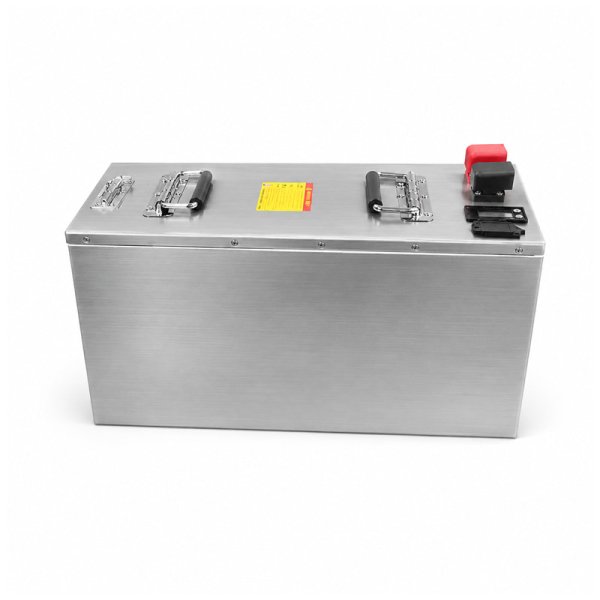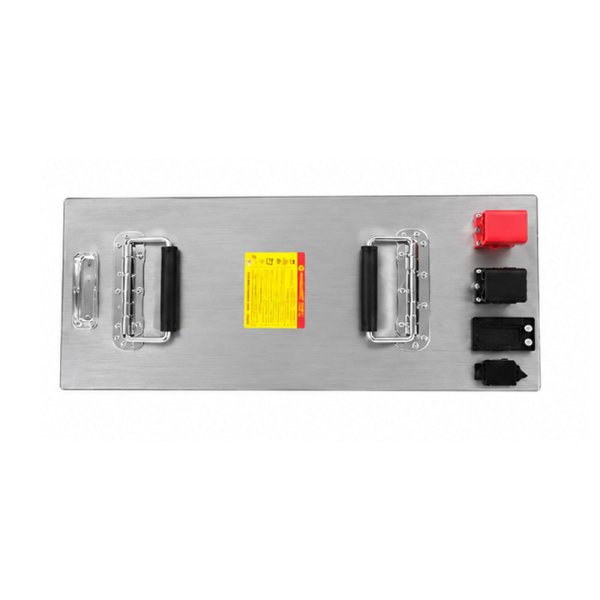
For almost every modern pickup, delivery truck, and light commercial vehicle, the answer is 12V. A truck battery in that category is designed to power the starter, ignition, lights, electronics, and all the extra loads that come with modern driving. If you open the hood of a newer truck, you will usually find either one 12V battery or two 12V batteries working together.
That said, the phrase “truck battery” can cover a lot of ground. Some large diesel trucks use a pair of 12V batteries wired in a way that supports a 24V starting system, while others remain 12V but need a high output battery bank to handle the load. A 6V truck battery exists, but it is mostly associated with antique vehicles, restoration projects, or specialized equipment rather than today’s road trucks.
Here is the practical way to think about it:
- 6V: mostly vintage trucks, restored classics, or specialty applications
- 12V: the standard for most trucks on the road today
- 24V systems: often found in heavy-duty commercial and military-style vehicles, usually using multiple 12V batteries
If someone asks whether a truck battery is 6V or 12V, the safest answer is that modern trucks are usually 12V, but the real system depends on the specific vehicle. That is why it is never wise to guess when replacing a truck battery. The voltage, group size, terminal layout, and starting power all have to match the vehicle, not just the general idea of a “truck battery.”
Why did older trucks ever use 6V batteries?
To understand why people still ask this question, it helps to look back. Many early trucks and cars used 6V electrical systems because the technology of the time was simpler. Engines were smaller, electrical accessories were limited, and vehicles did not have the long list of electronics that drivers expect now. In that environment, a 6V truck battery made sense.
But 6V systems had limits. As trucks became heavier, engines grew larger, compression increased, and drivers demanded better lighting and more reliable starting. A 6V truck battery could do the job, but it had to work harder. That meant thicker cables, more attention to connections, and more sensitivity to corrosion or voltage drop. The older the system, the more any weak connection could show up as slow cranking or dim lights.
When the industry moved toward 12V, a lot changed:
- Starting became easier
- Headlights got brighter
- Wiring could be more efficient
- Accessories became easier to power
- Cold-weather performance improved
That shift is why most people today think of a truck battery as 12V by default. In many ways, the change was about convenience, but it was also about reliability. A truck battery in a 12V system can deliver the same useful power with less current than a 6V system, which reduces stress on the wiring and makes the vehicle easier to start.
Still, if you are working on a classic truck, the story changes. Original restorations often keep the factory electrical setup, and that may mean a 6V truck battery. Some owners choose to convert old systems to 12V for easier starting and brighter lights, but others prefer to preserve the vehicle exactly as it was built. Either way, the truck battery you choose must fit the design of the vehicle, not just the brand or the size of the case.
When would a truck battery be 6V today?
In daily driving, almost never. A 6V truck battery is now mostly a niche item. You might see one in a restored vintage pickup, an antique farm truck, or a specialty build that keeps original electrical hardware. Some collectors specifically want the original feel of a period-correct truck battery, even if it means accepting older technology and more maintenance.
There are a few situations where 6V still shows up:
- Classic restorations where originality matters
- Museum vehicles or show trucks
- Old work trucks that have not been converted
- Specialty industrial equipment that shares vintage electrical design
- Some custom builds that intentionally preserve a historical system
For ordinary road use, though, a 6V truck battery is uncommon. In fact, if someone tries to install a 6V battery in a truck that was built for 12V, the result is usually weak starting, poor electrical performance, and frustration. The truck may crank too slowly or fail to start at all. On the other hand, installing 12V into a true 6V system can damage wiring, bulbs, gauges, and other components.
That is why voltage matters before anything else. A truck battery is not just a container of energy. It is part of a larger electrical design. If the design says 12V, then 12V is the only correct answer. If the design says 6V, then you must stay with 6V unless you are making a proper conversion.
It is also worth remembering that some heavy-duty vehicles use more than one battery. People sometimes see two batteries and assume one must be 6V, but that is not always true. Two 12V batteries can be connected in series to support a 24V system, or in parallel to increase capacity while keeping 12V. So the number of batteries does not tell the whole story; the truck battery setup has to be checked as a system.

How can you tell what voltage your truck needs?
If you do not know the voltage, do not guess. The good news is that finding out is usually easy if you know where to look. The truck battery itself, the owner’s manual, and the vehicle identification data can all give you the answer.
Start with the simplest checks:
Read the label on the existing truck battery.
Most batteries clearly show 6V or 12V on the case.
Look in the owner’s manual.
The manual often lists battery specifications, terminal type, and group size.
Check the service sticker or factory label.
Some vehicles list electrical system information near the battery tray or under the hood.
Count the batteries and note how they are connected.
Two batteries can mean more capacity, or it can mean a higher voltage system.
Ask a qualified technician if the truck has been modified.
Older trucks and fleet vehicles may not match the factory setup anymore.
A truck battery replacement becomes much easier once you know the exact system. You are not just buying “a battery”; you are buying the right voltage, the right size, and the right power rating. This matters because a battery that physically fits may still be wrong electrically.
It helps to understand the difference between common setups:
- One 12V truck battery: common in light-duty trucks and many pickups
- Two 12V batteries in parallel: common when the truck needs more reserve capacity
- Two 12V batteries in series: used when a higher-voltage starting system is required
- One 6V truck battery: rare today, usually in vintage applications
A quick visual check can also help. If the battery terminals are badly corroded, the label is missing, or the truck has been modified over time, do not rely on guesswork. The correct truck battery should be chosen after confirming what the vehicle actually needs, not what someone assumes it needs.
What do CCA and reserve capacity mean for a truck battery?
Voltage tells you the system type, but it does not tell you whether the truck battery can do the job. That is where cold cranking amps, or CCA, and reserve capacity become important. A battery can be the right voltage and still perform poorly if it does not have enough starting power.
CCA measures how much current a truck battery can deliver in cold conditions while still maintaining usable voltage. This matters because cold weather makes oil thicker, engines harder to turn, and batteries less efficient. If your truck lives outside in winter, CCA can be the difference between a clean start and a slow click.
Reserve capacity shows how long the battery can keep supplying power if the charging system is not keeping up. That matters when headlights, heater blowers, winches, audio systems, work lights, or electronic accessories draw more power than expected.
A strong truck battery needs more than just the right voltage. It also needs the right performance rating for the way the truck is used.
Look at these examples:
- City pickup with light use: moderate CCA may be enough
- Diesel work truck: higher CCA is usually required
- Truck in cold climate: extra CCA is a smart choice
- Vehicle with many accessories: reserve capacity matters more than people think
If you only compare prices, you can end up with a truck battery that looks fine on paper but struggles in real life. That is especially true with diesel engines, which often require more cranking force. The starter has to overcome compression, and in cold weather that load rises fast. A weak battery will show its weakness immediately.
This is also why two batteries are often used in heavy-duty applications. It is not just about voltage; it is about sharing the load. A truck battery system with good reserve capacity can better handle start-up demands and accessory use without draining too quickly.
A useful way to think about it is this: voltage tells the system what it is, while CCA and reserve capacity tell you what it can actually do. For a truck battery, all three matter.
How do diesel, gas, and work-duty trucks change the choice?
Not every truck puts the same demand on its battery system. A small gas pickup used for commuting has a very different electrical life than a diesel work truck hauling tools all day. That difference affects the truck battery choice more than many drivers realize.
Gas trucks usually start more easily and can often run with a simpler setup. A well-matched 12V truck battery is often enough if the vehicle is not heavily modified. Diesel trucks, on the other hand, usually need more starting power because the engine design creates more compression. In many diesel pickups, the truck battery is still 12V, but the vehicle may use two batteries to supply the extra current needed for starting and accessory loads.
Commercial trucks add another layer. Fleet vehicles may sit idling, carry refrigeration units, power liftgates, or support extended electrical accessories. In that kind of use, the truck battery has to do more than start the engine. It has to support work habits that do not look anything like normal commuting.
Here is the simple breakdown:
- Gas trucks: usually one well-sized 12V battery
- Diesel pickups: often two 12V batteries or a high-output battery
- Heavy-duty commercial trucks: sometimes 24V starting systems or larger battery banks
- Specialized work trucks: may need extra reserve capacity for accessories
It is easy to assume that bigger always means better, but that is not the right way to choose a truck battery. The battery should fit the engine, the weather, the driving pattern, and the electrical load. A truck that makes short trips every day may need a different battery strategy than a truck that spends long hours on the job site or idles for long periods.
This is also where battery chemistry and build quality start to matter. Not every truck battery is built for the same kind of punishment. Vibration, heat, and deep cycling can shorten battery life quickly if the battery is not designed for hard use. That is why many work trucks need a tougher battery than a casual weekend driver.
If you treat the truck battery as a one-size-fits-all part, you will often end up replacing it sooner than expected. If you match it to the actual job, it tends to last longer and perform better.
What signs show a truck battery is the wrong match?
A truck battery that is the wrong voltage or the wrong size does not always fail immediately. Sometimes it shows warning signs first. If you know what to watch for, you can catch the problem before you are stranded in a parking lot or at a job site.
Common signs include:
- Slow or hesitant cranking
- Dim headlights when starting
- Repeated jump-starts
- Battery warning lights or charging alerts
- Corroded or overheated terminals
- Electrical accessories acting strangely
- A strong smell of sulfur or visible swelling in the battery case
If a truck battery is underpowered, the starter may sound sluggish, especially in cold weather. If the battery voltage is wrong, the electronics may behave unpredictably. A 6V truck battery in a 12V truck will not be able to deliver the expected performance, and a mismatched replacement can create similar issues even if it “fits.”
People sometimes blame the alternator when the real issue is the truck battery. Other times they replace the battery and still have problems because the vehicle needs more current than the battery can provide. That is why symptoms should be read carefully. The battery, starter, alternator, wiring, and grounds all work together.
A few signs deserve quick attention:
The truck cranks slower every week
This may mean the battery is aging or undersized.
The truck starts fine once, then struggles later
Reserve capacity may be too low.
The battery needs frequent charging
The truck battery may not match the vehicle’s demand, or the charging system may be weak.
Accessories shut off during startup
The battery may be dropping voltage too quickly.
The battery case is hot after driving
Something in the system is working too hard.
The key point is that the truck battery should make the truck feel effortless at startup. If starting becomes a daily concern, something is off. Sometimes the fix is simple, like cleaning terminals or replacing an old battery. Sometimes it is more involved, especially if the truck has been modified or converted.
How should you maintain a truck battery for long life?
A good truck battery can still fail early if it is neglected. Trucks live a harder life than most passenger cars. They vibrate more, carry more load, and often sit for long periods before being used again. That means maintenance matters.
The first thing to remember is that a truck battery hates weak connections. Loose terminals, corrosion, and damaged cables can make even a healthy battery look bad. Clean contact points, tight clamps, and good grounds can extend battery life more than many drivers expect.
Here are a few habits that help:
- Keep the terminals clean and protected
- Check cable tightness regularly
- Test the charging system before winter
- Avoid letting the truck sit unused for too long
- Use a maintainer if the truck is stored for weeks
- Replace worn cables before they cause bigger problems
A truck battery also suffers when it is repeatedly drained too far. Short trips, lots of accessories, and long idle times can leave the battery undercharged. Over time, that leads to sulfation and reduced capacity. If the truck is used for work, it may be worth checking battery health more often than you would on an ordinary vehicle.
Temperature is another factor. Heat can age a truck battery faster than many people realize, while cold makes weak batteries show their weakness immediately. In hot climates, the battery may degrade quietly until one day it simply will not hold charge. In cold climates, the first frost may reveal that the battery was already close to failure.
If your truck battery is stored during the off-season, use a proper charger or maintainer instead of letting it sit untouched. That one habit can save a lot of money and frustration. The battery will last longer, the truck will start more reliably, and the alternator will not have to recover from deep discharges as often.
A well-maintained truck battery is not glamorous, but it is one of the easiest ways to protect the whole vehicle. A few minutes of inspection can prevent a much bigger delay later.
What should you look for when buying a replacement?
Buying a replacement truck battery is easier when you focus on the right details. Voltage comes first, but it is far from the only thing that matters. The best replacement is the one that matches the vehicle’s electrical system, fits correctly, and delivers enough real-world starting power.
Before you buy, check these items:
- Voltage: 6V, 12V, or a system with multiple batteries
- Group size: the physical dimensions and mounting fit
- Terminal layout: top post, side post, or another design
- CCA rating: especially important for cold climates and diesel engines
- Reserve capacity: useful for heavy electrical loads
- Warranty: a sign of confidence in the product
- Build quality: vibration resistance and durability matter in trucks
If you are comparing products, do not stop at the label. Two truck battery options can both be 12V and still behave very differently. One may be built for lighter use, while the other is designed for tough starting conditions, work cycles, and rough roads. That difference becomes obvious after a few seasons, not just on day one.
It also helps to buy from a source that understands truck use. A battery meant for a car may technically fit a truck, but that does not mean it belongs there. If a battery is not built for high demand, frequent starts, or vibration, it may wear out early. That is where choosing the right supplier matters almost as much as choosing the right specs. A brand like Febatt should still be evaluated by the same standards: fit, power, durability, and the actual needs of the truck.
One more thing: if your truck has been modified, do not assume the old battery specification still applies. Lift kits, winches, audio systems, auxiliary lighting, and engine swaps can all change what the truck battery needs to deliver. In those cases, a quick review of the vehicle’s real electrical load is worth the time.
A careful purchase usually pays off in fewer jump-starts, smoother starts, and a better experience overall. For a truck battery, the right choice tends to disappear into the background, which is exactly what you want.

Why does the right truck battery matter more than people think?
People often think of a truck battery as a simple replacement part, but it has a bigger job than that. It is the first thing that has to work when you turn the key, and if it fails, the whole truck stops being useful fast. That is true whether the truck is a daily driver, a tow rig, a farm truck, or a commercial vehicle that has to stay on schedule.
The right truck battery protects more than starting performance. It helps the starter last longer because the starter does not have to fight weak voltage. It helps the alternator because the charging system does not have to work overtime recovering from poor battery health. It helps the electrical system because voltage stays steadier under load. In plain terms, the right battery makes the rest of the truck’s life easier.
That is why voltage is only the beginning of the decision. A truck battery that is the wrong voltage can create obvious failures, but a battery that is technically correct and still poorly matched can create subtle problems for months. Maybe the truck starts, but not quickly. Maybe the lights dim more than they should. Maybe winter mornings become a gamble. Those are all signs that the truck battery is not the best fit for the vehicle.
The safest approach is simple:
- Confirm the correct voltage
- Match the physical size and terminal layout
- Choose enough CCA for your climate and engine
- Pay attention to reserve capacity if the truck carries extra electrical load
- Replace old cables and clean corrosion before installing the new battery
When people ask, “Are truck batteries 6 or 12v?” they are usually trying to solve a practical problem, not a technical puzzle. The real answer is that most trucks on the road today use 12V, while 6V belongs mostly to older or specialized machines. Some heavy-duty setups go beyond that with multiple batteries or higher-voltage arrangements, but the common everyday answer is still 12V. Once you know that, choosing the right truck battery becomes much less mysterious.
A truck battery should fit the vehicle, support the way it is driven, and start the engine without drama. If you check the specifications carefully and avoid guesswork, the battery will do its job quietly for a long time, and the truck will be ready whenever you are.