In today’s automotive accessory market, B2B buyers look for more than affordability—they demand safety, reliability, and compliance. Certifications such as UL and IEC serve as proof that a car battery jump starter meets international standards, directly influencing purchasing strategies, supplier selection, and long-term risk management.
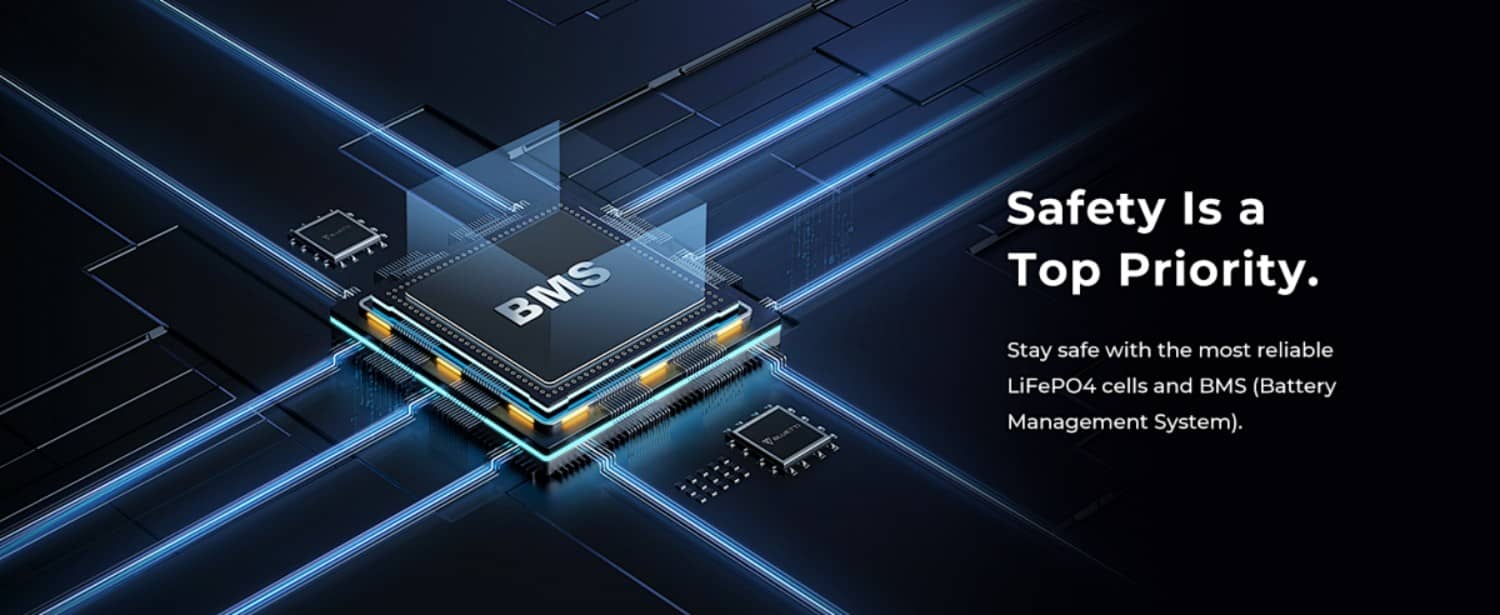
Why Are UL Certifications Important for Car Battery Jump Starters?
UL (Underwriters Laboratories) certification is globally recognized. It ensures that a car battery jump starter passes rigorous electrical safety tests, reducing the risk of overheating, short circuits, or fires.
For B2B buyers, UL certification signals:
- Supplier credibility: Demonstrates commitment to quality
- Reduced liability: Provides documentation in case of accidents
- Reliability assurance: Ensures consistent performance
Over 65% of B2B buyers prioritize UL-certified products, highlighting the direct impact on procurement decisions. UL-certified car jump starters are not just safer—they are strategically smarter investments for companies handling bulk orders.
How Does IEC Certification Influence Buyer Confidence?
IEC (International Electrotechnical Commission) certification focuses on international safety standards. Businesses sourcing car battery jump starters for global distribution often require IEC compliance to avoid legal or regulatory hurdles.
Certified products:
- Meet performance and safety requirements across multiple regions
- Reduce customs complications and import restrictions
- Signal professionalism and high quality to clients
For buyers, IEC-certified jump starters represent reliability in every market, reducing operational risks and enhancing supply chain confidence.
Can Safety Certifications Reduce Liability for Businesses?
Absolutely. Certified car battery jump starters come with documented proof of testing, which is critical in mitigating liability. If a product fails, these documents demonstrate due diligence, protecting both the buyer and their clients.
Legal protection, fewer warranty claims, and predictable operational performance make certifications invaluable for companies purchasing at scale. Certified jump starters are often tested under extreme conditions, providing proof of durability and compliance.
Do Safety Certifications Affect Supplier Selection?
Yes, certifications are a key differentiator when evaluating suppliers. B2B buyers often prioritize suppliers offering UL or IEC-certified products because:
- Certification signals consistent quality and adherence to standards
- Suppliers are more likely to pass audits and maintain quality control
- Certified suppliers build trust for long-term partnerships
For bulk procurement of car battery jump starters, choosing certified suppliers reduces operational risk and strengthens supplier relationships.
How Do Certifications Impact Perceived Product Quality?
Safety certifications are more than compliance marks—they are trust signals. UL-certified jump starters undergo extensive testing for electrical and thermal safety. IEC certification ensures products perform reliably under various international operating conditions.
Buyers perceive certified products as higher-quality, reducing concerns about operational failure or warranty claims. Data shows certified car battery jump starters can enjoy up to 30% higher buyer confidence than non-certified models.
Why Do Global Businesses Require IEC Compliance?
Global operations demand cross-border safety compliance. IEC-certified car battery jump starters simplify international sales, reduce regulatory risk, and enhance brand reputation.
Companies exporting jump starters to multiple countries benefit from:
- Faster regulatory approvals
- Reduced fines or recalls
- Easier client acceptance in international markets
- IEC compliance acts as a universal passport for global trade.
Are Certified Jump Starters More Reliable During Emergency Use?
Emergency scenarios demand reliability. UL and IEC certifications ensure that jump starters function under stress, including extreme temperatures and high amperage draws. Certified products often undergo thousands of simulated emergency cycles, providing confidence for fleet operators, roadside assistance services, and automotive businesses.
B2B buyers know that reliability translates to reduced downtime and fewer liability risks, making certified models a preferred choice.

How Can Certifications Influence Cost-Benefit Analysis?
Certified car battery jump starters typically cost 15–20% more than non-certified models, but they can offer stronger long-term value for B2B buyers. The higher upfront cost is often balanced by lower risk, fewer product issues, and better customer confidence.
One key advantage is reduced warranty claims. Certified products are usually tested for safety, charging stability, output performance, and protection against issues such as overheating, short circuits, and overcurrent. This helps lower the chance of product failure after delivery.
They can also reduce liability exposure. For distributors, fleet operators, and roadside assistance providers, product safety is closely connected to brand reputation. A certified car battery jump starter gives buyers stronger proof that the product meets recognized safety requirements.
In daily use, certified models also tend to provide more consistent operational performance. This matters for business users who need reliable starting power in emergency situations, harsh environments, or frequent-use scenarios.
From a total cost of ownership perspective, certifications are a strategic investment. They can pay for themselves through fewer returns, lower service costs, reduced safety risks, and better long-term operational efficiency.
Do Certifications Enhance Marketing and Sales Channels?
Yes. UL and IEC marks make car battery jump starters more marketable. Distributors, resellers, and fleet operators prefer certified products, knowing they align with client expectations.
Marketing certified products provides:
- Visible proof of safety and reliability
- Premium positioning in competitive markets
- Increased client trust and loyalty
Prominent use of certification logos can enhance B2B sales conversions.
Can Certifications Improve Supply Chain Transparency?
UL and IEC certifications require detailed documentation of materials, processes, and factory inspections. This ensures:
- Traceability of components
- Reduced risk of counterfeit parts
- Predictable product quality in bulk orders
Transparency in the supply chain enhances confidence, especially for high-volume buyers.
How Do Certifications Affect Warranty and Support Services?
Certified products often come with stronger warranties and improved after-sales support, which gives B2B buyers more confidence after purchase. Compared with uncertified or low-cost models, certified car battery jump starters are usually backed by clearer quality control, better technical documentation, and more reliable service policies.
Buyers can expect:
- Extended service life
- Reduced early failures
- Predictable replacement schedules
- Faster support when issues occur
- Lower pressure on after-sales teams
For distributors, fleet operators, repair shops, and roadside assistance providers, warranty reliability is an important part of risk control. A strong warranty can reduce unexpected costs, improve customer satisfaction, and make inventory planning easier.
For B2B buyers, warranty reliability is not just an extra benefit. It is a key factor when selecting car battery jump starters, especially when products are purchased in bulk or used in demanding commercial environments.
Are Certifications a Requirement for Fleet Operators?
Fleet operators face intensive operational demands because their equipment is used frequently, sometimes in harsh weather, emergency conditions, or high-pressure service environments. Certified car battery jump starters provide stronger safety and reliability under repeated use, helping fleets reduce unexpected failures, downtime, and operational interruptions.
For professional fleets, product safety is also connected to compliance and risk management. Insurance providers, procurement teams, and regulatory bodies may prefer or require UL or IEC-certified devices because certifications show that the product has passed recognized safety and performance testing.
Using non-certified products may increase liability and insurance risk, especially if a device overheats, damages a vehicle, or fails during roadside service. For this reason, certification is not just a technical advantage. It is a practical necessity for fleet operators that need dependable equipment, safer daily operations, and better protection against legal, financial, and reputational risks.
Can Certifications Reduce Environmental and Operational Risks?
IEC and UL standards now include environmental considerations, ensuring products are safe to dispose of and contain fewer hazardous materials. Certifications also guarantee thermal stability, electrical insulation, and resistance to environmental stress. This reduces fire, leakage, or malfunction risks, protecting both businesses and the environment.
How Do Certifications Affect Long-Term Supplier Relationships?
Suppliers offering certified car battery jump starters demonstrate quality, consistency, and accountability. This fosters:
- Stronger partnerships
- Easier repeat orders
- Collaborative innovation opportunities
Certification ensures trust and reliability across supply chains, which is critical in B2B relationships.
Why Are Certifications a Competitive Advantage in the Automotive Market?
Certified jump starters stand out due to proven safety, compliance, and reliability. Certified products can achieve 20–35% higher buyer preference, giving businesses an edge in competitive B2B markets. Buyers value the reduced risk, operational reliability, and compliance that certifications guarantee.
Can Certifications Drive Higher Return on Investment?
Investing in certified jump starters often yields higher ROI. Reduced liability, fewer warranty claims, and operational consistency translate into long-term savings. Certifications become strategic assets that enhance profitability, client trust, and operational efficiency.
Are Buyers Willing to Pay a Premium for Safety-Certified Jump Starters?
Yes. Over 70% of B2B buyers are willing to pay 10–20% more for certified models. The premium is justified by safety assurance, reduced operational risk, and international compliance. Certifications serve as both a safety feature and a marketing advantage.
How Do Certifications Support Global Expansion Strategies?
Certified car battery jump starters simplify regulatory compliance in multiple countries, reducing market entry delays. Companies benefit from:
- Faster approvals
- Reduced legal risks
- Stronger brand credibility abroad
IEC and UL compliance ensures products meet global standards and appeals to international clients.
Can Certifications Influence Client Retention and Trust?
Certified jump starters demonstrate professionalism and reliability. Clients are more likely to place repeat orders and maintain long-term relationships with suppliers providing UL or IEC-certified products. Trust built through certification directly translates to higher client retention.
What Trends Are Shaping Certification Demand for Jump Starters?
Demand is rising due to:
- Vehicle electrification and fleet growth
- Increasing safety regulations
- Emphasis on environmental compliance
B2B buyers increasingly view certification as a non-negotiable requirement for sourcing jump starters.
Are Certifications a Signal of Innovation and Technology Adoption?
Yes. UL and IEC certifications often require adoption of the latest safety technologies, including:
- Smart battery management systems
- Reverse polarity protection
- Surge control
Certified jump starters are perceived as innovative and technologically advanced, enhancing buyer confidence.
How Can Businesses Leverage Certifications in Marketing Strategy?
Marketing car battery jump starters with UL and IEC certifications strengthens credibility. Highlighting certification in:
- Catalogs and brochures
- Product images and labels
- Sales pitches
helps justify premium pricing and attracts high-value clients.
How Do Certifications Impact Supply Chain Risk Management?
Certifications mitigate risks such as:
- Counterfeit components
- Product recalls
- Quality inconsistencies
B2B buyers benefit from predictable procurement and operational stability when sourcing certified jump starters.

Can Certifications Drive Higher Operational Efficiency?
Certified products reduce downtime and maintenance costs by lowering the risk of unexpected failures, overheating, unstable output, or safety-related issues. For fleets and service centers, this reliability is especially important because equipment must be ready whenever a vehicle needs emergency starting support.
Reliable car battery jump starters help teams operate more efficiently, with fewer disruptions caused by faulty or unsafe equipment. They can also reduce repair delays, customer complaints, product returns, and the need for frequent replacements.
For B2B buyers, certified products support smoother daily operations and better cost control. Fewer failures mean less time spent troubleshooting equipment and more time focused on serving customers, maintaining vehicles, and keeping fleets on the road.
Are Safety Certifications Likely to Become Mandatory in the Future?
With increasing global focus on safety, liability, and sustainability, certifications may become regulatory requirements. Companies adopting UL and IEC-certified car battery jump starters now are positioning themselves ahead of legal changes.
Why Should B2B Buyers Consider UL and IEC Certifications a Strategic Priority?
UL and IEC certifications provide clear value in safety, reliability, compliance, and long-term ROI. Certified car battery jump starters give B2B buyers more confidence that the products have been tested against recognized standards and are suitable for professional use.
These certifications can also influence supplier selection, risk mitigation, and market access. For distributors, fleet operators, repair shops, and wholesale buyers, certified products are easier to approve, easier to promote, and often more trusted by end customers.
From a business perspective, certification is more than a technical requirement. It helps reduce warranty problems, liability concerns, and compliance barriers while supporting stronger brand credibility.
For B2B buyers, certification is a cornerstone of smart procurement and long-term business strategy. It helps companies choose safer suppliers, protect their reputation, and build more reliable product lines in competitive markets.